
Selecting a suitable baby feeding bottle set of 3 is one of the most practical decisions you will make as a caregiver. With glass, plastic, and silicone options widely available, finding the appropriate material requires balancing safety verification, your daily routine, and long-term durability. Each material serves distinct purposes, and there is no single option that suits every family. Instead, the most suitable choice depends on your specific feeding environment, sterilization habits, and how you plan to manage daily feeds.
For instance, some families prefer the purity and longevity of glass for home use, while others rely on the lightweight portability of plastic or the soft, tactile feel of silicone for on-the-go convenience. By understanding the unique physical properties and maintenance requirements of each material, you can build a 3-bottle set that closely aligns with your lifestyle. This guide will compare these materials across key performance areas to help you make an informed, practical decision for your baby’s feeding journey.
Comparing Glass, Plastic, and Silicone: Safety and Baseline Features
To make an informed choice, it is essential to understand the fundamental characteristics of each material. Glass bottles used for infant feeding are typically made from borosilicate glass, which is highly resistant to thermal shock. This means the bottle can transition from cold refrigeration to warm water baths without cracking or shattering. Glass is chemically inert, meaning it does not react with food, absorb odors, or discolor over time, making it a highly stable option for storing breast milk or formula.
Products mentioned in this guide
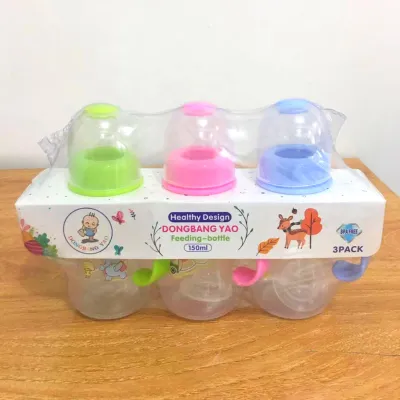
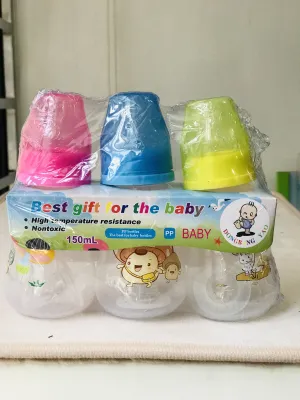
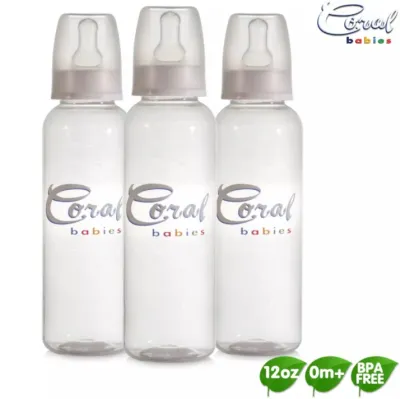
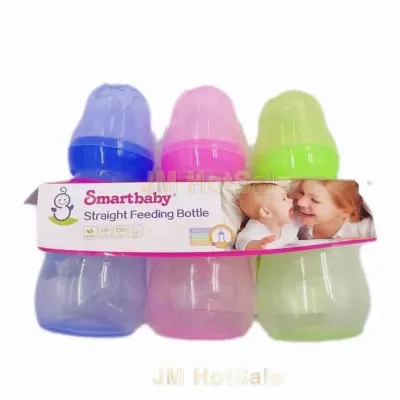
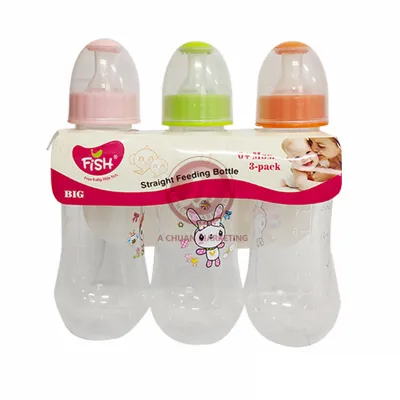
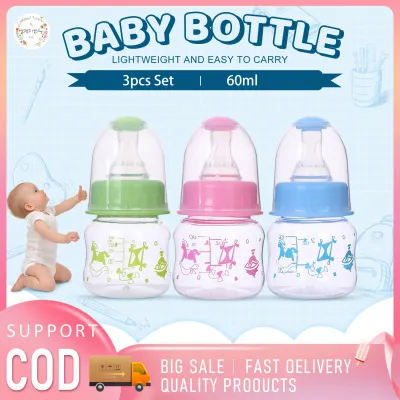
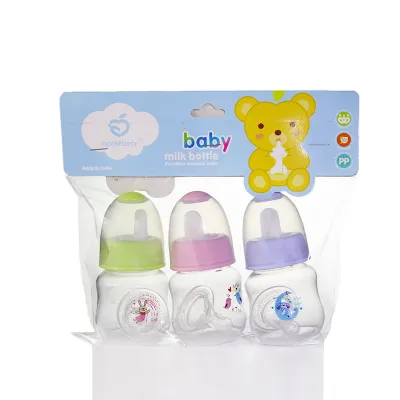
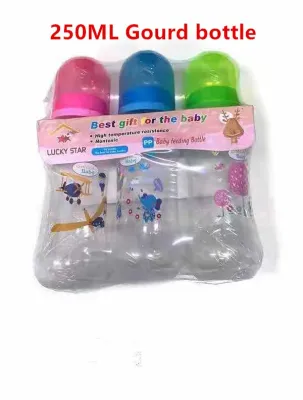
Prices are valid at publication and may change. Please refer to the product page for the latest price.
Plastic bottles are lightweight and shatterproof, but they are made from various chemical compounds that require careful selection. Common plastics include Polypropylene (PP), Polyphenylsulfone (PPSU), and Polyethersulfone (PES). PP is the most common and affordable option, though it has a lower heat tolerance and may degrade faster over time. PPSU and PES are medical-grade plastics that offer high heat resistance and durability, often distinguished by a natural honey-colored tint.
Silicone bottles are made from food-grade silicone, a flexible, rubber-like material that is soft to the touch. Silicone is highly durable, resistant to extreme temperatures, and does not leach chemicals into liquids. Its flexible nature allows manufacturers to design squeezable bottles that some caregivers find helpful during transitions.
Regardless of the material you choose, safety verification is a critical step for every caregiver. When purchasing a baby feeding bottle set of 3, always inspect the packaging and product labels for clear safety markings. Look for verified “BPA-free” and “BPS-free” labels to ensure the materials do not contain harmful bisphenols. Because safety standards and chemical formulations can vary, you must verify the manufacturer’s specific material certifications and compliance with international food-contact safety regulations.
Ultimately, the safety of any bottle relies heavily on strictly following the manufacturer’s age recommendations, heating limits, and usage guidelines. No material is inherently safe if it is subjected to improper heating or cleaning methods. Always consult the product documentation to understand the maximum temperature limits for heating and sterilization, and never use a bottle that shows signs of material degradation.
Durability, Weight, and Daily Practicality
Evaluating how each material holds up against daily wear and tear is crucial for long-term satisfaction. Weight is one of the most immediate differences you will notice when handling these bottles. Glass bottles are significantly heavier than their plastic and silicone counterparts. During late-night feeds when fatigue sets in, holding a heavy glass bottle can increase caregiver strain. Furthermore, as your baby grows and begins to develop their grip, a heavy bottle may be difficult for them to hold independently, whereas lightweight plastic or silicone bottles are much easier for small hands to manage.

Breakability is another major consideration, especially in homes with hard tile or stone flooring, which are common in tropical climates. A dropped glass bottle can easily shatter, creating a safety hazard in the kitchen or nursery. In contrast, plastic and silicone are virtually shatterproof, making them highly durable against accidental drops from high chairs or countertops.
However, durability is not just about resisting drops; it also involves how the material handles daily cleaning. Plastic is highly susceptible to micro-scratches from stiff bottle brushes. These tiny scratches can harbor milk residue, bacteria, and stubborn odors over time, causing the bottle to look cloudy and yellowed. Silicone is more resistant to scratching but can develop a cloudy appearance or absorb oils from breast milk and formula, requiring thorough washing with mild dish soap.
In warm, humid tropical environments, proper drying and sterilization are essential to prevent mold and bacterial growth. While glass can withstand extreme sterilization temperatures repeatedly, plastics and silicones have specific heat thresholds that must not be exceeded. Caregivers must verify the manufacturer’s instructions before placing bottles in steam sterilizers, UV sterilizers, or dishwashers, as excessive heat or UV exposure can accelerate the degradation of plastic and silicone components.
Building Your 3-Bottle Set: Matching Material to Your Routine
When assembling your baby feeding bottle set of 3, you do not have to limit yourself to a single material. Instead, you can match the material to your specific daily feeding scenarios to create a highly functional routine.
Scenario A: Exclusively Home Feeding. If your daily routine revolves around feeding your baby at home, weight and breakability may be less of a concern. Glass bottles are highly suitable for this scenario because they are easy to clean thoroughly, do not retain odors, and can be sterilized repeatedly without wear. The risk of dropping them on hard surfaces is minimized when feeding occurs in a controlled, carpeted, or cushioned home environment.
Scenario B: On-the-Go and Daycare. For families who travel frequently, commute, or send their child to daycare, lightweight and shatterproof features are critical. A plastic or silicone bottle set of 3 is highly practical for diaper bags. They add minimal weight to your gear and eliminate the risk of glass breakage while transit or in a busy daycare setting where multiple children are present.
Scenario C: Transitioning from Breast to Bottle. When transitioning a baby from breastfeeding to bottle-feeding, the tactile feel of the bottle can play a significant role. Silicone bottles offer a soft, squeezable texture that mimics the warmth and feel of skin. Additionally, you must check the compatibility of the bottle with specific anti-colic vent mechanisms, as some babies require specialized venting systems to reduce air ingestion during feeds.
To help you finalize your 3-bottle set composition, apply this conditional decision framework:
- Choose Glass if: You prioritize long-term durability, easy cleaning, odor resistance, and primarily feed your baby at home under close supervision.
- Choose Plastic if: You need an affordable, lightweight, and shatterproof option for travel, daycare, or encouraging your baby to hold their own bottle as they grow.
- Choose Silicone if: You want a soft, tactile bottle that mimics breastfeeding, is highly durable against drops, and you are willing to follow specific cleaning guidelines to prevent cloudiness.
- Verify first if: Your baby has specific feeding challenges, such as severe colic or reflux. In these cases, consult a pediatric healthcare professional to determine if a specific bottle shape or venting system is required, regardless of the body material.
Inspection, Maintenance, and When to Replace
Maintaining the integrity of your 3-bottle set is essential for your baby’s safety and comfort. Regular visual inspections should be part of your weekly routine. For glass bottles, run your fingers along the rim and base to check for micro-cracks, chips, or internal fractures that could cause the bottle to break during heating or feeding. For plastic bottles, look for deep scratches, persistent cloudiness, or a sticky texture that indicates the plastic is breaking down. For silicone bottles, check for structural tears, thinning walls, or a tacky surface.
Regardless of the bottle body material, nipples and sealing rings degrade much faster due to constant suction, biting, and washing. Inspect these components weekly by pulling on the bulb of the nipple; if it does not snap back, looks cloudy, or has enlarged holes, replace it immediately. Most manufacturers recommend replacing silicone nipples every one to two months, but you must verify this in your product’s manual.
If you detect any crack, chip, deep scratch, or tear, stop using the bottle immediately to prevent injury or bacterial contamination. If your baby experiences persistent feeding difficulties, excessive gas, or refuses the bottle, do not attempt to modify the bottle or nipple yourself. Instead, consult the manufacturer for compatibility options or seek guidance from a qualified pediatric healthcare professional.
Frequently Asked Questions (FAQ)
Can I mix different bottle materials in a single 3-bottle set?
Yes, mixing materials within your 3-bottle set is a highly practical approach for many families. For example, you might use two glass bottles for home feeding and one lightweight plastic or silicone bottle for travel. However, you must ensure that all components, including nipples and collars, are compatible if you plan to swap them. Keep in mind the logistical trade-offs: different materials may require distinct sterilization settings, heating times, or specific cleaning brushes, which can complicate your daily routine.
Which bottle material is easiest to sterilize?
Glass is generally the most straightforward material to sterilize because of its high thermal resistance, allowing it to withstand boiling water, steam, and UV sterilization without degrading. High-grade plastics like PPSU and food-grade silicone also offer excellent heat tolerance, but standard PP plastics can warp or degrade faster under high heat. Always check your specific product manual to verify compatibility with steam, microwave, or UV sterilizers, as exceeding the manufacturer’s temperature limits can damage the bottle.
Do silicone bottles collapse when the baby drinks?
Some soft, squeezable silicone bottles can experience temporary collapse or flow restriction if the vacuum pressure inside the bottle is not properly regulated. This issue is typically resolved by anti-colic venting systems built into the nipple or the base of the bottle. To prevent collapse, ensure that the vent valves are clean, dry, and fully open before feeding. If flow issues persist, consult the product manual to verify that you are using the correct nipple flow rate for your baby’s developmental stage.

Community discussion
Share your experience or ask a question. Comments are reviewed before publication.