
The Short Answer: Which Feeding Bottle Material Is Best?
Choosing the right feeding bottle is one of the most important decisions you will make during your baby’s early months. There is no single material that reigns supreme for every family; instead, the ideal option depends entirely on your daily routine, your baby’s developmental stage, and your specific lifestyle priorities. What works perfectly for a newborn feeding quietly at home may not be the most practical choice for an active toddler or a family constantly on the go.
To help you make an informed decision, consider this quick conditional breakdown of the three primary materials:
- Glass is the premier choice for parents who prioritize absolute chemical purity, scratch resistance, and long-term durability for home-based feeding.
- Plastic offers a lightweight, shatterproof, and highly portable solution that is exceptionally convenient for travel, daycare, and older babies learning to feed themselves.
- Silicone provides a soft, squeezable, and tactile middle ground that closely mimics the feel of breastfeeding, making it an excellent option for babies transitioning to bottle-feeding.
While the material of the bottle body is a major factor, it is only one part of the feeding equation. The nipple material (typically silicone or latex), the flow rate, and proper sterilization practices are equally critical to your baby’s comfort and safety. If your baby experiences persistent feeding difficulties, excessive gas, or signs of colic, consult a pediatrician or a certified lactation consultant to evaluate their feeding mechanics and ensure their developmental needs are being met.
Products mentioned in this guide
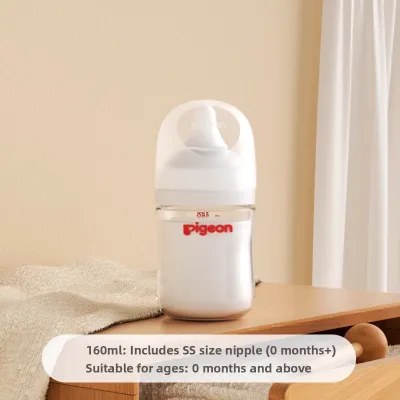
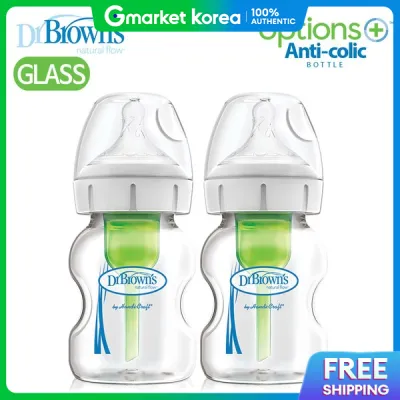
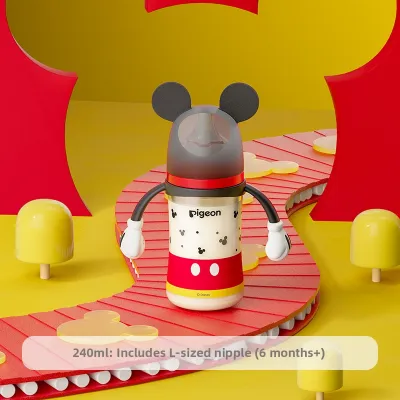
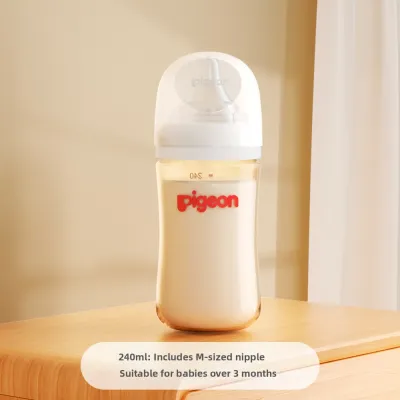
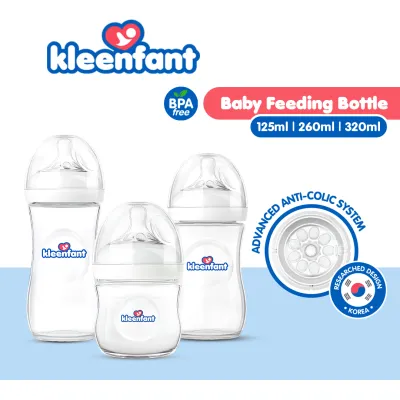
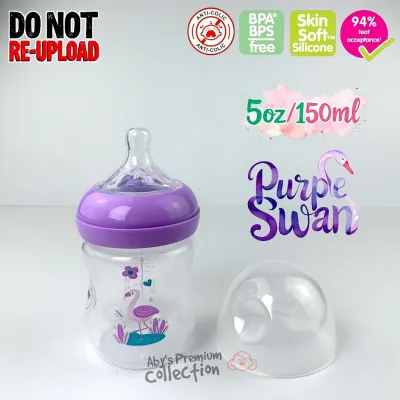
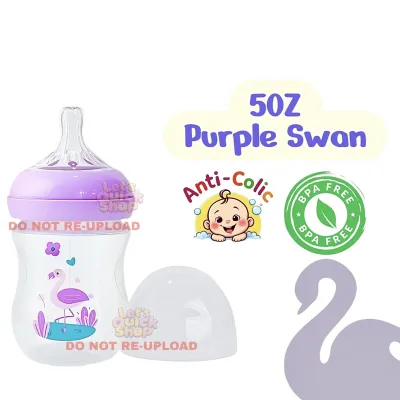
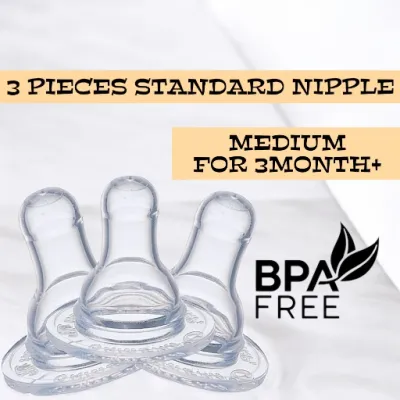
Prices are valid at publication and may change. Please refer to the product page for the latest price.
Glass Feeding Bottles: Pros, Cons, and Ideal Use Cases
Glass feeding bottles have been a trusted household staple for generations, and they remain highly popular among parents seeking a traditional, chemical-free option. The primary appeal of glass lies in its completely non-porous surface. Unlike other materials, high-quality glass does not absorb milk fats, odors, colors, or formula residues over time. This makes glass bottles exceptionally easy to clean, as they do not develop the stubborn, greasy film that can sometimes cling to plastic or silicone. Furthermore, glass is naturally free from chemical leaching concerns, meaning parents do not have to worry about the presence of industrial chemicals or synthetic compounds.

Another major benefit of glass is its structural durability. Glass does not scratch, meaning there are no microscopic grooves where bacteria or mold can hide. It can withstand repeated exposure to high temperatures without degrading, clouding, or warping. This makes glass highly compatible with intensive sterilization methods, including prolonged boiling, heavy steam cycles, and electric sterilizers.
However, the weight and fragility of glass are significant drawbacks. Glass bottles are considerably heavier than their plastic and silicone counterparts, which can cause hand fatigue during long, late-night feeding sessions. More importantly, glass poses a real breakage risk. In households with hard flooring—such as the ceramic tiles common in many tropical homes—a single dropped bottle can shatter into dangerous shards, creating an immediate safety hazard for both caregivers and crawling babies.
To mitigate these risks, many parents use protective silicone sleeves. These sleeves slip over the glass body to improve your grip, absorb minor impacts, and help contain the glass if a break does occur. Even with a sleeve, you must inspect glass bottles before every single use. Run your fingers along the rim and base to check for hairline cracks, chips, or deep scratches, and discard the bottle immediately if you detect any damage. Additionally, be mindful of thermal shock; glass can crack if subjected to sudden, extreme temperature changes, such as pouring boiling water directly into a cold bottle. Always check the manufacturer’s care instructions to verify the specific thermal shock limits of your glass bottles.
Ideal Use Cases: Glass is best suited for the newborn stage when parents or caregivers are doing all the holding and feeding. It is also an excellent option for families who primarily feed at home, have carpeted or cushioned flooring, and prioritize a highly hygienic, scratch-resistant surface that can last through multiple children.
Plastic Feeding Bottles: Pros, Cons, and Ideal Use Cases
Plastic feeding bottles are widely favored for their unmatched practicality, lightweight design, and affordability. For busy parents managing a hectic daily schedule, the shatterproof nature of plastic provides immense peace of mind. You do not have to worry about a bottle dropping on a tiled kitchen floor or breaking inside a packed diaper bag. Because plastic is extremely lightweight, it is also the easiest material for babies to grasp as they develop their fine motor skills and begin to transition toward self-feeding.
Despite these practical benefits, plastic bottles require careful management and regular replacement. The material is inherently softer than glass, making it highly prone to micro-scratches from standard nylon bottle brushes. These microscopic scratches can become breeding grounds for bacteria and can trap stubborn milk fats, leading to lingering odors and a cloudy, discolored appearance. Plastic is also more sensitive to high temperatures; over time, repeated exposure to boiling water or steam can cause the material to warp, degrade, or release microplastics.
When shopping for plastic feeding bottles, it is essential to understand the different types of plastic available. The most common and budget-friendly option is Polypropylene (PP), which is highly flexible but has a lower heat tolerance and wears out relatively quickly. For parents seeking a more durable option, Polyphenylsulfone (PPSU) is a premium, medical-grade plastic characterized by its distinct honey-colored tint. PPSU is exceptionally durable, highly scratch-resistant, and can withstand temperatures up to 180°C, making it much more resilient during sterilization than standard PP plastic.
To maintain the safety of plastic bottles, always verify that the packaging is explicitly labeled “BPA-free” and “BPS-free.” Avoid cleaning plastic bottles with harsh abrasive sponges or metal-bristled brushes; instead, use soft silicone brushes or sponge-tipped cleaners designed specifically for baby gear. Never heat plastic bottles in a microwave, as this can create uneven “hot spots” in the milk that can burn your baby’s mouth, and the intense localized heat can accelerate the breakdown of the plastic. Inspect plastic bottles regularly under a bright light; if you notice any deep scratches, cloudiness, persistent odors, or warping, replace the bottle immediately.
Ideal Use Cases: Plastic is the ideal choice for travel, outdoor excursions, and daycare centers where glass is often prohibited for safety reasons. It is also highly suitable for older babies and toddlers who are learning to hold their own bottles during feeds.
Silicone Feeding Bottles: Pros, Cons, and Ideal Use Cases
Silicone feeding bottles represent a modern, innovative alternative that successfully bridges the gap between the safety of glass and the durability of plastic. Made from high-quality, food-grade or medical-grade silicone, these bottles are soft, flexible, and uniquely squeezable. This pliable texture is designed to mimic the natural feel of a mother’s breast, providing a comforting tactile experience for infants. For babies who struggle with bottle acceptance or those transitioning back and forth between direct breastfeeding and bottle-feeding, the squeezable nature of silicone can help ease the transition.
In terms of safety and durability, silicone is highly heat-resistant, shatterproof, and lightweight. It does not leach chemicals, and it is highly resistant to cracking or warping under extreme temperatures. This allows parents to sterilize silicone bottles using boiling water, steam, or UV sterilizers without worrying about material degradation.
However, silicone does have unique maintenance challenges. Due to its natural surface properties, silicone can easily attract dust, lint, and pet hair, especially in dry or static-prone environments. It also has a tendency to retain oily residues from breast milk or formula. If not washed thoroughly with a dedicated baby-safe dishwashing liquid that cuts through grease, a cloudy, sticky film can build up on the interior walls. Additionally, silicone bottles tend to have a higher upfront cost, with premium brands priced significantly higher than standard PP plastic options.
When caring for silicone bottles, ensure you wash them immediately after feeding to prevent milk fats from drying and clinging to the surface. If a greasy residue or stubborn odor develops, a gentle soak in warm water mixed with a small amount of baking soda can help restore the material’s clarity. Always check the manufacturer’s specific guidelines regarding sterilization. While the silicone body itself is highly heat-tolerant, the bottle’s collar, cap, and sealing rings are often made of plastic, which may have lower temperature limits and can warp if boiled for too long or exposed to direct heat sources.
Ideal Use Cases: Silicone is highly recommended for breastfed babies who are experiencing nipple confusion or bottle refusal. It is also an excellent choice for parents who want a lightweight, durable, and chemical-free bottle but want to avoid the weight and breakage risks associated with glass.
Direct Comparison: Safety, Durability, and Daily Maintenance
To help you visualize how these materials compare across key daily usability metrics, review the summary table below. Note that heat resistance guidelines can vary significantly by brand, so you must always verify the exact temperature limits printed on your specific product’s packaging.
| Material | Weight | Breakage Risk | General Heat Resistance Guideline | Replacement Trigger |
|---|---|---|---|---|
| Glass | Heavy | High | Very High (Check label for thermal shock limits) | Replace immediately if chipped, cracked, or deeply scratched |
| PP Plastic | Very Lightweight | None | Moderate (Avoid prolonged boiling; check label) | Replace every 4–6 months, or sooner if cloudy, scratched, or discolored |
| PPSU Plastic | Lightweight | None | High (Withstands up to 180°C; check label) | Replace every 8–12 months, or if heavily scratched or cloudy |
| Silicone | Lightweight | None | High (Body is highly heat-resistant; check plastic collar limits) | Replace if sticky, torn, or showing signs of structural wear |
Lifecycle and Cost Considerations
When evaluating the long-term value of your feeding bottles, it is important to look beyond the initial purchase price. Standard PP plastic bottles are highly affordable upfront, with individual bottles often costing between ₱150 and ₱300. However, because they scratch easily and degrade under high heat, they require frequent replacement—typically every 4 to 6 months. This recurring cost can add up over your baby’s first year.
In contrast, glass bottles have a higher initial cost but can last indefinitely if they are not broken, chipped, or cracked, representing excellent long-term value. Premium PPSU plastic and medical-grade silicone bottles sit at the higher end of the price spectrum, often ranging from ₱600 to over ₱1,300 per bottle. While expensive upfront, their superior durability and high heat resistance mean they do not need to be replaced nearly as often as standard PP plastic, making them a cost-effective choice over time.
Nipple Compatibility and Flow Rates
Remember that the bottle material is entirely separate from the nipple material. Most bottle nipples are made of medical-grade silicone, which is durable and hypoallergenic, though some are made of natural latex, which is softer but wears out much faster and can trigger latex allergies.
Regardless of the bottle material you choose, you must select a nipple with a flow rate that matches your baby’s developmental stage. Newborns require a slow-flow nipple to prevent choking and overfeeding, while older infants need faster-flow nipples to prevent frustration during feeds. Regularly inspect nipples for signs of wear—such as thinning, stickiness, swelling, or a flow that has become too fast—and replace them immediately to ensure a safe feeding experience.
How to Decide: Matching the Material to Your Family's Routine
Selecting the right feeding bottle is ultimately about finding the material that seamlessly integrates into your daily life. To help you finalize your decision, consider which of the following scenarios best describes your family’s routine:
- Choose Glass if: You primarily feed your baby at home, prioritize maximum chemical purity, and want a scratch-resistant material that can be thoroughly sterilized and reused for future siblings. Glass is also ideal if you do not mind the extra weight and are comfortable handling the bottle carefully over carpeted or cushioned surfaces.
- Choose Plastic if: You need a lightweight, budget-friendly, and completely shatterproof option for travel, outdoor trips, or daycare. Plastic is also the practical choice if your baby is reaching the developmental milestone of holding their own bottle, as it eliminates the risk of injury from dropped glass.
- Choose Silicone if: You are navigating the transition from breastfeeding to bottle-feeding and want a soft, squeezable bottle that mimics the natural feel of skin. It is also perfect for parents who want a highly durable, lightweight, and chemical-free alternative to glass without the risk of breakage.
Verify Your Sterilization Setup First
Before purchasing a complete set of bottles, verify the compatibility of your home sterilization equipment. If you use a UV sterilizer, be aware that prolonged exposure to UV light can accelerate the degradation of certain plastics (especially PP) and latex nipples, causing them to become brittle or discolored. Conversely, if you use a steam sterilizer or boil your bottles, ensure that the material—especially the plastic collars and caps on silicone bottles—can withstand the operating temperatures of your machine. Always read the specific product’s care label and safety warnings to ensure proper maintenance and to protect your investment.
Frequently Asked Questions (FAQ)
Can I mix different bottle materials for my baby?
Yes, it is perfectly safe to use a combination of different bottle materials. Many parents find it highly practical to use glass bottles for controlled feedings at home and switch to lightweight plastic or silicone bottles when traveling or sending their child to daycare. If you do mix materials, ensure that the nipples and collars are compatible with the bottle bodies you are using. Monitor your baby to see if they show a strong preference for a specific bottle weight, shape, or nipple texture, as some infants can be sensitive to these differences.
How often should I replace my baby's feeding bottles?
Replacement frequency depends entirely on the bottle’s material and its physical condition. Standard PP plastic bottles should generally be replaced every 4 to 6 months, or immediately if they become cloudy, heavily scratched, or discolored. Premium PPSU plastic bottles can last 8 to 12 months with proper care. Glass bottles do not have a set expiration date and can last indefinitely, but they must be discarded instantly if you detect any chips, cracks, or deep scratches. Silicone bottles should be replaced if they become sticky, cloudy, torn, or show signs of structural wear. Always defer to the manufacturer’s specific lifespan recommendations.
Are all plastic feeding bottles safe for boiling?
No, not all plastic feeding bottles are safe for boiling. While many modern baby bottles are designed to withstand high temperatures, different types of plastic have varying heat tolerances. Standard Polypropylene (PP) plastic can warp or degrade if boiled excessively or if allowed to touch the hot bottom or sides of a pot. Premium Polyphenylsulfone (PPSU) plastic is much more heat-resistant and can safely withstand boiling. Always check the manufacturer’s maximum temperature rating and recommended sterilization methods (such as steam, UV, or boiling) printed on the packaging to prevent damage to the bottle.

Community discussion
Share your experience or ask a question. Comments are reviewed before publication.