
Quick Answer: Evaluating Bottle Materials for Newborn Safety
Choosing a newborn feeding bottle involves balancing chemical purity with physical safety. Glass offers excellent chemical inertness but carries a breakage risk. Plastic provides lightweight convenience but requires careful monitoring for wear and chemical degradation. Silicone offers a flexible, shatterproof middle ground but can retain odors and requires verification of its material grade.
Ultimately, the safest bottle is one that matches your daily sterilization routine, is used according to the manufacturer’s age-appropriate guidelines, and is replaced at the first sign of wear. In the humid, tropical climate of the Philippines, where moisture can encourage bacterial growth on compromised surfaces, selecting a material you can clean and inspect easily is paramount. No single material is universally perfect; the final choice balances health precautions with daily handling risks and lifestyle needs.
Glass Bottles: Purity and Heat Resistance
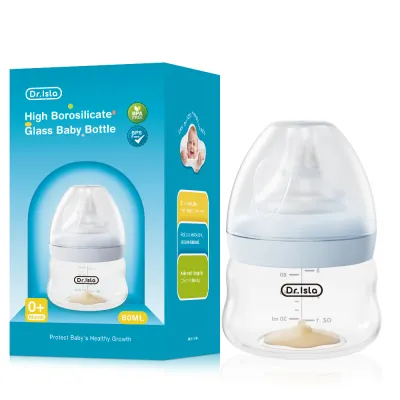
Glass is favored by parents seeking chemical purity. Made from natural silica, it is inherently inert and lacks synthetic polymers, preventing chemical leaching during high-temperature sterilization or warming. For newborns with developing immune systems, this chemical stability offers peace of mind.
Products mentioned in this guide
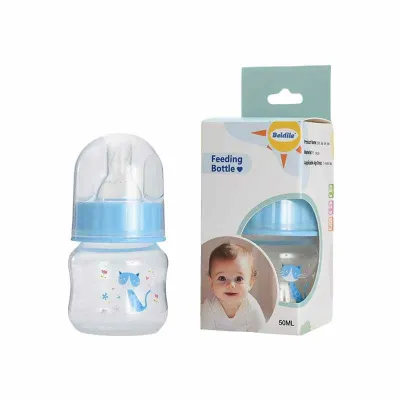
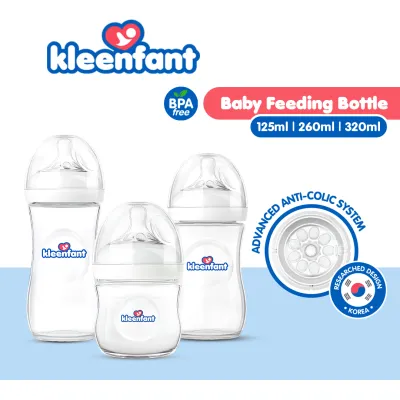
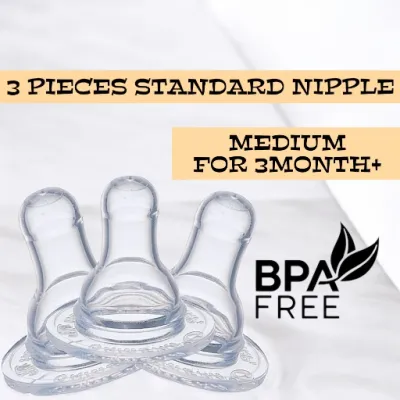
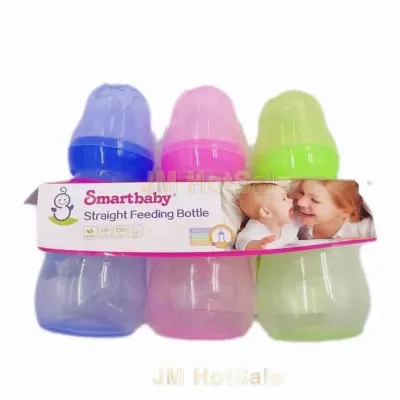
Prices are valid at publication and may change. Please refer to the product page for the latest price.

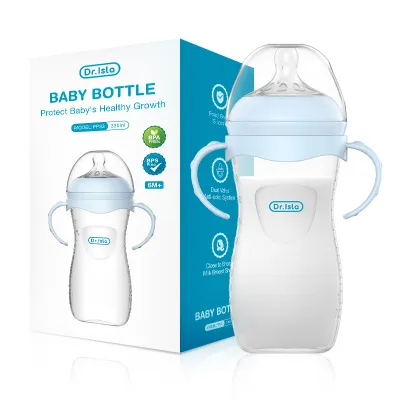
However, glass presents physical handling challenges. It is heavier than plastic or silicone, which can cause hand fatigue during late-night feedings. Glass can also shatter or chip if dropped on hard floors, creating a safety hazard. To mitigate this, many parents use protective silicone sleeves to improve grip and absorb impacts. Caregivers must always supervise feedings and inspect glass bottles before every use.
When shopping, check the packaging for the glass type. Borosilicate glass is highly resistant to thermal shock, allowing it to transition from cold refrigeration to hot water without cracking. Soda-lime glass is more sensitive to extreme temperature changes and requires gradual warming.
Plastic Bottles: Convenience and Chemical Concerns
Plastic bottles are popular due to their lightweight, shatterproof design, making them highly convenient for travel. However, using plastic safely requires understanding its chemical composition and how it reacts to heat and wear.
When selecting a plastic newborn feeding bottle, verify the chemical safety labels on the packaging. Look for explicit “BPA-free” and “BPS-free” designations. Bisphenol A (BPA) and Bisphenol S (BPS) are synthetic compounds that can leach into liquids under high heat. Note that a “BPA-free” label does not guarantee the absence of all synthetic compounds; it simply means that specific chemical is absent. Look for high-quality plastics like Polypropylene (PP), Polyethersulfone (PES), or Polyphenylsulfone (PPSU), which withstand higher temperatures.
Heating practices are critical. Never microwave plastic bottles or boil them unless the manufacturer’s instructions explicitly state it is safe. High heat can accelerate polymer degradation, increasing leaching risks. Instead, warm milk in a separate glass container or use a dedicated bottle warmer.
Regular inspection is vital. In warm, humid environments, micro-scratches on inner plastic walls can harbor moisture and bacteria. Inspect bottles under bright light regularly. Discard and replace the bottle immediately if you notice cloudiness, persistent odors, deep scratches, or warping.
Silicone Bottles: Flexibility and Material Standards
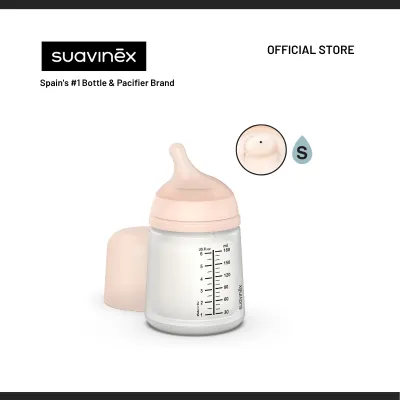
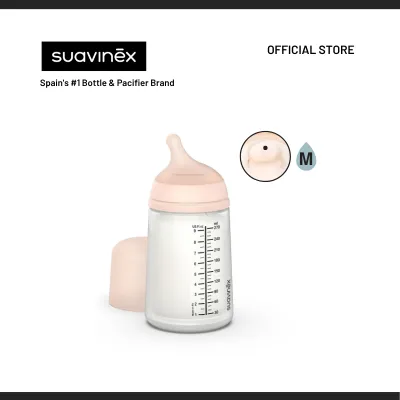
Silicone is a modern alternative combining flexibility, durability, and chemical stability. Made from silicon and oxygen, these bottles have a soft, breast-like texture that many newborns find comfortable. They are shatterproof and lightweight, eliminating the breakage risks of glass while avoiding many chemical concerns of traditional plastics.
However, parents must verify the material standards on the packaging. Look for bottles labeled as “food-grade” or “medical-grade” silicone. Medical-grade silicone undergoes more rigorous purification processes, making it the preferred choice for newborn feeding equipment. Read the manufacturer’s documentation to confirm these claims.
While durable, silicone has specific maintenance needs. The material is naturally porous and can retain food odors or soapy tastes if not washed thoroughly. Additionally, silicone can degrade if exposed to unauthorized high heat, such as prolonged boiling or dry heat sterilization. Always check the manufacturer’s temperature limits before using steam or UV sterilizers.
Finally, inspect the entire bottle assembly. Some bottles marketed as “silicone” only feature a silicone body, while the collar, cap, and venting systems are plastic. Verify the materials used for every component to ensure you clean and heat each part safely.
How to Verify Safety Claims on Bottle Packaging
Navigating the baby aisle can be overwhelming. To make an informed decision, parents must look past marketing buzzwords and focus on verifiable material specifications.
Identify the specific polymer codes and material designations printed on the packaging or molded into the bottle. For plastics, look for high-performance materials like PPSU or PES. Avoid bottles using vague terms like “eco-friendly” or “natural” without specifying the exact chemical composition. These terms are often unregulated and do not guarantee chemical safety or heat resistance.
Next, verify that the bottle is appropriate for your baby’s specific age and developmental stage. Newborn feeding bottles typically feature slow-flow nipples to prevent choking. The packaging should clearly state the recommended age range, such as “0m+” or “newborn.”
Finally, consult pediatric guidelines and local health authority recommendations. In the Philippines, the Department of Health provides valuable resources on safe feeding practices. Before purchasing, check for active product recalls or safety alerts issued by consumer protection agencies to ensure the model is fully compliant with current safety standards.
Cleaning and Sterilization Rules by Material
Proper cleaning and sterilization protect your newborn’s developing immune system from harmful pathogens. However, the sterilization method must align with the specific material to prevent damage and chemical leaching.
Glass bottles offer the highest heat tolerance, making them compatible with boiling, electric steam, and UV sterilizers. Because glass does not degrade under high heat, you can sterilize it frequently without structural wear. Always allow glass bottles to cool down gradually to prevent thermal shock.
Plastics and silicones require much stricter temperature and time limits. Some plastics warp or release chemicals if exposed to temperatures exceeding their rated limits. Read the manufacturer’s instructions to determine if your bottle is compatible with steam, boiling, or UV sterilization. For instance, UV sterilizers can accelerate the aging and discoloration of certain plastics and silicones, requiring more frequent replacements.
Regardless of the material, establish clear stopping conditions. Immediately discard and replace any bottle showing signs of physical damage. For glass, this means chips, cracks, or deep scratches. For plastic and silicone, look for warping, persistent discoloration, sticky surfaces, or a cloudy appearance that does not clear after washing.
Frequently Asked Questions (FAQ)
Can I mix different bottle materials for my newborn?
Yes, mixing different bottle materials is a practical strategy. For example, you might prefer using glass bottles at home for their chemical purity, while opting for lightweight plastic or silicone bottles when traveling or visiting relatives. This approach allows you to leverage the unique benefits of each material depending on the situation.
If you choose to mix materials, follow the specific heating, cleaning, and sterilization guidelines for each individual bottle. Additionally, verify that the nipples, collars, and caps are fully compatible and create a secure, leak-proof seal. Avoid mixing parts from different brands unless the manufacturer explicitly states they are interchangeable, as a poor fit can cause leaks or alter the milk flow rate.
Do I need to replace plastic bottles more often than glass?
Yes, plastic bottles generally require more frequent replacement than glass. Plastic is a softer material susceptible to physical wear, micro-scratches, and chemical degradation from repeated heating and sterilization. Over time, these micro-scratches can harbor bacteria and make the bottle difficult to clean thoroughly, especially in humid tropical climates. Most manufacturers recommend replacing plastic bottles every three to six months, or sooner if you notice signs of wear.
In contrast, glass bottles do not degrade from heat or sterilization and can last indefinitely if they remain undamaged. However, you must inspect glass bottles daily for any minor chips, hairline cracks, or structural weaknesses. If a glass bottle is dropped or shows any sign of damage, it must be discarded immediately to prevent injury.

Community discussion
Share your experience or ask a question. Comments are reviewed before publication.