
When your baby transitions into an active, independent toddler, choosing the right feeding gear becomes a completely different task. Finding the safest dede bottle for toddler use means looking beyond the basic hygiene needs of a newborn and focusing on the physical realities of toddlerhood. At this stage, food-grade or medical-grade silicone stands out as the most practical and safest overall material for independent toddlers due to its shatterproof nature, lightweight body, and soft, chewable texture.
While glass offers the ultimate chemical purity, its heavy weight and high risk of breaking make it a hazard for toddlers who love to throw or drop their things. Plastic bottles are incredibly lightweight and highly shatterproof, but they require parents to be vigilant about checking for BPA-free labels and replacing them frequently when micro-scratches appear. Balancing these material characteristics against your child’s daily habits will help you choose a bottle that is both physically safe and chemically secure.
How Toddler Habits Dictate Bottle Safety and Practicality
Toddlers interact with their environment through constant movement, exploration, and sensory testing. Unlike a newborn who is cradled in your arms during a feed, a toddler wants to walk, run, and climb while holding their bottle. This means the bottle will inevitably be dropped, tossed, or slammed onto the floor, making shatter resistance a primary safety requirement.
Products mentioned in this guide
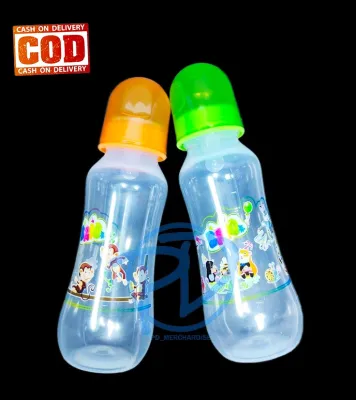
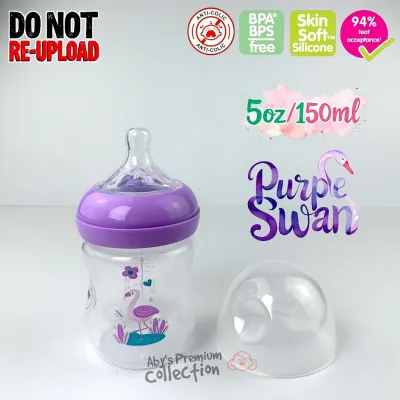
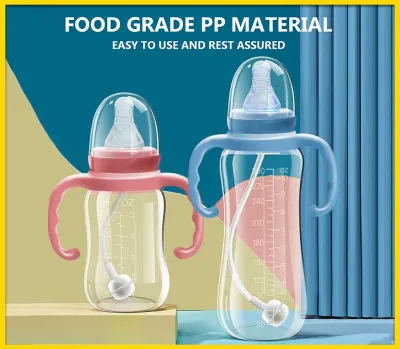
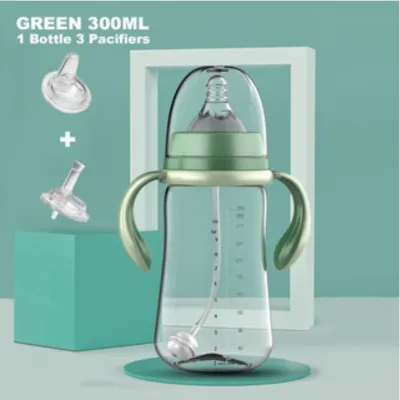
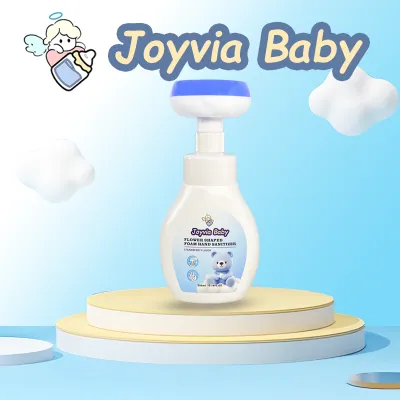
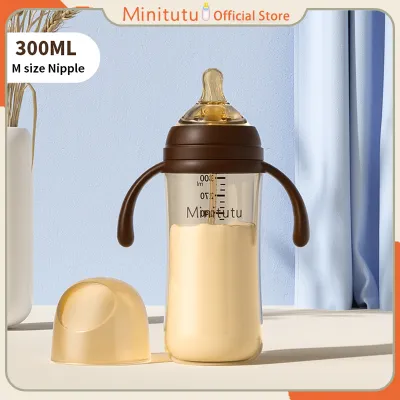
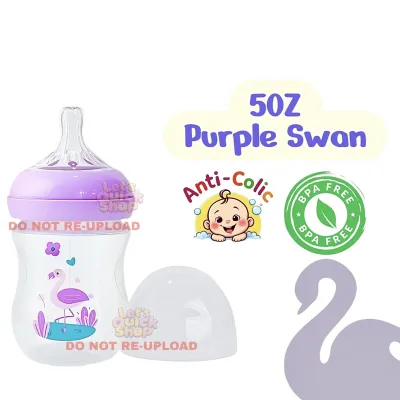
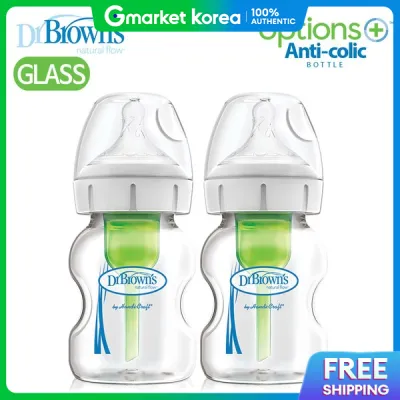
Prices are valid at publication and may change. Please refer to the product page for the latest price.
Teething is another crucial factor that changes how we evaluate bottle safety. Toddlers often chew aggressively on the bottle teat, collar, and even the body of the bottle to soothe their sore gums. If the material is too hard, it can hurt their developing teeth; if it is too weak, they can bite off small pieces, creating a severe choking hazard.
To make an informed decision, caregivers must evaluate bottle materials across four essential metrics: weight, grip texture, chemical stability under high heat, and physical durability. A bottle that was perfect for a supervised infant may pose unnecessary risks when handed to an energetic toddler who is determined to drink independently.
Glass Bottles: Chemical Purity vs. Breakage Risks
Glass has long been the gold standard for infant feeding because of its exceptional chemical purity. Made from natural materials, high-quality borosilicate glass does not leach chemicals, absorb strong milk odors, or retain stubborn stains. It is highly resistant to scratching, meaning you can scrub it repeatedly with bottle brushes without creating tiny crevices where harmful bacteria can hide.

However, the weight and fragility of glass make it highly impractical for the toddler stage. Toddlers lack the refined motor skills and hand strength to hold heavy glass bottles comfortably for long periods. If a toddler drops a glass bottle onto a hard surface, such as the ceramic tiles common in many kitchens and dining areas, the bottle can shatter instantly into tiny, sharp shards that pose an immediate cut hazard to little feet.
Because of these safety boundaries, glass bottles are best reserved for quiet, fully supervised feeding sessions, such as right before bedtime. If you choose to use glass for your toddler’s daily independent drinking, you must pair the bottle with a thick, shock-absorbing silicone protective sleeve. Even with a sleeve, you should always inspect the glass body carefully for hairline cracks or chips before every single use.
Plastic Bottles: Lightweight Grip vs. Wear and Tear
Plastic bottles are incredibly popular because they are lightweight, inexpensive, and virtually shatterproof. They are exceptionally easy for small toddler hands to grip, tilt, and carry around without causing fatigue. If a plastic bottle is dropped from a high chair or thrown across the room, it simply bounces without breaking, making it highly convenient for busy households.
Despite these benefits, plastic has significant long-term safety and maintenance drawbacks. Plastic is a relatively soft material that scratches easily during routine cleaning with stiff bottle brushes. These micro-scratches quickly become breeding grounds for bacteria and can make the bottle difficult to sterilize thoroughly. Furthermore, plastic can degrade over time when exposed to high heat during sterilization, potentially releasing chemical compounds if the material is low-quality.
If you decide to use plastic, you must strictly verify that the packaging is labeled as BPA-free, BPS-free, and BPF-free. To maintain safety, avoid heating plastic bottles in the microwave, as uneven heating can create hot spots in the milk and accelerate the degradation of the plastic. Caregivers must inspect plastic bottles regularly and discard them immediately if they become cloudy, heavily scratched, or if the toddler has chewed the rim or collar.
Silicone Bottles: The Most Practical Choice for Independent Toddlers
Food-grade and medical-grade silicone bottles offer an excellent middle ground, combining the shatterproof benefits of plastic with the chemical stability of glass. Silicone is naturally lightweight and features a soft, flexible, and slightly grippy texture that is perfect for small hands to hold securely. Because the material is soft and pliable, it is completely safe for teething toddlers who like to bite down on the bottle body or collar.
From a chemical perspective, high-quality silicone is highly stable and can withstand extreme temperatures without warping or leaching harmful chemicals. It does not scratch as easily as plastic, making it much easier to keep clean and hygienic over months of daily use. It is also completely shatterproof, giving parents peace of mind when their toddler inevitably drops the bottle on hard floors.
On the downside, silicone has a slightly tacky surface that can attract dust, hair, and lint if dropped on the floor, requiring frequent rinsing. It can also absorb strong food odors or soap scents if not washed promptly with mild, fragrance-free dish soap. When purchasing silicone bottles, always check the manufacturer’s specifications to verify that the product is made of 100% pure food-grade or medical-grade silicone, free from cheap plastic fillers.
Material Showdown: Which Bottle Fits Your Toddler's Routine?
To help you quickly compare your options, this table outlines how each material performs across the most critical safety and practical dimensions for toddlers:
| Evaluation Dimension | Glass Bottles | Plastic Bottles | Silicone Bottles |
|---|---|---|---|
| Shatter Resistance | Low (High risk of breaking on hard floors) | High (Shatterproof and highly durable) | High (Flexible, bouncy, and unbreakable) |
| Weight & Grip | Heavy; slippery when wet or soapy | Very lightweight; easy to hold | Lightweight; soft, naturally grippy texture |
| Chemical Stability | Excellent; zero leaching or odor retention | Moderate; can degrade under high heat | Excellent; highly stable and heat-resistant |
| Chewability | Poor; hard surface can hurt teeth | Poor; hard plastic can be damaged by biting | Excellent; soft and safe for teething gums |
| Best Use Case | Supervised, quiet feeding sessions | On-the-go travel and lightweight convenience | Daily independent drinking and active play |
When making your final decision, consider your toddler’s current level of independence. If your child is highly active and insists on carrying their bottle everywhere, silicone offers the most balanced, worry-free performance. If you prioritize easy cleaning and absolute chemical purity for supervised milk times, a sleeved glass bottle remains an excellent choice.
Safe Cleaning and Sterilizing Rules for Each Material
Keeping your toddler’s bottles clean requires different approaches depending on the material you choose. Always read and follow the manufacturer’s specific care instructions before cleaning or sterilizing any feeding equipment to prevent premature wear or damage.
- Glass: Glass bottles can easily withstand high-heat sterilization methods, including boiling water, electric steam sterilizers, and UV sterilizers. However, you must protect glass from sudden, extreme temperature changes—known as thermal shock. Avoid pouring boiling water directly into a cold glass bottle, or plunging a hot, freshly sterilized bottle into cold water, as this can cause the glass to crack instantly.
- Plastic: Plastic bottles require gentle handling to prevent damage. Use a soft sponge or a silicone bottle brush rather than a stiff nylon brush to avoid creating micro-scratches. Always check the manufacturer's maximum temperature limit before boiling or steam sterilizing plastic. Avoid using UV sterilizers for plastic bottles unless the brand explicitly states it is safe, as prolonged UV exposure can cause certain plastics to become brittle and yellow.
- Silicone: Silicone is highly heat-resistant and can be safely boiled, steam-sterilized, or washed in the top rack of a dishwasher. Because silicone can sometimes absorb odors, wash the bottle immediately after use with warm water and a mild, fragrance-free dish soap. If you use a UV sterilizer, check the manufacturer's manual first, as constant UV exposure may cause some silicone materials to discolor over time.
Regardless of the material, always ensure that all bottle parts are completely dry before assembling and storing them. In warm, humid tropical climates, damp bottles can quickly grow mold or mildew, so dry them in a well-ventilated area or on a clean drying rack away from direct sunlight.
Frequently Asked Questions (FAQ)
Can I use a glass bottle with a silicone sleeve for my toddler?
Yes, using a thick silicone sleeve is an excellent way to make glass bottles safer for toddlers. The sleeve provides a much better grip for small hands and acts as a shock absorber during minor drops. However, a sleeve does not make glass completely unbreakable. A heavy impact on a hard tile floor can still shatter the glass inside the sleeve, so you must always supervise your toddler during use and inspect the bottle regularly for hidden cracks.
How often should I replace my toddler's plastic or silicone bottle?
Plastic bottles should generally be replaced every 4 to 6 months, or immediately if they show signs of cloudiness, deep scratches, warping, or persistent odors. Silicone bottles are much more durable and can last longer, but you should replace them immediately if the material becomes sticky to the touch, develops tears, or shows deep chew marks from teething that cannot be cleaned thoroughly.
Is PPSU plastic safer than standard PP plastic for toddlers?
PPSU (Polyphenylsulfone) is a medical-grade plastic that offers significantly higher heat resistance and scratch durability compared to standard PP (Polypropylene) plastic. This makes PPSU a safer, longer-lasting plastic option because it can withstand repeated high-heat sterilization without degrading or scratching easily. However, both materials must be verified as BPA-free, and both will eventually require replacement if they show signs of physical wear.

Community discussion
Share your experience or ask a question. Comments are reviewed before publication.