
When storing expressed breastmilk, choosing the right bottle material is a critical decision for your baby’s safety and nutrition. Many parents wonder whether glass, plastic, or silicone is the safest option. The reality is that all three materials can be used safely, provided they meet food-grade standards, are handled correctly, and are replaced at the first sign of wear. Rather than looking for a single winner, the key is to understand how each material behaves under different temperatures, how easily it can be cleaned, and how well it fits into your daily pumping and feeding routine.
In a tropical climate like the Philippines, where high humidity and warm temperatures accelerate bacterial growth, maintaining strict hygiene is paramount. The way a bottle material interacts with heat during sterilization, how it resists scratches where bacteria can hide, and how easily it can be transported from office to home all play critical roles in keeping your milk safe. By evaluating the unique properties of glass, plastic, and silicone, you can build a secure and practical breastmilk storage system that protects both the nutritional value of your milk and your peace of mind.
Core Safety Standards for Breastmilk Storage Bottles
Before comparing specific materials, it is essential to understand the baseline safety standards that apply to any container used for breastmilk. Marketing terms like “baby-safe” are common, but parents should look for concrete certifications. Any bottle used for storing breastmilk must be explicitly labeled as food-grade and compliant with international food safety standards, such as those set by the US Food and Drug Administration (FDA) or European food contact regulations. These certifications ensure that the material does not leach harmful chemicals into the milk during storage, heating, or sterilization.
Products mentioned in this guide
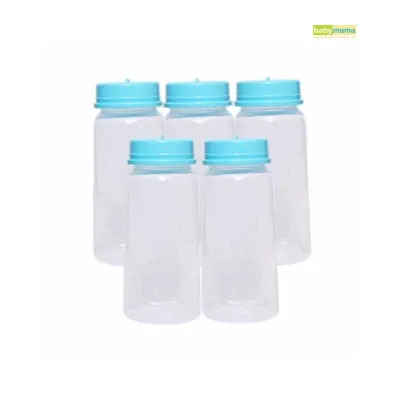
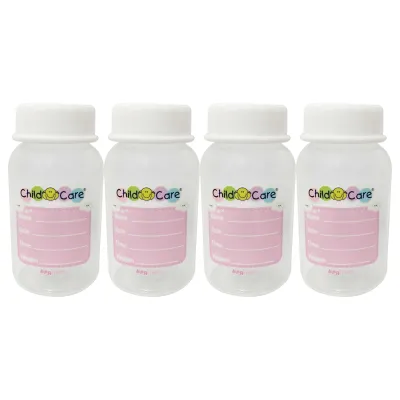
Prices are valid at publication and may change. Please refer to the product page for the latest price.
For many years, the primary concern with plastic baby bottles was Bisphenol A (BPA), a chemical used to harden plastics that was found to mimic hormones. While global regulations have largely eliminated BPA from baby products, some manufacturers use alternative chemicals like Bisphenol S (BPS) to achieve the same structural properties. To ensure maximum safety, look for bottles that are explicitly certified as both BPA-free and BPS-free. Beyond these chemical labels, the structural integrity of the bottle is what matters most. A bottle made of high-purity materials will resist degradation, cracking, and chemical leaching even after hundreds of heating and cooling cycles.
Glass, Plastic, and Silicone: A Practical Comparison
Each bottle material has distinct physical characteristics that affect how you handle, clean, and store breastmilk. Glass is heavy, rigid, and completely non-porous, making it highly resistant to chemical interactions but vulnerable to physical damage. Plastic is lightweight, shatterproof, and highly versatile, though it is more prone to surface wear over time. Silicone occupies a middle ground, offering a soft, flexible texture that is highly durable but requires specific handling to maintain structural stability and cleanliness.

These physical differences also influence how the materials interact with breastmilk itself. Breastmilk is a complex biological fluid rich in essential fats. Some of these beneficial fats tend to cling to the inner walls of plastic and silicone containers more readily than they do to glass. When warming and swirling the milk, you may notice that the fat layer redistributes more smoothly in a glass bottle. Additionally, cleaning routines must be tailored to each material; while glass can withstand aggressive scrubbing and high-heat sterilization, plastic and silicone require gentler cleaning tools to prevent surface damage that could harbor bacteria.
Glass Bottles
Glass has long been considered a reliable standard for chemical purity in food storage. Because glass is completely non-porous, it does not absorb odors, colors, or flavors from breastmilk or dish soap. This makes it exceptionally easy to clean and sterilize, as there are no microscopic pores or scratches where milk residue can hide. For parents who prioritize a completely inert material that will not leach chemicals, glass is an excellent choice.
However, the primary drawback of glass is its weight and fragility. Handling a heavy glass bottle with wet hands during a late-night feeding can be challenging, and dropping a bottle on a hard tile floor—a common flooring material in Philippine homes—will result in dangerous shards. Furthermore, glass is susceptible to thermal shock. If you transfer a glass bottle directly from a cold refrigerator or freezer into a bowl of hot water, the rapid temperature change can cause the glass to crack or shatter, wasting precious breastmilk and creating a safety hazard.
Plastic Bottles
Plastic bottles are highly popular due to their lightweight, shatterproof nature, making them incredibly convenient for travel, daycare, and pumping on the go. If a plastic bottle slips from your hands onto the floor, it will not break, making it a highly practical option for busy parents. However, plastic is a softer material than glass, meaning it is highly susceptible to micro-scratches from bottle brushes. These tiny scratches can become breeding grounds for bacteria and make the bottle difficult to sterilize completely. Over time, plastic bottles can also become cloudy or retain a sour milk odor.
When choosing plastic, it is important to look at the specific plastic resin code, usually found stamped on the bottom of the bottle. Polypropylene (PP, resin code 5) is the most common and affordable plastic used for baby bottles; it is lightweight but has a limited lifespan and can warp under high heat. Polyphenylene Sulfone (PPSU) is a premium, medical-grade plastic that is naturally honey-colored. PPSU is highly durable, resists scratches much better than PP, and can withstand extreme sterilization temperatures without degrading. While PPSU bottles require a higher initial investment of several hundred pesos (₱) compared to standard PP options, their longevity makes them a highly cost-effective and safe choice for long-term breastmilk storage.
Silicone Bottles
Silicone bottles have gained popularity for their soft, squeezable texture, which closely mimics the feel of skin and can help breastfed babies transition to bottle-feeding. Food-grade silicone is highly temperature-resistant, shatterproof, and free from estrogenic chemicals like BPA and BPS. It can easily transition from the freezer to a warm water bath without any risk of cracking.
Despite these benefits, silicone has unique structural limitations. Because the material is flexible, a silicone bottle can easily be squeezed accidentally during handling, which can cause milk to squirt out of the nipple or collar. While many silicone bottles feature a rigid plastic collar or a wider base to provide stability, they can still tip over more easily than rigid glass or plastic bottles when placed on soft surfaces like a bed or a couch. Additionally, silicone is slightly porous, meaning it can absorb food odors or the scent of heavily fragranced dish soaps if not washed with mild, fragrance-free detergents.
Choosing Based on Your Storage and Heating Routine
To select the best bottle material, you must consider your daily breastmilk management workflow. If your routine involves freezing large quantities of expressed milk for a deep freeze stash, flexibility and expansion space are critical. When breastmilk freezes, it expands. If you freeze milk in glass bottles, you must use tempered glass specifically rated for freezing, and you must leave at least an inch of headspace at the top of the bottle to prevent the expanding liquid from cracking the container. Plastic and silicone bottles are more resilient to this expansion, but they still require adequate headspace to prevent the seals from failing.
Warming methods also differ by material. Glass conducts heat efficiently, allowing milk to warm up quickly in a bowl of warm water, but it also retains heat longer, meaning you must carefully test the milk temperature before feeding. Plastic and silicone do not conduct heat as quickly, so warming milk in these bottles may take slightly longer. Regardless of the material, never use a microwave to warm breastmilk, as it creates dangerous hot spots that can burn your baby’s mouth and destroys the delicate nutrients and antibodies in the milk. Always follow the manufacturer’s specific temperature limits for warming and sterilization.
For working mothers who pump at the office and transport milk home, portability is a major factor. Carrying multiple heavy glass bottles in a cooler bag can be physically taxing and increases the risk of breakage during transit. In this scenario, lightweight plastic (especially durable PPSU) or silicone bottles equipped with secure, leak-proof sealing discs are often the most practical and stress-free choice for daily commuting.
Inspection and Maintenance Rules for All Materials
Regardless of the bottle material you choose, establishing a strict inspection and maintenance routine is the most effective way to ensure your baby’s safety. You should conduct a visual and tactile check of every bottle before each use. Run your fingers along the rims, threads, and inner surfaces to feel for any irregularities.
For glass bottles, immediately discard the container if you detect even a hairline crack, chip, or rough edge, as these can fail under pressure or shed tiny glass particles into the milk. For plastic bottles, look for signs of cloudiness, deep scratches, warping, or a persistent sour odor that does not disappear after thorough washing and sterilization; these are clear indicators that the plastic has degraded and the bottle must be replaced. For silicone bottles, check for stickiness, tears, or deep discoloration, which signal that the material is breaking down. If you notice any signs of material degradation, or if your baby shows signs of feeding discomfort or illness, immediately stop using the bottle and consult a healthcare professional or the manufacturer.
To prolong the lifespan of your bottles and maintain a hygienic surface, avoid using harsh abrasives during cleaning. Stiff nylon bristle brushes and abrasive scouring pads can easily scratch plastic and silicone. Instead, opt for soft sponge brushes or gentle silicone bottle brushes designed specifically for baby products. Always use a mild, fragrance-free dish soap to prevent chemical residues and strong odors from clinging to the bottle walls.
Frequently Asked Questions (FAQ)
Can I freeze breastmilk directly in glass or plastic bottles?
Yes, you can freeze breastmilk directly in both glass and plastic bottles, but you must follow specific safety precautions. If using glass, ensure the bottles are made of tempered, thermal-shock-resistant glass and are explicitly labeled as freezer-safe by the manufacturer. Because breastmilk expands as it freezes, you must leave at least an inch of headspace at the top of both glass and plastic bottles to prevent the expanding liquid from cracking the glass or popping the lids off plastic containers. Never fill a bottle to the brim before freezing.
Do plastic bottles need to be replaced more often than glass or silicone?
Yes, plastic bottles generally need to be replaced more frequently than glass or silicone. Plastic is a softer material that is highly susceptible to micro-scratches from cleaning brushes and daily wear. These tiny scratches can harbor milk proteins and bacteria, making the bottle difficult to sterilize completely. While high-quality glass can last indefinitely if free of chips, and silicone is highly durable, standard polypropylene (PP) plastic bottles should typically be replaced every few months, or immediately if they become cloudy, scratched, warped, or retain a persistent odor. Premium PPSU plastic bottles last longer but still require replacement if scratched.

Community discussion
Share your experience or ask a question. Comments are reviewed before publication.