
Selecting the right 4oz baby bottle is one of the first practical decisions you will make for your newborn. At this early stage, feeding volumes are small, and a 4oz bottle is specifically designed to accommodate these smaller portions while preventing excess air ingestion. However, walking down the baby care aisle or browsing online marketplaces reveals a dizzying array of options made from glass, plastic, and silicone.
There is no single universally safest or best material for a 4oz baby bottle; the right choice depends entirely on your priorities regarding weight, drop resistance, and daily cleaning routines. Glass offers straightforward sterilization but adds weight, plastic is lightweight for travel but requires strict label monitoring for wear, and silicone provides a flexible, soft texture but demands specific care. By understanding the physical traits, safety markers, and maintenance needs of each material, you can select the option that best fits your home environment and feeding routine.
Core Characteristics of Glass, Plastic, and Silicone
Every bottle material has distinct physical properties that dictate how it behaves during feeding, cleaning, and travel. Understanding these fundamental traits helps you set realistic expectations for durability and daily handling.
Products mentioned in this guide
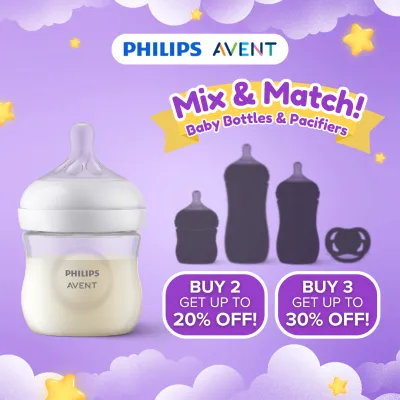
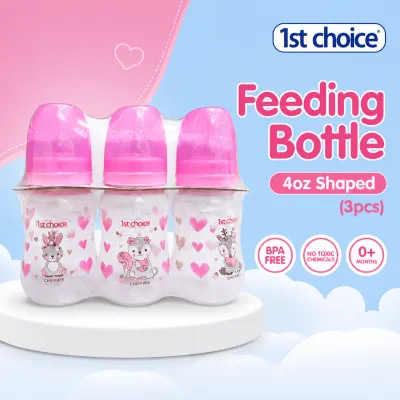
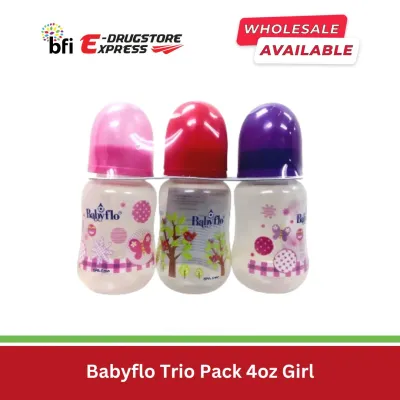
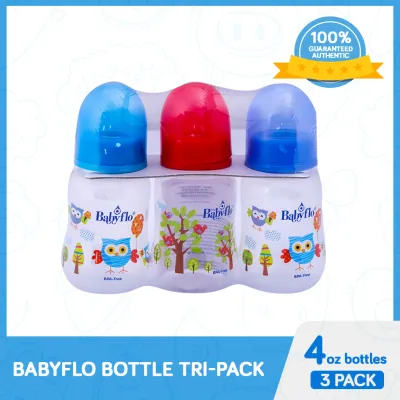
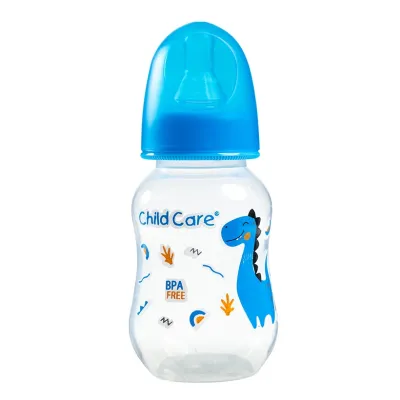
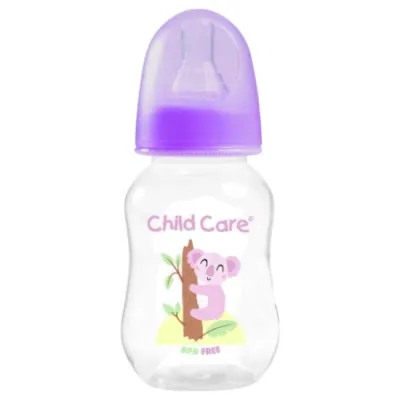
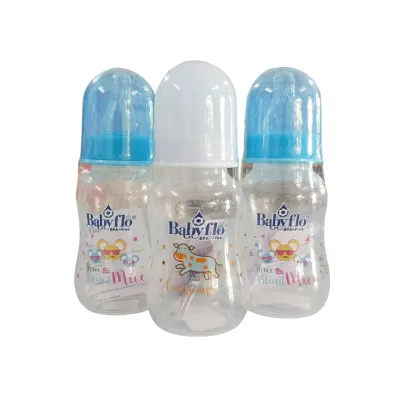
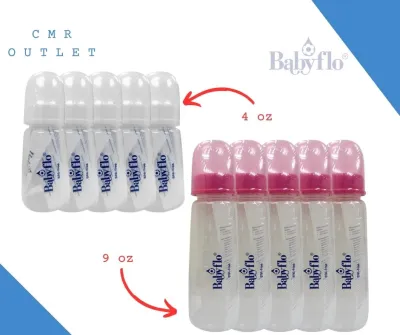
Prices are valid at publication and may change. Please refer to the product page for the latest price.
Glass Bottles
Glass is a traditional material favored for its exceptional chemical stability and resistance to scratching. Because glass is non-porous, it does not absorb odors, colors, or food residues, making it highly straightforward to clean and sterilize. However, glass is naturally heavy, which can contribute to hand fatigue during long, late-night feeding sessions. It is also inherently breakable, meaning a drop onto a hard tile floor can result in dangerous shards, requiring constant caregiver supervision during use.
Plastic Bottles
Plastic remains a highly popular choice due to its lightweight nature and virtually shatterproof design. These bottles are easy to pack in a diaper bag and comfortable for parents—and eventually babies—to hold. The primary drawback of plastic is its susceptibility to micro-scratches over time, which can occur during vigorous scrubbing with bottle brushes. These tiny abrasions can harbor milk residue and bacteria. When choosing plastic, it is absolutely necessary to inspect the packaging for BPA-free and BPS-free labels, and to check the recycling codes on the bottom of the bottle to ensure food-grade quality.
Silicone Bottles
Silicone is a modern, semi-flexible material that offers a soft, skin-like texture, which some parents find helpful when transitioning between breastfeeding and bottle-feeding. It is lightweight, highly drop-resistant, and does not shatter. However, silicone is more pliable than glass or plastic, which can sometimes make the bottle feel less stable when standing upright on a counter. Because silicone is slightly porous, it can retain soapy odors or food smells if not cleaned promptly. It is crucial to verify the manufacturer’s stated heat resistance limits, as some silicone bottles feature rigid plastic collars that cannot tolerate the same high temperatures as the silicone body itself.
Comparing Safety, Durability, and Daily Practicality
Evaluating these materials side-by-side requires looking beyond marketing claims and focusing on verifiable physical traits, safety standards, and how the bottles perform under daily wear and tear.

Safety Checks and Material Origins
When assessing safety, look for clear, standardized food-contact certifications on the packaging rather than vague marketing terms like “natural” or “pure.” For plastic bottles, ensure they are explicitly labeled as free from bisphenol A (BPA) and bisphenol S (BPS). For silicone, look for “100% food-grade silicone” or compliance with recognized international food safety standards. Glass bottles should ideally be made from borosilicate glass, which is more resistant to thermal shock—meaning it is less likely to crack when transitioning from a cold refrigerator to a warm bottle warmer.
Durability and Lifespan
The lifespan of a 4oz bottle varies significantly by material. Glass bottles can theoretically last through multiple children, provided they do not chip or crack. Plastic bottles have the shortest lifespan; they degrade over time due to heat exposure from sterilization and physical wear from cleaning. Silicone bottles are highly durable against physical impacts, but they can discolor or develop a sticky texture over time if exposed to certain dish soaps or high-heat drying cycles. Caregivers must regularly inspect all bottles under direct light to check for physical signs of degradation.
Daily Practicality and Maintenance
Daily practicality often comes down to weight, heating compatibility, and how the material interacts with your local climate. In warm, humid tropical environments, silicone bottles and protective sleeves can trap moisture, requiring extra care to ensure they dry completely in a well-ventilated area to prevent mold. Glass transfers heat very quickly, making it fast to warm up but also hot to the touch immediately after sterilization. Plastic and silicone insulate heat more, meaning they take slightly longer to warm up in a water bath.
| Feature | Glass | Plastic | Silicone |
|---|---|---|---|
| Weight | Heavy | Very Lightweight | Lightweight |
| Drop Resistance | Low (can shatter) | High (shatterproof) | High (shatterproof) |
| Scratch Resistance | High | Low (prone to micro-scratches) | Medium |
| Heat Tolerance | Very High | Moderate (check limits) | High (body only) |
| Primary Care Need | Avoid physical impact | Replace at signs of wear | Ensure thorough drying |
Note: Always verify the exact temperature limits and dishwasher compatibility instructions provided by your specific bottle manufacturer.
How to Choose Based on Your Feeding Routine
No single material fits every household perfectly. Matching the bottle’s physical characteristics to your lifestyle, feeding location, and cleaning habits will lead to the most practical choice.
Choose Glass If:
You primarily feed your baby at home in a controlled environment with carpeted or cushioned flooring, and you prioritize straightforward, high-heat sterilization. Glass is ideal for parents who want a material that will not scratch, stain, or retain odors over months of continuous use, and who do not mind the extra weight during feeding sessions.
Choose Plastic If:
You have an active, on-the-go lifestyle, travel frequently, or need to pack bottles for daycare where glass may be prohibited due to safety policies. Plastic is the most practical option if you want a lightweight, budget-friendly bottle and are diligent about inspecting the bottles regularly and replacing them at the first sign of scratching or cloudiness.
Choose Silicone If:
You want a soft, squeezable bottle that offers a tactile experience similar to breastfeeding, and you want a shatterproof option that is easier to clean than plastic. This is a great fit if you are willing to follow specific washing guidelines, use fragrance-free soaps to prevent odor retention, and ensure the bottles are dried thoroughly in a well-ventilated space.
When Neither May Fit
If your baby consistently rejects the bottle, the issue may not be the bottle material itself, but rather the nipple shape, material flexibility, or flow rate. A 4oz bottle typically comes packaged with a slow-flow or newborn nipple, but individual infant preferences vary widely. If feeding difficulties arise, or if the weight of a specific bottle causes hand strain for the caregiver, it is best to test different nipple shapes or consult a pediatric feeding specialist rather than forcing a specific bottle type.
Essential Verification Checklist Before Buying
Before purchasing any 4oz baby bottle, review the product packaging or manufacturer specifications to verify these critical details:
- Nipple Flow Rate: Confirm that the included nipple is rated for newborns or slow flow, as faster flow rates can cause choking or gas in young infants.
- Temperature Limits: Check the manual for the maximum temperature the bottle can safely withstand, especially if you plan to use a steam sterilizer, UV sterilizer, or high-heat bottle warmer.
- Collar and Accessory Compatibility: If you plan to transition to larger 8oz or 9oz bottles later, verify if the nipples and collars from your 4oz bottles are interchangeable within the same brand line to save on future costs.
- Safety Certifications: Look for clear food-contact safety symbols on the packaging rather than relying on unverified marketing claims.
Frequently Asked Questions (FAQ)
Can I mix different bottle materials for the same baby?
Yes, you can use different bottle materials for the same baby, but doing so requires extra attention to consistency. It is highly recommended to use the same brand and style of nipple across all bottles to ensure your baby does not experience nipple confusion or flow rate frustration. Additionally, keep in mind that mixing materials means managing different cleaning and sterilization routines, as plastic bottles will degrade faster under high heat compared to glass.
How often should I replace plastic or silicone 4oz bottles?
Plastic bottles should generally be replaced every three to six months, or immediately if you observe deep scratches, persistent cloudiness, cracks, or a sticky texture. Silicone bottles can last longer but should be discarded if they develop tears, persistent odors that do not wash out, or if the material becomes sticky or discolored. Regularly inspect the bottles under bright light to catch these physical signs of wear early.
Do 4oz glass bottles need a silicone sleeve?
While not strictly mandatory, a silicone sleeve is highly recommended for 4oz glass bottles. A sleeve improves your grip during late-night feeds when your hands might be tired or slippery, and it offers a basic layer of protection against minor bumps on countertops. However, a sleeve does not make glass completely shatterproof. In humid tropical climates, always remove the silicone sleeve regularly during washing to clean and dry the space between the glass and the sleeve, preventing moisture buildup and mold growth.

Community discussion
Share your experience or ask a question. Comments are reviewed before publication.