
Choosing the best material for an 11 oz feeding bottle depends on balancing weight, durability, and ease of maintenance. At this larger capacity, which is typically introduced as babies grow and consume larger volumes of milk, the physical weight of a full bottle becomes a significant factor. Glass offers excellent durability and chemical inertness but is heavy and prone to breaking. Plastic is lightweight and affordable but degrades faster under high heat. Silicone provides a soft, squeezable texture and high heat resistance but can be more expensive and prone to absorbing odors. Caregivers must evaluate their daily routine, sterilization setup, and baby’s self-feeding progress to determine which material fits best.
Material Profiles: Glass, Plastic, and Silicone for 11 oz Bottles
An 11 oz feeding bottle holds approximately 325 ml of liquid, making it significantly heavier than standard starter bottles. When filled, the combined weight of the bottle and milk can strain a caregiver’s wrist during feeding. This weight factor becomes critical when babies begin to hold their own bottles.
Glass bottles are naturally the heaviest option. A thick-walled glass bottle of this size requires a firm grip and can easily slip from soapy hands or a baby’s developing grasp. To mitigate this, look for glass bottles designed with an ergonomic, contoured waist or textured exterior patterns to improve friction.
Products mentioned in this guide
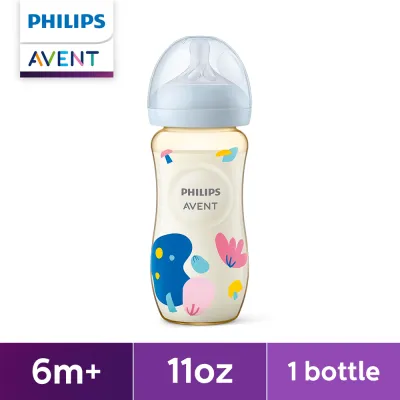
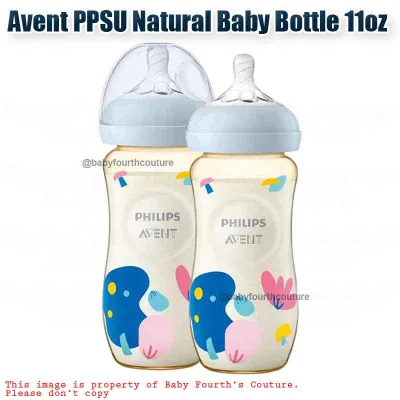
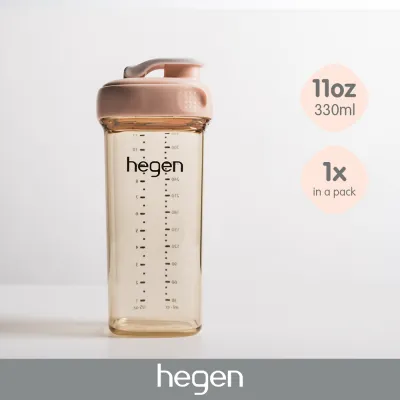
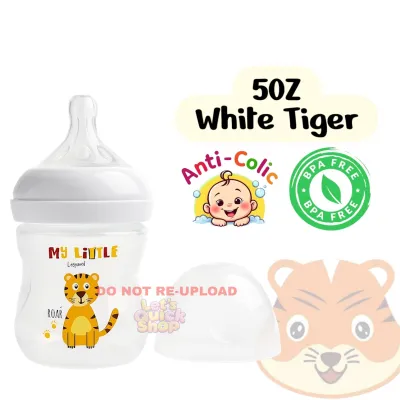
Prices are valid at publication and may change. Please refer to the product page for the latest price.
Plastic bottles, typically made from polypropylene (PP), polyethersulfone (PES), or polyphenylsulfone (PPSU), are exceptionally lightweight. Even when filled with 11 oz of milk, they remain easy for older infants to lift. When purchasing, check the packaging for specific material codes; PPSU is more durable and heat-resistant than standard PP, though it often costs more.
Silicone bottles offer a unique, flexible structure that mimics the soft feel of skin. For an 11 oz capacity, silicone bottles usually require a rigid plastic collar or frame to maintain their shape and prevent spills when squeezed. A matte or textured exterior finish is highly desirable to prevent the bottle from slipping out of wet hands.
Evaluating Safety, Durability, and Breakage Risks
Durability and physical safety are paramount when handling larger feeding bottles. Glass bottles present a clear shatter risk if dropped on hard surfaces like tile or concrete floors, which are common in many tropical homes. A form-fitting, protective silicone sleeve is highly recommended for any large glass bottle to absorb impact and contain shards if the glass cracks.

Plastic bottles do not shatter, making them highly resilient against accidental drops. However, they are susceptible to micro-scratches on the inner walls from bottle brushes. These tiny scratches can trap milk residue and bacteria, which is particularly problematic in warm, humid climates where mold and bacteria multiply rapidly.
Silicone bottles are virtually unbreakable and can withstand repeated drops without cracking. Their flexible nature makes them highly durable for travel. However, caregivers must regularly inspect the connection points where the soft silicone body meets the rigid plastic collar, as these joints can wear out over time and cause leaks.
Regardless of the material chosen, verifying chemical safety is critical. Always inspect product packaging for certified declarations stating the bottle is free from Bisphenol A (BPA), Bisphenol S (BPS), and phthalates. In the Philippines, reputable baby brands print these safety standards on their labels, and buyers should verify these markings directly.
Over time, all bottle materials undergo wear and tear. For plastic bottles, look for signs of cloudiness, discoloration, or a sticky texture. For glass, inspect the rim and body closely for hairline cracks or chips. For silicone, check for tears, thinning of the walls, or persistent odors that do not disappear after thorough cleaning.
Cleaning, Sterilization, and Heat Tolerance
Maintaining hygiene for an 11 oz bottle requires understanding how different materials respond to heat. Glass possesses excellent heat tolerance, allowing it to withstand boiling water, steam sterilizers, and UV sanitizers without degrading. This makes glass highly reliable for deep cleaning, though sudden temperature changes can cause thermal shock and crack the glass.
Plastic bottles have varying heat limits depending on the specific polymer used. Standard PP bottles can warp if exposed to excessive heat, whereas high-grade PPSU bottles can tolerate much higher temperatures, making them suitable for repeated steam and boiling sterilization. Always consult the manufacturer’s manual to verify the maximum temperature limit before sterilizing.
Silicone is highly heat-resistant and can easily tolerate boiling water and steam sterilization. However, silicone is porous and can absorb oils from breast milk or formula, as well as scents from dishwashing soaps. In humid environments, this porosity can trap moisture if the bottles are not allowed to dry completely, leading to mold growth.
Using a dishwasher is convenient, but it requires caution. While glass and high-grade plastics are generally dishwasher-safe on the top rack, the high heat of the drying cycle can accelerate the degradation of lower-grade plastics. Additionally, strong detergents can cause silicone to develop a cloudy film or absorb a soapy taste.
Regular visual inspections are necessary to adjust your sterilization routine. If you notice a plastic bottle becoming cloudy or warping, it is time to replace it and switch to a gentler sterilization method. For silicone bottles, a sticky or tacky surface indicates that the material is breaking down and must be discarded immediately.
Making the Final Decision for Your Feeding Routine
Selecting the right 11 oz bottle material involves matching the product’s physical traits with your baby’s developmental stage. If your baby is older and showing signs of wanting to hold the bottle independently, a lightweight plastic or silicone bottle is much easier for small hands to manage. A heavy glass bottle can frustrate a baby trying to self-feed.
Budget considerations should also play a role. While high-quality glass and silicone bottles often require a larger investment in ₱, they generally last much longer than standard plastic bottles. Plastic bottles are more affordable initially but require more frequent replacement due to scratching and heat degradation, which can add up over time.
For families who travel frequently, silicone or plastic bottles are highly practical due to their lightweight and shatterproof nature. They pack easily into diaper bags without adding unnecessary weight. On the other hand, if the bottle is primarily used at home under direct supervision, a glass bottle offers a highly hygienic, long-lasting option that can be sterilized repeatedly.
Many parents find success by transitioning between materials as their baby grows. You might start with glass bottles during the early months when sterilization frequency is highest and the caregiver does all the holding. As the baby transitions to larger 11 oz feeds and begins to sit up, switching to lightweight silicone or durable PPSU plastic supports their independence.
Frequently Asked Questions (FAQ)
Can I mix glass and plastic bottles for the same baby?
Using a mix of glass and plastic bottles is perfectly fine and does not cause confusion, provided the nipple shape, material, and flow rate remain consistent. The baby responds primarily to the nipple design rather than the bottle body. When managing a mixed set, ensure you adjust your cleaning routine, as plastic bottles require gentler scrubbing to avoid scratches.
Do silicone bottles collapse when the baby drinks?
Silicone bottles are designed to be flexible, and some models compress slightly during feeding to mimic breastfeeding, which can help reduce air intake. However, a complete collapse that blocks milk flow usually indicates a clogged or improperly assembled anti-colic vent. Always check the manufacturer’s guidelines to ensure the venting valves in the nipple or collar are open.
How often should I replace 11 oz plastic or silicone bottles?
The replacement timeline depends heavily on the material and sterilization frequency. Standard plastic bottles should be replaced regularly according to the manufacturer’s instructions, or immediately if you notice deep scratches, cloudiness, or a persistent odor. Silicone bottles can last longer but should be replaced if the material becomes sticky, discolored, or torn. Always follow the manufacturer’s specific replacement guidelines.

Community discussion
Share your experience or ask a question. Comments are reviewed before publication.