
Choosing the right baby bottle material is one of the most frequent decisions new parents face, directly impacting daily feeding routines, cleaning habits, and long-term expenses. There is no single ideal material; instead, glass, plastic, and silicone each serve different priorities. Glass excels in hygiene and longevity but carries breakage risks. Plastic offers lightweight convenience for travel but degrades over time. Silicone provides a soft, tactile grip that mimics breastfeeding but requires careful drying in humid climates to prevent odors.
To make the best choice, you must weigh how each material handles daily sterilization, travel, and your baby’s developing motor skills. Understanding these trade-offs allows you to select a single material or mix and match options to fit different times of the day. If your baby experiences persistent feeding difficulties, such as excessive gas or bottle rejection, consult a pediatrician or a lactation consultant to address their specific developmental needs.
Glass Baby Bottles: Weighing Cleaning Ease Against Breakage Risks
Glass baby bottles are highly valued for their exceptional hygiene and durability. Because glass is a non-porous material, it does not absorb liquids, odors, or colors from breast milk or infant formula. This makes glass bottles easy to clean, as soapy water and a bottle brush can quickly remove all residue without leaving a cloudy film or persistent smell behind.
Products mentioned in this guide
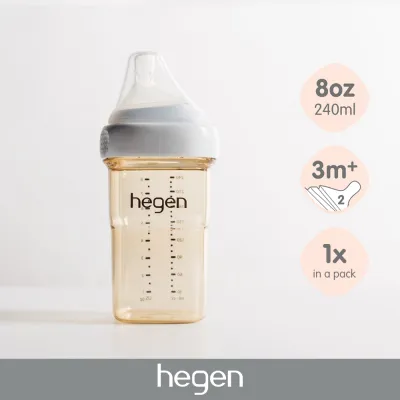
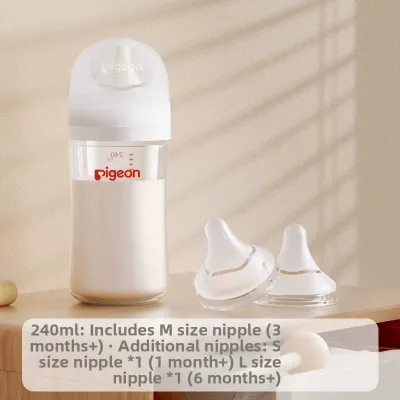
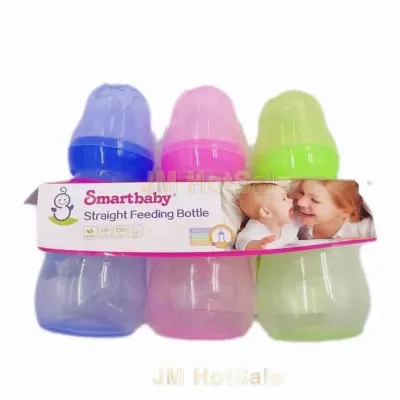
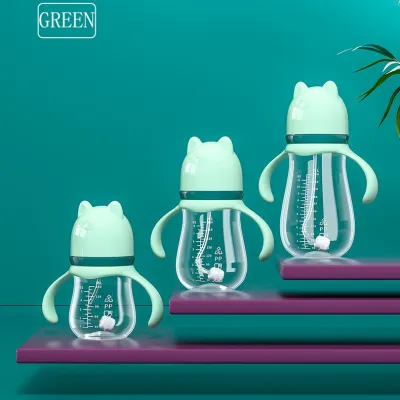
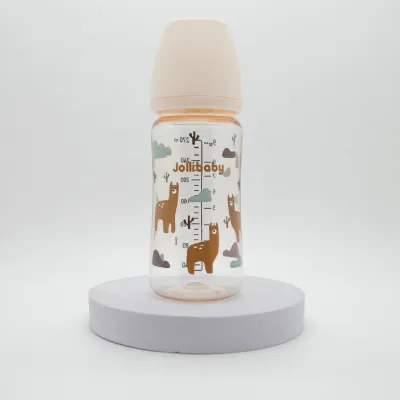
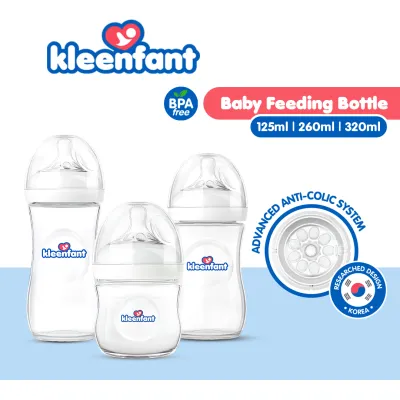
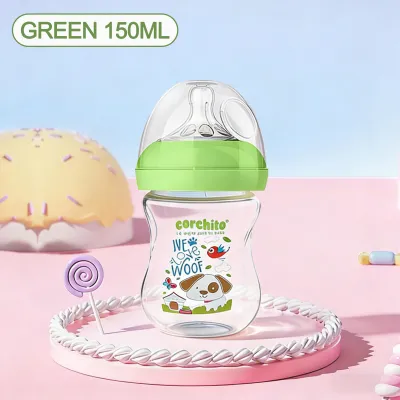
Prices are valid at publication and may change. Please refer to the product page for the latest price.
However, the weight of glass is a significant factor to consider. Glass bottles are noticeably heavier than plastic or silicone alternatives, which can lead to hand and arm fatigue during long, late-night feeding sessions. This weight also makes it difficult for older babies to hold the bottle independently, meaning parents must remain hands-on during feedings for a longer developmental period.
Safety is another crucial consideration. While modern glass bottles are often made from tempered borosilicate glass to withstand sudden temperature changes, they are still susceptible to chipping, cracking, or shattering if dropped on hard tile floors. To mitigate this risk, parents should check for compatible protective silicone sleeves, which provide a better grip and absorb impact. Always verify the manufacturer’s specific guidelines regarding thermal shock limits and drop-resistance before exposing glass bottles to rapid temperature transitions, such as moving them directly from a cold refrigerator into a warm bottle warmer.
Plastic Baby Bottles: Balancing Lightweight Convenience With Wear and Tear
Plastic baby bottles are a popular choice for families on the go due to their lightweight construction and virtually unbreakable nature. If a plastic bottle slips from your hands or is tossed from a high chair by an active infant, there is no risk of shattered glass. This makes plastic highly convenient for travel, daycare, and encouraging babies to practice holding their own bottles as they develop their fine motor skills.

Despite these conveniences, plastic bottles require careful inspection and regular replacement. Because plastic is a softer material than glass, it is highly prone to micro-scratches from bottle brushes, abrasive sponges, or general wear. These tiny scratches can become breeding grounds for bacteria and make thorough cleaning difficult. Over time, plastic bottles also tend to absorb odors, retain stains, and develop a cloudy appearance, especially when exposed to frequent heating and sterilization.
When purchasing plastic bottles, parents must look beyond marketing claims and verify safety certifications directly on the product packaging. Ensure you verify that the bottles are explicitly labeled as BPA-free, BPS-free, and made from food-grade plastics like polypropylene (PP) or polyphenylsulfone (PPSU). PPSU is generally more heat-resistant and durable than PP, but both materials will eventually show signs of degradation. Inspect plastic bottles regularly, and replace them immediately if you observe persistent cloudiness, deep scratches, warping, or a lingering sour odor that does not wash away.
Silicone Baby Bottles: Exploring Flexibility, Grip, and Temperature Limits
Silicone baby bottles represent a modern middle ground, offering a soft, flexible texture that closely mimics the feel of skin. This squeezable, tactile quality can be highly beneficial for babies transitioning from breast to bottle, as the pliable body allows for a more natural grip and a sensory experience that resembles breastfeeding. Many parents find that babies who reject rigid bottles accept silicone options more readily.
However, the unique physical properties of silicone come with specific maintenance requirements. Silicone has a naturally high-friction surface that can attract static electricity, causing dust, lint, and pet hair to cling to the outside of the bottle. In humid tropical environments, silicone bottles also require extra attention during the drying process. Because silicone can retain moisture and microscopic food particles in its flexible pores, failing to dry the bottles completely in a well-ventilated area can lead to water spots, musty smells, or mold growth.
Before choosing silicone, parents should confirm that the product is made from 100% food-grade silicone, which should be verified on the packaging or the bottle itself. Additionally, silicone has different thermal properties than glass or plastic. While it is highly heat-resistant, you must check the manufacturer’s maximum temperature thresholds for heating and sterilization. Some silicone bottles feature rigid plastic collars or rings that have lower temperature limits than the silicone body, requiring you to disassemble the bottle completely before exposing the parts to high heat.
Sterilization and Care: Checking Material Compatibility and Degradation Signs
Proper sterilization and daily care are essential to keep your baby’s bottles hygienic and safe, but the correct method depends entirely on the material. Not all bottles can withstand every sterilization technique. Before using a steam sterilizer, a UV sterilizer, or the traditional boiling water method, you must cross-reference your specific sterilizer’s instructions with the bottle manufacturer’s explicit compatibility guidelines.
For instance, while glass can easily tolerate the high heat of boiling water and steam, some plastics and silicone components may degrade rapidly under intense heat or prolonged UV exposure. UV sterilizers are highly convenient, but certain plastics can become brittle or discolored when subjected to UV light over time. Conversely, boiling plastic bottles for too long can cause warping, particularly around the collar and screw threads, leading to persistent leaks during feeding.
To ensure safety, establish a daily visual and tactile inspection routine for all bottle components. Check the nipple rings and bottle threads for signs of warping, stretching, or stickiness, which indicate that the material is breaking down and can no longer form a secure, leak-proof seal. If you notice any conflict between the sterilizer manual and the bottle care instructions, or if you observe unexplained changes in the material’s texture or color, stop using the bottle immediately and consult the manufacturer for guidance.
How to Choose: Matching Bottle Material to Your Daily Routine and Budget
Selecting the right baby bottle material ultimately comes down to aligning their physical traits with your family’s daily lifestyle, feeding habits, and financial planning. Upfront costs vary significantly, with high-quality glass and silicone bottles generally commanding a higher price in ₱ compared to standard plastic options. However, because glass bottles do not degrade and can last through multiple childhoods if handled carefully, they may offer better long-term value. Plastic bottles, while highly affordable initially, require frequent replacement every few months, which can add up over time.
Your daily routine should dictate your material choices. If your feeding routine primarily takes place at home where you have a dedicated cleaning station and a reliable sterilizer, glass bottles offer unmatched hygiene and peace of mind. If you travel frequently, commute, or rely on daycare, the lightweight and shatterproof nature of plastic bottles makes them the most practical choice for packing into a diaper bag. For babies who are highly sensory-sensitive or struggle with bottle acceptance, investing in a few flexible silicone bottles can ease the transition.
Many families find that a mixed-material approach works best rather than sticking to just one type. For example, you might use glass bottles for morning and nighttime feedings at home, where you can easily manage the weight and cleaning, while keeping a few lightweight plastic or silicone bottles reserved exclusively for outdoor trips, family visits, or travel. This hybrid strategy maximizes the lifespan of your glass bottles while ensuring you always have a convenient, lightweight option ready for life on the go.
Frequently Asked Questions (FAQ)
How does bottle material affect my baby's ability to self-feed?
The weight and texture of a bottle directly impact when and how easily a baby can feed themselves. Lightweight plastic and flexible silicone bottles are much easier for small hands to lift, grip, and maneuver, allowing babies to practice self-feeding as they grow. Glass bottles, being significantly heavier, require much more physical effort and coordination, which can frustrate a developing baby. Always verify your baby’s age and developmental stage against the manufacturer’s guidelines before encouraging self-feeding, ensure constant caregiver supervision during feedings, and wait until your baby has developed strong grip strength before letting them handle heavier bottles.
Can I use the same sterilizer for glass, plastic, and silicone bottles?
You can often use the same sterilizer, but you must first verify the temperature and material limits of every component. Different materials degrade at different rates depending on the sterilization method. For example, high-heat steam or boiling water is excellent for glass but can accelerate the wear and tear of plastic collars and silicone nipples. UV sterilizers are highly efficient but can cause certain plastics to discolor or become brittle over time. Always check the lowest temperature tolerance among all your bottle parts and compare it with your sterilizer’s manual to prevent premature degradation or warping.
What are the visible signs that a baby bottle needs immediate replacement?
Each material shows distinct warning signs when it has reached the end of its usable life. For plastic bottles, look for deep scratches, persistent cloudiness, warping around the threads, or a sour odor that remains after washing. For glass bottles, inspect closely for any chips, hairline cracks, or rough edges, especially around the rim. For silicone bottles and nipples, check for stickiness, discoloration, tearing, or a loss of elasticity. Damaged bottles and nipples can harbor harmful bacteria in crevices or pose choking and injury hazards, so they must be discarded and replaced immediately.

Community discussion
Share your experience or ask a question. Comments are reviewed before publication.