
When a baby develops a mark, scratch, or insect bite, it is natural for parents to look for ways to lighten up scars for baby skin safely. However, infant skin is structurally different from adult skin, meaning that standard scar-lightening treatments are not only inappropriate but can also be highly dangerous. Because a baby’s skin barrier is still developing, the primary focus of care must always be on supporting natural barrier repair, maintaining deep hydration, and protecting the healing area from environmental damage.
Rather than searching for aggressive bleaching agents, parents should focus on gentle, supportive skincare routines. This guide outlines how to distinguish between temporary marks and permanent scars, which ingredients to strictly avoid, how to identify safe and hydrating alternatives, and when it is necessary to seek professional medical advice. By understanding the unique properties of infant skin, you can help your baby’s skin heal naturally and safely.
Understanding Baby Scars and Skin Healing
To manage marks on your baby’s skin effectively, it is important to first identify what kind of mark you are dealing with. Most dark or reddish spots left behind after an insect bite, a scratch, or an eczema flare-up are not true structural scars. Instead, they are typically forms of post-inflammatory hyperpigmentation. This condition occurs when localized inflammation triggers temporary overproduction of melanin, leaving a flat, discolored patch that can take several weeks or even months to fade.
Products mentioned in this guide
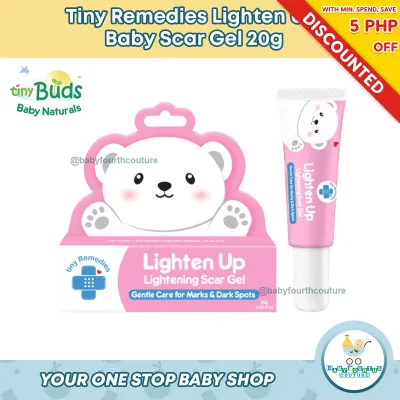
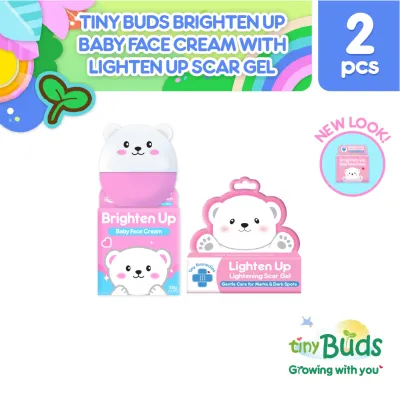
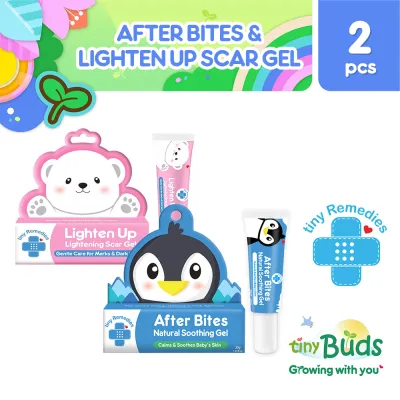
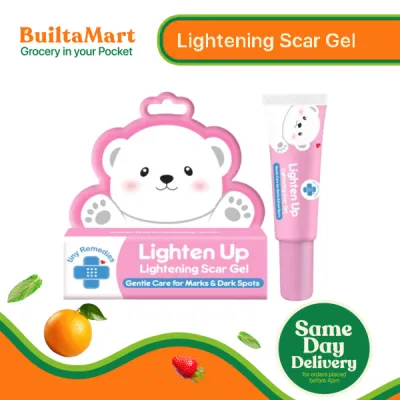
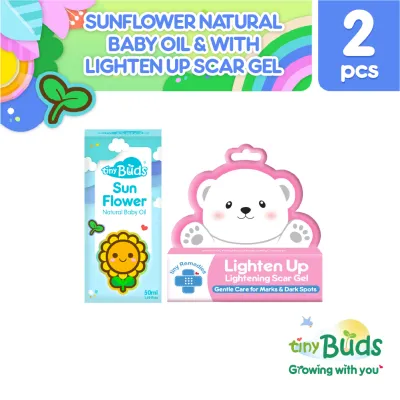
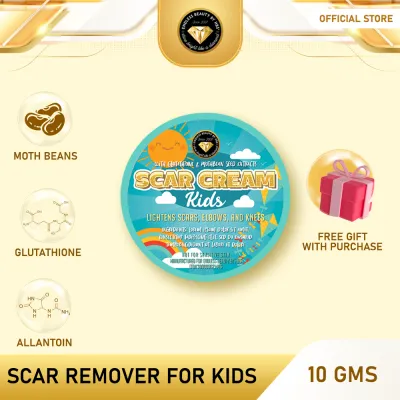
Prices are valid at publication and may change. Please refer to the product page for the latest price.
True textured scars, such as hypertrophic scars or keloids, involve structural changes to the deeper layers of the skin. These scars are raised, thickened, or depressed, and they occur when the body produces too much or too little collagen during the wound-healing process. Distinguishing between flat hyperpigmentation and textured scars is crucial because their management strategies and healing timelines are entirely different.
Fortunately, infant skin possesses a remarkable capacity for self-repair. A baby’s cellular turnover rate is significantly faster than that of an adult, meaning that superficial skin layers are shed and replaced much more rapidly. Because of this rapid renewal process, the vast majority of post-inflammatory marks and minor scratches will fade completely on their own without any active intervention. Patience and basic protective care are usually all that is required.
Given this rapid natural healing, aggressive “lightening” or “bleaching” approaches are never appropriate, safe, or necessary for infants. A baby’s skin barrier is up to 30% thinner than adult skin, making it highly sensitive to chemical exposure. Attempting to speed up the fading process with harsh active ingredients can disrupt this delicate barrier, leading to severe irritation, chemical burns, or even systemic absorption of harmful substances.
Safety First: Ingredients to Avoid in Baby Skincare
When evaluating skincare products for your baby, the first step is to establish a strict checklist of ingredients to exclude. Active brightening agents that are commonly found in adult scar creams must be completely avoided. Ingredients such as hydroquinone, high-concentration alpha-hydroxy acids (like glycolic acid), beta-hydroxy acids (such as salicylic acid), and retinoids are far too harsh for infant skin. These substances can cause severe chemical irritation, peeling, and long-term damage to the skin barrier.

In addition to active brightening agents, you should avoid common cosmetic irritants that can worsen inflammation. Synthetic fragrances, essential oils (such as tea tree, lavender, or citrus oils), and harsh preservatives can trigger allergic contact dermatitis. When a baby’s skin becomes irritated or inflamed by these additives, the resulting inflammation can actually worsen the hyperpigmentation, defeating the purpose of the treatment.
Reading product labels carefully is essential for verifying safety. Always look for age-specific warnings on the packaging, as many products are not formulated or tested for infants under a certain age. Do not rely solely on marketing terms like “natural” or “organic” on the front of the bottle. Many natural plant extracts and essential oils are potent allergens that can cause adverse reactions on sensitive infant skin; safety is determined by the specific formulation, not the source of the ingredients.
To ensure you are choosing a safe product, make it a habit to cross-reference the ingredient list with pediatric safety guidelines. If a product label contains long lists of synthetic dyes, denatured alcohols, or complex chemical compounds that you cannot identify, it is best to err on the caution side and choose a simpler formulation. Protecting the integrity of the skin barrier should always take precedence over attempting to fade a cosmetic mark.
Gentle Ingredients for Barrier Repair and Hydration
Instead of using active lightening agents, the safest way to support the fading of baby marks is to optimize the skin’s natural healing environment. This is achieved through deep hydration and barrier protection. Occlusives, such as pure petroleum jelly, are highly effective for this purpose. Petroleum jelly forms a safe, inert physical barrier over the healing skin, locking in moisture and protecting the area from external irritants, friction, and sweat.
In tropical climates where humidity is high, maintaining a healthy skin barrier is particularly important. Ingredients like ceramides, glycerin, and colloidal oatmeal are excellent choices for baby skincare. Ceramides help replenish the essential lipids in the skin barrier, glycerin acts as a humectant to draw moisture into the skin, and colloidal oatmeal helps soothe itching and calm localized redness. Together, these ingredients support the skin’s natural structure.
It is important to understand that these gentle ingredients do not act as direct, fast-acting bleaching agents. Instead, they work indirectly by keeping the skin hydrated, calm, and protected. When the skin barrier is healthy and free from ongoing irritation, the natural cellular turnover process can proceed efficiently. This allows the hyperpigmented cells to shed naturally over time, gradually restoring an even skin tone without risking chemical damage.
When selecting a hydrating cream or lotion, prioritize simple formulations that focus on these barrier-supporting ingredients. A high-quality, basic moisturizer can be applied to the affected area several times a day, especially after bathing when the skin is most receptive to locking in moisture. Consistent, gentle hydration is the most effective home-care strategy for supporting the natural fading of minor marks.
How to Evaluate and Select a Baby-Safe Product
Navigating the baby care aisle can be overwhelming, but a structured evaluation framework can help you make a safe choice. First, look for products that carry credible testing claims on their labels. Terms such as “pediatrician-tested,” “dermatologist-tested,” and “hypoallergenic” indicate that the manufacturer has conducted safety evaluations. However, because these terms are not always strictly regulated, you should verify these claims by checking the manufacturer’s official documentation or product guides.
Prioritize products with minimal, transparent ingredient lists. A shorter list of ingredients naturally reduces the likelihood of your baby experiencing an allergic reaction or contact dermatitis. Avoid products that contain unnecessary fillers, artificial colors, or strong perfumes. Whether a basic baby lotion costs ₱300 or ₱1,000, its safety and efficacy are determined entirely by the simplicity and quality of its ingredients, not its price tag or brand prestige.
Before applying any new skincare product to your baby’s face or a healing mark, you must perform a patch test. This simple step is crucial for identifying potential sensitivities before full-scale application. Apply a very small, pea-sized amount of the product to a discreet area of the baby’s skin, such as the inside of the forearm or behind the ear. Repeat this application twice daily for three to five consecutive days.
During the patch test period, monitor the test area closely for any signs of irritation. Look for redness, tiny bumps, swelling, dryness, or signs that the baby is experiencing itching or discomfort in that spot. If any of these reactions occur, discontinue use immediately and wash the area gently with plain water. If the skin remains clear and healthy after five days, the product is generally considered safe for wider application on your baby’s skin.
When to Stop Home Care and Consult a Professional
While home care focusing on hydration is suitable for minor marks, there are clear boundaries where over-the-counter skincare is insufficient. You must monitor healing skin closely for any red flags that indicate a more serious issue. If you notice signs of infection—such as spreading redness, swelling, warmth to the touch, oozing pus, or if your baby develops a fever—discontinue all home treatments and seek immediate medical attention.
Additionally, if a mark appears to be a raised, thickened, or expanding scar (such as a keloid), or if the mark causes your baby physical discomfort, a professional evaluation is required. True structural scars do not respond to standard moisturizers and require specialized management. You should always consult a pediatrician or a pediatric dermatologist before attempting to use any targeted scar treatments, silicone sheets, or specialized gels on an infant.
It is critical to avoid the temptation of using adult scar creams, unverified online remedies, or physical exfoliation on your baby. Home remedies involving acidic substances like lemon juice, vinegar, or baking soda can cause severe chemical burns on delicate infant skin. Similarly, physically scrubbing the skin to “wear away” a mark will only cause further trauma, worsening the inflammation and potentially leading to permanent scarring. When in doubt, always defer to the professional guidance of your pediatrician.
Frequently Asked Questions (FAQ)
Can I use adult scar removal creams on my baby?
No, you should never use adult scar removal creams on your baby. Adult formulations are designed for mature, fully developed skin and often contain high concentrations of active ingredients, chemical exfoliants, or preservatives that are unsafe for infants. Because a baby’s skin is thinner and more permeable, these strong active ingredients can be absorbed into the bloodstream, posing a risk of systemic toxicity. Additionally, adult products can cause severe chemical irritation, redness, and burns on delicate infant skin. Only use products specifically formulated and labeled for babies, or those directly recommended by your pediatrician.
Does sun protection help prevent baby scars from darkening?
Yes, consistent sun protection is highly effective for preventing healing marks and scars from darkening. When healing skin is exposed to ultraviolet (UV) radiation, it triggers the production of melanin, which can permanently darken the area and prolong the fading process of post-inflammatory hyperpigmentation. In tropical environments where sunlight is intense year-round, protecting healing skin is especially critical. For babies under six months old, keep them out of direct sunlight entirely by utilizing shade, wide-brimmed hats, and lightweight, protective clothing. For babies over six months, apply a baby-safe mineral sunscreen containing zinc oxide or titanium dioxide to exposed areas, as verified by the product label and approved by your pediatrician.

Community discussion
Share your experience or ask a question. Comments are reviewed before publication.