
Choosing between Fortigrow, Enfagrow, and Nido is not about finding a single, universally superior brand. Instead, the decision relies on matching the specific nutritional profile on the label to your child’s developmental needs, your pediatrician’s advice, and your household budget. Every child’s digestive system and taste preferences are unique, meaning the ideal formula is the one that your child tolerates well and that supports their daily dietary intake.
By learning how to analyze ingredient lists, calculate the actual cost per serving, and monitor your child’s physical response, you can make an informed decision that fits your family’s routine. This guide provides a practical framework to compare these three popular options, helping you navigate the nutrition facts panels and preparation steps safely.
Understanding the Core Differences in Toddler Formulas
Fortigrow, Enfagrow, and Nido serve different segments of the growing child’s milk market, each with distinct positioning. While some variants are formulated specifically for toddlers transitioning from infant formula, others are designed for school-aged children who require nutritional support alongside solid foods. Caregivers must carefully inspect the front of the packaging to verify the recommended age bracket, as nutrient concentrations are tailored to specific developmental milestones.
Products mentioned in this guide
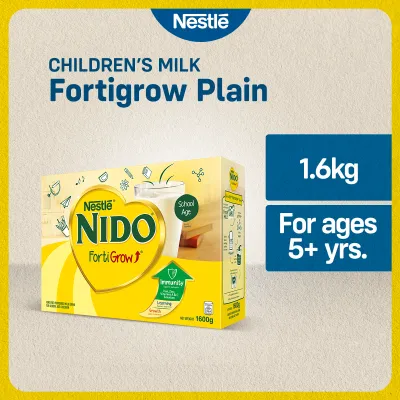
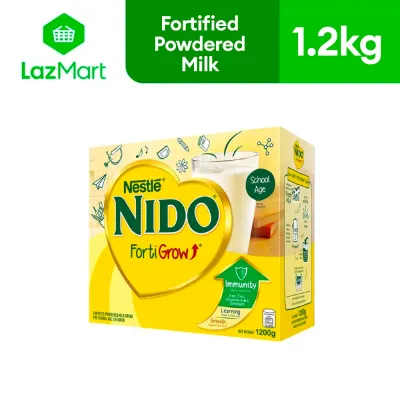
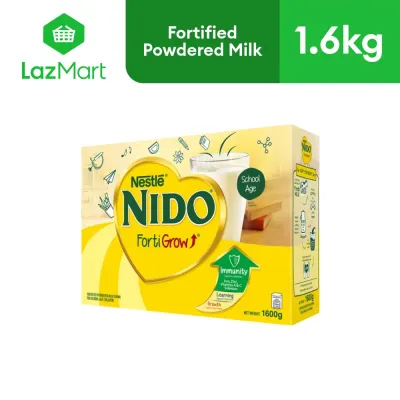
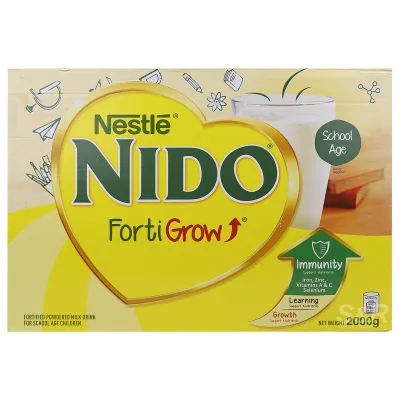
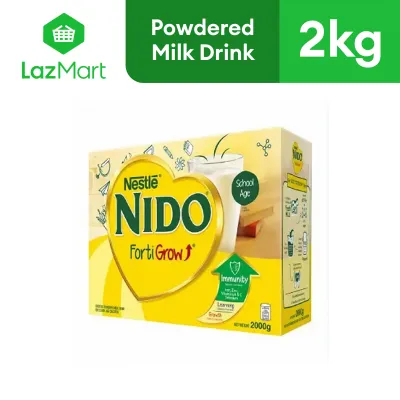
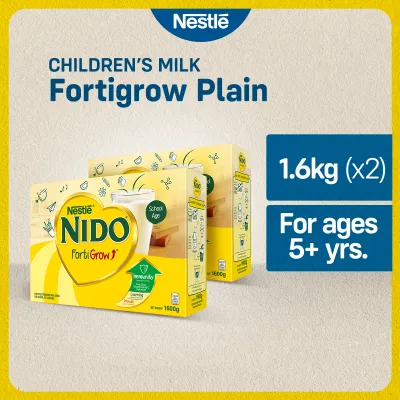
Prices are valid at publication and may change. Please refer to the product page for the latest price.
Base milk sources and protein structures vary across these brands, directly affecting how easily a child digests the milk. Some formulations utilize whole milk powder as a primary ingredient, which retains natural milk fats and provides a creamier taste. Others rely on modified milk powder blends, where portions of the milk fat are replaced with vegetable oils to optimize the fatty acid profile or to make the protein structure easier for a toddler’s developing stomach to break down.
Marketing labels often highlight specific added nutrients to attract parents looking for targeted developmental support. For instance, you will frequently see prominent callouts for Docosahexaenoic Acid (DHA), iron, zinc, calcium, or specific prebiotic fibers. Understanding these core differences allows you to look past the bold marketing claims on the front of the box and focus on the actual values listed in the nutrition facts table on the back.
Comparing Key Nutritional Profiles and Ingredients
To make an accurate comparison, you must learn to read the nutrition facts panel on each product. Start by checking the serving size, which is typically listed in grams or scoops, as well as the number of servings per container. Compare the macronutrients—calories, protein, fat, and carbohydrates—per 100 grams of powder to establish a standardized baseline, rather than relying on the per-serving values which can vary based on scoop sizes.

Micronutrient declarations require close attention, especially if your child is a picky eater who might miss out on essential vitamins and minerals. Look closely at the levels of iron, calcium, and vitamin D. Iron supports cognitive development and healthy blood cells, while calcium and vitamin D work together to build strong bones and teeth. Check the percentage of the daily recommended intake provided by each serving to ensure the formula adequately supplements your child’s solid food diet.
Ingredient lists also reveal the presence of added sugars, artificial flavors, or preservatives. Look for terms like sucrose, corn syrup solids, maltodextrin, or fructose on the ingredient list. While carbohydrates are necessary for energy, limiting high amounts of added sugars helps establish healthy eating habits and protects developing teeth from decay. If your child has a sensitive stomach, choosing a formula with minimal additives and natural flavorings is often the safer path.
Evaluating Price Points and Value for Your Budget
Evaluating the financial impact of a toddler formula requires looking beyond the retail price on the shelf. Formulas are sold in various packaging formats, including tin cans and cardboard boxes containing foil refill pouches. Pouches are generally more economical but require proper storage to maintain freshness, whereas tins offer better protection against moisture and pests but carry a higher initial cost.
To find the true value, calculate the price per gram by taking the retail price in ₱ and dividing it by the net weight in grams. For example, if a 900-gram tin costs ₱850, the cost is approximately ₱0.94 per gram. Performing this simple calculation across different sizes of Fortigrow, Enfagrow, and Nido will quickly reveal which packaging option offers the most budget-friendly rate.
Next, estimate the cost per serving based on the manufacturer’s recommended preparation instructions. If one brand requires four scoops of powder per glass while another requires three, the rate of consumption will differ significantly. Multiply the weight of a single serving by your calculated price per gram to determine the actual cost of each glass of milk, allowing you to project your monthly household expenditure accurately.
Where you purchase the formula also influences both cost and safety. Purchasing from official brand stores on ecommerce platforms or licensed physical pharmacies provides the strongest guarantee of product authenticity. While local supermarkets frequently offer promotional bundles or loyalty discounts, always verify that the packaging is fully sealed and has a distant expiration date before making a purchase.
How to Choose the Best Formula for Your Child's Needs
Selecting the right formula involves matching your child’s specific situation to the unique characteristics of each brand. A structured decision framework helps simplify this choice by focusing on your child’s age, dietary gaps, and digestive tolerance.
Consider Fortigrow if your child is entering school age and your primary goal is to support physical growth and cognitive focus during daily activities. This option is highly suitable for families seeking a cost-effective daily milk that provides essential vitamins and minerals without a premium price tag. Always verify the exact age suitability printed on the packaging to ensure it matches your child’s current stage.
Consider Enfagrow if your pediatrician has recommended a strong focus on developmental nutrients, particularly DHA and specific prebiotic blends designed to support brain development and gut health. This choice is ideal if you are willing to invest more per serving for a formulation that emphasizes cognitive and digestive support. Be sure to check the ingredient list to confirm the specific nutrient concentrations.
Consider Nido if your child prefers a rich, creamy taste derived from a whole milk base and you need a versatile, widely available option that fits easily into a busy daily routine. This brand offers various age-specific formulations, so you must confirm the exact product variant on the container to ensure it aligns with your child’s nutritional requirements.
Before introducing any standard formula, verify if your child has a history of allergies, lactose intolerance, or other medical conditions. Standard formulas contain cow’s milk protein and lactose, which can trigger adverse reactions in sensitive children. If you observe signs of discomfort, stop use immediately and consult a pediatrician to discuss specialized, hypoallergenic, or lactose-free alternatives.
Safe Preparation and Transitioning Tips
Proper preparation is vital to ensure your child receives the intended nutritional benefits without digestive distress. Always wash your hands thoroughly and sterilize all preparation utensils, including cups and spoons, before use. Strictly follow the manufacturer’s instructions regarding water temperature and scoop-to-water ratios; using water that is too hot can destroy heat-sensitive vitamins, while altering the powder concentration can strain your child’s kidneys or lead to undernutrition.
When transitioning your child to a new formula brand, introduce the change gradually over several days. Start by replacing a small portion of their usual milk with the new formula, slowly increasing the proportion of the new brand while monitoring their reaction. Keep a close eye on observable digestive responses, such as changes in stool consistency, excessive gas, bloating, or skin rashes, and stop use immediately if any severe symptoms occur.
In tropical, high-humidity environments, proper storage is critical to prevent the powder from absorbing moisture and spoiling. Store opened pouches in clean, airtight containers in a cool, dry place away from direct sunlight, and avoid refrigeration as the temperature change can cause condensation inside the container. Always note the manufacturer’s recommended consumption window, which typically requires using the powder within three to four weeks of opening.
Frequently Asked Questions (FAQ)
Can I mix Fortigrow, Enfagrow, or Nido with other milk brands?
Mixing different formula brands or types of milk simultaneously in a single bottle is generally discouraged. Each brand is formulated with a precise balance of nutrients, and mixing them can alter the overall concentration and osmolality, potentially straining your toddler’s developing digestive system and kidneys. If you need to transition your child to a new brand, the safest approach is to offer the new milk in a separate feed, gradually increasing the number of new feeds over several days to monitor tolerance.
At what age should my child stop drinking toddler formula?
Most children transition away from toddler formula between the ages of two and three years, as their solid food intake becomes their primary source of nutrition. At this stage, many toddlers can transition to standard whole cow’s milk or a fully balanced diet of solid foods, provided they are growing well. Because every child’s developmental timeline and nutritional needs are unique, you should consult your pediatrician to determine the best time to transition based on your child’s growth progress.

Community discussion
Share your experience or ask a question. Comments are reviewed before publication.