
Choosing between a foldable baby rocker and a traditional, fixed-frame model is not about finding a universally superior design, but rather about matching the gear to your home’s layout, your family’s mobility, and your daily caregiving routines. Both styles serve the primary purpose of providing a secure, angled seat where your baby can rest and observe their surroundings under your close supervision. However, they achieve this through fundamentally different structural designs. Foldable models utilize articulated joints, hinges, or release buttons that allow the frame to collapse flat or fold into a compact shape. Traditional rockers rely on a rigid, fixed frame—often made of solid wood, heavy-duty plastics, or welded metal tubes—that remains fully assembled at all times. Traditional models typically feature a wider, heavier base designed to remain stationary on your living room or nursery floor, while foldable rockers prioritize lightweight materials and a streamlined footprint, making them easier to lift and reposition. Traditional rockers often have a lower, broader center of gravity built directly into their heavy frames to prevent tipping during vigorous movement, whereas foldable designs achieve stability through engineered geometry, wide-angled legs, and secure locking joints that must be fully engaged to maintain structural integrity.
Key Differences Between Foldable and Traditional Baby Rockers
When comparing these two categories, the most obvious distinction lies in the frame architecture. A traditional baby rocker is built for permanent assembly, featuring solid joints that do not pivot or collapse. This rigid construction provides a highly stable foundation, but it means the unit occupies the same amount of physical space whether it is in use or not. In contrast, a foldable baby rocker is engineered with moving joints and locking pins that allow the entire frame to fold down to a fraction of its fully assembled size.
This structural difference directly impacts the base footprint and overall weight of the units. Traditional rockers tend to be heavier and bulkier, utilizing robust materials to ensure the frame remains anchored to the floor. Foldable models are designed with lightweight metals like aluminum or high-strength plastics, allowing parents to lift and carry them with minimal physical strain.
Products mentioned in this guide
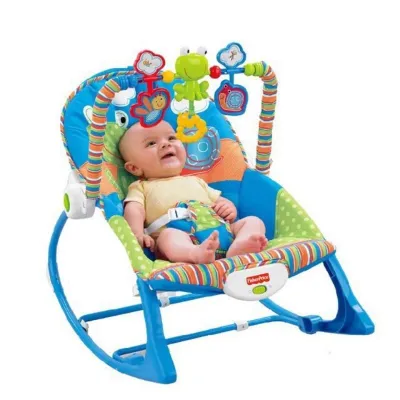
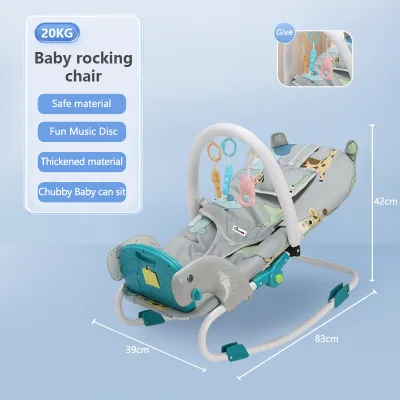
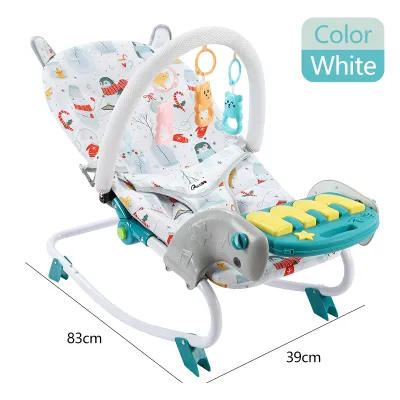
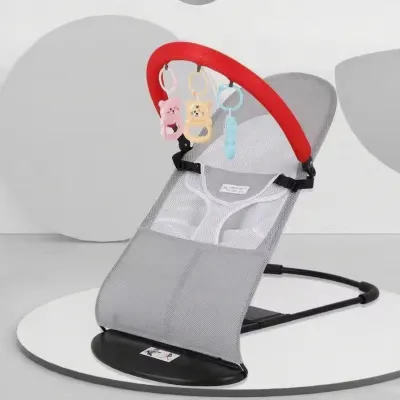
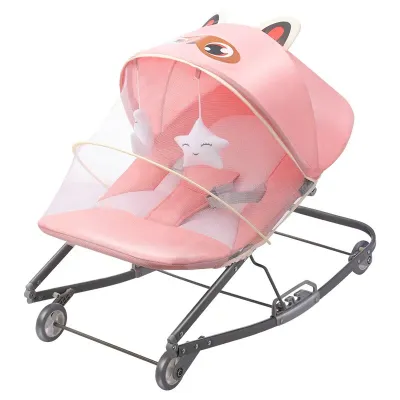
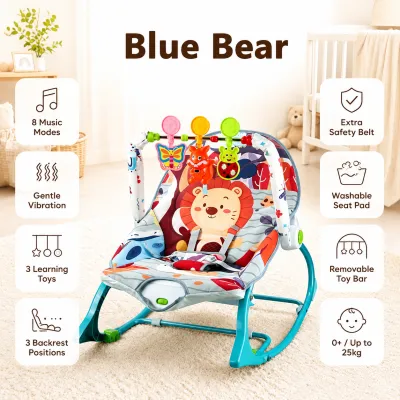
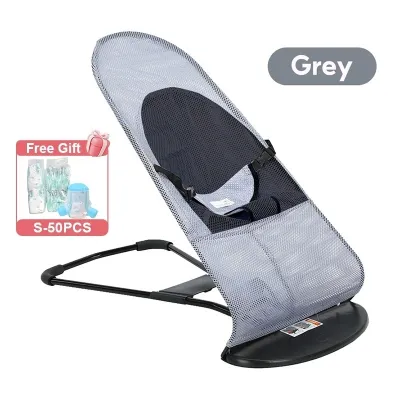
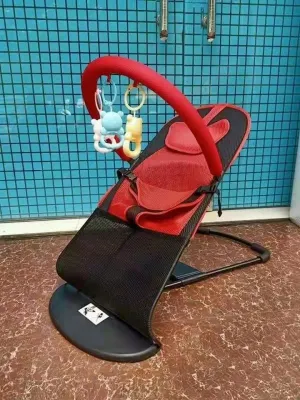
Prices are valid at publication and may change. Please refer to the product page for the latest price.
Stability is achieved differently in each design. Traditional models rely on their sheer weight and a broad, low-slung base to keep the unit steady. Foldable models use precise geometric angles and locking mechanisms to distribute the baby’s weight evenly. While both designs are stable when used correctly, a foldable model requires the caregiver to actively verify that all joints are locked securely before placing the baby inside.
Space and Storage Considerations for Your Home
Managing floor space is a daily reality for many families, especially those living in compact urban condominiums, townhouses, or shared multi-generational homes in the Philippines. In these living arrangements, every square meter of floor space is highly valuable, and baby gear can quickly clutter high-traffic areas. A foldable baby rocker offers a practical solution for multi-purpose rooms, allowing you to reclaim your living space once your baby’s supervised awake time is over. By collapsing the unit, you can easily clear the floor for daily chores, family gatherings, or home workouts.

Before purchasing a collapsible model, it is essential to measure your intended storage areas and compare them against the manufacturer’s folded dimensions. Do not assume a foldable rocker will automatically fit into any tight spot; instead, check the product specifications to see if it can slide under a standard crib, fit inside a bedroom closet, or stand upright behind a door. Keep in mind that tropical humidity requires storage spaces to be well-ventilated to prevent mold or mildew from developing on the fabric seat during periods of non-use.
Conversely, a traditional baby rocker requires a permanent footprint in your home. Because these units do not fold down, they are best suited for spacious layouts or dedicated nurseries where the rocker can remain permanently positioned. While they take up constant floor space, they eliminate the daily chore of setup and teardown, providing an ever-ready spot to place your baby whenever you need a hands-free moment.
Portability and Travel Needs
A family’s daily routine and travel habits play a major role in determining which rocker design is most practical. If you frequently move your baby’s gear from room to room—perhaps keeping them close while you cook in the kitchen, work in the home office, or rest in the bedroom—portability is key. Lightweight foldable rockers often feature integrated carry straps, built-in handles, or lightweight aluminum frames that make intra-home transport effortless. Traditional models, while sometimes equipped with handles, are generally bulkier and more awkward to carry through narrow hallways or up and down stairs.
For families who regularly travel, visit relatives, or plan weekend staycations, a foldable rocker is highly convenient. When collapsed, these models are designed to fit easily into a standard vehicle trunk or even a backseat footwell, allowing you to bring a familiar, soothing environment wherever you go. When evaluating a foldable model for travel, verify the folded shape and weight to ensure it aligns with your physical lifting capacity and vehicle cargo space.
However, frequent folding and unfolding introduces mechanical wear and tear. Every time you collapse and reassemble a rocker, the joints, hinges, and locking pins experience friction and stress. Over time, dust, humidity, or improper handling can compromise these moving parts, making it crucial to inspect the folding mechanisms regularly for signs of stiffness, wear, or loose connections.
Comfort, Features, and Daily Usage
The daily experience of using a baby rocker depends heavily on the comfort of the seat and the built-in features that help soothe your little one. Traditional baby rockers often excel in providing plush, deeply padded seating environments. Because their frames do not need to fold flat, manufacturers can design deeper, more contoured seats with multiple recline angles, thick cushioning, and integrated infant inserts. These features can make traditional models highly appealing for babies who prefer a cozy, nest-like seating position.
Foldable baby rockers, by contrast, prioritize a streamlined profile to ensure they can collapse flat. This design requirement often results in shallower seats with thinner padding and fewer recline positions. While many babies find these ergonomic, fabric-tension seats highly comfortable, they may offer fewer built-in electronic features. While some traditional models boast integrated music players, multi-speed vibration units, and large overhead toy bars, foldable models often feature simpler, detachable toy bars or operate entirely on manual, baby-powered rocking motion to keep the weight down.
Power requirements are another important factor to verify on the product label before buying. Some rockers require a continuous wall connection via an AC adapter, which limits where you can place the unit in your home, while others run on batteries or rely solely on manual movement. Manual, self-bouncing models offer the ultimate placement flexibility, as they do not require proximity to electrical outlets or constant battery replacements, making them highly reliable during power outages or outdoor family gatherings.
Safety Checks and Manufacturer Specifications
Regardless of whether you choose a foldable or traditional baby rocker, safety must always be your primary consideration. You must strictly verify the manufacturer’s stated weight limits, age recommendations, and developmental milestones printed on the product packaging or instruction manual. Never assume a rocker is safe for your baby based solely on their age; weight and physical development are equally critical factors. For instance, if your baby is exceptionally active or heavy for their age, they may reach the rocker’s physical limits sooner than expected.
For foldable models, inspecting the folding lock mechanisms is a vital daily safety routine. Before placing your baby in the seat, always verify that all hinges, joints, and safety locks have fully clicked into their designated positions. A partially engaged lock can collapse under your baby’s weight, leading to serious injury. Ensure that these locking mechanisms are designed in a way that prevents accidental release by older siblings or pets playing near the unit.
The stability of the rocker’s base is another critical area to inspect. Look for robust, non-slip rubber pads on the bottom of the frame to prevent the rocker from sliding or shifting across the floor during use. Always place the rocker on a flat, level, and low-to-the-ground surface; never position it on elevated surfaces like tables, sofas, or countertops, as the rocking motion can cause the unit to drift and fall. Keep the rocker well away from stairs, electrical cords, window blind pulls, and heat sources.
It is vital to remember that baby rockers are designed solely for supervised, awake soothing and play, not for sleep. The inclined position of a rocker can cause a sleeping baby’s head to tilt forward, potentially obstructing their airway—a condition known as positional asphyxia. If your baby falls asleep in the rocker, immediately transfer them to a safe, flat sleep surface such as a crib or bassinet. Stop using the rocker immediately once your baby attempts to sit up unassisted, roll over, or push themselves up on their hands and knees, as these milestones significantly increase the risk of the unit tipping over.
Decision Framework: Which Rocker Fits Your Lifestyle?
Whether you are planning to spend ₱2,000 or ₱8,000 on a new baby gear setup, your budget should align with how long and how often you plan to use the item. To help you make the right choice for your household, consider how your living space, daily routine, and travel habits align with the characteristics of each rocker type. Use the following guidelines to evaluate your options:
- Choose a foldable baby rocker if: You live in a compact home or apartment where floor space must be reclaimed daily, you frequently travel or visit relatives, or you prefer a lightweight, minimalist design that can be easily tucked away when not in use.
- Choose a traditional baby rocker if: You have a spacious home or a dedicated nursery with ample floor space, you prefer a heavier unit with a permanent footprint, and you want advanced built-in features like electronic vibrations, music, or plush, deep-padded seating.
- Neither may fit if: Your baby has already reached the manufacturer's maximum weight limit, can sit up unassisted, or is able to roll over. Additionally, neither option is suitable if you are looking for an unsupervised sleep environment.
- Verify first if: You are considering purchasing or accepting a second-hand rocker. Always inspect the unit thoroughly for missing parts, worn-out fabrics, compromised folding locks, or active manufacturer recall notices before allowing your baby to use it.
Frequently Asked Questions (FAQ)
Can a foldable baby rocker be as sturdy as a traditional one?
Yes, a foldable baby rocker can offer excellent stability, but its sturdiness depends on high-quality engineering, a wide base footprint, and the integrity of its locking joints rather than its ability to fold. When manufactured to strict safety standards, the folding joints are designed to lock rigidly into place, preventing any unwanted movement. To ensure safety, always place the rocker on a flat, even floor and physically test the locking mechanism to ensure there is no wobbling or loose play before placing your baby inside.
At what age or weight should my baby stop using the rocker?
You must always refer to the specific maximum weight and age limits printed on your rocker’s manufacturer label, as these thresholds vary significantly between different brands and models. However, developmental milestones are often more important than age or weight. You must stop using the rocker immediately once your baby can sit up unassisted, roll over, or attempt to climb out of the seat. Continuing to use the rocker past these developmental milestones poses a severe risk of the unit tipping over or the baby falling out.

Community discussion
Share your experience or ask a question. Comments are reviewed before publication.