
Creating a safe environment for your little one as they begin to explore the home is a top priority for every parent. When babies transition from crawling to taking their first tentative steps, every sharp edge on your coffee table, TV console, or dining set becomes a potential hazard. Choosing the right corner guard protector is not just about picking the first option you see online; it requires balancing impact protection, durability, and how well the material adheres to your specific furniture.
The ideal corner guard material depends entirely on your baby’s developmental stage, the type of furniture you have, and your aesthetic preferences. Foam offers the highest level of impact absorption, making it excellent for low, sharp edges, though it is easily damaged by teething babies. Silicone provides a balanced, translucent option that blends into modern decor while offering moderate cushioning. Hard plastic is highly durable and low-profile, but it lacks the soft cushioning needed to prevent bruising during high-speed impacts.
Assessing Your Baby-Proofing Needs
Before purchasing any protective gear, take a walk through your living spaces from your baby’s eye level. Identify the specific profiles of your furniture edges, noting whether you are dealing with sharp 90-degree angles, slightly rounded corners, glass surfaces, or delicate wood veneers. Different materials interact uniquely with these surfaces, and some adhesives can permanently damage sensitive finishes.
Products mentioned in this guide

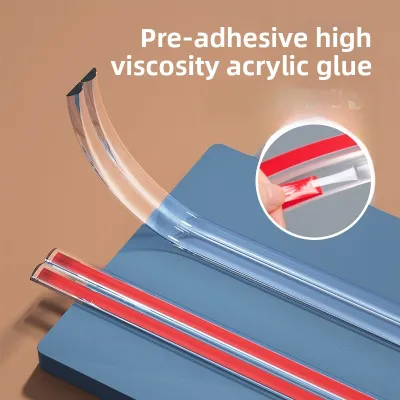
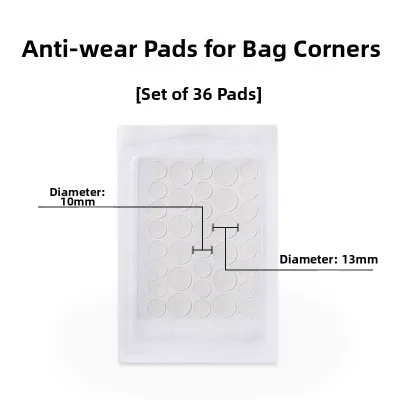
Prices are valid at publication and may change. Please refer to the product page for the latest price.
Next, consider your baby’s current mobility stage. A crawling baby has different safety needs than a toddler who is cruising along furniture or running through the hallways. Cruising babies frequently lose their balance and fall directly downward, making soft, highly cushioned protectors essential for low-level surfaces. Older, more active toddlers move with greater speed and force, meaning any protector must be securely anchored to withstand sudden, high-energy impacts.
Finally, define your household priorities. You must decide whether your primary goal is maximum shock absorption, aesthetic discretion, or long-term durability. In tropical climates like the Philippines, high humidity levels can also affect how well certain materials and adhesives perform over time. Balancing these factors early on will help you select a material that protects your child without ruining your home’s interior design.
Material Comparison: Foam, Silicone, and Plastic
To make an informed decision, it is helpful to understand the distinct characteristics of the three primary materials used in corner guard protectors. Each material—foam, silicone, and hard plastic—serves a specific purpose and carries its own set of trade-offs.

The right choice is rarely a one-size-fits-all solution for the entire house. Instead, the most effective baby-proofing strategy often involves mixing and matching these materials based on the specific room, the height of the furniture, and the likelihood of direct impact.
Foam Corner Guards (Maximum Cushioning)
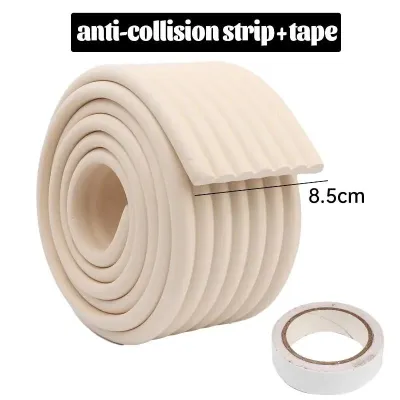
Foam corner guards are widely recognized for providing the highest level of impact absorption. Made from soft, dense materials like NBR (nitrile butadiene rubber), these protectors act as a thick cushion that absorbs the force of a collision, significantly reducing the risk of serious injury or bruising. Their soft, yielding texture is highly forgiving when a baby bumps their head or face against a sharp edge.
However, foam protectors have several notable drawbacks. They are opaque and bulky, which can dramatically alter the appearance of your furniture and make sleek pieces look cluttered. Additionally, teething babies often find the soft texture of foam highly appealing to chew on. This can lead to the foam being torn, bitten off, or peeled away, which not only ruins the protector but also introduces potential safety hazards.
These characteristics make foam guards ideal for heavy wooden coffee tables, low TV stands, and sharp hearth edges where maximum cushioning is the absolute priority. If you have low-lying furniture in high-traffic areas where your baby is most likely to fall, the safety benefits of foam generally outweigh its aesthetic and durability limitations.
Silicone Corner Guards (Balanced Protection)
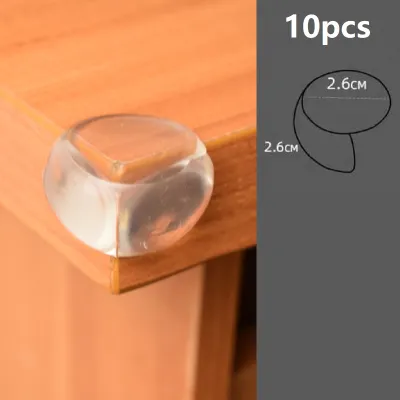
Silicone corner guards offer a highly practical middle ground for parents who want reliable protection without sacrificing the look of their home. Because silicone is naturally clear or translucent, these protectors blend seamlessly with your furniture, allowing the natural wood grain or glass edges to remain visible. They provide a much cleaner, more modern aesthetic than bulky foam alternatives.
In terms of performance, silicone provides moderate shock absorption. While it is firmer than foam, it still deforms under pressure to cushion an impact. Silicone is also incredibly durable and highly resistant to tearing, biting, and peeling. Teething babies will find it nearly impossible to bite pieces off a high-quality silicone guard, making it a much longer-lasting option in homes with active chewers.
The primary limitation of silicone is its reliance on high-quality adhesive backing. Because silicone is heavier and denser than foam, it requires a strong bond to stay securely in place, especially on smooth surfaces. These protectors are exceptionally well-suited for glass dining tables, modern acrylic furniture, and polished wood surfaces where visual discretion and bite resistance are key priorities.
Plastic Corner Guards (Durable and Low-Profile)
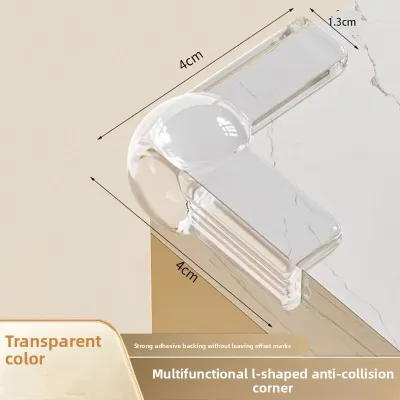
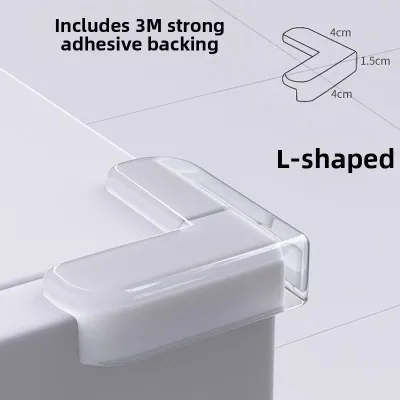
Hard plastic corner guards are designed for durability and low-profile protection. These guards are typically made from clear, rigid plastics that fit snugly over sharp corners. They are virtually indestructible, highly resistant to scratches, and completely immune to the chewing habits of teething toddlers, ensuring they remain intact for years.
The major disadvantage of plastic guards is their lack of impact cushioning. Because the material is rigid, a high-speed collision with a plastic guard still results in a hard-on-hard impact. While the guard successfully rounds off a sharp point to prevent deep cuts or lacerations, it does very little to absorb the force of the blow, meaning your child may still experience bruising or minor swelling.
For this reason, plastic corner guards are best reserved for high cabinets, bookshelves, plastic storage bins, and furniture with slightly rounded edges that only require basic scratch and laceration prevention. They are also useful for protecting the furniture itself from being chipped or damaged by vacuum cleaners, toys, or daily wear and tear.
Furniture Compatibility and Adhesive Safety
When selecting a corner guard protector, understanding how the adhesive interacts with your furniture’s surface is just as important as the material itself. Most corner guards rely on either acrylic gel tape or standard double-sided foam tape to stay in place. Before purchasing, always verify the adhesive type and read the manufacturer’s surface compatibility warnings to avoid costly damage to your home.
Different furniture finishes carry varying levels of risk when exposed to strong adhesives. Untreated wood, delicate veneers, matte paint, and antique lacquers are highly vulnerable to peeling or stripping when the adhesive is eventually removed. In contrast, tempered glass, metal, and high-quality laminate surfaces are much more resilient and can typically withstand strong adhesives without any lasting damage.
To protect your investments, always perform a pre-installation check. Test a small, hidden spot on the furniture with a piece of the adhesive tape to see how the finish reacts, or consult the furniture manufacturer’s care instructions. In warm, humid environments like the Philippines, adhesives can become more viscous and bond more aggressively over time, making this initial compatibility check even more critical.
Decision Framework: Which Material Fits Your Home?
To help you choose the right corner guard protector for each area of your home, it is helpful to use a structured decision framework based on your specific circumstances.
Choose foam if your baby is newly walking, frequently loses their balance, and your living room features low-level furniture with extremely sharp edges. In this developmental stage, preventing painful bumps and bruises on the forehead or face is the absolute priority, making the superior cushioning of foam the clear choice despite its bulky appearance.
Choose silicone if you need reliable impact protection for glass dining tables, polished wood, or modern furniture where you want to maintain the room’s visual aesthetic. Silicone is also the preferred option if your baby is actively teething and has a habit of chewing on household objects, as its tough texture resists bite damage.
Choose plastic if your furniture edges are already slightly rounded, the primary goal is preventing skin lacerations rather than absorbing heavy impacts, and your child is older and more coordinated. Plastic is also excellent for high-level corners on bookshelves or cabinets that are out of the main fall zone but still pose a scratch hazard.
Verify first if your furniture is an antique, features a delicate veneer, or if the manufacturer explicitly warns against the use of adhesive tapes. In these cases, you may need to explore alternative baby-proofing methods, such as fabric edge guards or temporary physical barriers, to avoid permanently ruining the furniture’s finish.
Installation, Inspection, and Safe Removal
Proper installation is key to ensuring your corner guard protector stays securely in place when an impact occurs. Begin by thoroughly cleaning the furniture surface with isopropyl alcohol to remove dust, oils, and polish residue, allowing it to dry completely. Apply the adhesive tape to the guard, press it firmly onto the corner, and hold it in place for at least thirty seconds to establish a strong bond. For the best results, allow the adhesive to cure for twenty-four hours before letting your child near the furniture.
Regular maintenance is essential to keep your baby-proofing setup safe and effective. Establish a routine inspection schedule to check for loosening edges, peeling tape, or signs of wear. Pay close attention to foam guards for any bite marks or missing chunks, and inspect silicone guards to ensure the adhesive has not degraded due to tropical humidity or repeated pulling.
When your child outgrows the need for corner guards, removing them safely requires patience to avoid damaging your furniture. Apply gentle heat to the guard using a hairdryer on a low setting to soften the adhesive backing. Slowly peel the guard away, and use a manufacturer-approved adhesive remover or a mild, wood-safe oil to clean up any remaining residue, stopping immediately if you notice the furniture finish beginning to lift.
Frequently Asked Questions (FAQ)
Are foam corner guards a choking hazard if my baby bites them?
Yes, foam corner guards can become a choking hazard if a teething baby bites or chews on them. Because foam is soft and pliable, a child can easily tear off small chunks with their teeth. If your baby shows an interest in chewing on the guards, inspect them daily for deep teeth marks or missing pieces. If you notice any damage, replace the foam guards immediately, or transition to durable silicone guards that resist biting.
How can I remove adhesive residue without damaging wood?
To remove leftover adhesive residue safely, start with the gentlest method possible. Use your thumb to gently roll the adhesive off the surface, or apply a small amount of mild, wood-safe oil, such as mineral oil, to break down the sticky bond. Avoid using harsh chemical solvents, acetone, or abrasive scrubbing pads, as these substances can permanently strip, cloud, or scratch the protective topcoat of your wooden furniture.
Do rounded table edges still need corner protectors?
Yes, rounded table edges can still benefit from corner protectors, especially if your baby is in the active cruising or running phase. While rounded edges significantly reduce the risk of deep cuts and lacerations, a high-speed collision can still cause painful bumps, bruising, or minor concussions. Applying a low-profile silicone or plastic guard to rounded corners provides an extra layer of defense without adding unnecessary bulk to your furniture.

Community discussion
Share your experience or ask a question. Comments are reviewed before publication.