
Choosing the right edge cover protector is a crucial step in preparing your home for a crawling or walking baby. As infants transition from crawling to taking their first unsteady steps, sharp furniture corners and low-lying edges pose constant hazards. Parents frequently find themselves choosing between two dominant materials: high-density foam and flexible silicone. Both options serve the primary purpose of cushioning impacts, but they differ significantly in safety profiles, durability, aesthetic appeal, and how they perform over time in different household environments.
Deciding between foam and silicone is not about finding a universally superior material, but rather about matching the protector to your specific furniture, your baby’s developmental stage, and your home’s climate. Foam offers thick, highly compressible cushioning that excels at absorbing heavy impacts, making it ideal for wide, blunt edges. Silicone provides a slimmer, highly durable, and bite-resistant barrier that blends discreetly with modern furniture while resisting the wear and tear of teething infants. Understanding these material differences allows you to create a reliable baby-proofing strategy tailored to your living space.
Core Differences in Impact Absorption and Safety
When evaluating how foam and silicone protect a child during a fall, it helps to look at how each material handles physical force. High-density foam, typically made from elastomeric materials like Nitrile Butadiene Rubber (NBR) or Ethylene-Vinyl Acetate (EVA), contains tiny air pockets. When a baby bumps into foam, these air cells compress, absorbing the kinetic energy of the impact and dispersing it across a wider surface area. This high compressibility makes foam exceptionally forgiving for heavy, direct impacts against broad surfaces, such as the edges of low wooden coffee tables or TV consoles.
Products mentioned in this guide
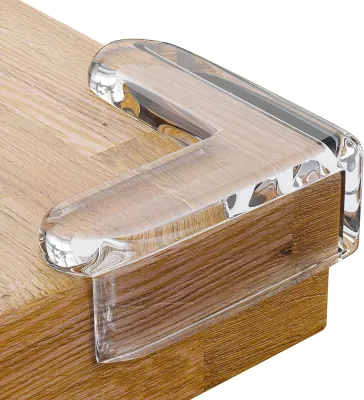
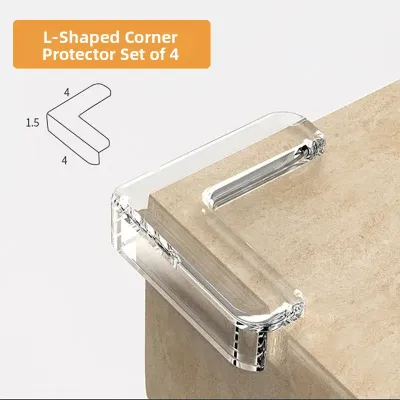
Prices are valid at publication and may change. Please refer to the product page for the latest price.
Silicone, by contrast, is a dense, solid elastomer. It does not compress as easily as foam; instead, it relies on its natural elasticity and rebound properties to deflect force. While a silicone edge cover protector provides a slimmer profile, it requires a slightly higher impact force to deform. This means that while silicone is highly effective at preventing lacerations and bruises from sharp corners, it offers a firmer surface than thick foam. When choosing silicone, look for hollow-core or ribbed designs, which incorporate internal air gaps to improve shock absorption without adding bulk.
Because material composition alone does not guarantee safety, parents must look closely at product specifications. When shopping, check the packaging for density ratings or thickness measurements. For foam protectors, a thickness of at least 0.4 inches (approx. 10 millimeters) is generally recommended for high-traffic areas. For silicone, look for reinforced corner designs that provide extra material thickness at the exact point of the angle, where impacts are most concentrated.
Another critical safety consideration is the risk of ingestion. Teething babies often explore their surroundings by biting, and soft foam edge protectors can be highly tempting. A persistent toddler can easily bite off small chunks of foam, creating a serious choking hazard. Silicone is exceptionally tough and tear-resistant, making it virtually impossible for a child to bite off pieces. If your baby is in an active teething phase, silicone is generally the safer choice to prevent accidental ingestion.
Regardless of the material you select, chemical safety is paramount. Because these protectors are placed within reach of curious hands and mouths, always verify that the product is free from harmful chemicals. Look for clear labels on the packaging indicating that the product is non-toxic, food-grade, lead-free, and BPA-free. Certifications from recognized testing bodies provide peace of mind that the materials do not contain hazardous plasticizers or flame retardants.
Durability, Adhesion, and Longevity
An edge cover protector must withstand daily bumps, vacuum cleaner collisions, and curious tugging from toddlers. Silicone excels in long-term durability because it resists scratching, biting, and environmental wear. It does not degrade when exposed to sunlight or moisture, allowing it to maintain its structural integrity and clean appearance for years. This makes silicone highly cost-effective over the long run, as it rarely needs replacement due to material breakdown.

Foam, being a porous and softer material, is more susceptible to physical damage. Over time, repeated compression can cause foam to lose its springiness, leaving it permanently flattened in high-impact zones. Additionally, in tropical climates like the Philippines, high humidity and warm temperatures can accelerate the degradation of certain foam materials, causing them to become sticky, crumbly, or discolored. If you choose foam, plan on inspecting it regularly and replacing sections that show signs of wear.
Adhesive performance is the second half of the durability equation. Most edge protectors rely on double-sided acrylic tape to secure the material to furniture. Because silicone is naturally non-stick, it requires specialized, high-bond adhesives to stay firmly attached. If the adhesive backing is low-quality, silicone protectors may peel away at the corners. Foam, with its textured and porous backing, generally bonds very easily to standard double-sided tapes, though its flexibility means a determined toddler can still peel it off if they find a loose edge.
When it comes time to remove baby-proofing gear, the adhesive that kept the protector secure can pose a threat to your furniture. Strong adhesives can strip away delicate wood veneers, lift paint, or leave behind a stubborn, sticky residue. Generally, the longer an adhesive remains on a surface, the more difficult it is to remove cleanly. Foam protectors sometimes tear during removal, leaving a split layer of foam and adhesive stuck to the wood, whereas silicone usually peels off in one solid piece, though it may still leave adhesive residue behind.
To maintain a safe home environment, establish a routine to check the condition of your edge protectors. Look for observable signs of wear, such as thinning foam sections, peeling corners, or adhesive that has lost its tackiness. In humid environments, check underneath the protectors occasionally to ensure no moisture has trapped itself between the adhesive and the furniture, which can ruin wood finishes and compromise the bond. Replace any compromised sections immediately to prevent them from becoming peeling hazards that babies can easily pull off.
Installation, Maintenance, and Furniture Compatibility
Matching the protector material to the specific type of furniture in your home ensures both reliable protection and aesthetic harmony. Silicone’s flexibility and semi-transparent or slim profile make it highly compatible with modern, minimalist furniture, glass coffee tables, and narrow metal frames. It conforms easily to tight curves and preserves the visual appeal of the furniture. Foam, with its bulkier and opaque appearance, is best suited for wide, flat wooden surfaces, heavy dining tables, and brick hearths where maximum coverage is needed.
Proper surface preparation is the single most important step for ensuring a long-lasting bond, regardless of whether you choose foam or silicone. Before applying any adhesive, clean the furniture edge thoroughly to remove dust, skin oils, polish, and wax. Use rubbing alcohol on a clean cloth, ensuring the surface is completely dry before proceeding. In humid tropical climates, even a thin layer of moisture or sweat on the wood can severely weaken the adhesive bond, causing the protector to peel within days.
+-----------------------------------+-----------------------------------+
| Feature / Requirement             | Foam Protectors                   | Silicone Protectors               |
+-----------------------------------+-----------------------------------+
| Best Furniture Match              | Wide wood, flat edges, brick      | Glass, metal, narrow/curved edges |
| Cleaning Method                   | Dry dusting, light damp wipe      | Wet wipe, mild soapy water        |
| Moisture Resistance               | Low (absorbs liquids/spills)      | High (waterproof, non-porous)     |
| Aesthetic Impact                  | Highly visible, bulky             | Low-profile, often transparent    |
+-----------------------------------+-----------------------------------+
Cleaning routines differ dramatically between the two materials. Silicone is non-porous and waterproof, meaning you can easily wipe away spilled milk, juice, or dust with a damp cloth and mild soapy water. It does not absorb odors or harbor bacteria. Foam, however, is highly porous. Spilled liquids can seep into the material, leading to deep-seated stains and hygiene concerns over time. If foam gets wet, it must be dried quickly to prevent mold growth, especially in humid household areas.
Before committing to a full installation, always test the adhesive on an inconspicuous area of your furniture. This is particularly important for delicate wood veneers, antique pieces, painted surfaces, or furniture in leased homes where damage could result in security deposit deductions. Apply a small piece of the adhesive tape to a hidden spot, leave it for 24 hours, and then remove it carefully to assess whether it lifts the finish or leaves permanent marks.
How to Choose the Right Edge Cover Protector for Your Home
To finalize your baby-proofing plan, use this condition-based decision framework to select the right material for each area of your home.
Choose Foam if:
- You are protecting wide, heavy furniture: Foam is ideal for thick wooden dining tables, TV consoles, and wide fireplace hearths where a bulky, highly cushioned barrier is preferred.
- You want maximum initial impact cushioning: If your primary goal is to provide the softest possible landing for a toddler who is just learning to stand and frequently falls backward, foam offers superior compression.
- You are working within a strict budget: Foam protectors are often highly economical, making them a practical choice for covering large areas of furniture at a lower initial cost, with options frequently available for under ₱300 per roll.
Choose Silicone if:
- Your baby is actively teething: If your child has a habit of chewing on household objects, silicone’s high tear-resistance prevents them from biting off and swallowing dangerous pieces.
- You are protecting glass, metal, or curved edges: Silicone’s flexibility and transparency allow it to conform to round tables and blend seamlessly with glass shelving without ruining the room's aesthetics.
- You prioritize easy cleaning and hygiene: For high-chair trays, kitchen counters, or dining tables where food spills are common, silicone’s wipe-clean surface is highly practical.
Verify First if:
- The product has safety certifications: Always check the packaging to ensure the material is certified non-toxic, BPA-free, and lead-free.
- The adhesive is compatible with your furniture finish: Confirm that the tape will not ruin delicate paint, lacquer, or wood veneers upon removal.
- The dimensions fit your furniture: Measure the width of your table edges to ensure the protector you buy is wide enough to cover the sharpest angles securely.
While edge cover protectors are invaluable tools for reducing the severity of bumps and bruises, they are not a substitute for active adult supervision. Baby-proofing products are designed to create a safer environment, giving parents a vital buffer of time to react, but they cannot eliminate all risks. Combining high-quality edge covers with constant supervision and a wider home safety plan ensures your child can explore their environment safely.
Frequently Asked Questions (FAQ)
Can I use foam and silicone edge protectors together in the same room?
Yes, mixing foam and silicone protectors in the same room is highly practical and often recommended. You can tailor the material to the specific furniture piece; for example, use a transparent silicone protector on a central glass coffee table to maintain a low visual profile, while applying thick foam protectors to a wide wooden TV cabinet in the corner. When mixing materials, try to use consistent adhesive types so that you can apply the same removal and cleaning methods across the room when it comes time to take them down.
How do I safely remove edge protectors without damaging wood furniture?
To remove edge protectors without stripping paint or wood veneer, use gentle heat to soften the adhesive first. Direct a hairdryer set to low or medium heat at the adhesive line for a few minutes, keeping it moving to avoid overheating the wood finish. Once the adhesive warm-softens, slowly and gently peel the protector back at a shallow angle. Avoid pulling straight up with force. If any sticky residue remains, apply a small amount of mild vegetable oil or a dedicated adhesive remover to a cloth, rub the spot gently, and wipe clean.
At what age can I stop using edge cover protectors?
There is no strict age limit for baby-proofing, as children develop physical coordination and spatial awareness at different rates. Generally, parents find they can begin removing edge protectors when their child walks steadily, navigates around furniture with ease, and understands basic safety boundaries—typically between two and three years of age. Observe your child’s coordination and behavior; if they no longer trip frequently and have stopped running blindly into furniture corners, it is usually safe to transition away from edge covers.

Community discussion
Share your experience or ask a question. Comments are reviewed before publication.