
In the warm, tropical climate of the Philippines, keeping baby bottles clean is a top priority for preventing rapid bacterial growth. With average ambient temperatures and high humidity creating an ideal environment for microbes to thrive in leftover milk, a reliable cleaning routine is essential for your infant’s health. Choosing between a foam bottle cleanser and a liquid bottle cleanser is not about finding a single “best” option, but rather matching the formula to your bottle materials, your lifestyle, and your daily washing habits.
Neither format is universally superior. Foam bottle cleansers excel in convenience, quick rinsing, and cleaning narrow-neck bottles immediately after a feed. Liquid bottle cleansers are highly concentrated, making them the superior choice for deep soaking, breaking down heavy, dried-on milk fats, and washing multi-purpose baby gear.
How Foam and Liquid Cleansers Actually Work
To understand which format suits your household, it helps to look at how these cleansers are formulated and dispensed. The primary difference lies in surfactant concentration and how the lather is generated. Surfactants are the active cleaning agents in any soap. They consist of molecules with hydrophilic (water-attracting) heads and hydrophobic (water-repelling) tails. The hydrophobic tails bind to the oils, fats, and proteins in milk, while the hydrophilic heads pull them into the water, allowing them to be rinsed away.
Products mentioned in this guide
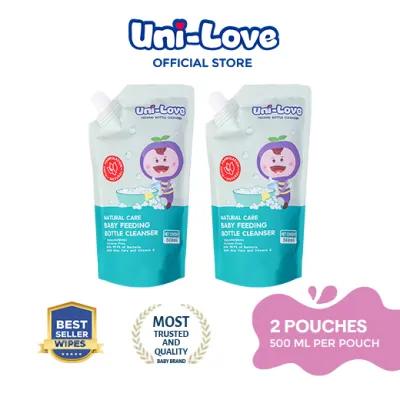
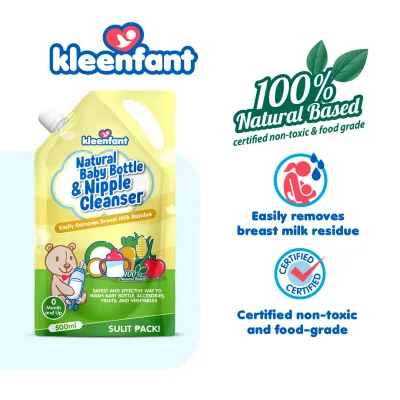
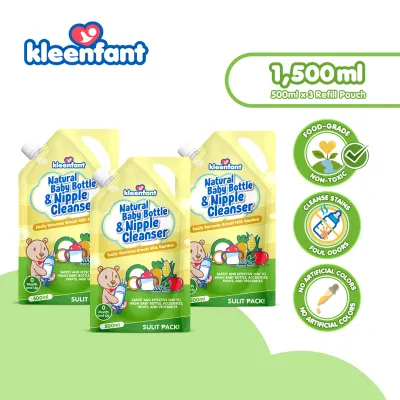
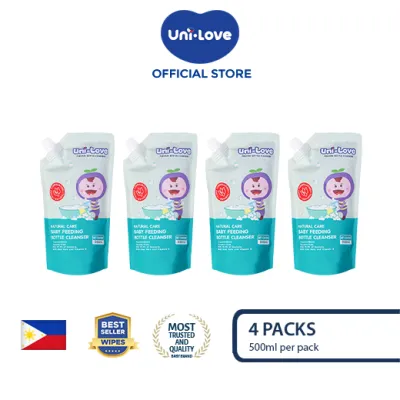
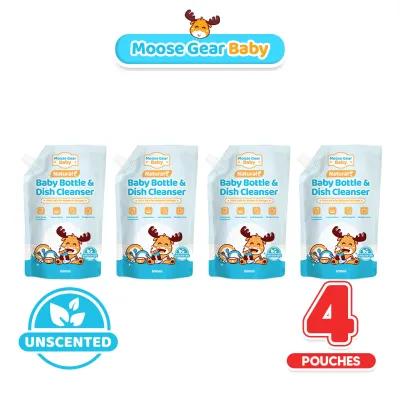
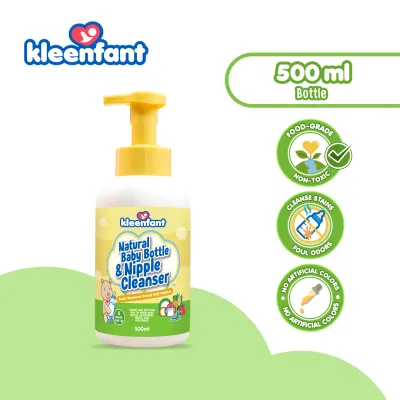
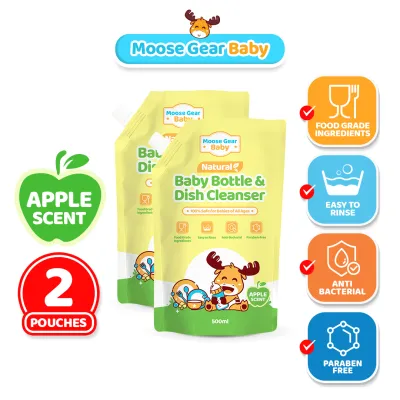
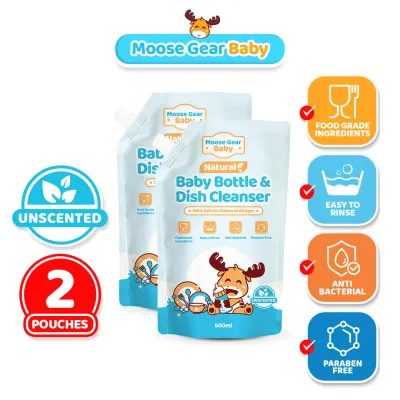
Prices are valid at publication and may change. Please refer to the product page for the latest price.
Liquid bottle cleansers are highly concentrated formulas. They contain a higher percentage of active surfactants per milliliter, which requires manual dilution in water or vigorous rubbing with a bottle brush to activate the lather. When you pour liquid cleanser directly onto a brush or into a basin of water, you are manually dispersing these concentrated agents to break down surface tension. Many liquid cleansers are designed to be highly diluted, often requiring only a few milliliters per liter of water, making them an economical choice for families.
Foam bottle cleansers utilize specialized pump dispensers or pre-aerated formulations. When you press the pump, it mixes a diluted liquid solution with air, instantly creating a rich, lightweight lather. Because the pump performs the aeration work for you, the active ingredients are already fully activated and ready to bind to residues. However, this means foam cleansers generally have a lower concentration of active surfactants per pump compared to an equal amount of undiluted liquid cleanser. You are essentially paying for the convenience of the dilution and the specialized pump mechanism.
These physical differences directly dictate how each format interacts with milk proteins and lipids. Milk contains complex fats and proteins that cling tightly to plastic and glass surfaces. Liquid cleansers rely on concentrated chemical action to emulsify these fats, especially during a soak. Foam cleansers rely on the physical structure of the bubbles to lift loose residues quickly from surfaces without requiring extensive manual lathering.
Cleaning Power: Tackling Milk Fat, Residue, and Odors
Breast milk and infant formula are rich in fats and proteins that quickly spoil, especially in warm, humid conditions. When milk dries, it leaves behind a stubborn, greasy film that requires effective emulsification to remove. The type of milk you feed also plays a role; formula often contains vegetable oils that leave a slicker, more stubborn residue than breast milk, requiring a robust cleaning agent.

Milk Fat and Protein Breakdown
Liquid cleansers have a distinct advantage when dealing with dried-on milk residue. Because of their concentrated nature, they are highly effective when diluted in a basin of warm water for a deep soak. The concentrated surfactants break down the tough lipid layers and protein structures that have bonded to the bottle walls. If you frequently find yourself cleaning bottles that have sat in a diaper bag for several hours, a liquid cleanser provides the chemical strength needed to dissolve these baked-on residues without requiring exhausting physical scrubbing.
Foam Penetration
Foam cleansers offer excellent immediate coverage. The light, airy bubbles spread rapidly across the interior surfaces of a bottle, clinging to the vertical walls and penetrating hard-to-reach crevices, such as the threads of the bottle neck. This makes foam incredibly efficient for fresh bottles that only require a quick scrub. However, because foam contains more air and less concentrated surfactant, it may require more physical scrubbing with a high-quality bottle brush if you are trying to remove dried, stubborn milk rings.
Odor Removal
Lingering sour milk odors are a common frustration for parents, particularly on silicone parts. Odors are caused by volatile compounds trapped in microscopic pores. Soaking bottle components in a warm water solution mixed with liquid cleanser is generally the most effective way to neutralize these deep-seated smells. While foam can neutralize surface odors during a quick wash, it does not remain in contact with the material long enough to draw out deeply embedded odors from older or heavily used bottle components.
Material Compatibility: Matching Cleanser to Glass, Plastic, and Silicone
Baby bottles are manufactured from several different materials, each with unique physical properties. Matching your bottle cleanser to your bottle material helps extend the lifespan of your feeding gear and prevents physical degradation.
Plastic (PP, PPSU, PES)
Plastic bottles are lightweight and shatterproof, but they are highly susceptible to micro-scratches and cloudiness over time. Polypropylene (PP) is a softer plastic that scratches very easily, creating tiny crevices where bacteria and milk fats can hide. Polyphenylsulfone (PPSU) is highly durable and heat-resistant, but it can still cloud if exposed to harsh, undiluted liquid cleansers. Foam cleansers act as a pre-lathered, lubricating cushion between the brush bristles and the plastic walls. This reduces friction, helping to prevent the micro-scratches that degrade plastic bottles.
Glass
Glass bottles are highly durable, non-porous, and resistant to chemical wear and odors. Because glass does not scratch easily and can withstand high temperatures, both foam and liquid cleansers work exceptionally well. If you prefer glass bottles, your choice can depend entirely on your routine rather than material limitations. Liquid cleansers are ideal if you like to soak glass bottles in a basin, while foam is perfect for a quick, direct wash at the sink.
Silicone Nipples and Accessories
Silicone is a soft, porous material commonly used for bottle nipples, valves, and breast pump parts. Silicone easily absorbs milk fats and stubborn odors, which can make the material feel greasy or smell sour even after washing. While foam is convenient for a fast rinse of silicone nipples, a periodic deep soak in a diluted liquid cleanser solution is highly beneficial for pulling out absorbed lipids. Always inspect silicone parts for wear, tears, or stickiness, and consult the manufacturer’s care instructions for specific material warnings. If you notice any tears or changes in material texture, stop use immediately and replace the nipple to ensure safety during feeding.
Daily Washing Routine: Convenience, Rinsing, and Time Savings
A parent’s daily routine often dictates which bottle cleanser format feels more practical. Between feeding, sterilizing, and managing household chores, saving even a few minutes can make a significant difference.
Application and Lathering
Foam cleansers are designed for ultimate convenience. With a single pump, you have an instant lather ready to apply directly to your bottle brush or the bottle itself. This eliminates the step of manually creating suds, making foam the ideal choice for quick, immediate washes right after a feeding session. In contrast, liquid cleansers require you to either mix the soap with water in a basin or spend time lathering the soap on the brush before you begin scrubbing. If you prefer to wash-as-you-go, foam is highly efficient; if you prefer batch-washing at the end of the day, liquid is more practical.
Rinsing Efficiency
How easily a soap rinses away is a critical safety consideration. Any soapy residue left behind can contaminate the next batch of milk, potentially irritating your baby’s sensitive digestive system. Foam cleansers are formulated to rinse away quickly and cleanly with minimal water, leaving no slippery residue. Liquid cleansers, being more concentrated and viscous, require thorough, prolonged rinsing under running water to ensure all surfactants are completely washed away. If you live in an area with hard water, rinsing liquid soap can take even longer, making foam a water-saving alternative.
Travel and On-the-Go Use
When packing a diaper bag for outings, portability becomes a major factor. Foam cleansers rely on bulky pump dispensers that can easily be depressed accidentally, leading to messy leaks inside your bag. Liquid cleansers are typically packaged in secure, flip-top or screw-cap bottles that are much more compact and leak-resistant, making them the superior choice for travel, daycare, or family trips.
Ingredient Safety: What to Check on the Label
Regardless of whether you choose a foam or liquid format, the ingredients inside the bottle cleanser are what truly matter for your baby’s health. Because baby bottles come into direct contact with milk that your baby ingests, the cleanser must be safe, non-toxic, and easy to rinse away.
Surfactant Source
Look for cleansers that utilize plant-based surfactants, such as those derived from coconut or corn (for example, decyl glucoside or coco glucoside). Plant-based surfactants are generally milder on the skin and biodegrade more easily than synthetic, petroleum-based alternatives. This is particularly important if you have sensitive skin or if your baby is prone to skin irritations, as residues from harsh synthetic surfactants can be highly irritating. Choosing a gentle formula also protects the caregiver’s hands from drying and cracking during frequent daily washes.
Fragrance and Dyes
It is highly recommended to choose fragrance-free and dye-free formulations. Artificial fragrances and synthetic colorants serve no functional purpose in cleaning and can leave a lingering scent on plastic and silicone bottle parts. This artificial scent can alter the taste of the milk, causing some babies to reject the bottle. Furthermore, synthetic fragrances are common allergens that can trigger sensitivities in infants.
pH Balance
A baby’s digestive tract is incredibly delicate. A bottle cleanser should ideally have a neutral or slightly acidic pH (around 5.5 to 7.0) to match the natural balance of skin and food-grade materials. Highly alkaline formulas can degrade bottle materials faster and are harsher on your hands during daily washing.
Label Verification
It is important to note that terms like “food-grade,” “natural,” or “hypoallergenic” are often used as marketing terms and are not strictly regulated in every market. Always verify these claims by reading the actual ingredient list on the back of the bottle. While certifications and safety standards are dynamic, parents must verify these claims by reading the actual ingredient list on the packaging and checking for up-to-date recall notices from local health authorities. Always follow both the cleanser’s usage instructions and your bottle manufacturer’s care guidelines.
Decision Framework: Choose Foam or Liquid Based on Your Needs
To help you decide which bottle cleanser format to purchase, consider how your daily habits and bottle types align with the strengths of each format.
| Feature | Foam Bottle Cleanser | Liquid Bottle Cleanser |
|---|---|---|
| Active Concentration | Lower (pre-diluted with air) | Higher (highly concentrated) |
| Best Bottle Material | Plastic (PP, PPSU) to prevent scratches | Glass and Silicone (for soaking) |
| Rinsing Speed | Extremely fast, minimal water | Requires thorough, prolonged rinsing |
| Soaking Suitability | Low (bubbles dissipate quickly) | High (ideal for deep-soaking basins) |
| Portability & Travel | Bulky pump, prone to accidental leaks | Compact, secure flip-top or screw cap |
| Cost Efficiency | Higher cost per wash (paying for pump) | Lower cost per wash (highly concentrated) |
Choose Foam If:
- You prefer to wash bottles immediately after every feeding session before milk has a chance to dry.
- You primarily use narrow-neck bottles, which can be difficult to coat evenly with liquid soap.
- You want a fast, water-saving rinsing process that minimizes the risk of soapy residue.
- You live in an area with hard water, where creating a manual lather with liquid soap is difficult and time-consuming.
Choose Liquid If:
- You tend to accumulate bottles throughout the day and prefer to wash them in batches using a soaking basin.
- You need to clean heavy, dried-on milk residues or stubborn fats from breast pump components.
- You use wide-neck glass bottles that are easy to scrub and benefit from a deep soak.
- You need a versatile, multi-purpose cleanser that can also be diluted to wash baby toys, high chairs, and eating utensils.
- You travel frequently and need a compact, leak-proof bottle that fits easily into a diaper bag.
Verify First If:
- Your baby has known skin sensitivities or allergies, in which case you must carefully verify the ingredient list for potential irritants.
- Your premium bottle manufacturer has specific warranty conditions or care instructions that restrict the use of certain chemical agents or abrasive brushes.
Frequently Asked Questions (FAQ)
Can I use regular dish soap instead of a baby bottle cleanser?
Regular dish soaps are formulated to tackle heavy grease on adult cookware and often contain strong synthetic surfactants, artificial fragrances, and dyes. These harsh chemicals are difficult to rinse completely from porous baby bottle materials like silicone and soft plastics. Any remaining residue can leave a chemical taste in the milk or irritate your baby’s sensitive digestive system. Dedicated baby bottle cleansers are specifically formulated to target milk proteins and fats while remaining easy to rinse away cleanly.
Do I need to sterilize bottles after using a bottle cleanser?
Yes, bottle cleansers and sterilizers serve two entirely different, complementary purposes. A bottle cleanser physically removes milk fats, proteins, and residues where bacteria can feed and multiply. However, washing alone does not kill all microscopic pathogens. Sterilization—whether through boiling water, steam, or a UV sterilizer—uses heat or light to eliminate harmful bacteria and viruses. For a safe feeding routine, always clean the bottles thoroughly with a cleanser first to remove physical residue, then proceed with sterilization according to your sterilizer manufacturer’s instructions.

Community discussion
Share your experience or ask a question. Comments are reviewed before publication.