
Fluoride toothpaste is generally safe for toddlers who cannot yet spit, provided caregivers use it in strictly controlled, minimal amounts. Because young children naturally swallow what is placed in their mouths, the primary concern is preventing chronic over-ingestion, which can lead to cosmetic changes in developing permanent teeth. Balancing the proven cavity-fighting benefits of fluoride with the practical realities of toddler behavior requires a careful approach to portion control, proper storage, and regular consultation with a pediatric dentist. By understanding how fluoride works and implementing safe brushing habits, parents can protect their child’s early smile while minimizing any potential risks associated with swallowing toothpaste.
Why Fluoride Matters for Toddler Teeth
To understand why fluoride is a cornerstone of early oral hygiene, it helps to look at how it interacts with developing teeth. Toddler teeth have relatively thin enamel compared to adult teeth, making them highly vulnerable to decay. When a child eats or drinks, bacteria in the mouth feed on the sugars present in food, producing acids that strip away essential minerals from the tooth surface. Fluoride works by integrating into the enamel structure, a process known as remineralization. This mineral reinforcement makes the outer layer of the teeth significantly more resistant to future acid attacks and can even reverse the very early stages of tooth decay before a cavity fully forms.
In tropical regions like the Philippines, where warm weather often leads to frequent consumption of sweet beverages, fruit juices, and sugary snacks, the risk of early childhood caries is particularly high. High humidity and temperature can also influence dietary habits, making chilled, sweetened drinks highly appealing to young children. If left unprotected, primary teeth can decay rapidly, leading to pain, premature tooth loss, and potential alignment issues for the permanent teeth waiting underneath the gums.
Products mentioned in this guide
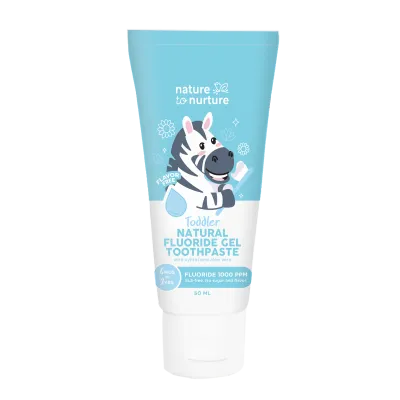
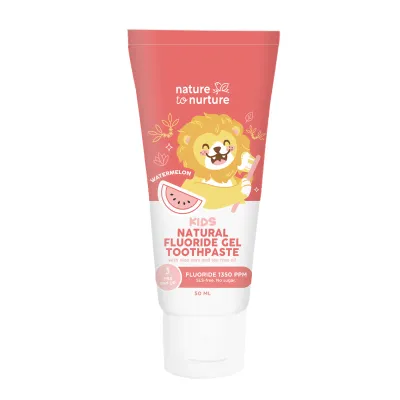
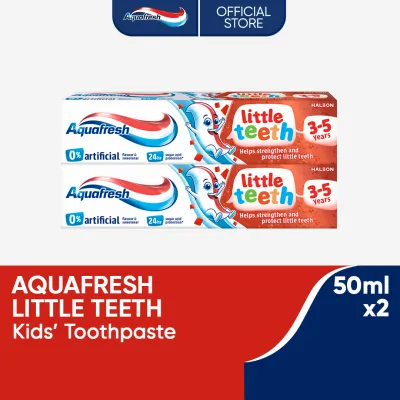
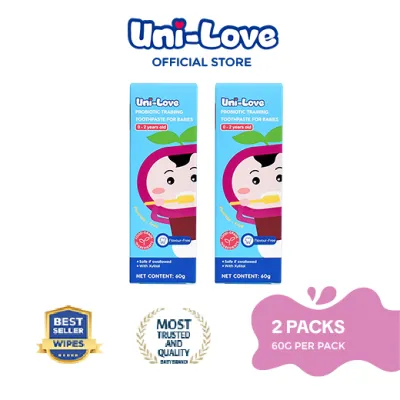
![[BUY 1 FREE 2] Colgate Kids Toothpaste Tiger 40g Pack of 3](https://img.lazcdn.com/g/p/944807338374ecb33d01f20b4a0d812e.jpg_400x400q80.jpg_.webp)
Prices are valid at publication and may change. Please refer to the product page for the latest price.
The fundamental challenge for parents lies in balancing this highly effective cavity prevention with the physical limitations of a toddler. Because toddlers lack the coordination and muscle control required to spit out toothpaste reliably, they will inevitably swallow a portion of whatever is used during brushing. This reality does not mean fluoride must be avoided entirely, but it does mean that caregivers must take absolute control over the application and dosage of the product to ensure the benefits of decay prevention do not turn into risks of over-exposure.
What Happens When Toddlers Swallow Fluoride Toothpaste?
When a toddler swallows a small, controlled amount of fluoride toothpaste during daily brushing, the body typically processes it without any noticeable issues. However, chronic over-ingestion over a prolonged period can lead to a cosmetic condition known as dental fluorosis. Dental fluorosis occurs when excess fluoride is absorbed into the body while the permanent teeth are still forming deep within the gums, usually before the age of eight. This condition does not affect the health or function of the teeth; instead, it manifests as faint white lines, streaks, or spots on the enamel of the permanent teeth once they eventually erupt. In very rare and extreme cases of chronic over-exposure, the enamel may appear slightly uneven or discolored, which is why monitoring intake during the toddler years is so important.

Aside from the long-term cosmetic effects of fluorosis, parents must also be aware of the risks associated with acute ingestion. If a toddler manages to find a tube of toothpaste and swallows a large quantity at once, the high concentration of fluoride can irritate the stomach lining. This acute exposure typically results in mild gastrointestinal distress, such as nausea, vomiting, or abdominal pain. Because many toddler toothpastes are formulated with appealing fruit flavors like strawberry or bubblegum, children may view them as a tasty treat rather than a cleaning agent, increasing the risk of accidental consumption.
Differentiating between these two scenarios is key to managing anxiety around oral care. Occasional, tiny swallows of an age-appropriate smear of toothpaste during your morning and evening brushing routine are not a cause for panic. The amount of fluoride in a single, properly measured smear is extremely small and designed to be safe even if fully ingested. The real danger lies in unsupervised access to the toothpaste tube or consistently using adult-strength formulations that contain much higher concentrations of fluoride.
How to Brush Safely When Your Toddler Cannot Spit
Minimizing the risks of fluoride ingestion while maintaining an effective cleaning routine comes down to practical, daily habits. The most critical step is strict portion control. For toddlers who cannot yet spit reliably, dental professionals generally recommend using a tiny smear of fluoride toothpaste, often described as no larger than a single grain of rice. This minuscule amount provides enough fluoride to protect the enamel when spread across the bristles of a toddler toothbrush, but contains so little total fluoride that swallowing it poses virtually no risk of fluorosis or stomach upset. Always check the product packaging for specific manufacturer guidelines regarding age and portion sizes, as formulations can vary.
Active caregiver supervision is non-negotiable during this developmental stage. Toddlers do not possess the manual dexterity to brush their own teeth effectively, nor do they understand the importance of not swallowing the paste. A parent or caregiver should physically perform the brushing, carefully applying the tiny smear of toothpaste deep into the bristles so it does not get swallowed in one clump. Keep the toothbrush out of the child’s independent reach until you are ready to guide their hand, ensuring they do not use the brush as a teething toy coated in excess paste.
While your toddler is still learning, you can begin introducing techniques to encourage spitting. Make spitting a fun, interactive game during your daily routine. You can model the behavior by exaggerating your own spitting action into the sink, making a playful sound, and encouraging your child to copy you. Even if they only manage to spit out a tiny amount of saliva, praise their efforts to build positive reinforcement. You can also practice spitting with small sips of clean, safe water once they show signs of understanding the concept, helping them transition gradually to independent spitting.
Finally, proper storage of oral care products is essential for preventing accidental ingestion. In warm, humid environments, store toothpaste in a cool, dry, and elevated cabinet that is completely inaccessible to curious hands. Never leave a tube of flavored toddler toothpaste on the bathroom counter or sink ledge where a child might reach it during play. Treating toothpaste with the same safety precautions as household medications ensures that your child only interacts with fluoride under your direct, measured supervision.
Fluoride vs. Fluoride-Free: Which Toothpaste Is Right for Your Child?
Choosing between fluoride and fluoride-free toothpaste requires evaluating your child’s specific oral health needs, developmental stage, and risk factors. Fluoride-free toothpastes, often formulated with ingredients like xylitol, are an excellent option for very young infants before their first teeth erupt, or for toddlers whose parents prefer to avoid fluoride entirely until the child can spit reliably. These formulations help clean the gums and early teeth, removing food debris and plaque buildup without any risk of systemic fluoride absorption. If your child has a specific medical condition or if you live in an area with naturally high levels of fluoride in the local drinking water, a fluoride-free option may be highly appropriate.
On the other hand, fluoride toothpaste is widely recognized as the standard for preventing early childhood cavities, especially once multiple teeth have erupted and the child transitions to a wider variety of solid foods. If your toddler has a family history of early cavities, frequently consumes sweet snacks, or shows early signs of enamel demineralization, a fluoride formulation is often deemed necessary by dental professionals to protect their teeth from rapid decay. The decision should not be based on guesswork; instead, parents should inspect the ingredient lists on product packaging to verify the fluoride concentration, which is typically measured in parts per million (ppm), and ensure it matches age-appropriate recommendations.
Ultimately, the best way to resolve the fluoride debate for your household is to seek a professional assessment from a pediatric dentist. A dentist can examine your toddler’s teeth, evaluate their diet and oral hygiene habits, and determine if local water supplies provide adequate systemic fluoride. This personalized evaluation allows you to make an informed choice, ensuring you select a toddler toothpaste that offers the right balance of protection and safety tailored to your child’s unique development.
When to Consult a Pediatric Dentist or Doctor
While home oral care is highly effective, there are specific situations where professional intervention is necessary. Parents should closely monitor the appearance of their toddler’s teeth during daily brushing. If you notice any unusual changes, such as chalky white patches, yellow or brown spots, or signs of sensitivity and discomfort when your child eats cold or warm foods, it is time to schedule a dental visit. These visual cues can indicate early decay or developmental enamel issues that require prompt professional treatment rather than changes in home brushing habits alone.
Routine dental check-ups should ideally begin by the child’s first birthday or within six months of the eruption of their first tooth. These early visits are crucial for establishing a preventive care plan, allowing the dentist to monitor enamel development and provide tailored advice on fluoride usage. A pediatric dentist can also demonstrate proper brushing angles and help you assess whether your child is ready to transition to larger portions of toothpaste as they grow.
In the event of an emergency—such as a toddler finding and consuming a significant portion of a toothpaste tube—caregivers must act quickly. If your child exhibits signs of acute fluoride ingestion, such as persistent vomiting, severe abdominal pain, or unusual lethargy, seek immediate medical attention from a doctor or contact a local poison control center. Do not wait for symptoms to worsen; professional medical guidance is essential to ensure your child’s safety and well-being after accidental over-consumption.
Frequently Asked Questions (FAQ)
Can I use adult toothpaste for my toddler in an emergency?
It is highly discouraged to use adult toothpaste for a toddler, even in an emergency. Adult formulations contain significantly higher concentrations of fluoride, which greatly increases the risk of dental fluorosis and acute stomach upset if swallowed by a young child who cannot spit. Additionally, adult toothpastes often feature strong menthol or mint flavors that can cause a burning sensation in a toddler’s sensitive mouth, potentially leading to a fear of brushing and future resistance to oral hygiene routines. If you run out of toddler toothpaste, it is safer to brush your child’s teeth with a damp toothbrush and plain water until you can purchase an age-appropriate product.
What should I do if my toddler eats a large amount of toothpaste?
If your toddler consumes a large amount of toothpaste directly from the tube, remain calm and take immediate steps to minimize stomach irritation. Offer your child a small glass of milk or a serving of yogurt, as the calcium in dairy products binds with fluoride in the stomach, helping to reduce its absorption and ease potential nausea or discomfort. Monitor your child closely for symptoms like vomiting, drooling, or abdominal pain, and contact a healthcare professional, pediatric dentist, or local poison control hotline immediately for specific guidance based on the estimated amount ingested and your child’s weight. Keep the toothpaste tube handy so you can read the exact ingredients and concentration to the medical professional.

Community discussion
Share your experience or ask a question. Comments are reviewed before publication.