
Starting the journey of introducing solid foods to your baby girl is an exciting milestone that marks a major step in her physical and sensory development. As she transitions from a diet of purely breast milk or formula to exploring new textures and flavors, having the right tools on hand can make this transition smoother, safer, and far less stressful for you. A complete feeding set designed for a baby girl should prioritize ergonomic designs that match her developing motor skills, durable materials that can withstand daily sterilization, and practical features that keep mealtime messes contained.
While it is incredibly tempting to focus solely on beautiful pastel pinks, floral patterns, or cute animal themes, the primary focus must always remain on safety and functionality. The ideal starter set should include a reliable suction bowl or plate to prevent accidental spills, a soft-tipped spoon that protects her delicate gums, a waterproof bib with a deep pocket to catch stray food, and a small training cup to help her practice drinking. By selecting items that balance aesthetic appeal with rigorous safety standards, you can create a positive, engaging, and safe dining environment for your little one.
In the tropical climate of the Philippines, where humidity can affect how materials wear and how easily bacteria can grow, choosing the right feeding gear requires extra care. High-quality, food-grade materials that are easy to wash, quick to dry, and safe to sterilize are essential for maintaining hygiene. Understanding what to look for in a starter set will help you make informed purchasing decisions, ensuring that every peso spent contributes to a happy and healthy feeding journey for your baby girl.
Products mentioned in this guide
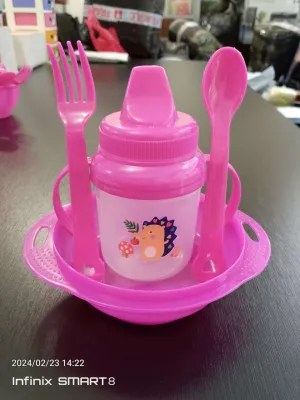
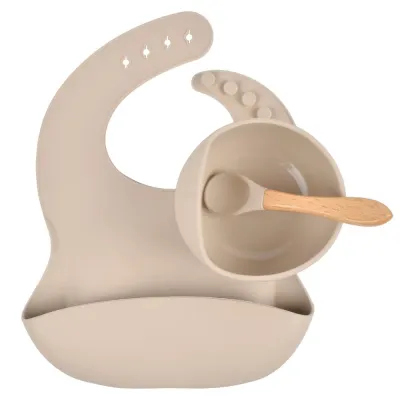
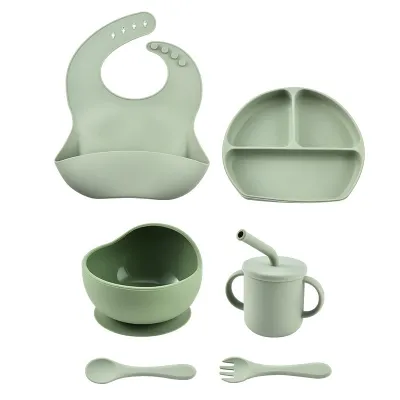
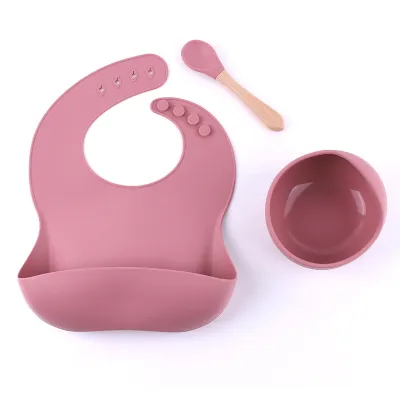
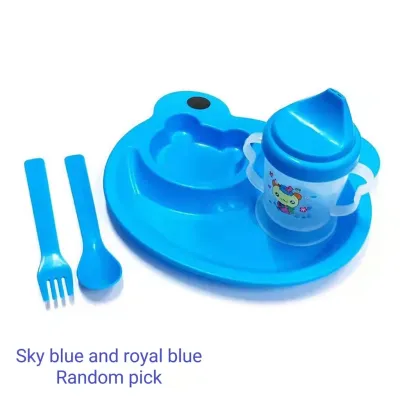
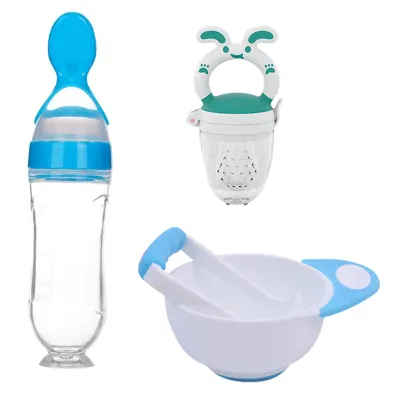
Prices are valid at publication and may change. Please refer to the product page for the latest price.
Must-Have Components for Your Baby's First Feeding Set
Introducing solids is as much about sensory exploration as it is about nutrition. During the first few months, your baby girl will use her hands, mouth, and eyes to understand food, which inevitably leads to a lot of play and mess. Having the right components in her feeding set helps manage this chaos while supporting her natural urge to self-feed.
Bowls and plates with suction bases are arguably the most critical items in any starter set. Babies at six months old are still developing their hand-eye coordination and love to grab, push, and throw objects within their reach. A bowl or plate with a strong suction base adheres firmly to the highchair tray or dining table, preventing your baby girl from flipping her entire meal onto the floor. When choosing these items, look for a wide, flat suction pad at the bottom rather than multiple small suction cups, as a single large base generally provides a more reliable seal on non-porous surfaces like plastic or glass.
Soft-tipped spoons and easy-grip utensils are essential for protecting your baby’s sensitive oral cavity. Traditional metal spoons are too hard for a baby’s tender gums and can cause discomfort if she accidentally bites down too hard, potentially leading to food aversion. Instead, opt for spoons made of soft, flexible silicone or rounded, BPA-free plastic. The handle should be short and thick enough for her small hands to grasp easily if she attempts to feed herself, yet long enough for you to comfortably guide the spoon during parent-led feeding sessions.
Waterproof bibs with deep catch pockets are your primary defense against daily laundry mountains. Fabric bibs quickly absorb liquid purees, mashed fruits, and water, which can leave your baby’s chest damp and lead to skin irritation or rashes, especially in warm, humid weather. A waterproof silicone or coated plastic bib can be wiped clean in seconds and features a wide, stay-open pocket at the bottom. This pocket catches falling food, crumbs, and spills, keeping your baby girl’s clothes clean and reducing the amount of food that ends up on her lap or the floor.
Training cups or small open cups should also be introduced early in the weaning process. Learning to sip water from a cup is a distinct motor skill from sucking milk from a bottle or breast. A small, open cup designed for tiny hands helps promote proper jaw and tongue development. Alternatively, a weighted straw cup allows your baby girl to drink from any angle without spilling, making it an excellent transitional tool. Look for cups with dual handles that allow her to maintain a secure, balanced grip as she practices raising the cup to her mouth.
Material Safety and Label Checks for Feeding Gear
When it comes to products that directly contact your baby’s food, material safety is non-negotiable. Because babies frequently chew on their spoons, bowls, and bibs, you must be vigilant about verifying the chemical composition and manufacturing standards of every item in her feeding set.

Verifying food-grade silicone and BPA/BPS-free certifications is the first step in ensuring chemical safety. High-quality baby feeding sets are typically made from 100% food-grade silicone, which is naturally hypoallergenic, resistant to bacteria, and free from harmful chemicals. Before purchasing, examine the product packaging or the manufacturer’s official website for clear certifications such as FDA approval or LFGB compliance, which is the strict European standard for food-contact materials. Ensure the labels explicitly state that the items are free from Bisphenol A (BPA), Bisphenol S (BPS), lead, phthalates, and PVC.
Checking manufacturer labels for temperature limits is crucial for proper sanitation. In the Philippines, where warm temperatures and humidity can encourage bacterial growth on damp surfaces, sterilizing baby gear is a common daily routine. However, not all materials can withstand the high heat of steam sterilizers, UV sterilizers, boiling water, or microwaves. Always read the manufacturer’s instructions to verify the exact temperature limits of each component. While pure silicone can generally tolerate temperatures up to 220°C, plastic components, suction valves, or decorative prints may warp, degrade, or leach chemicals if exposed to extreme heat.
Inspecting items for small parts, weak seams, or choking hazards must be done before the first use and after every single wash. Over time, repeated washing, sterilization, and baby biting can cause materials to wear down. Check silicone spoons for tiny tears or cracks that could harbor bacteria or break off entirely, posing a choking risk. Inspect multi-piece utensils or cups to ensure that valves, straws, or decorative elements are securely attached and cannot be easily pulled apart by a curious baby. If you notice any signs of peeling, cracking, or structural weakness, discontinue use immediately.
Balancing Aesthetics and Function for Your Baby Girl
It is completely natural to want a feeding set that looks beautiful and coordinates with your home decor or your baby girl’s nursery theme. However, practical usability and ease of cleaning should never be sacrificed for visual appeal.
Evaluating how light-colored or pastel designs stain is a highly practical consideration for daily use. Many gorgeous feeding sets for baby girls feature soft pastel pinks, creams, lavenders, or light peach tones. While these colors look stunning in photos, they are highly susceptible to staining when exposed to vibrant, naturally pigmented foods. In the Philippines, common starter foods include squash (kalabasa), carrots, sweet potatoes (kamote), and tomato-based purees. The natural beta-carotene and pigments in these foods can leave stubborn orange or yellow stains on light-colored silicone. If you prefer pastel shades, be prepared to wash the items immediately after meals, or consider choosing slightly darker, richer tones that hide stains more effectively.
Prioritizing ergonomic shapes and functional depths over novelty designs ensures a smoother feeding experience. Plates shaped like cartoon characters, flowers, or animals are incredibly cute, but they often feature irregular compartments with sharp corners. These tight corners make it difficult for a baby who is learning to scoop food with a spoon, leading to frustration during mealtime. A simple, round bowl with a curved, inward-sloping rim is far more functional, as it helps guide the food onto the spoon naturally. Ensure the bowl is deep enough to hold purees and semi-solids without spilling over the edges easily.
Mixing neutral, easy-to-clean base items with themed accessories is an excellent way to balance aesthetics with daily practicality. You do not need every single item to be highly decorated or color-coordinated. Consider investing in durable, stain-resistant neutral-colored suction bowls and plates as your daily workhorses. You can then add personality and charm to the setup with colorful, patterned bibs, personalized spoons, or themed placemats that are easier to clean, less prone to staining, and more affordable to replace as your baby girl’s preferences evolve.
Building Your Set: Bundles vs. Individual Pieces
As you prepare to purchase your baby girl’s first feeding set, you will find a wide variety of options ranging from comprehensive multi-piece bundles to individual standalone items. Deciding how to build your set depends on your budget, your baby’s specific developmental pace, and your daily mealtime routine.
Comparing the cost-effectiveness of pre-packaged sets versus individual pieces can help you manage your budget effectively. Pre-packaged feeding sets, which often include a suction plate, a bowl, a spoon, a bib, and a cup, typically range from ₱500 to ₱2,500 on local online marketplaces and baby boutiques. While these bundles offer a cohesive aesthetic and are often cheaper than buying each item separately, they may contain pieces your baby is not ready to use yet. For instance, a bundle might include a fork and spoon set designed for a toddler with advanced motor skills, meaning those items will sit in your cupboard unused for months. If you are on a budget, starting with just one high-quality suction bowl and a soft spoon can be a more practical and economical choice.
Identifying which items are quickly outgrown versus those that serve as long-term investments will guide your purchasing strategy. Tiny, ultra-soft starter spoons are fantastic for the first few weeks of smooth purees, but as your baby girl transitions to thicker textures and begins to feed herself, she will quickly outgrow them in favor of wider, firmer utensils. On the other hand, a high-quality silicone suction plate, a deep suction bowl, and a durable waterproof bib can easily transition with her from infancy into her toddler years, making them highly worthwhile investments that justify a slightly higher upfront cost.
Reviewing return policies and warranty conditions before checking out is a smart habit for any parent. Suction bases are notoriously dependent on the surface they are placed on; a bowl that sticks perfectly to a glass table might slide right off a textured plastic highchair tray. Before purchasing, check the seller’s return policy regarding defective suction bases, material peeling, or manufacturing flaws. Choosing reputable brands or authorized local distributors ensures that you have recourse if the product does not perform as expected or fails to adhere to your specific highchair setup.
Frequently Asked Questions (FAQ)
Do I need a specialized food processor for making baby purees?
While specialized baby food makers that steam and blend food in a single appliance offer undeniable convenience, they are by no means a necessity. Standard kitchen appliances, such as a regular household blender, a food processor, or even a simple manual hand blender, can easily achieve the smooth, lump-free consistency required for early purees. For soft-cooked fruits and vegetables like bananas, avocados, or boiled squash, a simple manual fork or metal potato masher is often more than sufficient. If you choose to use standard kitchen tools, ensure they are thoroughly cleaned and sanitized before preparation to avoid cross-contamination with adult foods, particularly strong spices, chili, or common allergens.
When should I transition from a baby feeding set to regular tableware?
The transition from specialized baby feeding gear to standard household tableware depends largely on your child’s fine motor skills, grip strength, and behavioral readiness. Most children are ready to start transitioning away from suction plates and soft-tipped silicone utensils between 18 and 24 months of age. You can observe milestones such as her ability to hold a spoon with a mature grip, her capacity to guide food to her mouth without frequent spills, and her understanding that plates must remain on the table rather than being lifted or thrown. Always monitor her progress during meals, and consult your pediatrician or a pediatric occupational therapist if you have questions about her physical coordination or feeding milestones.

Community discussion
Share your experience or ask a question. Comments are reviewed before publication.