
Choosing furniture for your child’s room requires balancing aesthetics, functionality, and safety. In the Philippines, where tropical humidity, dust, and space constraints in urban homes are daily realities, finding the right toddler toy organizer involves more than just picking a cute design. A well-chosen organizer does not simply keep clutter off the floor; it serves as a vital tool for your child’s developmental journey, fostering independence, motor skills, and a sense of order.
By selecting a storage system tailored to your toddler’s physical capabilities and your home’s environment, you can transform cleanup time from a daily struggle into an engaging learning routine. This guide outlines the essential safety features, material considerations, and layout strategies to help you make an informed decision for your nursery.
Key Features to Evaluate for Toddler Safety and Independence
Toddlers are natural climbers and explorers who are still developing their balance and coordination. Any furniture placed in their environment must be structurally sound and designed to minimize physical risks. When evaluating potential organizers, safety must be your primary consideration, followed closely by features that support your child’s growing autonomy.
Products mentioned in this guide
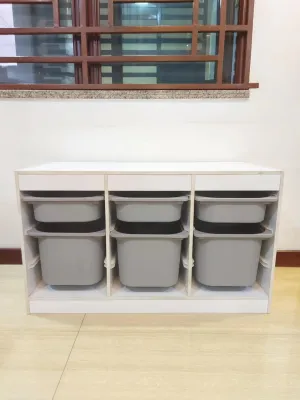
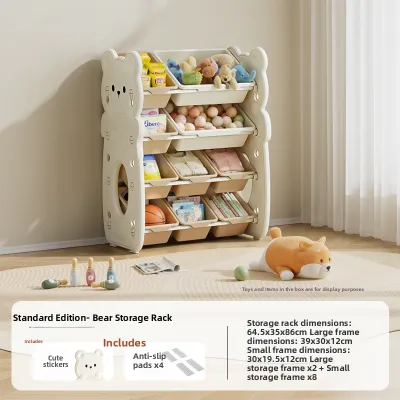
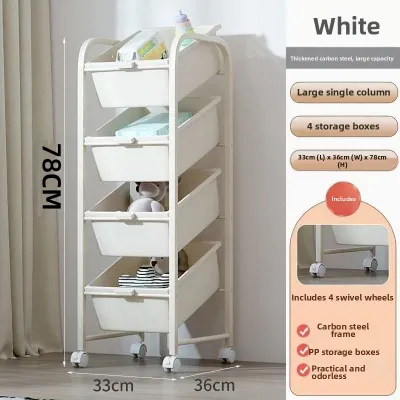
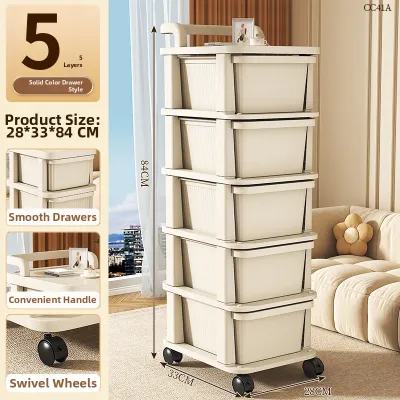
Prices are valid at publication and may change. Please refer to the product page for the latest price.
Anti-tip protection is a critical safety feature for any nursery furniture. Toddlers often pull themselves up using shelves or try to climb them to reach a toy on a higher tier. Look for organizers that explicitly include wall-anchoring hardware. If a product does not come with these anchors, plan to purchase heavy-duty safety straps or L-brackets separately to secure the unit firmly to the wall.
To encourage independent play and cleanup, the top shelf or bin of the organizer should be at or below your toddler’s shoulder height. This allows them to see, reach, and return toys without needing to stretch, climb, or ask for assistance. A low profile also gives the entire unit a lower center of gravity, making it inherently more stable and less prone to tipping.
Sharp corners pose a significant risk for toddlers who are still mastering their footing. Inspect product descriptions and photos for rounded corners, chamfered edges, and recessed hardware. Exposed screws, bolts, or rough wooden splinters can snag clothing or scratch delicate skin, so smooth finishes are essential.
If the organizer includes drawers, cabinet doors, or a traditional toy chest lid, look for safety features like soft-close hinges, finger cutouts, or open-front designs. Avoid heavy, free-falling lids that can trap small hands or heads. While these safety features greatly reduce risks, they do not replace active caregiver supervision. Regularly inspect the organizer for loose screws, cracked plastic, or worn parts to ensure it remains safe for daily use.
Matching Organizer Types to Your Nursery Layout and Toy Collection
Different storage designs serve different organizational purposes. Matching the style of the organizer to your child’s toy collection and the layout of your nursery will make cleanup more efficient and keep the room looking tidy.

Open low shelving, often associated with Montessori principles, displays a limited number of toys clearly on open shelves. This layout prevents sensory overload, allowing your toddler to focus on one activity at a time. It is ideal for larger items, wooden blocks, puzzles, and books. Because everything is visible, it encourages toddlers to choose their playthings deliberately and return them to their designated spots.
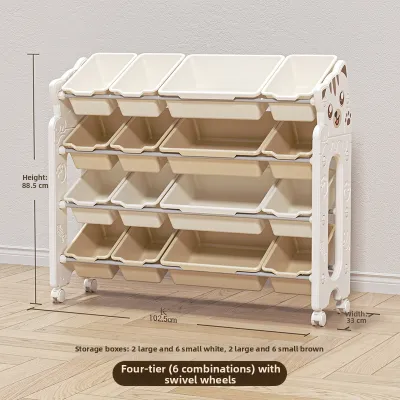
Multi-bin storage racks feature rows of plastic or fabric bins resting on angled metal or wooden rods. The angled design is highly practical because it keeps toys visible and accessible from a toddler’s eye level. Toddlers can easily lift entire bins out to carry them to their play area. This type of organizer is excellent for sorting smaller, categorized toys like building bricks, toy cars, or craft supplies.
Traditional toy chests offer a classic look but can easily become cluttered deep wells where toys are piled on top of each other. This makes it difficult for a toddler to find specific items without dumping the entire contents onto the floor. If you choose a toy chest, look for one with internal dividers, or use it solely for large, bulky items like plush toys. Ensure it has built-in ventilation holes and a certified safety hinge that holds the lid open at any angle.
Modular cubby systems offer great flexibility for growing families. You can leave some cubbies open for displaying books or toys, and insert fabric or plastic drawers into others to hide clutter. This system can easily adapt as your child grows, transitioning from toy storage to schoolbook and hobby storage in later years.
In urban Philippine homes, such as apartments or townhouses in Metro Manila, nursery spaces can be compact. Consider multi-functional organizers, such as a low storage bench that provides seating on top and pull-out bins underneath. Utilizing corner spaces with specialized corner shelving can also maximize floor space while keeping the center of the room open for active play.
Assessing Material Quality and Maintenance Needs
The Philippine climate presents unique challenges for furniture maintenance. High relative humidity and warm temperatures can cause wood to warp, engineered wood to swell, and fabrics to harbor mold, mildew, and dust mites. Choosing the right material is essential for longevity and hygiene.
Solid wood, such as rubberwood, pine, or mahogany, is highly durable and offers excellent structural stability. It can withstand years of heavy use and holds fasteners securely. However, ensure the wood is treated with non-toxic, lead-free finishes. Check product specifications for certifications regarding safe paints and varnishes. While solid wood is heavier and helps prevent tipping, it requires a higher initial investment.
Engineered wood, including Medium-Density Fiberboard (MDF) and particle board, is very common on local e-commerce platforms due to its affordability and modern designs. However, low-quality engineered wood can swell and disintegrate if exposed to moisture or liquid spills. If choosing engineered wood, look for moisture-resistant grades and verify that the product complies with low-formaldehyde emission standards, such as E1 or CARB Phase 2. Keep these units away from damp walls or windows prone to condensation.
High-grade, BPA-free plastic organizers are exceptionally practical for tropical climates. They are completely immune to mold, mildew, and water damage. Cleaning is straightforward: you can wipe them down with a damp cloth and mild soap, or even take the bins outdoors to wash them with a hose. They are lightweight, making them easy to rearrange, but ensure the frame itself is sturdy enough not to tip when fully loaded.
Fabric and canvas bins are soft, lightweight, and virtually eliminate the risk of impact injuries. However, they easily absorb moisture and dust. In humid environments, they can develop a musty odor if not maintained. Opt for fabric bins made from breathable, washable canvas or those with removable, washable liners. Regular vacuuming and sun-drying can help keep dust mites and mold at bay.
Building Your Shortlist: A Step-by-Step Selection Checklist
To find the right organizer for your nursery, follow this step-by-step framework to narrow down your options on local online marketplaces and specialty baby boutiques.
- Step 1: Measure and Map Your Space. Measure the exact footprint where the organizer will stand. Note the height of nearby windows, light switches, and electrical outlets. Ensure there is enough clearance for your toddler to move around the unit safely without bumping into other furniture.
- Step 2: Assess Your Child's Current Reach. Measure your toddler's standing height and comfortable upward reach. The primary storage zones should fall within this range to promote independent access and prevent climbing.
- Step 3: Audit the Toy Collection. Take stock of what you actually need to store. Do you have mostly small, loose items requiring multiple small bins, or large, bulky playsets requiring open shelves? Grouping toys beforehand prevents buying an organizer with incompatible compartment sizes.
- Step 4: Verify Safety and Stability Features. Look closely at product listings for safety indicators. Does it mention rounded corners? Is an anti-tip wall anchor kit included? If not, add a compatible safety strap to your shopping cart. Avoid units with glass elements, sharp metal edges, or small detachable parts.
- Step 5: Evaluate Material and Climate Compatibility. Choose materials that match your room's ventilation. If the nursery is air-conditioned and dry, engineered wood or fabric bins work well. If the room relies on natural ventilation and experiences high humidity, prioritize high-quality plastics or treated solid wood.
- Step 6: Check Assembly and Maintenance Requirements. Read customer feedback regarding assembly difficulty. Ensure the manufacturer provides clear instructions. Verify that all surfaces can be easily cleaned with standard, child-safe household cleaners.
Frequently Asked Questions (FAQ)
How can I encourage my toddler to put toys away independently?
Start by simplifying your storage system. If a system is too complex, a toddler will quickly lose interest or become frustrated. Use clear, visual labels on bins, such as a picture of a car for the vehicle bin and a picture of a block for the building bin. Implement a toy rotation system where only a few toys are available at any given time, reducing clutter and making cleanup less overwhelming. Finally, establish a consistent cleanup routine, turning it into a collaborative, playful activity rather than a chore.
Are fabric bins safer than plastic or wooden boxes for toddlers?
Fabric bins offer excellent physical safety because they are soft, lightweight, and have no sharp edges, making them ideal for very young toddlers who are still wobbly on their feet. However, they lack the structural support needed for heavy items and can harbor dust and moisture. Plastic bins are highly durable, easy to sanitize, and moisture-resistant, though they can crack if stepped on. Wooden boxes provide the best structural stability and longevity but require rounded edges and safety hinges to prevent injuries. The safest choice depends on your child’s developmental stage and the types of toys being stored.
What should I check when buying second-hand or discounted organizers?
When purchasing pre-loved or heavily discounted storage units, safety must be your primary concern. Inspect the unit thoroughly for structural integrity, ensuring there are no cracks, deep splinters, or loose joints. Check for missing hardware, particularly the specialized screws or brackets required for stability and wall anchoring. If the organizer is painted, verify that the paint is intact and non-toxic, as older or cheaply manufactured items may contain lead or other harmful chemicals. Finally, search online for the manufacturer’s name and model to ensure the product has not been recalled for safety hazards.

Community discussion
Share your experience or ask a question. Comments are reviewed before publication.