
Finding a safe and effective way to keep your baby’s skin dry is a top priority, especially in the tropical climate of the Philippines. High humidity, intense summer heat, and active play often lead to sweat accumulation in delicate skin folds, resulting in chafing, sweat rash, or prickly heat, locally known as bungang araw. For generations, baby powder has been the go-to solution for absorbing excess moisture and reducing friction. However, growing awareness of the respiratory risks associated with traditional talcum powder has prompted many parents to seek safer alternatives.
Choosing the right talc-free baby powder involves understanding which plant-based ingredients are safest for sensitive skin, evaluating different product formats to minimize inhalation risks, and knowing how to verify product authenticity. By focusing on gentle, natural starches and safe application techniques, you can protect your baby’s skin barrier while keeping them comfortable and dry throughout the day. This guide provides a comprehensive framework to help you evaluate, select, and safely use talc-free alternatives available in the local market.
Why Parents Are Switching to Talc-Free Alternatives
Traditional baby powders rely on talc, a naturally occurring clay mineral composed of magnesium, silicon, and oxygen. While talc is highly effective at absorbing moisture and reducing friction, its physical properties and mining process have raised significant safety concerns. Talc deposits are frequently found in close proximity to asbestos, a known carcinogen. Despite modern purification processes, the risk of trace asbestos contamination remains a primary concern for parents and pediatricians worldwide.
Products mentioned in this guide
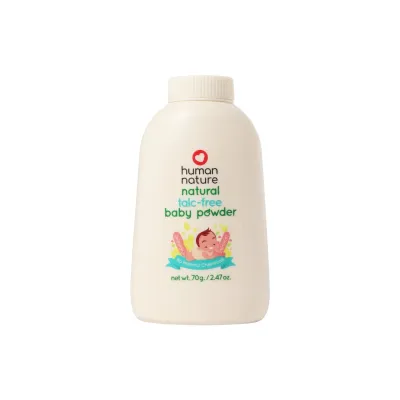
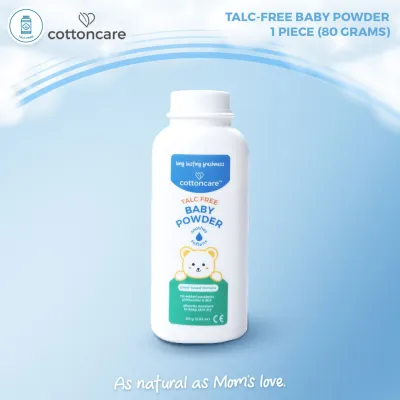
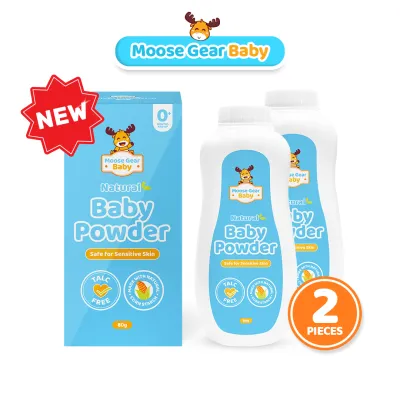
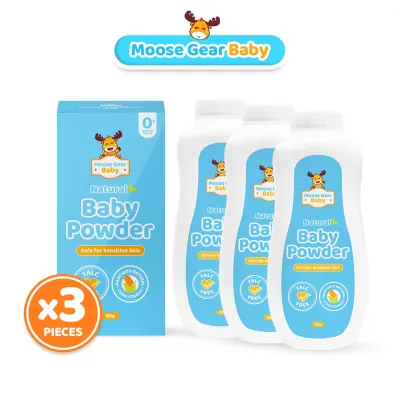
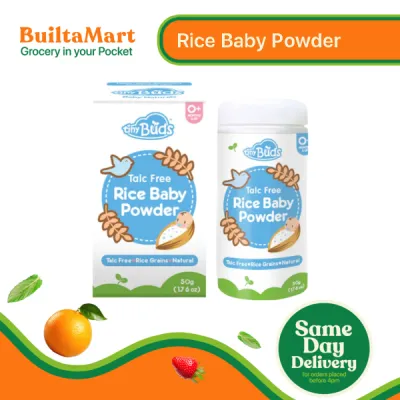
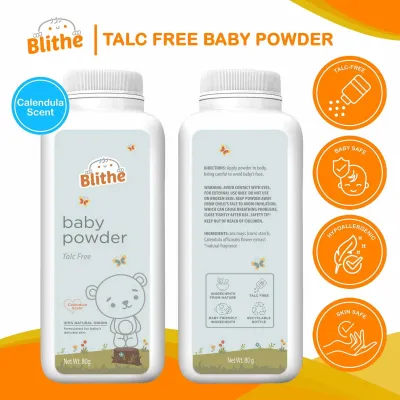
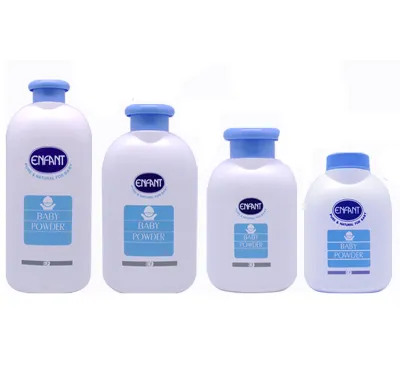
Prices are valid at publication and may change. Please refer to the product page for the latest price.
Beyond contamination risks, the physical structure of talc poses a direct threat to an infant’s respiratory system. Talc particles are incredibly fine and easily become airborne during application. When a baby inhales these microscopic mineral particles, they can travel deep into the developing lungs, causing acute respiratory distress, chronic coughing, or long-term airway inflammation. Infants have highly sensitive, rapidly developing respiratory tracts, making them far more vulnerable to airborne particulates than adults.
To address these safety concerns, manufacturers have developed plant-based alternatives that utilize biodegradable starches. Ingredients such as cornstarch, tapioca starch, and arrowroot powder have become the standard bases for modern baby powders. These plant-derived alternatives feature larger particle sizes that do not suspend in the air as easily as talc, significantly reducing the risk of accidental inhalation while still providing excellent moisture absorption.
However, parents must recognize that a “talc-free” label does not automatically guarantee a product is completely hypoallergenic. Plant-derived ingredients can occasionally trigger allergic reactions or skin sensitivities in infants with compromised skin barriers. Understanding the specific properties of these plant bases and checking the complete ingredient list is essential to ensuring the product is safe for your baby’s unique skin profile.
Key Ingredients to Look For and Avoid
When evaluating talc-free baby powders, the primary ingredient on the label will indicate the moisture-absorbing base. Cornstarch is the most common alternative; it is highly effective at absorbing sweat and oil, creating a smooth barrier on the skin that prevents chafing. Tapioca starch, derived from the cassava root, is another excellent option that offers a lighter, silkier texture and is highly compatible with sensitive skin. Arrowroot powder and finely milled oat flour are also utilized for their gentle, skin-soothing properties, making them ideal for babies prone to mild redness.

While the base ingredient is crucial, you must also scrutinize the supporting ingredients on the packaging. Many commercial powders include synthetic fragrances to give the product a classic “baby-fresh” scent. However, synthetic fragrances are among the most common triggers for contact dermatitis and allergic reactions in infants. In a hot and humid climate, fragranced products can mix with sweat and further irritate sensitive skin folds, leading to localized rashes.
In addition to fragrances, look out for preservatives and additives that may cause skin irritation. Parabens, phthalates, and certain essential oils (such as citrus or strong floral oils) should be avoided in products destined for infant skin. While some essential oils are marketed as natural remedies, they can be highly sensitizing for newborns and babies with eczema. Opt for fragrance-free or unscented formulas whenever possible to minimize the risk of chemical exposure.
If your baby has an existing skin condition, such as eczema, severe diaper rash, or extremely dry skin, it is vital to consult your pediatrician before introducing any new powder. Your pediatrician can help you cross-reference the ingredient list with your baby’s medical history to ensure the product will not exacerbate their symptoms. A quick consultation can prevent unnecessary discomfort and help you choose a formula tailored to your baby’s specific dermatological needs.
How to Evaluate Product Formats and Application
Talc-free baby powders are available in several physical formats, each offering distinct advantages in terms of application control, safety, and convenience. Understanding these formats allows you to choose the product that best fits your daily routine while minimizing potential health risks.
Loose powder is the traditional format, packaged in a shaker bottle. While highly effective at absorbing moisture in hard-to-reach areas, loose powder requires the utmost care during application to prevent the particles from becoming airborne. If you choose a loose plant-based powder, never shake the bottle directly onto your baby’s body. Instead, shake a small amount into your palm away from your baby, rub your hands together to distribute the powder, and then gently pat it onto your baby’s skin folds.
Pressed powder is a highly practical alternative that resembles a makeup compact. Because the powder is pressed into a solid cake, it does not create a cloud of dust when opened or applied. You apply it using a clean puff or sponge, which gives you precise control over where the product goes. This format virtually eliminates the risk of inhalation, making it an exceptionally safe choice for active babies who wiggle during diaper changes.
Liquid-to-powder lotions represent a modern innovation in baby skincare. These products apply smoothly like a standard moisturizing cream, allowing for targeted application without any airborne dust. Once applied, the liquid base quickly evaporates, leaving behind a thin, protective layer of dry, silky plant starch on the skin. This format is highly recommended for managing moisture in high-friction areas like the neck, underarms, and thigh creases, especially during hot humid days.
Regardless of the format you choose, it is important to know when to stop using powder altogether. If your baby’s skin becomes persistently red, raw, or cracked, or if a diaper rash does not improve after a few days, discontinue the powder immediately. Excess moisture issues that lead to broken skin are better managed with thick, zinc oxide-based barrier creams, which provide a physical shield against wetness and allow the skin to heal under professional medical guidance.
Building Your Shortlist: What to Check Before Buying
Before purchasing any talc-free baby powder, take the time to verify the manufacturer’s claims and inspect the physical product. Do not rely solely on front-of-package marketing buzzwords like “natural” or “organic.” Look for concrete indicators of safety, such as “dermatologically tested,” “hypoallergenic,” or “pediatrician-approved” labels. While these terms are helpful, check if the brand is registered with the Food and Drug Administration (FDA) of the Philippines to ensure it complies with local safety and quality standards.
When shopping, always inspect the packaging integrity and check the expiration or manufacturing date. Because plant-based starches like cornstarch and tapioca are organic materials, they can absorb ambient moisture if the container’s seal is compromised. High humidity can cause the powder to clump, lose its effectiveness, or even harbor microbial growth over time. Ensure the safety seal is completely intact and avoid buying products that show signs of dampness, discoloration, or packaging wear.
Once you have selected a product and brought it home, perform a simple patch test before applying it to your baby’s body. Apply a tiny amount of the powder or liquid-to-powder lotion to a small, clean patch of skin on your baby’s inner arm or thigh. Observe the area for 24 hours, looking for any signs of redness, swelling, tiny bumps, or itching. If the skin remains clear and healthy, the product is generally safe to integrate into your baby’s daily care routine.
Navigating Local and Online Shopping Channels
Sourcing authentic baby skincare products is essential to protecting your child from counterfeit or improperly stored goods. To guarantee authenticity, prioritize purchasing your baby powder from established local pharmacies, official brand boutique stores, or authorized supermarket aisles. These physical retailers maintain strict quality control standards, temperature-controlled storage, and reliable supply chains, ensuring the product you buy is genuine and safe.
If you prefer the convenience of online shopping, exercise caution when navigating e-commerce platforms and online marketplaces. Always look for official brand stores or verified distributor badges, which indicate that the seller is authorized by the manufacturer. Avoid listings that feature unusually low prices, blurry product photos, or incomplete manufacturer details, as these are common indicators of counterfeit, expired, or parallel-imported goods that may not meet local safety regulations.
Before finalizing your online purchase, take a moment to read recent customer reviews and check the seller’s overall rating. Look for specific feedback regarding packaging quality, delivery speed, and expiration dates. Additionally, verify the platform’s return and refund policies. A reputable seller should offer a clear, hassle-free return process if the product arrives damaged, leaking, or with a broken safety seal, giving you peace of mind with every transaction.
Frequently Asked Questions (FAQ)
Can I use cornstarch-based powder on a yeast diaper rash?
No, you should never use cornstarch-based powder on a suspected yeast diaper rash. Yeast organisms, such as Candida, thrive in warm, moist environments and use plant starches like cornstarch as a food source. Applying a starch-based powder to a yeast infection can feed the fungi, causing the rash to worsen, spread, and become highly irritated. If your baby has a bright red diaper rash with distinct borders and small red spots surrounding it, consult your pediatrician. They can provide an accurate diagnosis and prescribe an appropriate antifungal cream rather than a moisture-absorbing powder.
How should I store baby powder to maintain its quality?
To preserve the quality and safety of your talc-free baby powder, store the container in a cool, dry place away from direct sunlight and high humidity. This is particularly important in tropical climates, where moisture in the air can easily seep into the bottle and cause plant-based starches to clump or spoil. Always ensure the lid or shaker top is tightly closed immediately after each use. Finally, keep the container stored on a high shelf or in a locked cabinet, completely out of reach of infants and young children, to prevent accidental spills or inhalation hazards.

Community discussion
Share your experience or ask a question. Comments are reviewed before publication.