
Selecting the right Joie baby car seat for your child and vehicle is one of the most critical decisions you will make as a parent. The ideal choice is not determined by a single factor, but rather by how well the seat’s design matches your child’s current physical measurements and how securely it fits into your specific vehicle. Because children grow at highly individual rates and vehicles vary widely in cabin space and anchor configurations, finding the perfect match requires a systematic approach.
By focusing on your child’s actual height and weight rather than general age estimates, and by carefully inspecting your vehicle’s backseat layout, you can ensure a secure installation that provides optimal protection. This guide is designed to help you navigate the selection process, highlighting the key factors that influence safety, compatibility, and daily comfort during long drives in tropical conditions.
Understanding Joie Car Seat Categories by Age and Weight
Joie offers a diverse range of car seats designed to accommodate children from birth up to the point where they can safely use a standard vehicle seatbelt. These options are generally divided into three primary categories: infant carriers, convertible car seats, and highback boosters. Infant carriers are rear-facing only, designed specifically for newborns and young infants, and often feature a convenient carrying handle and a detachable base. Convertible models are highly versatile, starting as rear-facing seats for infants and later transitioning to forward-facing seats as your child grows. Highback boosters are designed for older children who have outgrown their harnessed seats, helping to position the vehicle’s adult seatbelt correctly across their stronger skeletal structures.
Products mentioned in this guide
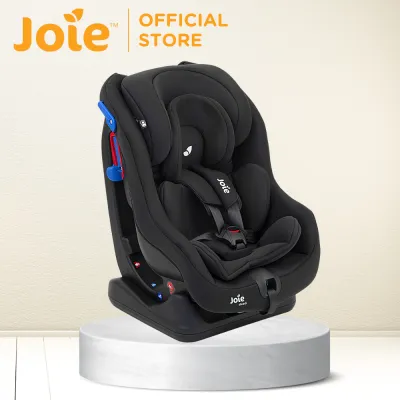
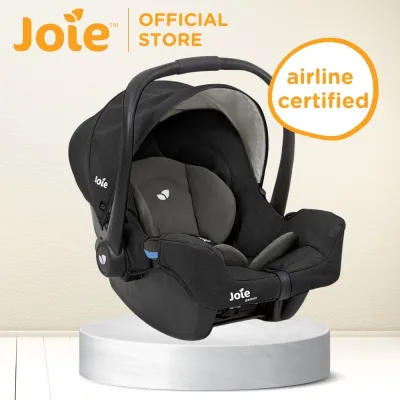
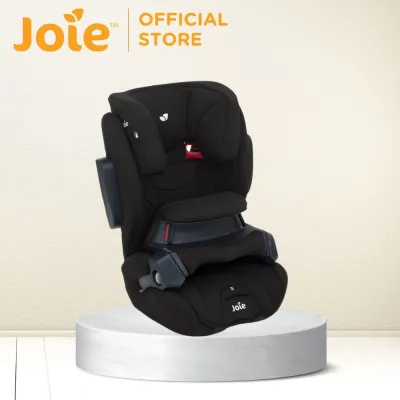
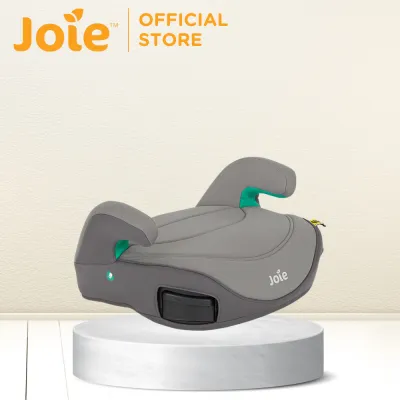
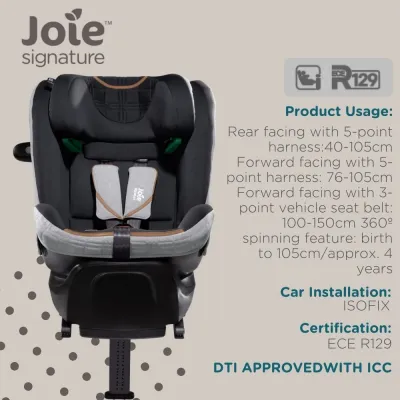
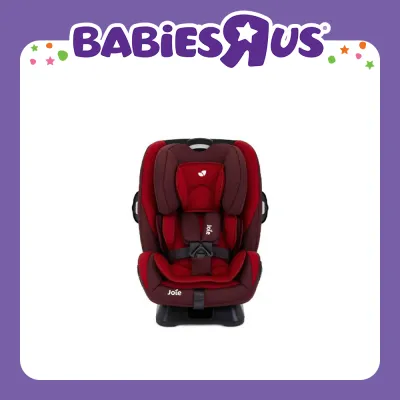
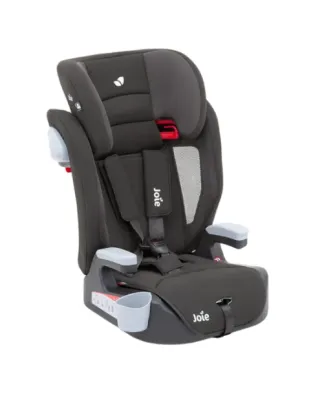
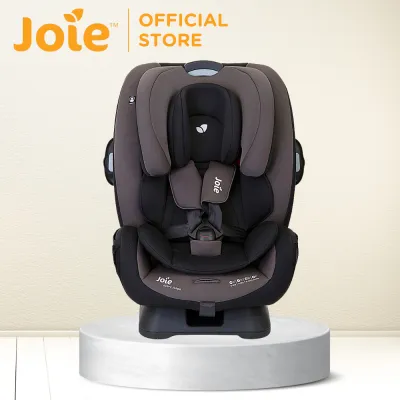
Prices are valid at publication and may change. Please refer to the product page for the latest price.
While manufacturers often provide general age ranges for each category as a helpful starting point, you must always prioritize your child’s actual height and weight. Age is a highly unreliable metric for car seat safety because children of the same age can vary significantly in physical size. The specific height and weight limits printed on the manufacturer’s label, which is permanently attached to the car seat shell, must always take precedence over general age guidelines. Transitioning a child to the next stage too early—such as turning a baby forward-facing before they reach the maximum rear-facing weight or height limit of their seat—can expose their developing neck and spine to unnecessary risks during a sudden stop.
When deciding between a single-stage seat and a multi-stage, all-in-one model, you must weigh several practical trade-offs. Single-stage seats, such as dedicated infant carriers, are specifically engineered to cradle the smallest babies, offering a highly precise fit and the convenience of being able to carry a sleeping baby out of the car. However, they have a relatively short lifespan, requiring you to purchase a new seat once your baby outgrows the limits. Multi-stage or all-in-one models offer excellent long-term usability, often accommodating a child from infancy through their booster seat years. The trade-off is that these multi-stage seats tend to have a much larger physical footprint, making them heavier and more challenging to transfer between vehicles, and they may require careful adjustment to ensure a snug fit for a tiny newborn.
Additionally, the physical size of a multi-stage seat can significantly impact the comfort of other passengers in your vehicle. In smaller cars, a bulky all-in-one seat installed in the rear-facing position can force the front-row seats forward, severely limiting legroom for the driver or front passenger. It is essential to measure your vehicle’s cabin space and consider how many passengers regularly ride in the back before committing to a larger, multi-stage model.
Checking Vehicle Compatibility and Installation Methods
A car seat can only perform its protective function if it is installed correctly and anchored securely to the vehicle. The two primary methods for securing a Joie car seat are the ISOFIX anchor system and the traditional vehicle seatbelt. ISOFIX uses built-in metal anchor points welded directly into the vehicle’s chassis, allowing the car seat or its base to click securely into place with minimal risk of installation error. Traditional seatbelt installation relies on routing the vehicle’s three-point seatbelt through designated paths on the car seat shell. While both methods are safe when executed correctly, ISOFIX is widely considered easier to install consistently, whereas seatbelt installation is highly versatile and compatible with older vehicle models that lack ISOFIX anchors.

Before purchasing, you must verify which anchoring systems your vehicle supports. Many modern sedans, SUVs, and MPVs in the Philippines come equipped with ISOFIX anchors, but their presence and location can vary. You should physically inspect your vehicle’s backseat, feeling along the crease between the seat backrest and the bottom cushion to locate the metal bars, which are often marked with small plastic buttons or fabric tags. If your vehicle does not have ISOFIX, you must ensure that the Joie model you select is approved for seatbelt-only installation and that your vehicle’s seatbelts are long enough to complete the required routing path.
Another critical compatibility factor is the presence of a top tether anchor or a support leg, which are designed to prevent the car seat from rotating forward in a collision. Top tether anchors are typically located on the back of the vehicle seat, on the rear parcel shelf, or on the floor of the cargo area. Support legs, on the other hand, extend from the front of the car seat base to rest firmly on the vehicle floor. If you choose a model with a support leg, you must verify that your vehicle’s floor is flat and does not contain under-floor storage compartments, which can collapse under the force of an impact.
Backseat legroom is also a major consideration, particularly for extended rear-facing setups. Keeping your child rear-facing for as long as possible is highly recommended for head and neck protection, but rear-facing seats require a substantial amount of horizontal space. In compact cars, this can create a tight squeeze. You should consult both your vehicle owner’s manual and the Joie instruction booklet to confirm approved seating positions, as some manufacturers restrict car seat installation in the center seat or require specific clearance distances from the front seats.
Key Safety and Comfort Features to Evaluate
When comparing specific Joie models within your compatible category, you should look closely at the safety mechanisms integrated into the design. Enhanced side-impact protection is a crucial feature to evaluate, as side-impact collisions can be particularly dangerous. Many Joie models feature specialized energy-absorbing materials or deployable side-impact shields that help absorb the force of a crash before it reaches your child. Additionally, you should consider the restraint type; a 5-point harness is standard for infants and toddlers, securing the child at the shoulders, hips, and crotch to distribute crash forces evenly across the strongest parts of the body.
Comfort and convenience features are equally important, especially when navigating daily life in a tropical climate. The Philippines’ high humidity and warm temperatures mean that babies can easily overheat and become fussy during car rides. Look for Joie models that incorporate breathable fabric technologies, mesh ventilation panels, and moisture-wicking materials to help keep your child cool and dry. Because spills, crumbs, and diaper leaks are inevitable, prioritize models with easily removable, machine-washable covers that do not require you to completely unthread the safety harness to clean them.
Adjustable recline angles are another vital feature for both comfort and safety. For newborns, a deep recline is essential to keep their airway open, as their heavy heads can otherwise flop forward and restrict breathing. As your child grows, the ability to adjust the recline angle allows them to sit more upright and enjoy the view, while still offering a comfortable position for napping during long road trips. Many Joie seats feature one-hand adjustment mechanisms that make it easy to change the angle without uninstalling the seat.
It is important to note that premium features, such as 360-degree spinning bases, advanced side-impact shields, and extended weight capacities, often increase both the retail price (in ₱) and the physical size of the seat. While a spinning seat offers unmatched convenience for getting a wriggling toddler in and out of the car, it requires a larger base that may take up more space in your backseat. You must balance the convenience of these premium features against your budget and the physical limitations of your vehicle’s cabin.
Your Step-by-Step Selection and Purchase Checklist
To make the final decision-making process as straightforward as possible, follow this step-by-step workflow before making your purchase.
- Step 1: Measure Your Child. Accurately record your child's current weight and height. Do not rely on memory or clothing sizes, as these do not always align with car seat safety standards. Keep these measurements handy, as they will dictate which Joie seat groups are physically appropriate for your child.
- Step 2: Inspect and Measure Your Vehicle. Go out to your car and locate the installation points. Check for ISOFIX anchors, top tether points, and evaluate the contour of the vehicle seats. Use a tape measure to determine the available depth and width in the backseat, keeping in mind the space needed for front-seat passengers to sit comfortably.
- Step 3: Shortlist and Verify. Shortlist the Joie models that match both your child's measurements and your vehicle's specifications. Once you have a shortlist, verify current stock and pricing (in ₱) with authorized physical retailers or official online brand stores in the Philippines. Ensure that the product comes with a valid local warranty and that you can verify the presence of official safety markings, such as the Import Commodity Clearance (ICC) sticker, upon delivery or purchase.
Frequently Asked Questions (FAQ)
Can I use a Joie car seat in the front passenger seat?
It is strongly recommended to install child car seats in the rear seats of the vehicle, as this is statistically the safest location for children. If you must install a rear-facing Joie car seat in the front passenger seat, you must deactivate the front passenger airbag first. An active airbag deploying against a rear-facing car seat can cause severe or fatal injuries to an infant. For forward-facing seats, if front installation is unavoidable, you must slide the vehicle seat as far back as possible, away from the dashboard, and ensure the car seat is installed tightly according to the manufacturer’s instructions. Always consult your vehicle’s manual to confirm if front-seat car seat installation is permitted by the vehicle manufacturer.
How do I know if my Joie car seat has expired or needs replacing?
Like all safety gear, car seats have a limited lifespan due to the natural degradation of plastic and materials over time, especially when exposed to high heat and humidity inside a parked vehicle. To find the expiration date, look for the manufacturing date sticker on the underside or back of the Joie car seat shell. The user manual will specify the lifespan of that particular model, which is typically between six to ten years from the date of manufacture. Additionally, you must immediately replace any car seat that has been involved in a moderate or severe vehicle collision, even if there is no visible damage, as the internal structure may have been compromised and will no longer provide adequate protection.

Community discussion
Share your experience or ask a question. Comments are reviewed before publication.