
Choosing the best electric baby swing with music for a small apartment in the Philippines requires balancing a compact physical footprint with essential safety, comfort, and entertainment features. In typical urban Filipino households—such as high-rise condominiums in Metro Manila or cozy townhouses in suburban areas—floor space is highly valuable. A baby swing must not only fit within a limited area but also operate safely without disrupting the daily flow of the household. Caregivers must look beyond marketing buzzwords to evaluate how a swing’s physical dimensions, motion range, and power requirements align with their specific living arrangements. By focusing on smart design, adjustable features, and rigorous safety standards, you can find a soothing solution that keeps your baby comfortable without cluttering your home.
Measuring Your Space and the Swing's True Footprint
Before purchasing an electric baby swing with music, you must accurately assess the physical space where the swing will operate. Many parents make the mistake of measuring only the static base of the swing, forgetting that the seat moves dynamically during operation. To prevent accidents, use a physical tape measure to map out the length, width, and height of your designated area. You must account for the maximum dynamic range, which is the furthest distance the swing seat travels in all directions when set to its highest speed.
When reviewing product specifications, pay close attention to the distinction between “unfolded dimensions” and “folded dimensions.” The unfolded dimensions represent the swing’s active footprint, but the shape of the base also dictates where it can be placed. For example, a circular or oval base may require more central floor space, whereas a square or rectangular base can often be pushed closer to a corner. However, placing a swing too close to a corner can restrict its motion or cause the seat to bump against the walls.
Products mentioned in this guide
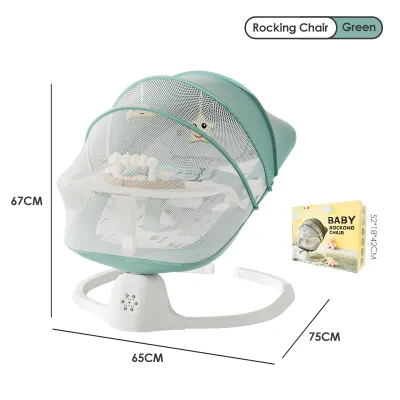
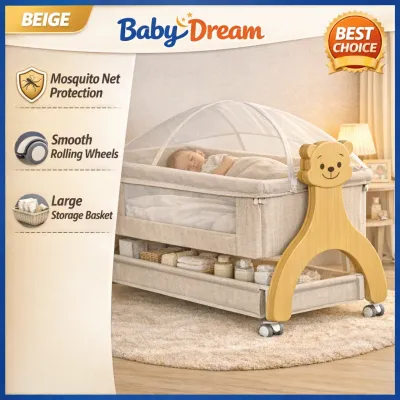
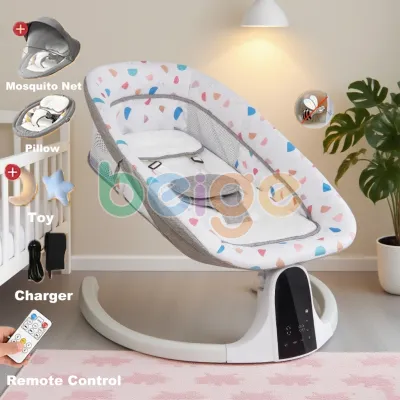
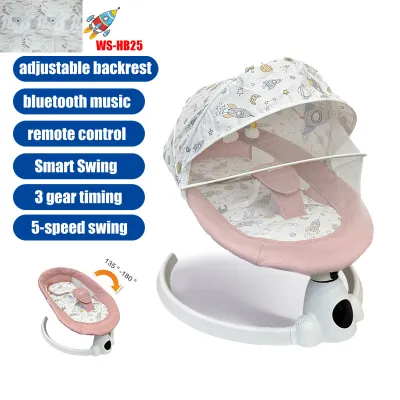
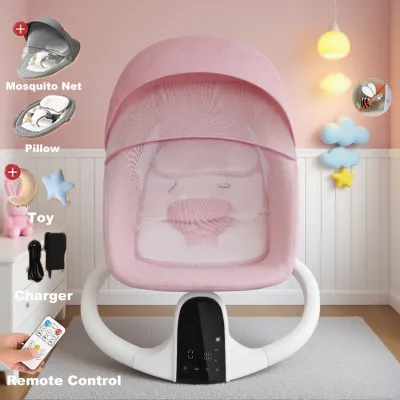
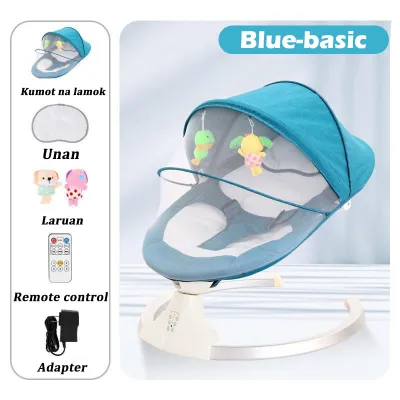
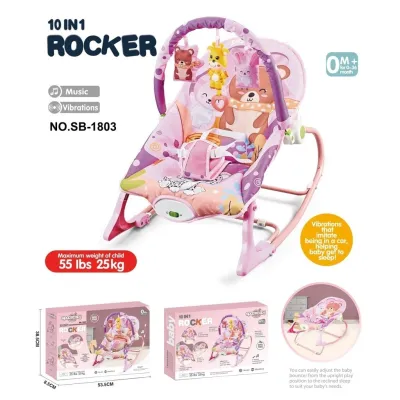
Prices are valid at publication and may change. Please refer to the product page for the latest price.
To ensure a safe environment, establish a clear safety buffer around the swing. There should be a generous clearance zone between the outer edge of the swing’s maximum motion arc and any nearby walls, furniture, or active walkways. This buffer prevents the swing from colliding with household items and ensures that family members can walk past without accidentally bumping into the unit. In tight apartment layouts, this measurement is crucial for maintaining both the safety of your baby and the functionality of your living space.
Identifying True Space-Saving Features
To find a swing that genuinely accommodates a small apartment, you must identify design features that offer practical space efficiency rather than just aesthetic appeal. A primary feature to evaluate is the folding mechanism. Some compact swings are designed to fold completely flat, allowing you to slide them under a bed, behind a sofa, or inside a closet when not in use. When examining these models, check whether the swing can stand independently when folded or if it requires wall support. An independently standing folded swing is highly desirable in busy households, as it reduces the risk of the unit slipping and falling on hard tile or wood floors.

The design of the base is another critical factor in spatial efficiency. Traditional baby swings often feature wide, splayed legs to ensure stability, but these can easily become tripping hazards in narrow hallways or small living rooms. Compact models often utilize low-profile, heavy bases or curved frames that concentrate the weight downward, minimizing the physical footprint while maintaining structural stability. While a smaller base is excellent for saving space, you must verify that the manufacturer has engineered the frame to remain perfectly stable on your specific flooring type.
Power management also plays a significant role in where you can safely position the swing. Models that offer dual power options—both battery operation and an AC plug-in—provide the greatest flexibility. In small apartments where electrical outlets are often occupied by other essential appliances, running the swing on batteries allows you to place it in the safest, most open spot without stretching cords across walkways. If you choose to use the plug-in option, ensure that the power cord can be routed safely along walls or covered with cord protectors to eliminate tripping hazards for both adults and older siblings.
Balancing Music, Motion, and Safety in Compact Designs
Prioritizing a small footprint should never mean compromising on your baby’s comfort, entertainment, or safety. When evaluating the music and audio features of an electric baby swing, look for models that offer precise volume control. In a small, enclosed apartment, sound can easily echo and become overwhelming. The ability to lower the volume to a gentle whisper is essential for keeping the environment calm. Additionally, consider the audio input options; some swings come with pre-loaded lullabies and nature sounds, while others feature Bluetooth connectivity, allowing you to play personalized, soothing tracks from your phone.
The motion modes of compact swings are often engineered differently than those of full-sized models. Many compact designs utilize a side-to-side swaying motion rather than a traditional front-to-back swing. This swaying motion naturally requires less physical clearance, making it ideal for tight spaces. However, you must confirm whether the compact design restricts the swing’s amplitude or reduces the maximum weight limit. Always check the manufacturer’s specifications to ensure the swing can accommodate your baby’s current weight and developmental stage, as exceeding these limits can strain the motor and compromise safety.
Safety compliance remains the most critical factor when selecting baby gear. Always inspect the product labels for recognized safety certifications and standards. A secure 5-point harness is essential to keep your baby safely positioned in the seat, preventing them from sliding or climbing out. Furthermore, because the Philippines has a warm, humid tropical climate, pay close attention to the seat fabric. Look for breathable, moisture-wicking materials that allow proper airflow, ensuring your baby remains cool and comfortable during use. Avoid heavy, plush fabrics that can trap heat and cause discomfort or skin irritation.
Building Your Shortlist for Small Apartment Living
Creating a structured decision-making process will help you filter through available options and select the best electric baby swing for your home. Begin by determining your requirements for folding frequency and aesthetics. If the swing will be placed in a shared living room that serves multiple purposes, you may want a highly portable model with a quick-fold mechanism and neutral colors that blend with your furniture. If the swing will reside in a dedicated nursery nook, a static, ultra-compact model that does not fold but has a very small footprint might be more practical.
To organize your choices, construct a simple comparison matrix of your top candidates. List each model alongside its key specifications:
- Unfolded footprint (including the maximum swing clearance)
- Folded dimensions (and whether it stands independently)
- Power source options (battery, plug-in, or dual)
- Maximum weight capacity and age limit
- Audio features (volume control, track selection, or Bluetooth)
Finally, establish strict stop conditions to eliminate unsuitable products immediately. You should automatically disqualify any swing that lacks clear safety certification labels, has a dynamic swing radius that exceeds your measured space, or does not offer adjustable volume controls. Additionally, set a realistic budget in Philippine Pesos (₱) and eliminate options that do not offer genuine space-saving utility or safety features proportional to their cost. This systematic approach ensures you invest in a high-quality, safe, and practical swing that perfectly fits your small apartment.
Frequently Asked Questions (FAQ)
Can I use an electric baby swing in a small room without blocking the walkway?
Yes, you can use an electric baby swing in a small room without blocking walkways by carefully planning its placement. Always measure the maximum swing radius—the full arc of motion—rather than just the static base dimensions before setting it up. Position the swing in a low-traffic corner of the room, away from doorways, hallways, and major walking paths. This ensures that family members can move freely without risking a collision with the moving swing, while still keeping the baby within your direct line of sight.
Do compact baby swings have lower weight limits than standard ones?
Not necessarily. The weight limit of an electric baby swing is determined by the strength of its motor and the structural integrity of its frame, rather than its overall physical size. Some premium compact swings are engineered with robust materials that support the same weight range as larger, traditional models. To ensure safety, always verify the maximum weight limit and developmental stage requirements printed directly on the manufacturer’s product label, rather than making assumptions based on the swing’s size.
Is it safe to leave a baby unattended in a swing in a small apartment?
No, it is never safe to leave a baby unattended in a swing, regardless of the size of your apartment. An electric baby swing is designed for supervised relaxation and play, and it is not a safe substitute for a crib or bassinet. If your baby falls asleep in the swing, you must immediately transfer them to a flat, firm sleep surface to prevent positional asphyxia. Continuous adult supervision is mandatory at all times to ensure your baby’s safety.

Community discussion
Share your experience or ask a question. Comments are reviewed before publication.