
Finding a safe, functional walker for baby boy sale 300 to 400 PHP requires balancing strict budget limits with essential safety features. In the Philippines, where infant gear can quickly become a major household expense, securing a reliable walker within this ultra-low price range is a challenge that requires careful planning. While a tight budget is highly practical, safety must always remain your absolute priority when selecting gear for an active, developing infant.
This guide will help you navigate the local budget market, identify which features are safe to skip, and learn how to secure genuine discounts on online marketplaces. By understanding what to look for and what to avoid, you can keep your baby safe while keeping your expenses strictly within your target budget.
Setting Expectations for the ₱300 to ₱400 Price Range
When shopping for a walker for baby boy sale 300 to 400 PHP in the Philippines, it is crucial to understand what this price point represents. In the local market, standard retail prices for certified, fully featured baby walkers typically start at ₱800 and can easily exceed ₱2,500. A price tag between ₱300 and ₱400 is considered an ultra-budget or deep-discount tier, meaning the products available will be highly simplified models or older stock sold during major clearance events.
Products mentioned in this guide
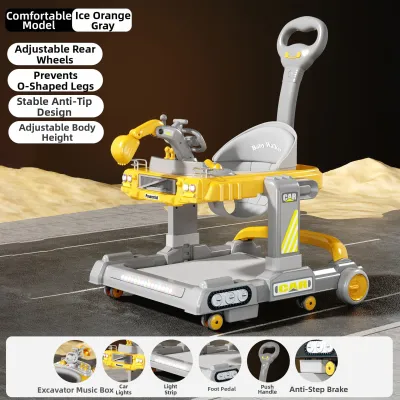
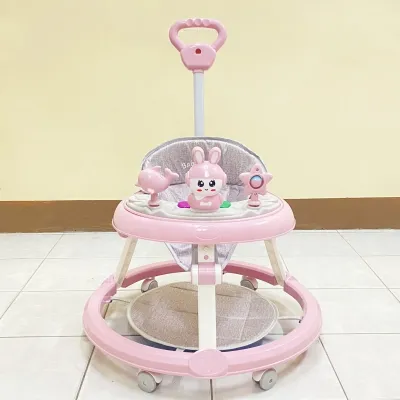
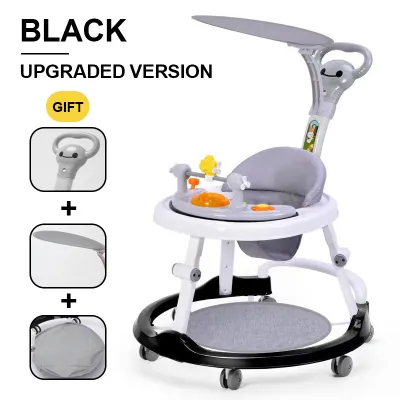
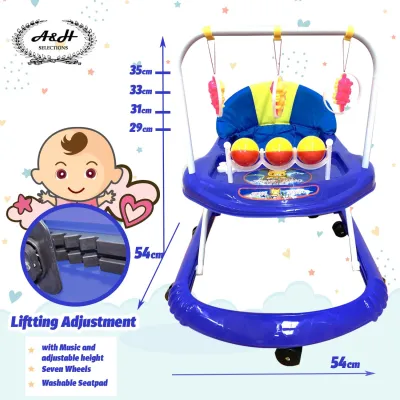
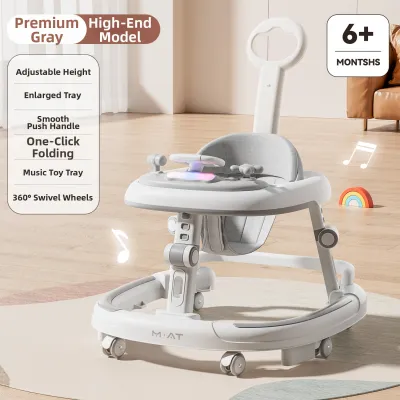
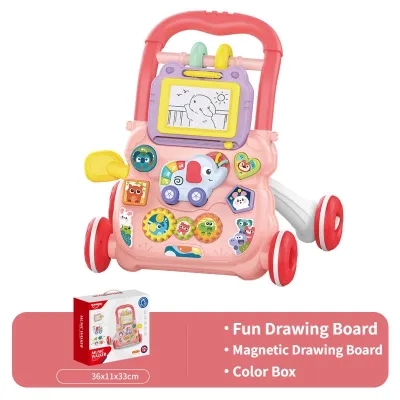
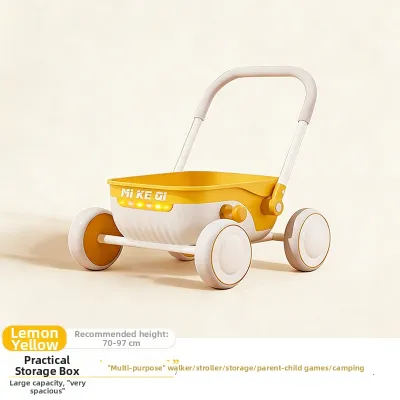
Prices are valid at publication and may change. Please refer to the product page for the latest price.
At this price level, the “baby boy” designation is almost entirely cosmetic. You should not expect structural differences or specialized ergonomic designs tailored to gender. Instead, models marketed for boys in this bracket generally feature light blue plastic frames, simple car-themed decals, or basic cartoon motifs. The underlying frame, wheels, and seat fabric are identical to those used in models marketed for girls.
To find a walker that fits strictly within this budget, you will need to focus on basic, no-frills designs. These models prioritize core mobility over entertainment accessories. Finding these prices also requires active shopping strategies, such as waiting for flash sales, utilizing platform vouchers, or choosing local manufacturers that save on import costs. Managing your expectations beforehand prevents disappointment and keeps your focus on physical safety rather than unnecessary aesthetic extras.
Non-Negotiable Safety Checks for Budget Walkers
Regardless of how attractive a discount is, safety must never be compromised for a lower price. Traditional sit-in walkers carry inherent physical risks that caregivers must actively manage. Because these devices allow infants to move rapidly across the floor, they can lead to tipping, collisions with furniture, or dangerous falls down steps. To mitigate these risks, always prioritize a walker with a wide, stable, and rigid anti-tip base that is significantly wider than the top tray.

When evaluating a budget model, perform a strict physical assessment of its structural components. The seat harness must be securely attached to the frame with reinforced stitching to prevent the baby from slipping through. Run your hands along the plastic edges and joints to ensure there are no sharp plastic burrs, rough seams, or exposed metal parts that could scratch sensitive skin. Additionally, the folding mechanism must feature a reliable, heavy-duty safety lock that prevents the walker from collapsing accidentally while in use.
As a safer and highly development-friendly alternative, consider a push walker—also known as an activity walker. These models require the baby to stand behind the device and push it forward, which naturally supports muscle development and balance. Push walkers frequently drop into the ₱300 to ₱400 price range during major online sales because they require less plastic and fabric to manufacture than sit-in models, making them an excellent budget-friendly choice.
Before finalizing any purchase, always verify the manufacturer’s weight and age limits printed on the product packaging or digital manual. Budget-tier walkers often have lower weight capacities, typically maxing out at 10 to 12 kilograms, and are designed for a very narrow developmental window. Never assume suitability based on the product title alone; verify that your child meets the exact developmental milestones, such as being able to sit upright completely unassisted, before introducing a walker.
Features You Can Skip to Stay Within Budget
To keep the price of a baby walker between ₱300 and ₱400, manufacturers must reduce production costs. As a buyer, you can make smart trade-offs by identifying which non-essential features you can safely skip. Avoiding these premium add-ons allows you to focus your limited budget entirely on the structural integrity and physical safety of the device.
Electronic musical consoles, flashing lights, and battery-operated toy trays are the first features you should cross off your list. At the ₱300 to ₱400 price point, these electronic components are often cheaply made, prone to quick malfunction, and require constant battery replacements that add to your long-term expenses. Furthermore, poorly secured battery compartments on cheap toys can present severe safety hazards if an infant manages to pry them open.
Avoid complex “multi-function” designs, such as walkers that claim to convert into baby rockers, high chairs, or dining tables. At an ultra-budget price, these multi-use joints and folding hinges are often weak points that compromise the overall stability of the frame. A simple, single-purpose walker made of sturdy, solid plastic is infinitely safer than a cheap multi-functional device that feels flimsy or wobbles at the joints.
Steer clear of unbranded models that come with an excessive number of small, detachable hanging toys. These plastic pieces can easily break off under tropical heat and humidity, creating immediate choking hazards. Instead, prioritize a walker that features a thick, solid plastic tray where you can place your baby’s existing, safety-tested toys. Investing in a sturdy frame, secure seat fabric, and smooth-rolling wheels will always provide better value than buying cheap entertainment gimmicks.
Strategies to Catch Genuine Walker Sales Online
Securing a high-quality walker within a strict ₱300 to ₱400 budget in the Philippines requires strategic online shopping. Prices fluctuate constantly on local e-commerce platforms, meaning a walker that normally retails for ₱600 can easily drop into your target range if you time your purchase correctly. Focus your shopping efforts around major monthly campaigns, such as double-digit sales (e.g., 9.9 or 10.10), mid-month paydays, and clearance events.
To maximize your savings, learn to stack platform vouchers, store coupons, and payment-method discounts. Many online marketplaces offer daily free shipping vouchers or cashback rewards that can be applied directly at checkout. Always check the final transaction screen to ensure these discounts have been successfully applied before processing your payment.
Be vigilant against fake discounts where sellers artificially inflate the original price to make a standard price look like a massive markdown. To verify the legitimacy of a sale, scroll down to the product reviews and look for recent feedback from actual buyers in the Philippines. Pay close attention to reviews that include real photos and videos, as these will give you an accurate representation of the plastic thickness, fabric quality, and true color of the walker.
Finally, always factor shipping fees into your total calculation. A baby walker is a bulky item, and shipping costs from major hubs to provincial areas can easily add ₱100 to ₱200 to your bill. If a walker costs ₱350 but incurs a ₱120 shipping fee, it breaks your strict ₱400 budget limit. To avoid this, filter your search to local sellers within your immediate region, or look for shops that offer free shipping options with a low minimum spend threshold.
Post-Delivery Inspection Before Letting Your Baby Use It
Once your budget walker arrives, do not place your baby in it immediately. Budget items require a thorough, hands-on quality check right out of the box to ensure no manufacturing defects or shipping damages occurred. Set the walker on a flat, clean surface and perform a systematic physical inspection before allowing your child near the device.
Begin by checking the wheels to ensure they rotate smoothly without catching or sticking, which could cause the walker to tip over during sudden movements. Inspect the entire frame for loose screws, missing bolts, or cracked plastic joints. Pull firmly on the seat fabric to verify that all plastic clips are fully locked into the frame and that the stitching is strong enough to support your baby’s weight. Finally, test the height adjustment mechanism several times to ensure it clicks securely into place and does not slip when downward pressure is applied.
If you discover any structural flaws, loose components, or missing parts, do not attempt to fix the walker yourself with household glue or makeshift tools. DIY repairs on baby gear can fail unexpectedly and put your child at serious risk of injury. Instead, document the issues immediately with photos or videos and initiate a return or exchange through the e-commerce platform’s official buyer protection program.
Frequently Asked Questions (FAQ)
Are traditional sit-in walkers recommended by pediatricians?
No, many major pediatric and child safety organizations worldwide advise against the use of traditional sit-in baby walkers. Medical professionals warn that sit-in walkers do not help infants learn to walk any faster; in fact, they can delay natural motor development by encouraging abnormal toe-walking and bypassing the crucial crawling stage. Additionally, the rapid mobility provided by these devices increases the risk of severe household accidents, such as falling down steps or reaching dangerous hot surfaces. If you choose to use one, you must provide constant, direct caregiver supervision at all times and limit usage to short intervals on completely flat, single-level floors.
Is it safe to buy a second-hand baby walker to stay under ₱400?
Buying a second-hand baby walker to stay under your ₱400 budget carries significant safety risks and is generally not recommended unless you can verify the item’s complete history. Used walkers may suffer from invisible structural fatigue, hairline plastic cracks, or weakened fabric seams from previous use. Furthermore, older models may have been recalled or might fail to meet modern safety standards. If a pre-owned walker is your only option, you must conduct an incredibly thorough physical inspection. Avoid any units that show signs of brittle plastic, rusted metal screws, frayed seat straps, or missing safety locks, as these defects directly compromise your baby’s safety.

Community discussion
Share your experience or ask a question. Comments are reviewed before publication.