
Choosing between a fetal doppler and a baby heart rate monitor comes down to your current stage of parenthood and what you hope to achieve. A fetal doppler is a prenatal tool designed for expecting parents to listen to their baby’s heartbeat in the womb, fostering early bonding and providing occasional reassurance during pregnancy. On the other hand, a baby heart rate monitor is a postnatal device used after birth to track a newborn’s heart rate, oxygen levels, or sleep patterns. Because these devices serve entirely different developmental stages and operate on distinct technologies, they are not interchangeable.
Understanding where you stand in your parenting journey is key to making the right choice. While both devices are marketed around the concept of tracking a baby’s heartbeat, they serve different users, operate under different safety guidelines, and require different levels of parental involvement. Selecting the correct baby heart beat detector ensures you get the specific support you need without introducing unnecessary worry or safety risks into your home.
Understanding the Core Differences Between Prenatal and Postnatal Devices
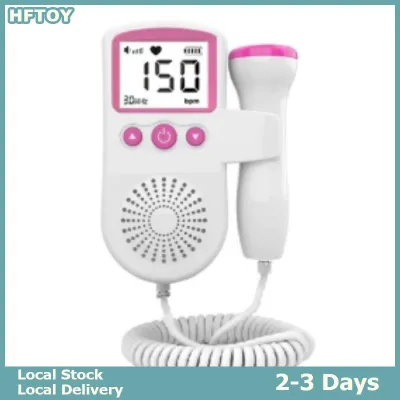
To make an informed decision, it is essential to understand how these two categories of baby heart beat detectors differ in their technology, timing, and purpose. Fetal dopplers are handheld devices that utilize ultrasound technology. They emit high-frequency sound waves that bounce off the moving blood within the fetal heart, translating that movement into an audible heartbeat sound. This technology is designed specifically for use through the maternal abdomen during pregnancy, typically starting from the second trimester.
Products mentioned in this guide
![[FREE GEL] Fetal Doppler Heartbeat Detector Portable Ultrasound Pregnant LCD 3MHz Baby Heart Rate Mo](https://img.lazcdn.com/g/p/888be6082d56e876bdaaab7f630ad699.jpg_400x400q80.jpg_.webp)


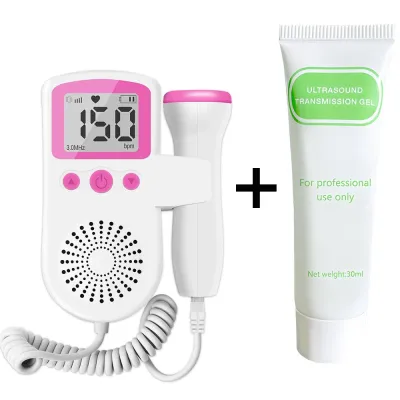
![[FREE GEL]Ardour Fetal Doppler Heartbeat Detector Portable Ultrasound Pregnant LCD 3MHz Baby Heart Rate Monitor](https://img.lazcdn.com/g/p/65e4d6b855c87c692cac96e62fc06147.jpg_400x400q80.jpg_.webp)

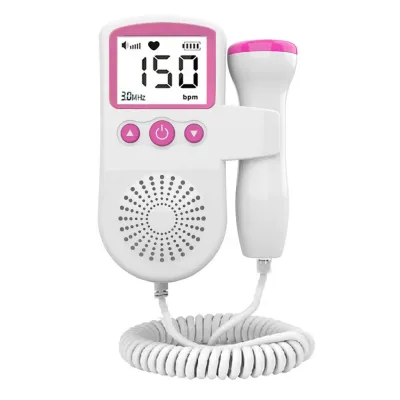
Prices are valid at publication and may change. Please refer to the product page for the latest price.
In contrast, postnatal baby heart rate monitors are designed for infants who have already been born. Instead of ultrasound, these devices generally rely on optical sensors, photoplethysmography (PPG), or motion-sensing technology. They are often designed as wearable accessories, such as smart socks, chest bands, or sensor mats placed under the crib mattress. Rather than producing an audible sound of blood flow, they continuously track physiological data and transmit readings to a smartphone app or a parent unit.
The life stages for these devices are strictly separated by birth. Attempting to use a prenatal device after birth, or expecting a postnatal monitor to track a fetus, is not only ineffective but also ignores the safety guidelines established by manufacturers. While the prenatal tool focuses on short, active sessions of auditory bonding, the postnatal monitor is built for passive, continuous observation during sleep.
Evaluating Fetal Dopplers: Reassurance During Pregnancy
For many expecting parents in the Philippines, the journey of pregnancy is filled with anticipation and a deep desire for reassurance. An at-home fetal doppler can offer a powerful emotional connection, allowing family members to share in the experience of hearing the baby’s heartbeat from the comfort of home. This auditory link can make the pregnancy feel more tangible, especially during the weeks between scheduled prenatal visits.

However, using an at-home doppler carries notable psychological and practical risks that parents must carefully weigh. Locating a fetal heartbeat requires skill, practice, and an understanding of fetal anatomy. When parents struggle to find the heartbeat—which is common due to the baby’s position, maternal tissue density, or early gestational age—it can trigger intense, unnecessary anxiety. Conversely, there is a risk of false reassurance; a parent might mistake their own maternal pulse or the sound of placental blood flow for the baby’s heartbeat, potentially delaying medical attention when something is actually wrong.
It is vital to remember that consumer-grade fetal dopplers are not diagnostic instruments. They cannot replace professional prenatal care, regular checkups with your obstetrician, or clinical ultrasound scans. If you choose to use an at-home doppler, you must prioritize safety and proper usage. Always verify the manufacturer’s guidelines regarding the recommended gestational age for use.
Proper application requires using a dedicated ultrasound gel to facilitate sound transmission; using makeshift substitutes can degrade the signal and lead to frustrating results. In the warm, humid climate of the Philippines, storing the device and gel in a cool, dry place is essential to prevent the degradation of the materials. Most importantly, never rely on a doppler reading to assess your baby’s health. If you notice a decrease in fetal movement or have any concerns about your pregnancy, stop using the device immediately and contact your healthcare provider.
Assessing Baby Heart Rate Monitors: Vitals Tracking After Birth
Once your baby arrives, the focus shifts to postpartum care and establishing safe sleep routines. Postnatal baby heart rate monitors are designed to help parents observe their newborn’s vitals during rest. These monitors come in several forms, including wearable smart socks that wrap around the infant’s foot, chest bands with integrated sensors, and non-contact sensor mats placed beneath the mattress to detect subtle movements.
These devices work by tracking physiological indicators, such as heart rate and oxygen saturation levels, often sending real-time alerts to a parent’s smartphone. In a tropical environment where nurseries might rely on air conditioning or fans to manage humidity and heat, keeping a close eye on a baby’s comfort and sleep quality is a common priority. A wearable monitor can offer parents a sense of connection to their sleeping infant, especially during those first few demanding months at home.
Despite their advanced features, parents must understand the strict limitations of consumer baby monitors. These devices are not medical tools and are not proven to prevent Sudden Infant Death Syndrome (SIDS). Relying on a monitor as a safety guarantee can lead to a dangerous lapse in basic safety precautions. The primary defense against sleep-related infant risks remains adherence to established safe sleep practices, such as placing the baby to sleep on their back on a firm, flat mattress in a crib free of loose blankets, pillows, or stuffed toys.
Additionally, consumer monitors can sometimes cause more stress than they relieve. False alarms are a common issue, often triggered by a baby kicking off a wearable sock, a sensor shifting out of place, or a temporary drop in wireless connectivity. These frequent, loud alerts can disrupt much-needed parental sleep and heighten postpartum anxiety. Parents should evaluate whether they can manage these occasional false alerts calmly before deciding to integrate a continuous monitor into their nursery.
Side-by-Side Comparison: Specifications and Use Cases
To help you quickly distinguish between these two types of baby heart beat detectors, the following table outlines their key technical specifications, primary functions, and what you need to verify before purchasing.
| Feature | Fetal Doppler | Baby Heart Rate Monitor |
|---|---|---|
| Target User / Stage | Expecting mothers (typically 12+ weeks pregnant) | Newborns and infants (postnatal) |
| Primary Function | Occasional listening to the fetal heartbeat | Continuous tracking of heart rate, oxygen, or movement |
| Sensor Technology | Ultrasound waves (transceiver probe) | Optical sensors (PPG) or motion-sensing mats |
| Power Source | Typically battery-operated (rechargeable or AA/AAA) | Rechargeable batteries (wearables) or AC wall power (mats) |
| What to Verify on the Label | Recommended gestational age, FDA clearance status, gel requirements | Age and weight limits, battery life, wireless range, app compatibility |
When planning your nursery budget, keep in mind that prices for these devices can vary widely. Fetal dopplers are generally more affordable, while comprehensive postnatal monitoring systems represent a more significant financial investment. You can check current retail prices in ₱ across authorized local distributors and trusted online marketplaces to find an option that fits your budget. Always ensure you are purchasing from reputable sellers to guarantee you receive an authentic product with a valid manufacturer warranty.
How to Decide: A Stage-Based Buying Framework
Deciding which device to purchase depends entirely on your current stage of parenthood, your lifestyle, and how you handle tracking data. If you are currently pregnant and looking for a way to bond with your developing baby between doctor visits, a fetal doppler is the appropriate choice. It serves as an interactive, occasional tool for auditory connection, provided you understand its limitations and do not use it as a substitute for professional medical assessments.
If you have already welcomed your newborn home and want an extra layer of observation during sleep, a baby heart rate monitor is the correct option. This device is suited for parents who want to track sleep trends and vitals, and who can handle the occasional false alarm without experiencing heightened anxiety. It should always be used in conjunction with, rather than instead of, safe sleep practices.
Neither device is suitable if you are seeking a medical-grade diagnostic tool or a guaranteed way to prevent pregnancy complications or SIDS. Consumer electronics are designed for wellness and parental peace of mind, not clinical management. If you have a high-risk pregnancy, or if your newborn has underlying health conditions, you must consult your obstetrician or pediatrician before relying on any consumer-grade monitoring equipment. Your healthcare provider can recommend clinical-grade alternatives or specific monitoring protocols tailored to your family’s medical needs.
Frequently Asked Questions (FAQ)
Can I use a fetal doppler on a newborn baby?
No, you should never use a fetal doppler on a newborn baby. Fetal dopplers are engineered specifically to transmit ultrasound waves through the maternal abdomen to locate a deep fetal heartbeat. They are not designed, tested, or calibrated for use on an infant’s delicate, exposed chest. Using a prenatal ultrasound device off-label on a newborn is unnecessary and does not align with safe parenting practices. For tracking a newborn’s heart rate, always use dedicated postnatal monitors that utilize safe, non-invasive optical or motion sensors designed specifically for infant skin and anatomy.
Do baby heart rate monitors prevent SIDS?
No, consumer baby heart rate monitors do not prevent Sudden Infant Death Syndrome (SIDS). Clinical studies and pediatric health organizations emphasize that there is no evidence showing consumer monitoring devices reduce the incidence of SIDS. These monitors are wellness products intended for tracking and observation, not medical prevention. To protect your baby, always prioritize established safe sleep guidelines: place your baby to sleep on their back, use a firm and flat sleep surface, keep the crib free of soft objects and loose bedding, and maintain a comfortable room temperature to prevent overheating.

Community discussion
Share your experience or ask a question. Comments are reviewed before publication.