
For most expecting parents, the journey of pregnancy is filled with a mix of intense excitement and quiet anxiety. It is completely natural to want constant reassurance that your little one is growing safely inside you. In recent years, home baby dopplers have become increasingly popular as a tool to bridge the gap between doctor visits. These handheld devices allow you to listen to your baby’s heartbeat from the comfort of your own bed. However, before you add one to your shopping cart, it is important to understand whether a home baby doppler is a genuine necessity or simply an optional luxury.
For the vast majority of healthy pregnancies, a home baby doppler is not a medical requirement. While the sound of a rapid, rhythmic heartbeat can bring immense joy, relying on a home device can sometimes introduce unnecessary stress or false reassurance. Standard prenatal checkups with a qualified healthcare professional remain the safest and most reliable way to monitor your pregnancy. Understanding how these devices work, their limitations, and how they compare to professional medical care will help you make an informed decision that best supports your peace of mind and your baby’s well-being.
What Is a Home Baby Doppler and How Does It Work?
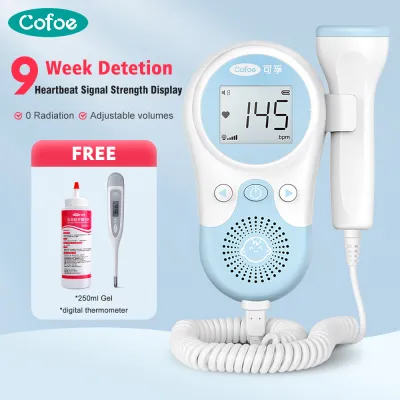
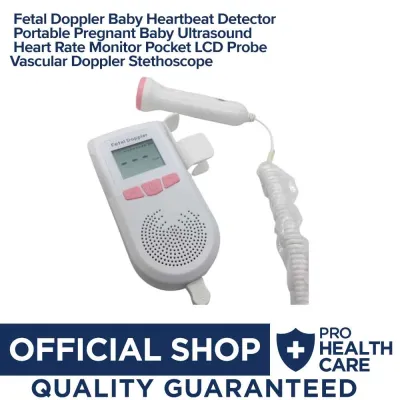
A home baby doppler is a compact, battery-operated device designed to detect and amplify the sound of a fetal heartbeat. The technology behind it is based on the Doppler effect, which uses high-frequency ultrasound waves to measure movement. When you apply ultrasound gel to your abdomen and glide the device’s probe across your skin, the probe emits sound waves that travel through your body. When these waves encounter moving objects—such as the beating chambers of your baby’s heart or blood flowing through the umbilical cord—they bounce back to the device. The doppler then translates these returning waves into an audible sound that you can hear through a built-in speaker or headphones.
Products mentioned in this guide

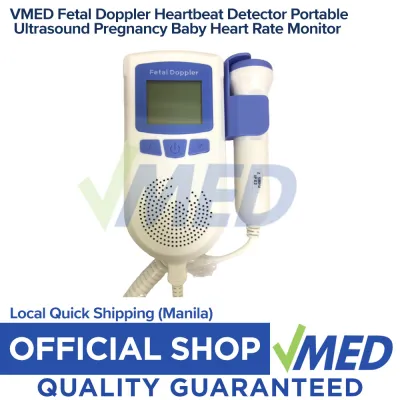

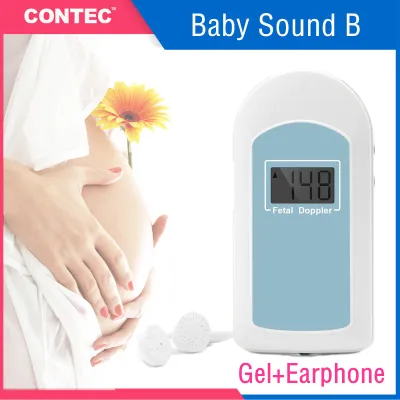
Prices are valid at publication and may change. Please refer to the product page for the latest price.
It is essential to distinguish between these over-the-counter home devices and the medical-grade ultrasound equipment used in clinical settings. Obstetricians, sonographers, and midwives use highly sophisticated, precisely calibrated instruments that provide detailed visual and auditory data. Furthermore, medical professionals undergo years of rigorous training to understand exactly what they are hearing and seeing. In contrast, home baby dopplers are simplified, lower-powered devices intended solely for recreational listening. They lack the advanced diagnostic capabilities of clinical machines and are not designed to identify underlying health complications.
Ultimately, a home device should be viewed strictly as a supplementary tool for personal enjoyment rather than a diagnostic medical instrument. It cannot assess the overall health of your placenta, measure amniotic fluid levels, or track your baby’s physical growth. Relying on a home doppler to determine whether your pregnancy is progressing safely can be misleading, as a heartbeat is only one of many indicators that healthcare providers evaluate during your routine prenatal appointments.
When a Home Fetal Doppler Might Provide Real Value
While a home baby doppler is not a necessity for everyone, there are specific circumstances where it can offer genuine value and emotional support. For parents navigating high-risk pregnancies or those with a history of medical complications, having a way to check in on the baby can provide a helpful layer of comfort. However, using a home device in these situations should always be done under the strict guidance and approval of your obstetrician. Your doctor can help you establish safe usage guidelines and ensure that home monitoring does not interfere with your scheduled clinical care.

For those who have experienced previous pregnancy loss, the weeks between prenatal appointments can be filled with intense anxiety. The emotional toll of waiting for the next clinic visit can make daily life incredibly challenging. In these cases, hearing the familiar, rapid heartbeat of your baby can offer immediate, temporary relief from overwhelming worry. This emotional reassurance can help anxious parents bond with their current pregnancy, transforming a period of fear into one of connection and hope.
Additionally, geographical factors can sometimes make frequent clinical visits difficult. In certain regions of the Philippines, traveling to a maternal health clinic can involve long journeys, especially during the heavy rains of the wet season when roads may become flooded or difficult to traverse. For expecting parents living in more remote areas, a home doppler can serve as a comforting supplementary check-in tool between their essential, scheduled clinical appointments. While it never replaces the need for professional care, it can help ease the anxiety of long intervals between doctor visits.
Why Standard Prenatal Checkups Are Usually Enough
For most healthy pregnancies, standard prenatal checkups are entirely sufficient to ensure both mother and baby are thriving. When you attend your regular appointments, your healthcare provider performs a comprehensive assessment that goes far beyond simply listening to a heartbeat. They monitor your blood pressure, track your weight gain, measure your fundal height to ensure the baby is growing at a healthy rate, and conduct routine blood and urine tests. These regular evaluations are designed to catch potential complications, such as gestational diabetes or preeclampsia, long before they become emergencies.
One of the primary concerns medical professionals have regarding home dopplers is the risk of false reassurance. A parent might feel that something is slightly off, but after using a home doppler and hearing what they believe is a heartbeat, they may decide to skip calling their doctor. In reality, it is very easy for an untrained user to mistake the sound of their own maternal pulse or the rushing sound of blood through the placenta for the baby’s heartbeat. This confusion can lead to a dangerous delay in seeking professional medical care when a baby is actually in distress.
There is also a practical financial aspect to consider when deciding whether to purchase a home baby doppler. Preparing for a new baby requires careful financial planning, with expenses ranging from prenatal vitamins and laboratory tests to hospital delivery packages. The cost of a home doppler could instead be directed toward these essential medical expenses or high-priority baby gear like a safe crib or car seat. When comparing the price of a non-essential electronic gadget to the concrete benefits of professional prenatal care, investing in your clinical checkups is always the more valuable choice.
Safety Boundaries and Medical Limitations
To ensure a safe and positive experience, it is vital to understand the medical limitations and safety boundaries associated with home baby dopplers. First and foremost, if you choose to buy a device, you must verify that it carries the appropriate regulatory clearance labels on its packaging. Look for certifications from recognized health authorities to ensure the device has been manufactured to meet safety standards for home use. Purchasing unapproved or counterfeit devices from unregulated online marketplaces can expose you to poorly calibrated equipment that may not function correctly.
A critical safety rule that every expecting parent must remember is that a home doppler should never be used to self-diagnose or delay professional medical help. If you notice a decrease in your baby’s movements or kicks, you must contact your obstetrician or go to the nearest hospital immediately. Do not attempt to use your home doppler to check for a heartbeat first. Even if you think you hear a heartbeat, a reduction in fetal movement is a serious warning sign that requires immediate professional evaluation. Relying on a home device in this scenario can waste precious time.
Furthermore, medical experts generally recommend limiting your exposure to ultrasound energy. While the ultrasound waves emitted by home dopplers are low-power, it is still best practice to use the device sparingly. Limit your sessions to just a few minutes once or twice a week, rather than using it daily or for extended periods. Remember that a home doppler is a recreational tool, not a substitute for professional medical advice, routine prenatal care, or emergency medical services.
Your Decision Checklist: Should You Buy a Baby Doppler?
If you are still undecided about whether to purchase a home baby doppler, using a structured checklist can help you clarify your needs. Take a moment to evaluate your personal circumstances, budget, and emotional well-being before making a final decision.
- Anxiety vs. Peace of Mind: Assess your personal anxiety levels. If you believe that failing to find the heartbeat immediately during a home session will cause you intense panic, a home doppler may not be the right choice for you. The baby's position can make the heartbeat difficult to locate, and the resulting stress can be counterproductive to a peaceful pregnancy.
- Healthcare Provider Consultation: Make it a mandatory step to discuss your plans with your obstetrician or midwife. Ask for their professional opinion on whether a home doppler is suitable for your specific pregnancy. If they agree, ask them to demonstrate the correct technique during your next clinic visit so you know how to position the probe and distinguish the baby's heartbeat from other sounds.
- Budget Allocation: Review your pregnancy budget. Ensure that the cost of the device and the necessary ultrasound gel does not take away from essential prenatal needs, such as high-quality prenatal vitamins, clinical fees, or setting aside funds for your delivery.
- Environmental Care: Consider your home environment. In tropical climates like the Philippines, high humidity and heat can degrade electronic components and ultrasound gel over time. If you decide to purchase a doppler, make sure you have a cool, dry place to store the device safely, away from direct sunlight and moisture, to keep it functioning properly throughout your pregnancy.
- Product Documentation: Always verify the manufacturer's age or gestational guidelines, weight or size ranges, and specific safety warnings on the product packaging before use. Never infer suitability solely from the product name.
Frequently Asked Questions (FAQ)
Can I use a regular stethoscope instead of a baby doppler?
While it is technically possible to hear a fetal heartbeat with a standard stethoscope, it is highly challenging and requires a lot of patience. Unlike an electronic baby doppler, which uses ultrasound waves to detect movement, a stethoscope relies entirely on acoustic sound amplification. Because of this, you generally cannot hear a baby’s heartbeat with a stethoscope until much later in the pregnancy, typically around the late second or early third trimester. Additionally, manual auscultation requires a completely silent room, precise placement over the baby’s back, and significant practice to distinguish the rapid fetal heartbeat from your own maternal pulse or digestive sounds.
What should I do if I cannot find the heartbeat at home?
If you are unable to locate your baby’s heartbeat during a home session, the most important thing to do is remain calm. There are many common, non-emergency reasons why the heartbeat might be difficult to find, such as the baby’s current position, the location of your placenta, or the thickness of your abdominal wall. Simply turn off the device, take a deep breath, and try again another day. However, you must follow this critical safety rule: if you are struggling to find the heartbeat and you also notice a decrease in your baby’s normal movements, do not wait. Contact your healthcare provider or go to the nearest hospital immediately for a professional medical assessment.
Community discussion
Share your experience or ask a question. Comments are reviewed before publication.