
Choosing a feeding bottle cleanser in the Philippines requires looking beyond eye-catching front labels to inspect the actual ingredient list. Because milk residue contains complex fats and proteins that spoil rapidly in warm, humid tropical climates, a cleanser must effectively break down these residues without leaving harsh chemical films behind. Parents should prioritize mild, plant-derived surfactants and food-grade ingredients while avoiding strong synthetic fragrances, artificial dyes, and aggressive sulfates that can linger on silicone nipples and plastic bottles. By understanding which ingredients to look for and which to avoid, you can maintain clean, residue-free feeding equipment that is gentle on your baby’s developing system.
How to Read Feeding Bottle Cleanser Labels
Front labels often feature prominent marketing claims like “natural,” “organic,” or “safe for babies,” but these terms are not always strictly regulated or standardized. To find the true composition of a feeding bottle cleanser, turn the bottle over and locate the actual ingredient list, which is typically listed in descending order of concentration. The first few ingredients represent the bulk of the formulation, while those listed at the end are present in much smaller amounts.
Look for chemical or botanical names rather than vague descriptions like “cleaning agents” or “active ingredients.” Transparent manufacturers will list specific compounds, such as decyl glucoside or sodium benzoate, allowing you to verify exactly what touches your baby’s feeding gear. If a product only lists broad categories of ingredients, it becomes difficult to verify its safety and compatibility with your baby’s bottles.
Products mentioned in this guide
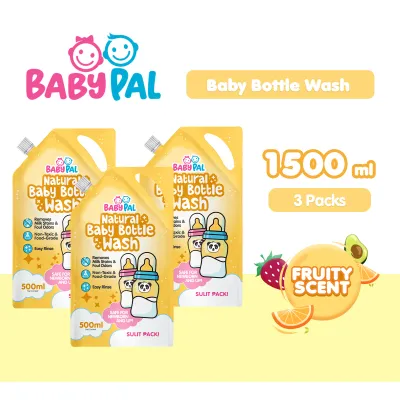
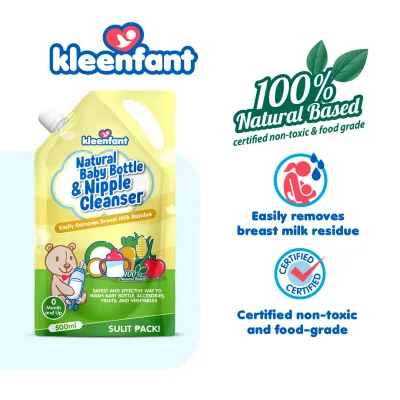
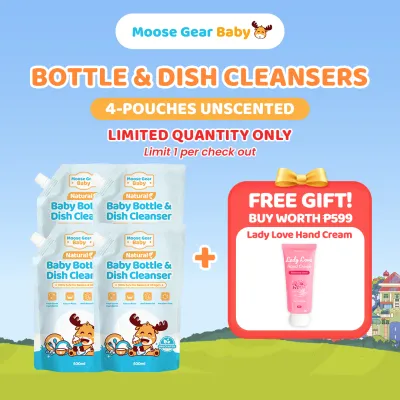
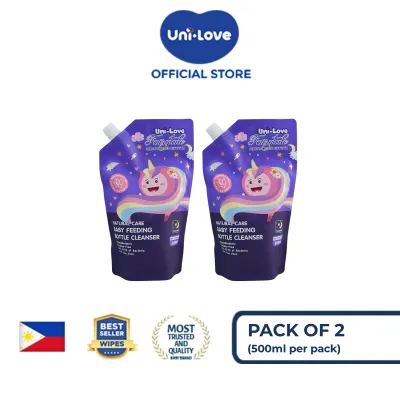
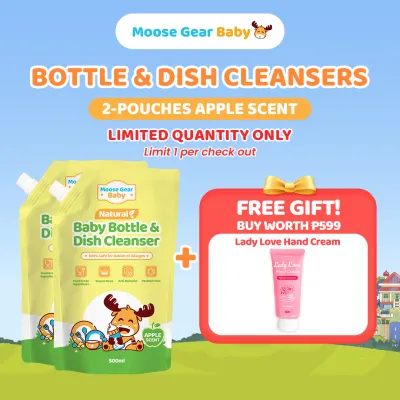
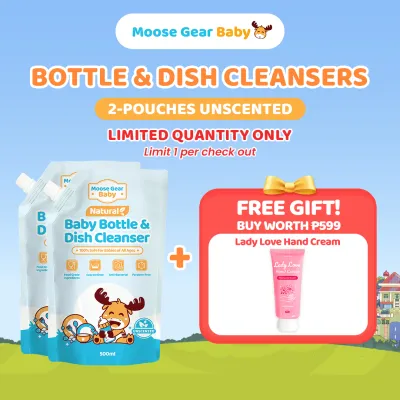
Prices are valid at publication and may change. Please refer to the product page for the latest price.
Additionally, check the packaging for clear manufacturer contact details, batch numbers, and manufacturing or expiry dates. A lack of contact information or missing batch codes can indicate poor quality control, making it safer to choose a brand that offers full traceability and open customer support channels. This transparency is crucial for verifying the origin and safety of the product before it enters your household.
Gentle and Effective Ingredients to Look For
When evaluating a feeding bottle cleanser, look for mild, plant-derived surfactants that lower the surface tension of water to lift away stubborn milk film. Surfactants derived from coconut, palm kernel, or corn, such as decyl glucoside, coco-glucoside, and lauryl glucoside, are excellent choices because they clean effectively without leaving a heavy chemical residue. These plant-based options are biodegradable and tend to be much gentler on the skin of the person washing the bottles.

Natural enzymes, such as amylase and protease, are also highly beneficial additions to a cleanser. These enzymes specifically target and break down the complex proteins and fats found in breast milk and infant formula, which can otherwise form a stubborn, cloudy film on the inside of bottles. By breaking these organic compounds down at a molecular level, enzymes allow the residue to be rinsed away easily without the need for aggressive scrubbing.
To keep the formulation stable and prevent the growth of mold or bacteria in humid environments, look for food-grade preservatives and pH balancers. Ingredients like citric acid, potassium sorbate, and sodium benzoate are widely used in food preservation and help maintain a safe, balanced pH level in the cleanser. These ingredients ensure the product remains effective over time without introducing high-risk chemical preservatives to your baby’s feeding accessories.
Finally, check the manufacturer’s specifications for rinse-away properties. A high-quality cleanser should be formulated to rinse off completely with water, leaving no slippery film, scent, or soapy taste on the bottle parts after a thorough wash. This ensures that the next batch of milk or formula remains uncontaminated by cleaning agents.
Harsh Ingredients to Avoid or Verify Before Buying
Many standard household detergents contain strong synthetic fragrances and artificial dyes designed to make the product look and smell appealing. However, these additives can easily cling to plastic and silicone bottle parts, leaving a lingering scent that might alter the taste of milk and cause your baby to reject the bottle. Furthermore, synthetic fragrances often contain phthalates, which are chemical plasticizers that parents generally prefer to avoid in baby products.
Harsh sulfates, such as sodium lauryl sulfate (SLS) and sodium laureth sulfate (SLES), should also be avoided or carefully verified. While these agents produce a rich lather, they can be highly irritating to sensitive skin and are often difficult to rinse away completely from narrow bottle necks and silicone nipples. A cleanser that does not rely on heavy sulfates may produce less foam, but it is often much easier to rinse clean.
Controversial preservatives and antibacterial agents, including parabens, formaldehyde releasers, and triclosan, require strict verification. Because an infant’s system is still developing, it is best to avoid formulations containing these aggressive chemicals unless they carry specific, verified safety certifications for infant use. Many of these chemicals are unnecessary for daily bottle cleaning and can be replaced by safer, food-grade alternatives.
If you encounter an unrecognized chemical compound or a vague ingredient name on a label, establish a rule to stop and verify. You can contact the manufacturer directly for clarification or consult your pediatrician to ensure the ingredient is safe for your baby’s specific developmental stage. Taking this extra step helps prevent accidental exposure to harsh chemicals.
Matching Cleanser Ingredients to Your Bottle Material
Feeding bottles and accessories are made from various materials, including glass, polypropylene (PP), polyethersulfone (PES), polyphenylsulfone (PPSU), and silicone. Each of these materials has different tolerances to chemical exposure, heat, and physical scrubbing. Understanding how your cleanser interacts with these materials can extend the lifespan of your baby’s feeding gear.
Highly acidic or strongly alkaline formulations can degrade certain plastics over time, causing them to become brittle, scratch easily, or develop a cloudy appearance. Silicone nipples and valves are particularly prone to absorbing strong chemical scents and can degrade if exposed to harsh, stripping agents. Using a mild, pH-balanced cleanser helps preserve the structural integrity of these flexible parts, preventing leaks and tears.
Always check the manufacturer’s care instructions for both the bottles and the cleanser to ensure compatibility. For instance, some concentrated cleansers require a specific dilution ratio in a basin of water rather than direct application, which helps protect delicate silicone parts from premature wear. Following these guidelines ensures that the cleaning process remains both safe and effective.
How to Verify Safety Claims on the Label
To protect your baby, learn to distinguish between unregulated marketing buzzwords and objective ingredient standards. Terms like “hypoallergenic” or “pediatrician-recommended” should ideally be backed by visible references to independent dermatological testing or specific safety certifications on the packaging. If a brand makes these claims without providing any supporting details or contact information, treat them with caution.
Examine the label for clear, step-by-step usage instructions, including recommended dilution ratios and explicit rinsing requirements. A reliable product will clearly state how long to soak items, how to scrub them, and how much water is needed to ensure a complete, residue-free rinse. These instructions are vital for achieving the intended level of cleanliness without wasting water or product.
Never purchase or use a cleanser if the packaging is damaged, leaking, or missing its ingredient list and safety warnings. If the label is illegible or lacks clear instructions in a language you understand, discard the product and choose one that prioritizes clear, transparent communication. This simple check helps ensure that you always have access to critical safety and usage information.
Frequently Asked Questions (FAQ)
Do I need a special cleanser, or is regular dish soap safe for baby bottles?
Regular dish soaps are often formulated with strong surfactants and heavy synthetic fragrances designed to strip grease from adult cookware. These harsh ingredients can be difficult to rinse completely from plastic baby bottles and silicone nipples, potentially leaving a soapy residue. If you must use regular dish soap, carefully check the ingredient list to ensure it is free from strong dyes, perfumes, and harsh sulfates, and rinse each part multiple times with clean water.
Can I use cleansers with natural enzymes on all bottle parts?
Cleansers containing natural enzymes are generally safe and highly effective for breaking down milk proteins on glass, plastic, and silicone parts. However, you should always check the manufacturer’s care instructions for your specific bottle components to confirm compatibility. To prevent any enzyme or surfactant residue from building up on the surfaces, ensure that every part is thoroughly rinsed under clean, running water after washing.

Community discussion
Share your experience or ask a question. Comments are reviewed before publication.