
Evaluating the safety of Nature to Nurture toothpaste for your baby requires looking beyond marketing claims and directly examining the product’s physical ingredient label. Because formulations can change and infant safety depends heavily on a child’s specific developmental stage and swallowing ability, this guide will help you decode the ingredient list, understand the safety boundaries of common oral care components, and determine when to transition between fluoride-free and fluoride-containing options based on professional pediatric guidelines. Generally, baby toothpastes from reputable brands are formulated to be safe when used in age-appropriate amounts, but verifying the exact ingredients on your specific tube is the only way to ensure it aligns with your child’s current developmental needs.
How to Verify the Exact Ingredients in Your Tube
To ensure the toothpaste you hold is appropriate for your baby, locate the complete ingredient list, often formatted as the International Nomenclature of Cosmetic Ingredients (INCI). On Nature to Nurture packaging, this list is typically printed on the back of the tube or the outer box. It is crucial to read this physical label rather than relying solely on online product descriptions, as manufacturers frequently update formulations. What you see on an e-commerce platform might reflect an older version, whereas the physical box represents the exact chemical profile you are introducing to your child.
When reading the label, distinguish between active ingredients, which provide a specific therapeutic benefit like cavity prevention, and inactive ingredients, which serve as binders, humectants, sweeteners, or preservatives. In baby toothpastes, active ingredients like fluoride will be listed clearly with their concentrations, while inactive ingredients like water, glycerin, and silica make up the bulk of the paste’s texture. Understanding this distinction helps you identify exactly what your baby might ingest. Keep in mind that ingredients are listed in descending order of concentration, meaning the first few items constitute the majority of the product.
Products mentioned in this guide
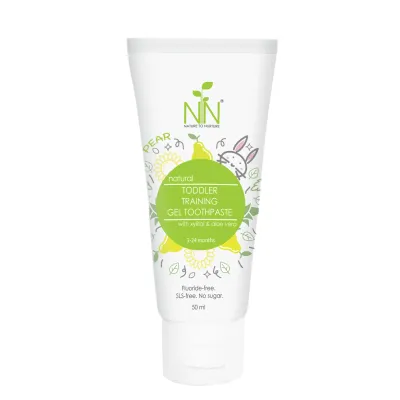
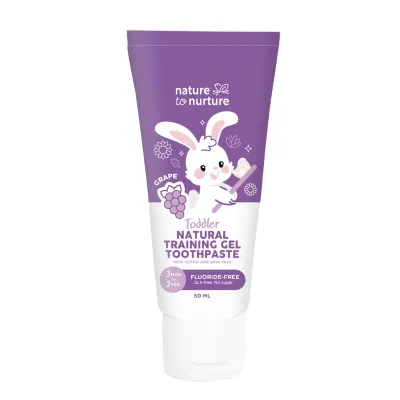
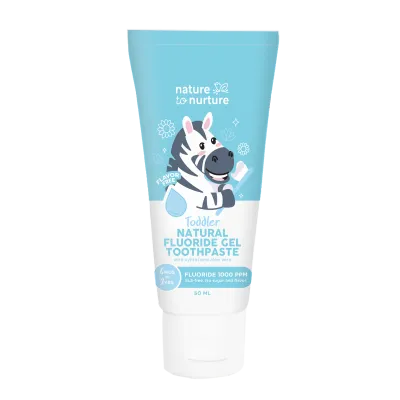
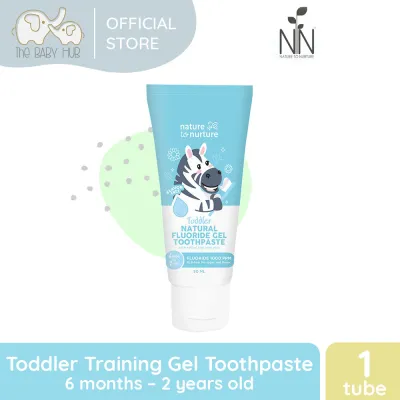
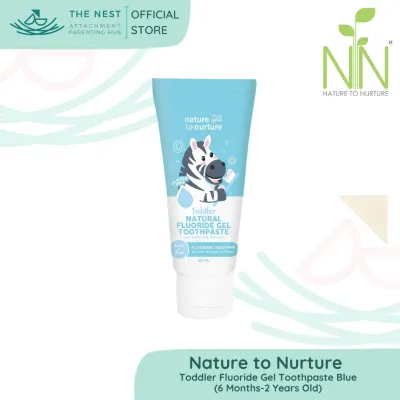
Prices are valid at publication and may change. Please refer to the product page for the latest price.
Critical Ingredient Categories to Evaluate for Infant Safety
When evaluating any baby toothpaste, the presence and concentration of fluoride is the most critical factor to consider. Fluoride is highly effective at strengthening tooth enamel and preventing decay, but infants who have not yet learned to spit are at risk of swallowing it. Ingesting too much fluoride during the years of tooth development can lead to dental fluorosis, which causes mild discoloration or spotting on permanent teeth. For this reason, pediatric dental guidelines often recommend starting with a fluoride-free training toothpaste for very young infants, or using an extremely tiny, smear-sized amount of fluoridated toothpaste if a dentist determines the child is at high risk for early childhood caries.

Another key category to inspect is the presence of surfactants and foaming agents. Sodium Lauryl Sulfate (SLS) is a common surfactant used in adult toothpastes to create foam, but it can irritate an infant’s delicate oral mucosa. When choosing a toothpaste for your baby, look for SLS-free formulas that use milder, plant-derived cleansing agents or rely on the mechanical action of brushing with silica. A low-foaming toothpaste is also much easier for a baby to tolerate, as excessive foam can trigger a gag reflex.
Sweeteners and flavorings make the brushing experience pleasant, but their safety profiles vary. Natural sugar alcohols like xylitol and sorbitol are widely used because they do not promote tooth decay. However, you should verify that the formula does not contain artificial dyes, high-fructose corn syrup, or intense artificial sweeteners. If the product uses natural fruit extracts, monitor your baby for any signs of localized allergic reactions, especially if your family has a history of food sensitivities.
Finally, preservatives and stabilizers prevent the growth of harmful bacteria and mold inside the tube, particularly in warm, humid tropical climates like the Philippines. Ingredients such as sodium benzoate, potassium sorbate, or citric acid are commonly used to maintain product stability. While these preservatives are generally recognized as safe in tiny quantities, verify that the toothpaste is free from parabens and formaldehyde-releasing agents. Ensuring the preservatives are mild yet effective protects your baby from both chemical irritation and microbial contamination.
Matching Ingredients to Your Baby's Developmental Stage
Your baby’s oral care routine must evolve alongside their physical development. Before the first tooth erupts, usually around six months of age, there is no clinical need for toothpaste. During this early stage, oral hygiene should focus on keeping the gums clean and clearing away milk residue. A soft, damp clean cloth or a silicone finger brush dipped in plain water is sufficient to gently wipe the gums after feedings, helping your baby get accustomed to oral cleaning without exposing them to unnecessary ingredients.
Once the first tooth erupts, typically between six and twenty-four months, you can introduce a tiny smear of toothpaste. At this stage, babies lack the coordination to spit out the paste, meaning they will inevitably swallow it. If you choose a fluoride-free training toothpaste, the ingredients must be safe for ingestion in small quantities. If your pediatric dentist recommends a fluoridated toothpaste, strictly limit the portion to a tiny smear no larger than a single grain of rice. This minuscule amount ensures that even if swallowed, the fluoride intake remains well within safe limits.
As your child reaches two years of age, they begin to develop the motor skills to control their swallowing reflex and learn how to spit. This milestone marks the transition where you can gradually increase the toothpaste portion to a pea-sized amount. It is also the stage where transitioning to a mild fluoridated toothpaste becomes standard practice to protect their growing primary teeth. During this transition, continue to supervise brushing closely, prompting them to spit out the excess foam to prevent long-term ingestion.
When to Seek Professional Pediatric Dental Advice
While evaluating ingredient labels is an excellent practice for parents, it should never replace personalized guidance from a qualified pediatric dentist. You should schedule your baby’s first dental visit by their first birthday or within six months of their first tooth’s eruption. A professional can assess your child’s specific enamel health, developmental progress, and cavity risk level to provide a tailored recommendation on whether to use fluoride-free or fluoridated toothpaste. This is particularly important if your child has developmental delays that affect swallowing or if you notice any early signs of tooth decay, such as chalky white spots near the gumline.
Additionally, seek immediate professional advice if you notice any adverse reactions after introducing a new toothpaste. Symptoms like redness, swelling of the gums or lips, or a rash around the mouth can indicate a sensitivity to a specific ingredient, flavoring, or preservative. A pediatric dentist can help identify the offending component and recommend a safe alternative.
Finally, local environmental factors play a significant role in your child’s oral health needs. In the Philippines, water fluoridation levels vary widely across different regions and municipalities, and many households rely on bottled or purified water that lacks fluoride entirely. A local dentist can evaluate your household’s water source and advise you on the correct balance of systemic and topical fluoride, ensuring your baby’s teeth are protected without the risk of overexposure.
Frequently Asked Questions (FAQ)
Is it safe if my baby swallows a small amount of toothpaste?
Yes, swallowing a tiny, controlled amount of baby toothpaste is generally safe, provided you are using the correct portion size for their age. Fluoride-free training toothpastes are specifically formulated with food-grade ingredients designed to be swallowed without causing stomach upset or toxicity. If you are using a fluoridated toothpaste, keeping the portion to a rice-grain-sized smear ensures that the amount of fluoride ingested is negligible and highly unlikely to cause dental fluorosis or acute toxicity. However, if your child accidentally ingests a large quantity of fluoridated toothpaste directly from the tube, you should immediately contact a healthcare professional or a local poison control center for guidance.
Do I need to use toothpaste before my baby's first tooth appears?
No, toothpaste is not necessary or recommended before your baby’s first tooth erupts. The primary goal of oral care during the first few months of life is simply to keep the gums clean and free of milk residue, which can be accomplished effectively using a soft, damp washcloth or a clean silicone finger brush with plain water. Introducing toothpaste too early unnecessarily exposes your infant’s digestive system to cleaning agents, flavorings, and preservatives before their body is ready to process them. Saving toothpaste for the arrival of the first tooth ensures a safer, more natural progression in their oral hygiene routine.

Community discussion
Share your experience or ask a question. Comments are reviewed before publication.