
Choosing between the Eufy S1 Pro, Medela, and Spectra breast pumps depends on how you plan to balance your daily schedule, your need for mobility, and your personal comfort preferences. If you are an active mother navigating a busy commute in Manila or managing a hybrid work setup, a wearable, smart-connected pump like the Eufy S1 Pro offers hands-free convenience. On the other hand, if you are focused on establishing a robust milk supply at home or require hospital-grade reliability, traditional powerhouses from Medela and Spectra provide time-tested performance and highly customizable settings.
Understanding these differences helps you avoid purchasing a device that does not align with your lifestyle. By examining the design philosophies, technical specifications, and maintenance requirements of each brand, you can select a pump that fits seamlessly into your routine.
Understanding the Core Design Philosophies
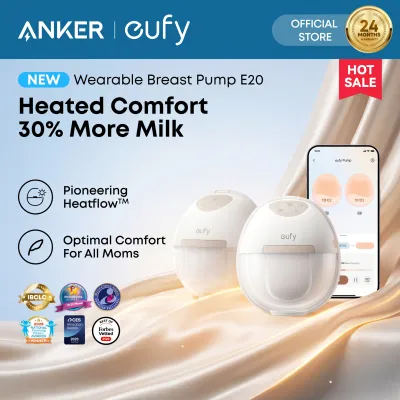
The Eufy S1 Pro represents the modern wave of wearable breast technology, focusing on discreet portability and smart integration. Designed as a tubeless, wearable system, it fits directly inside your nursing bra, allowing you to pump while working at your desk, managing household chores, or traveling. Its companion mobile application tracks your pumping history, session duration, and settings, catering to tech-savvy mothers who appreciate automated data logging and hands-free operation.
Products mentioned in this guide
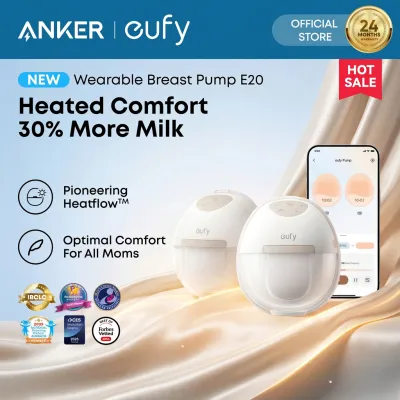
![[BESTSELLER] eufy by Anker E20 Wearable Breast Pump with Warming Feature – Hands-Free Portable & Comfortable Pumping](https://img.lazcdn.com/g/p/48705b0d0172408e45313fbf68c7d57a.png_400x400q80.png_.webp)
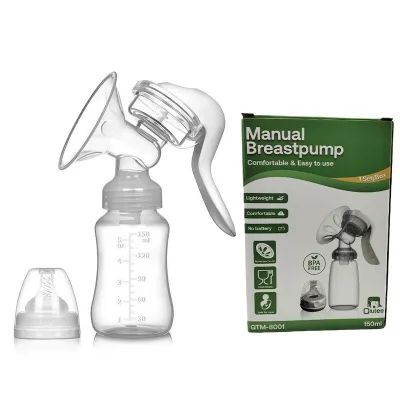
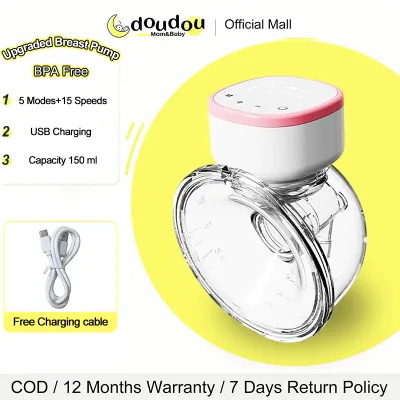
Prices are valid at publication and may change. Please refer to the product page for the latest price.
Medela built its reputation on clinical heritage and hospital-grade research, making it a staple in postpartum wards and lactation clinics. The brand emphasizes traditional reliability and physiological research, such as two-phase expression technology that mimics a baby’s natural nursing rhythm. Medela pumps, whether double-electric portable units or heavy-duty hospital-grade models, focus on efficient milk expression and are frequently recommended by healthcare professionals for establishing and maintaining supply.
Spectra focuses on high customizability, quiet operation, and robust closed-system designs. Known for their signature desktop models, Spectra pumps allow you to adjust suction strength and cycle speed independently, providing a highly tailored pumping experience. This level of control, combined with whisper-quiet motors, makes Spectra a favorite for mothers who pump frequently at home, particularly during late-night sessions when keeping the nursery quiet is a priority.
Essential Specifications to Verify on the Box
Before purchasing any breast pump, you must verify the adjustable vacuum levels and cycle settings on the device interface or packaging. A wider range of suction levels allows you to fine-tune the pump to your comfort threshold, preventing discomfort. Check if the pump offers distinct stimulation and expression modes, and verify whether the cycle speed (cycles per minute) can be adjusted independently of the suction strength, a feature common in desktop models but sometimes limited in compact wearable units.

Flange sizing and compatibility are critical factors that directly impact your comfort and milk output. Most pumps come packaged with standard flange sizes, typically 24 mm or 28 mm, but these may not fit your specific anatomy. Measure your nipple diameter carefully and check the manufacturer’s documentation to see if they offer alternative flange sizes or silicone inserts. Using an incorrectly sized flange can lead to friction, pain, and inefficient expression.
Power options dictate where and how you can pump, especially in areas prone to power fluctuations or during long commutes. Verify the battery capacity, estimated run time per charge, and charging interface—such as USB-C for modern wearables or proprietary AC adapters for larger desktop units. If you choose a plug-in model, ensure your designated pumping space has a reliable power outlet nearby, or verify if the unit can operate on external AA batteries or a portable power bank.
Always confirm that the pump utilizes a closed system, which features a physical barrier to prevent milk from entering the tubing or motor. This design is crucial for hygiene, as it prevents mold and bacteria from growing inside the internal components where they cannot be cleaned. You can verify this by checking the manufacturer’s product manual for terms like “backflow protector” or “closed-system design” before making your final selection.
Matching the Pump to Your Daily Routine
The Eufy S1 Pro is highly suitable if you prioritize mobility, discreetness, and digital tracking in your daily routine. If you are returning to an office environment, frequently travel, or need to care for older children while pumping, the wearable design eliminates dangling tubes and bulky power units. The app integration simplifies tracking, making it easy to monitor your sessions without manually writing down times and volumes during a busy day.
Medela is an excellent choice if you need to establish your milk supply in the early weeks postpartum or prefer a brand with extensive clinical backing. If you are working closely with a lactation consultant or require a pump that easily connects to standard hospital-grade parts, Medela’s ecosystem is highly compatible. It is also ideal for mothers who prefer straightforward, tactile button controls over smartphone applications and touchscreens.
Spectra fits perfectly into a routine centered around a dedicated pumping station at home or a fixed office desk. If you pump multiple times a day and require precise control over the speed and depth of each pull to trigger your letdown, Spectra’s dual-adjustability is highly beneficial. The quiet motor is particularly advantageous for night pumping in a shared bedroom, and the built-in nightlight on desktop models helps you operate the device without waking your baby.
Before finalizing your decision, verify the local warranty and support availability in your region. If you experience a technical issue with your pump, having access to an authorized local distributor or service center ensures you can get replacement parts or repairs quickly. Additionally, if you have specific medical conditions, are pumping for a premature infant, or are managing a low milk supply, consult a healthcare professional or a certified lactation consultant to determine which pump style best supports your medical needs.
Evaluating Long-Term Value and Maintenance
The total cost of owning a breast pump extends beyond the initial purchase price to include the ongoing cost of replacement parts. Components like silicone valves, membranes, diaphragms, and tubing wear out over time due to regular use and sterilization, leading to a gradual loss of suction. Before buying, search local online marketplaces and baby specialty stores to verify that genuine replacement parts for your chosen brand are readily available and reasonably priced in the Philippines, where individual valves or membranes typically range from ₱300 to ₱1,500 depending on the component.
Cleaning and sterilization routines vary significantly between wearable and traditional pumps, impacting your daily workload. Wearable pumps like the Eufy S1 Pro often have integrated parts that require careful hand-washing and specific sterilization methods to avoid warping the plastic or damaging integrated sensors. Traditional pumps like Spectra and Medela use standard bottles and flanges that are widely compatible with steam sterilizers, boiling water, and UV sterilizers, though you must always check the manufacturer’s manual for temperature limits.
Warranty coverage is your primary protection against motor failure or electronic defects. Verify whether the pump comes with an official local warranty from an authorized distributor or if it is a parallel import with limited seller-only support. A reliable local warranty ensures that if your pump stops working, you will not be left without a device for weeks while waiting for international shipping or repairs, which is crucial for maintaining your pumping schedule.
Frequently Asked Questions (FAQ)
Can I use third-party flanges with the Eufy S1 Pro, Medela, or Spectra?
You must check the manufacturer’s warnings before attempting to use third-party or universal flanges with your breast pump. While some adapters exist to connect different brands, using non-original parts can compromise the vacuum seal, reduce suction efficiency, and potentially damage the pump motor. An improper fit or a poor seal can also cause friction and nipple trauma, which negatively affects your milk expression. If you struggle to find a comfortable fit with the included accessories, consult a certified lactation consultant who can recommend safe, compatible sizing solutions or approved brand-specific alternatives.
How do I know if the suction level is too high?
You can identify excessive suction by observing physical signs such as nipple swelling, blanching (turning white), bruising, or persistent pain during and after your pumping session. Pumping should never be painful; high suction does not equate to more milk and can actually inhibit your letdown reflex by causing stress and tissue inflammation. The standard practice is to start your session at the lowest suction setting during the stimulation phase, then gradually increase the vacuum level only until milk flows comfortably, stopping immediately if you feel any discomfort. If you experience ongoing pain or skin damage, stop using the pump and seek professional medical or lactation advice.

Community discussion
Share your experience or ask a question. Comments are reviewed before publication.