
A sudden drop in vacuum pressure while using your eufy s1 breast pump can quickly disrupt your daily routine. When you are balancing a busy schedule, maintaining a consistent milk expression rate is essential for your comfort and milk supply. Fortunately, most suction issues do not point to a broken motor; instead, they often stem from simple assembly errors, worn silicone components, or moisture buildup.
Understanding how to diagnose these issues systematically helps you get your pump back to peak performance without unnecessary stress. In tropical climates like the Philippines, high humidity and heat can also play a subtle role in how silicone parts seal and dry, making regular inspection even more critical. By following a structured troubleshooting approach, you can quickly identify whether the issue requires a simple adjustment or a replacement part.
Quick Checks to Restore Eufy S1 Breast Pump Suction
Aligning the Duckbill Valve and Diaphragm
The silicone duckbill valve is a highly sensitive component that regulates the direction of air and milk flow. If it is twisted, pushed in crookedly, or not fully seated, the vacuum seal breaks instantly. Similarly, the silicone diaphragm acts as the physical barrier that translates the motor’s pulling force into suction. Ensure the diaphragm is pressed firmly and evenly around its entire rim. Even a microscopic gap will let air leak in, dropping the suction pressure to zero.
Products mentioned in this guide
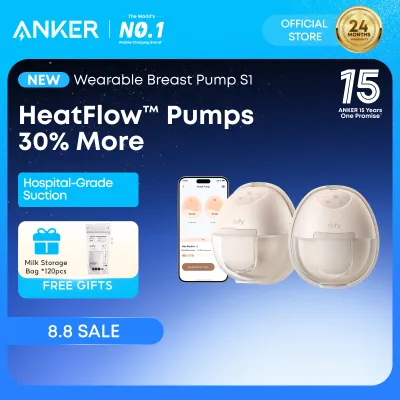
![[NEW ARRIVAL] eufy by Anker S1 Pro Heated Wearable Breast Pump (Pain-Relief HeatFlow) | Hands-Free Slim In-Bra Hospital-Grade Suction | Wireless Charging Case App-Controlled](https://img.lazcdn.com/g/p/6ffbfa97fd158179f9b06e56bdf4c605.png_400x400q80.png_.webp)
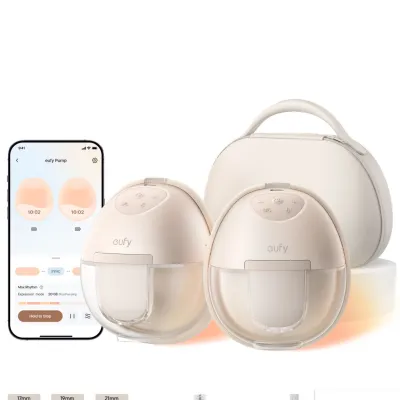
![[BESTSELLER] eufy by Anker E20 Wearable Breast Pump with Warming Feature – Hands-Free Portable & Comfortable Pumping](https://img.lazcdn.com/g/p/0f4d2c879e01028c760c199e4ff7fa05.png_400x400q80.png_.webp)
Prices are valid at publication and may change. Please refer to the product page for the latest price.
Ensuring a Proper Flange Fit and Skin Seal
The flange must fit your breast anatomy correctly to create a vacuum. If the flange is too large or too small, air will leak from the sides. In warm, humid conditions, sweat or skin oils can accumulate on your breast or the silicone flange, causing the pump to slide or lose its grip. Before starting, wipe your skin and the flange with a clean, dry cloth to ensure a secure, slip-free seal. If you use silicone inserts to adjust the flange size, make sure they are inserted completely flat without any folds.
Verifying Dry and Secure Connections
Every connection point in the pump assembly must be airtight. Check the interface where the breast shield meets the connector and where the connector joins the collection bottle. If these parts are damp, even from a tiny droplet of water left over from washing, the parts can slip or allow air to bypass the seals. Ensure all components are completely dry and clicked or screwed tightly into place before you power on the unit.
Symptom and Solution Troubleshooting Guide
Structured Diagnostic Matrix
| Symptom | Likely Cause | Actionable Solution |
|---|---|---|
| Weak or fading suction | Misaligned duckbill valve; stretched diaphragm; milk fat buildup; incorrect flange size. | Re-seat the valve; replace stretched silicone parts; deep-clean parts to remove residue; measure nipple for correct flange size. |
| Motor runs, no suction | Loose component connections; torn silicone diaphragm; cracked connector; assembly gap. | Disassemble and firmly reassemble all parts; inspect silicone for micro-tears; check plastic housing for physical damage. |
| Unexpected stopping / Motor errors | Low battery; safety auto-shutoff; device overheating; internal system glitch. | Charge using the original cable; allow the motor to cool in a cool, dry room; perform a system reset according to the manual. |
Deep-Diving into Weak or Fading Suction
Weak suction often creeps up over time due to gradual wear on the silicone parts. Over weeks of daily use, silicone naturally loses its elasticity. It may look fine to the naked eye, but under the vacuum pressure of the eufy s1 breast pump, the worn material stretches too much, failing to hold the negative pressure. Another common culprit is the buildup of invisible milk fat. In warm climates, milk residues can dry quickly and harden into a stubborn film if parts are not washed immediately after use. This film prevents the duckbill valve from closing fully, causing a slow but steady loss of suction during your session.

Addressing a Running Motor with Zero Suction
If you hear the motor hum and feel it vibrating, but there is absolutely no pull on your breast, the vacuum circuit is completely open. This is almost always an assembly issue or a structural failure in a wearable part. First, check the silicone diaphragm. If it has a tiny tear—even one that is barely visible—the motor cannot pull the vacuum. Second, ensure that the plastic connector is not cracked. Dropping a plastic connector on a hard tile floor can cause hairline fractures that let air escape. If you find a crack, stop using that component immediately and replace it to prevent motor strain.
Resolving Motor Errors and Power Issues
Modern wearable pumps contain sensitive electronic components. If your pump stops unexpectedly or displays an error code, check the battery level first. Running a pump on a critically low battery can cause inconsistent motor performance and weaker suction before it shuts down completely. Additionally, if you are pumping in a non-air-conditioned room during hot summer months, the motor unit can overheat. The device’s internal safety sensors may trigger an automatic shutoff to protect the battery and electronics. If this happens, move to a cooler, well-ventilated space, let the device cool down completely, and try restarting it. Always refer to your product manual for specific error code definitions.
Cleaning and Inspecting Parts for Optimal Vacuum
Safe Cleaning Routine to Prevent Milk Fat Buildup
To maintain the airtight seals required by the pump, you must clean the silicone parts thoroughly after every use. Milk fat is highly adhesive and can act as a lubricant or a glue, either causing parts to slide out of alignment or sticking the duckbill valve shut. Wash all disassembled parts in warm, soapy water using a mild, liquid dishwashing soap. Do not use harsh bottle brushes or abrasive scrubbers inside the delicate tip of the duckbill valve, as this can easily tear or stretch the silicone. Instead, gently massage the valve between your fingers to clear any trapped milk residue.
Visual and Tactile Inspection for Micro-Tears
Regularly inspect your pump’s silicone accessories under a bright light. Pinch the base of the duckbill valve gently to check if the slit at the tip closes completely. If the slit remains slightly open when relaxed, the valve is worn out and will cause suction loss. Examine the diaphragm for any thinning, cloudiness, or tiny punctures. If you notice any warping or if the silicone feels unusually sticky or soft, it is time to replace it.
The Critical Role of Thorough Air-Drying
In humid climates, drying your pump parts can take longer than expected. However, assembling the pump while the parts are still damp is a major cause of suction failure. Water droplets on the sealing rims of the diaphragm or the connector prevent a tight vacuum seal. Place your washed parts on a clean, dedicated drying rack in a well-ventilated area away from dust. Avoid using a hair dryer or exposing silicone parts to direct, intense sunlight, as extreme heat can warp the silicone and degrade its vacuum-holding properties.
When to Stop and Contact Eufy Support
Recognizing Red Flags and Electronic Failures
While most suction issues are easily resolved at home, some symptoms point to internal mechanical or electronic faults. If your pump motor unit emits an unusual grinding, clicking, or rattling noise, or if you notice a faint burning smell, stop using the device immediately. These are clear indicators of motor strain or electrical short-circuiting. Similarly, if the touch buttons become unresponsive, the display screen flickers constantly, or the battery drains completely within minutes of a full charge, the issue lies within the sealed electronics.
Protecting Your Warranty and Seeking Help
Never attempt to open, unscrew, or disassemble the sealed motor unit of your pump. Doing so poses severe safety risks, can permanently damage the electronics, and will immediately void your manufacturer’s warranty. If basic troubleshooting does not restore suction and you suspect a motor failure, consult the manufacturer’s official user manual to verify warranty terms. Reach out to Eufy customer support or an authorized distributor for professional assistance or replacement options. If you experience physical pain, skin irritation, or a sudden drop in milk output due to suction issues, stop pumping and consult a certified lactation consultant or healthcare professional.
Preventive Care to Avoid Future Suction Loss
Adhering to Recommended Replacement Schedules
Silicone is a consumable material that naturally degrades over time due to stretching, washing, and exposure to milk fats. To maintain consistent suction, check the manufacturer’s guidelines for recommended part replacement intervals. As a general rule of thumb for active pumpers, duckbill valves should be replaced every 1 to 2 months, while diaphragms and silicone breast shields should be replaced every 3 months. Keeping a spare set of authentic replacement parts on hand prevents sudden disruptions to your pumping routine.
Safe Storage and Pre-Session Routines
Store your pump and its clean, dry components in a dedicated, dust-free bag or container. Keep the motor unit away from high-humidity areas like bathrooms, and protect it from extreme temperatures. Before starting any pumping session, establish a quick 10-second inspection routine. Visually check that the duckbill valve is clear and intact, and run your finger along the rim of the diaphragm to ensure it is seated perfectly. This simple habit helps you catch worn parts before they cause a complete loss of suction mid-session.

Community discussion
Share your experience or ask a question. Comments are reviewed before publication.