
Prioritizing the right safety features when choosing a car seat toddler transition requires focusing on verified safety certifications, robust side-impact protection, secure installation systems, and a highly adjustable harness. In the Philippines, where daily commutes involve navigating congested urban roads, sudden stops, and varying highway speeds under intense tropical heat, selecting the right seat is a critical decision. A toddler car seat is a vital life-saving device engineered to manage extreme physical forces during a collision, and understanding what to look for ensures your child remains secure on every journey.
While many products on the market claim to offer superior protection, safety features are only effective when they match your child’s specific developmental stage and are used correctly. Evaluating these features systematically allows you to make an informed decision that balances daily usability with uncompromising protection.
Understanding Toddler Car Seat Safety Standards and Certifications
Safety certifications are the foundational baseline for any car seat. They prove that a seat has undergone rigorous dynamic crash testing and meets strict engineering standards. Rather than relying on unverified marketing claims, you must verify that the seat you choose carries legitimate, recognized certification marks.
Products mentioned in this guide
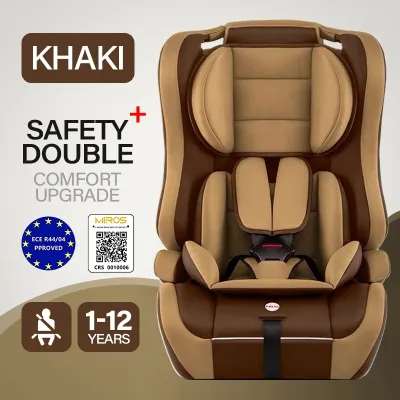
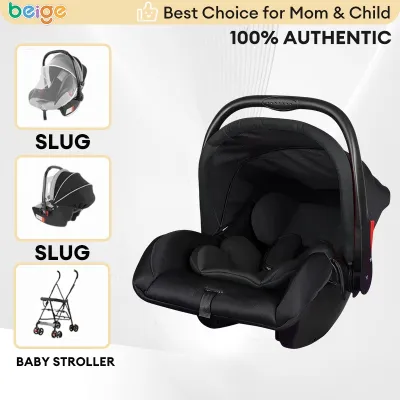
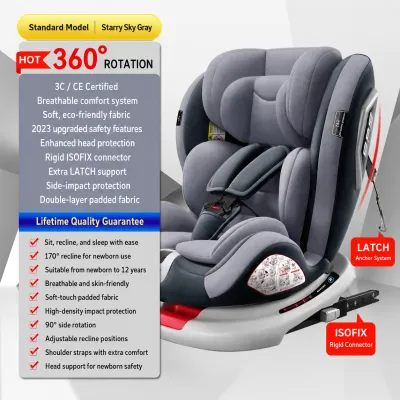
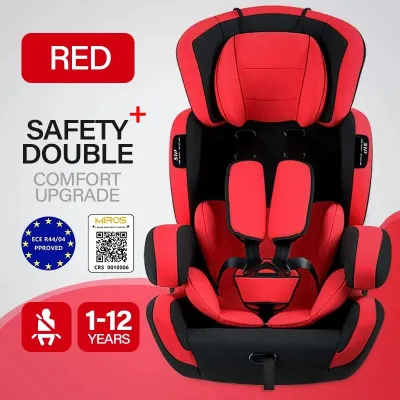
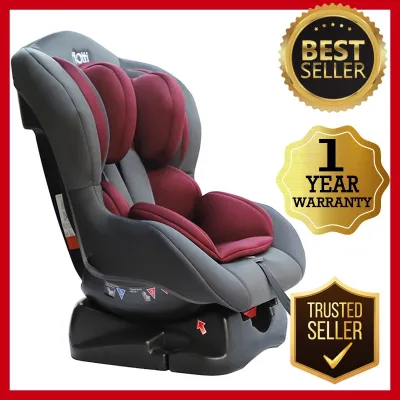
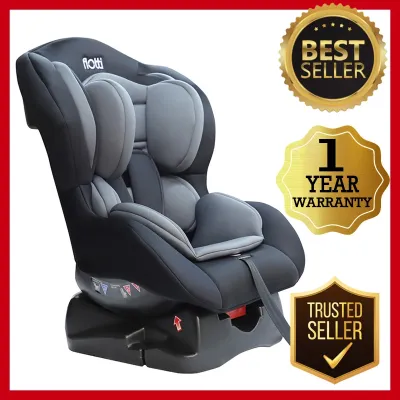
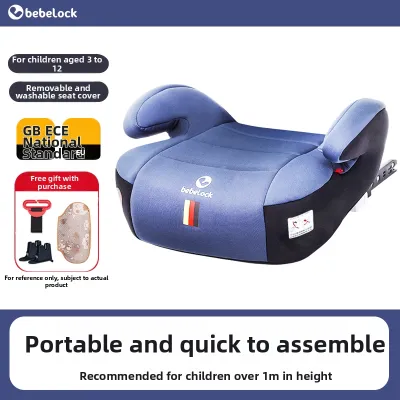
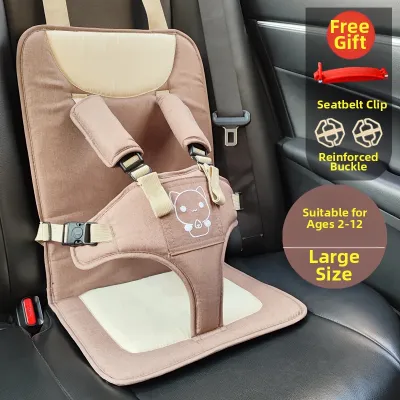
Prices are valid at publication and may change. Please refer to the product page for the latest price.
When shopping for a car seat, physically look for authentic certification stickers on the seat shell or packaging. In the Philippines, the Department of Trade and Industry (DTI) and the Land Transportation Office (LTO) recognize major international standards. The most common certifications you will encounter include:
- ECE R44/04: A widely accepted European standard that categorizes car seats by the child's weight groups.
- ECE R129 (i-Size): The newer European standard that categorizes seats by the child's height, mandates rear-facing travel up to at least 15 months, and includes mandatory side-impact testing.
- FMVSS 213: The Federal Motor Vehicle Safety Standard established in the United States, which regulates child restraint systems.
Additionally, look for the local Import Clearance Certificate (ICC) sticker or the Philippine Standard (PS) mark, which indicates the product has been officially verified for sale and use in the local market.
Be highly cautious of vague marketing terms. Phrases like “crash-tested,” “safety approved,” or “premium protection” are legally meaningless without a recognized standard number attached. Always check the specific weight and height limits printed directly on the certification label. Never assume a seat is suitable for your child based on age alone; you must verify that your toddler’s current physical measurements fall safely within the manufacturer’s certified limits.
Core Structural and Impact Protection Features
A car seat must act as a protective cocoon during a collision, absorbing crash energy and keeping your child securely positioned within the safety shell.

5-Point Harness Systems vs. Impact Shields
The two primary restraint methods used for toddlers are 5-point harnesses and impact shields. A 5-point harness secures your toddler at the shoulders, hips, and between the legs. This configuration is highly effective because it distributes crash forces across the strongest parts of a child’s skeletal structure—the shoulders and the pelvis—while preventing the child from sliding out of the seat.
Alternatively, some car seats utilize an impact shield, which is a padded overhead tray that secures across the child’s lap and chest. The shield is designed to spread crash forces over a wider area of the child’s torso, allowing the head and neck to roll over the cushion to reduce neck strain.
To ensure proper fit and safety for either system, verify the manufacturer’s specific weight and height limits for that restraint mode. For 5-point harnesses, the chest clip (if equipped) must always be positioned at armpit level, never over the abdomen or neck. For impact shields, ensure the shield rests snugly against the toddler’s body according to the instruction manual, without restricting their breathing or leaving excessive gaps that could allow the torso to slide forward.
Side-Impact Protection (SIP) Mechanisms
Side-impact collisions are particularly dangerous because there is very little vehicle structure between the point of impact and your child. Effective side protection requires dedicated energy management features built directly into the car seat.
When comparing seats, look for deep side wings lined with energy-absorbing materials. The most common materials are Expanded Polystyrene (EPS) or Expanded Polypropylene (EPP) foam, which cushion the child’s head and torso by absorbing impact forces. Many modern seats also feature deployable side-impact pods, cushions, or blocks that extend outward from the car seat shell toward the vehicle door to absorb the initial force of a crash.
Before relying on these features, check the car seat manual for specific installation clearances. Some deployable side-impact features require a minimum amount of space between the car seat and the vehicle door to function correctly. If you install the car seat in the middle seating position, these deployable features must not be used if they interfere with adjacent seats or passengers, or if the manufacturer prohibits their deployment in the center seat.
Installation Security and Anti-Rebound Features
A car seat can only protect your child if it remains securely anchored to the vehicle during a crash. Loose or incorrect installation is one of the most common safety hazards caregivers face.
Modern vehicles are typically equipped with ISOFIX anchor points (the international standard for child seat attachment), which correspond to the LATCH system used in North American vehicles. Utilizing ISOFIX connectors significantly reduces installation errors compared to using vehicle seatbelts alone. For maximum security, ISOFIX systems should be paired with a third point of anchorage:
- Top Tether: A strap that connects the top of the car seat to an anchor point on the vehicle's parcel shelf, seatback, or floor, preventing the seat from rotating forward during a crash.
- Support Leg (Load Leg): A metal leg that extends from the base of the car seat to the vehicle floor, absorbing downward forces and limiting forward head movement.
To manage the secondary movement of a crash, look for seats equipped with an anti-rebound bar or an anti-rebound base. During a frontal collision, the car seat first moves forward and then rebounds backward toward the vehicle’s seatback. An anti-rebound bar rests flat against the vehicle seatback, stopping this secondary rearward motion and protecting your toddler’s head and neck from striking the vehicle seat.
Mandatory Safety Directive: You must always consult both the car seat manufacturer’s manual and your vehicle owner’s manual to confirm compatibility. Verify the approved seating positions in your car, as some vehicles do not support ISOFIX in the center seat. Never use aftermarket installation accessories, such as pool noodles, rolled towels, or third-party strap covers, unless they have been explicitly crash-tested and approved by your specific car seat manufacturer. Unapproved accessories can compress during a crash, introducing dangerous slack into the harness or installation straps.
Proper Fit, Adjustability, and Comfort as Safety Factors
Comfort is a critical component of safety. An uncomfortable toddler will fuss, wiggle, and attempt to escape their harness, which often leads to caregivers making dangerous adjustments, such as loosening straps or installing the seat at an incorrect angle.
To ensure a safe and easy fit as your toddler grows, prioritize a no-rethread harness system. In traditional seats, adjusting the harness height requires unthreading the straps from the back of the seat and manually re-routing them through higher slots. This tedious process increases the risk of re-threading errors, such as leaving the straps twisted or uneven. A no-rethread harness allows you to adjust the headrest and harness height simultaneously with a single handle, ensuring the straps always sit at the correct height relative to your toddler’s shoulders.
Multiple recline positions are also essential for safety, especially during long drives in the warm Philippine climate when toddlers are prone to falling asleep. If a car seat is installed too upright, a sleeping toddler’s head can slump forward, potentially compromising their airway. Adjustable recline angles help keep the child’s head positioned safely back against the headrest.
Always use the seat’s built-in recline indicators, such as bubble levels, color-changing markers, or printed angle lines, to verify the installation. These indicators must show that the seat is positioned at the precise, safe angle specified by the manufacturer for your child’s developmental stage. If the indicators do not align, adjust the seat’s recline mechanism or consult a qualified professional for installation assistance.
When to Replace or Stop Using a Toddler Car Seat
Car seats have a limited lifespan and must be retired or replaced under specific conditions to ensure they continue to provide reliable protection.
There are several non-negotiable conditions for immediate car seat replacement:
- Any Collision: Replace the seat after any moderate or severe vehicle collision. Even if the child was not in the seat during the crash and there is no visible damage, the plastic shell can develop microscopic fractures that compromise its structural integrity.
- Visible Damage: Stop using the seat immediately if you observe cracks in the plastic shell, bent metal components, or fraying and cuts on the harness webbing.
- Recalls: Regularly check the manufacturer's website to ensure your specific model has not been recalled due to safety defects.
To monitor the age of your seat, locate the manufacturing and expiration date sticker, which is typically found on the bottom or back of the plastic shell. Plastics and harness materials degrade over time due to extreme temperature fluctuations and intense UV exposure—environmental factors that are highly accelerated in the tropical climate of the Philippines. Never use a car seat past its printed expiration date, which is typically 6 to 10 years from the date of manufacture.
Finally, monitor when your toddler is close to outgrowing the seat. A child has outgrown their car seat mode when they exceed the manufacturer’s maximum height or weight limits, or when their shoulders rise above the highest harness slot. When these limits are reached, you must transition your child to the next appropriate car seat stage as directed by the manufacturer’s instructions.
Frequently Asked Questions (FAQ)
Is it safe to buy a second-hand toddler car seat?
It is strongly recommended to avoid buying second-hand car seats from online marketplaces, thrift shops, or unknown sellers. A used car seat may have been involved in a collision, cleaned with degrading chemicals that weaken the harness, stored in conditions that accelerate material degradation, or have missing internal parts and manuals. If you must use a pre-owned seat, only accept it from a trusted family member or close friend who can personally guarantee its entire history, confirm it has never been in a crash, verify it is well within its expiration date, and provide all original parts and instruction manuals.
Can I use a toddler car seat in the front passenger seat?
The back seat is universally recognized as the safest place for toddlers. You should avoid installing a car seat in the front passenger seat unless absolutely necessary, such as in a single-cab utility vehicle. If you must use the front seat, you must completely deactivate the front passenger airbag; an deploying airbag strikes with immense force and can cause fatal injuries to a toddler in a car seat. Always consult your vehicle’s manual for specific passenger seat restrictions and verify local traffic regulations, such as the Republic Act No. 11229 (Child Safety in Motor Vehicles Act) in the Philippines, which generally prohibits young children from riding in the front seat.

Community discussion
Share your experience or ask a question. Comments are reviewed before publication.