
Organizing a nursery is a balancing act between keeping baby essentials accessible and maintaining a secure environment for your child. As infants transition from crawling to pulling themselves up, they naturally use surrounding furniture for support. What seems like a simple storage box can quickly become a hazard if it is not designed with specific pediatric safety principles in mind.
While a storage chest helps keep play areas tidy, standard household chests are rarely built to withstand the curious and unpredictable behaviors of babies and toddlers. Selecting the right storage requires looking beyond aesthetics to identify built-in safeguards that prevent entrapment, crushing, and falls.
Before purchasing any storage furniture, caregivers should prioritize a few non-negotiable safety features. These include slow-close lid supports, adequate ventilation cutouts, rounded corners, and robust anti-tip anchoring capabilities. While no piece of furniture replaces active adult supervision, choosing a chest with these specific mechanical and structural features significantly minimizes the risk of common nursery accidents.
Products mentioned in this guide
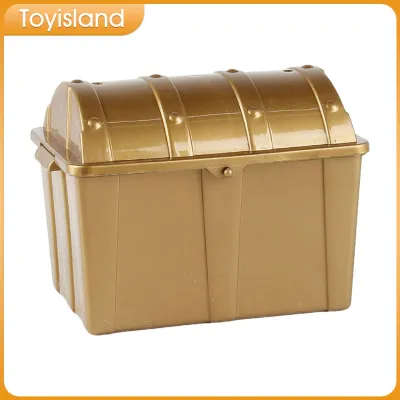
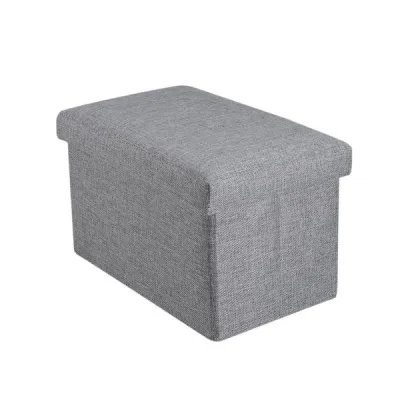
Prices are valid at publication and may change. Please refer to the product page for the latest price.
Lid and Hinge Safety: Preventing Crush and Trap Injuries
The lid of a traditional storage box is often its most hazardous component. Because young children lack the motor control and strength to hold up heavy wooden or plastic panels, a free-falling lid can drop unexpectedly, causing severe injuries to the head, neck, hands, and fingers.
Slow-Close (Soft-Close) Hinges
To eliminate the risk of a slamming lid, look for chests equipped with specialized safety hinges or torsion lid supports. These mechanisms are engineered to counteract gravity, preventing the lid from falling under its own weight. When evaluating a chest, test the lid by opening it to various angles; a safe lid should remain stationary at any position, whether fully open, halfway up, or nearly closed. It should require gentle, active downward pressure to close, moving at a slow, controlled pace rather than dropping freely.
Alternative Safe Designs
If you want to avoid the risks associated with heavy lids entirely, consider alternative storage configurations. Lidless toy boxes, open-top storage bins, and tiered shelving units with removable bins are inherently safer because they eliminate the mechanical hazard of a heavy lid. Alternatively, some chests feature extremely lightweight, fabric-covered, or completely removable slide-out lids that cannot trap or crush a child even if pulled down during play.
Finger Clearance Gaps
Another critical detail to inspect is the clearance gap between the lid and the main body of the chest when closed. A safe design should either feature a completely flush fit that leaves no room for fingers to enter, or a deliberate, wide gap of at least 12 millimeters (approximately half an inch). This clearance ensures that if a child’s hand is resting on the edge when the lid descends, their fingers will not be pinched or crushed in the seam.
Latches and Locks
Avoid any storage chest that features automatic locks, heavy latches, or clasps. If a toddler climbs inside the chest during a game of hide-and-seek, an exterior latch can trap them inside, leading to panic and a high risk of suffocation. Safe nursery storage must always allow a child to easily push the lid open from the inside without encountering any resistance or locking mechanisms.
Structural Design: Edges, Stability, and Tip-Over Prevention
As children learn to stand and walk, they rely on furniture to pull themselves up. A toy chest must be structurally sound enough to support a child’s weight without tipping, sliding, or presenting sharp surfaces that could cause cuts or bruises.

Rounded Edges and Smooth Finishes
Toddlers frequently lose their balance during active play. To prevent painful bumps and lacerations, ensure that all corners, edges, and decorative moldings on the chest are rounded rather than sharp. For wooden chests, inspect the surfaces thoroughly to confirm they are completely smooth and free of splinters, rough grain, or exposed fasteners that could catch on clothing or scratch sensitive skin.
Anti-Tip Anchoring
Any substantial furniture piece in a child’s room poses a tip-over risk if a child attempts to climb it, stand on an open drawer, or lean heavily over the top edge. To prevent catastrophic tipping accidents, look for chests that include certified anti-tip hardware and pre-drilled anchoring holes. Because many homes in the Philippines feature concrete, brick, or hollow-block walls, the standard plastic drywall anchors included in imported kits may not be sufficient. Caregivers should verify their wall type and use appropriate masonry plugs and heavy-duty screws to anchor the chest securely to the structural wall.
Base Stability and Foot Design
A stable chest should feature a wide, low-profile base that keeps the center of gravity close to the floor. Avoid designs with excessively tall, spindly legs or narrow bases, as these are much easier to tip forward when pulled. A solid plinth base or wide, blocky feet provide the best contact with the floor, distributing the weight evenly and resisting lateral forces.
Bottom Clearance and Casters
If you select a mobile toy chest on wheels, ensure the casters feature reliable, heavy-duty locking mechanisms that prevent the chest from rolling when a child tries to pull themselves up against it. For stationary chests that sit close to the floor, check for recessed bases or sufficient toe clearance. This design detail prevents small toes from being painfully pinched or crushed if the chest is nudged or shifted during cleaning.
Ventilation and Materials: Protecting Against Suffocation and Toxins
Beyond mechanical safety, a nursery chest must protect your child from hidden chemical hazards and respiratory risks. Because young children may view a large chest as a cozy hiding spot, the interior environment must remain breathable at all times.
Ventilation Holes
If you choose a toy chest with a solid, closing lid, it must feature dedicated ventilation cutouts to prevent suffocation. Look for chests with multiple, unobstructed ventilation slots or holes placed on different sides of the unit. This placement ensures continuous cross-ventilation and prevents a vacuum seal from forming if a child climbs inside and closes the lid. The ventilation openings must remain clear and should not be blocked by internal dividers or heavy toys.
Non-Toxic Finishes and Paints
Teething infants often chew on the edges of cribs and play furniture. It is vital to verify that all paints, stains, sealants, and adhesives used on the chest are non-toxic, lead-free, and low in volatile organic compounds (VOCs). In hot, humid climates like the Philippines, high humidity can cause some low-quality synthetic finishes to off-gas more rapidly, or promote mold growth on untreated organic materials. Look for products that explicitly state they use water-based, child-safe finishes, and avoid those with strong chemical odors out of the box.
Verifying Safety Labels
When shopping, look for manufacturer documentation certifying that the product complies with recognized safety standards, such as ASTM F963 for toy safety or local trade regulations. Be cautious of vague marketing terms like “natural,” “eco-friendly,” or “organic,” which are not legally binding safety certifications. Always look for specific testing disclosures regarding lead content, phthalates, and structural stability.
Fabric and Soft Storage Alternatives
For infants and very young toddlers, fabric, canvas, or woven rope baskets are often the safest storage choices. These soft-sided bins are lightweight, naturally breathable, and entirely free of pinching hinges or hard corners. While they may not offer the structural durability or large capacity of a wooden chest for older children, they pose virtually zero physical risk to a developing baby.
How to Inspect and Maintain Toy Chest Safety Over Time
Safety is not a one-time purchase; it requires ongoing vigilance as your child grows and the furniture experiences daily wear and tear. Regular maintenance checks ensure that the built-in safety features continue to function exactly as intended.
Routine Hardware Checks
Over months of active use, the vibrations from opening, closing, and moving toys can gradually loosen screws, bolts, and mounting brackets. Set a recurring reminder to inspect the chest’s hardware every few months. Tighten any loose fasteners immediately, and replace any missing screws with identical hardware recommended by the manufacturer.
Hinge Wear and Tear
The hydraulic fluid or spring tension within slow-close hinges can degrade over time, especially in warm, humid tropical environments that accelerate wear on metal moving parts. Test the lid’s closing speed monthly. If you notice the lid begins to drop more quickly, loses its resistance, or slams when released, restrict access to the chest immediately and replace the safety hinges.
Surface Inspections
Periodically run your hands along the edges, corners, and interior surfaces of the chest. Look for emerging wood splinters, chipped paint, cracked plastic, or peeling laminate that could create sharp edges or choking hazards. If you discover any rough patches on a wooden chest, sand them smooth and touch them up with a certified non-toxic, child-safe paint or sealant.
Re-evaluating Anchors
As your baby grows into a heavier, more active toddler, the physical forces they exert on furniture increase. Periodically check the wall anchors to ensure they remain firmly seated in the wall and that the straps or brackets are not frayed or loose. If you rearrange the nursery layout, always reinstall the anti-tip hardware in the new location before allowing your child back into the play area.
Frequently Asked Questions (FAQ)
Are lidless toy bins safer than traditional toy chests?
Yes, lidless toy bins and open-front cubbies are inherently safer than traditional lidded chests. Because they have no heavy lids, they completely eliminate the risks of finger pinching, lid slamming, and accidental entrapment. They also make it easier for young children to see and access their toys independently, though they do require more frequent sorting to keep the nursery looking organized.
At what age is it safe to introduce a toy chest with a lid?
While there is no universal age limit, lidded chests equipped with reliable slow-close hinges are generally best introduced when a child is around 2 to 3 years old. At this stage, children are developing better motor control, balance, and an understanding of basic safety instructions. Regardless of the child’s age, the chest must still feature mandatory safety elements like ventilation holes and soft-close mechanisms.
How do I properly anchor a toy chest to the wall?
To anchor a toy chest securely, use the anti-tip strap or bracket kit provided by the manufacturer. For drywall or plasterboard walls, you must locate a wooden wall stud using a stud finder and screw the anchor directly into the stud rather than relying on weak drywall anchors. If your nursery walls are made of concrete or solid masonry, drill a pilot hole using a masonry bit, insert a high-quality wall plug, and secure the bracket with a heavy-duty screw. Always check the tension of the strap periodically to ensure it remains tight.

Community discussion
Share your experience or ask a question. Comments are reviewed before publication.