
When setting up a nursery, selecting a toys organizer storage cabinet requires prioritizing physical stability, non-toxic materials, and pinch-free hardware over mere aesthetics. In tropical climates, where high humidity can affect wood stability and indoor air quality, choosing the right storage unit is crucial for maintaining a safe environment. A secure cabinet prevents tip-over accidents, protects delicate fingers from heavy doors, and ensures that your baby is not exposed to harmful chemical off-gassing. By focusing on structural integrity and certified materials, you can create a functional, organized space that supports your child’s development without compromising their safety.
Structural Stability and Tip-Over Prevention
A child’s natural curiosity often leads them to climb, lean, or pull on furniture as they learn to stand and explore. A toys organizer storage cabinet must be structurally prepared to withstand these forces without tipping forward. The most critical line of defense against furniture tip-overs is a secure wall anchoring system. When purchasing a cabinet, verify that it includes a dedicated anti-tip kit, which typically consists of brackets, heavy-duty straps, and wall screws. In many homes, walls are constructed from solid concrete or hollow blocks rather than drywall; this means you must use appropriate masonry plugs and screws rather than standard drywall anchors to ensure a secure hold.
Beyond wall anchors, the physical dimensions of the cabinet play a major role in its inherent stability. Look for units with a wide, deep base and a low center of gravity, which naturally resists tipping. Avoid tall, narrow shelving units that are top-heavy even before they are loaded with toys. When organizing the cabinet, always place the heaviest items, such as large wooden blocks or heavy books, on the bottom shelves. This practice keeps the center of gravity as low as possible. Always consult the manufacturer’s instructions for the maximum load limits of each shelf, and avoid overloading the unit beyond these specifications to prevent structural bowing or sudden collapse.
Products mentioned in this guide
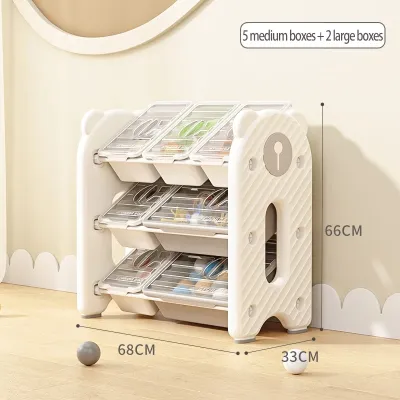
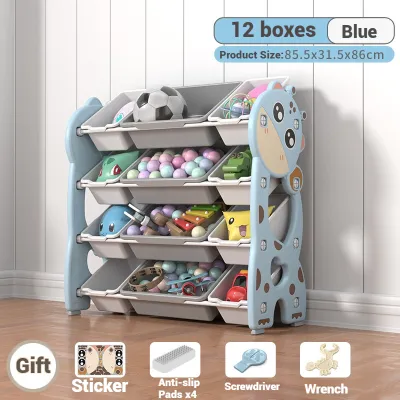
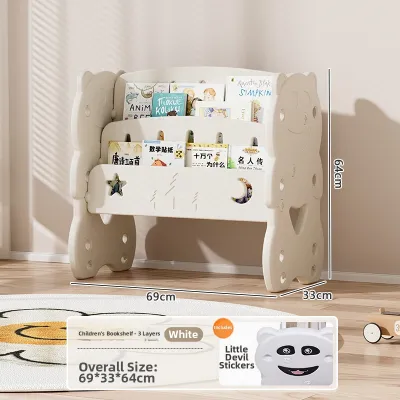
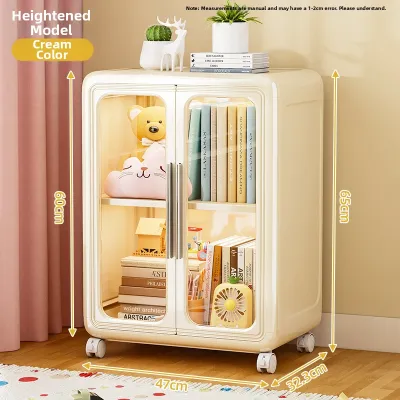
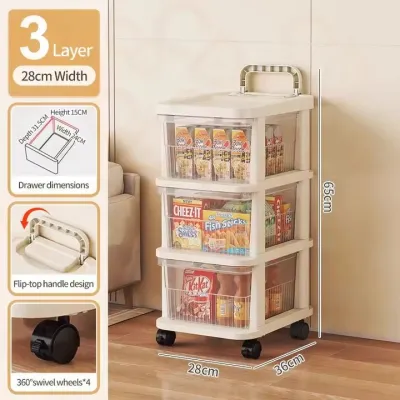
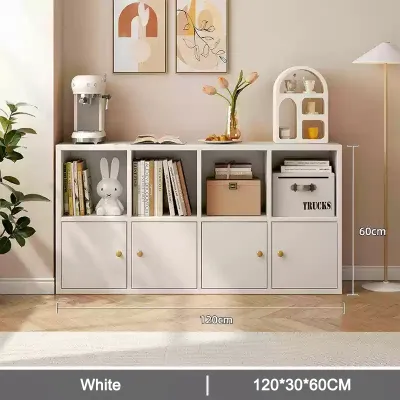
Prices are valid at publication and may change. Please refer to the product page for the latest price.
Material Safety and Non-Toxic Finishes
The materials used to construct your nursery furniture directly impact the air quality your baby breathes. Solid wood is highly durable and structurally robust, making it an excellent choice for long-term use. However, in humid tropical environments, solid wood can expand and contract, requiring high-quality, non-toxic sealants to prevent warping. Engineered wood, such as medium-density fiberboard (MDF) or particleboard, is widely available and budget-friendly, but it is often manufactured using adhesives that can release volatile organic compounds (VOCs) into the air. This off-gassing can be particularly pronounced in enclosed, air-conditioned nurseries where fresh air circulation is limited.

To safeguard your baby’s respiratory health, look for cabinets that explicitly claim low-VOC or zero-VOC finishes, paints, and stains. Because babies frequently explore their environment with their mouths, any finish used on the cabinet must be completely non-toxic and lead-free. Rather than relying solely on vague marketing terms like “eco-friendly” or “baby-safe,” take the time to verify independent safety and emissions certifications. Look for recognized seals on the product packaging or check the manufacturer’s official documentation online to confirm that the materials have been tested for chemical emissions and meet strict indoor air quality standards.
Physical Design and Injury Prevention
Active babies and toddlers are prone to bumps and falls as they navigate their surroundings. A safe toy storage cabinet should feature rounded edges and smooth corners to minimize the risk of cuts, bruises, or impact injuries. Run your hands along all accessible surfaces, including the undersides of shelves and the back panels, to check for any sharp edges, rough patches, or splinters. If you are opting for a wooden or bamboo organizer, ensure the surface is thoroughly sanded and sealed to prevent painful splinters from embedding in small hands.
The height and accessibility of the shelves are also key design considerations. Frequently used toys should be stored on lower shelves within your child’s safe, unassisted reach. This setup encourages independence while preventing the child from trying to climb the shelves to reach a desired item. Additionally, inspect the cabinet for any protruding hardware, such as sharp metal handles, exposed screws, or decorative elements that could catch on clothing or cause a scrape during active play. Recessed handles or smooth, rounded knobs are much safer alternatives for a nursery environment.
Hardware, Hinges, and Entrapment Risks
Doors, drawers, and lids present significant pinch hazards for curious fingers. If your chosen toys organizer storage cabinet features doors or a toy chest lid, it is essential to look for soft-close hinges and safety lid supports. These specialized hardware components control the closing speed, preventing heavy doors or lids from slamming shut suddenly when a child lets go. A slow, controlled close gives small hands ample time to move out of the way, drastically reducing the risk of painful pinches or crushing injuries.
Furthermore, evaluate the gaps around doors, drawers, and moving panels. According to safety guidelines, gaps should be small enough to prevent fingers from entering, or large enough to ensure that if a finger does get caught, it will not be crushed. Check the manufacturer’s warnings regarding entrapment risks. For units with drawers, verify the presence of functional drawer stops. These built-in mechanisms prevent a child from pulling a drawer completely out of its tracks, which could otherwise cause a heavy drawer filled with toys to fall directly onto them.
How to Verify Safety Claims Before Buying
Before finalizing your purchase from an online marketplace or local furniture store, conduct a thorough verification of the product’s safety credentials. Begin by reviewing the product manual or specification sheet, which can often be downloaded from the manufacturer’s website. Look for specific age recommendations, weight limits, and mandatory supervision warnings. A cabinet designed for older children may lack the safety features required for a nursery housing an infant or toddler who is still developing motor skills.
Avoid accepting generic marketing claims at face value. Instead, look for specific, verifiable safety standard labels directly on the product or its packaging. These standards indicate that the furniture has undergone rigorous physical and chemical testing to meet established safety criteria. Additionally, take a few minutes to search official consumer safety databases or the manufacturer’s website for any active recalls or safety notices associated with the specific model you are considering. Taking this extra step ensures that you are not introducing a known hazard into your baby’s sleeping and playing area.
Safe Placement and Ongoing Maintenance in the Nursery
Even the safest cabinet can become a hazard if it is poorly positioned within the nursery. Place the toy storage unit well away from cribs, changing tables, windows, and blind cords. A curious toddler can easily use the shelves of a cabinet as a ladder to climb onto adjacent furniture or reach dangerous window areas. Additionally, ensure the cabinet is positioned on a flat, level surface. If your nursery has tiled floors, which are common in tropical homes, use non-slip pads under the cabinet’s base to prevent sliding, ensuring the unit remains perfectly plumb before anchoring it to the wall.
Maintaining the cabinet’s safety is an ongoing responsibility as your child grows. The high humidity of a tropical climate can cause wood to swell, screws to loosen, and metal hardware to rust over time. Schedule regular maintenance checks every few months to tighten all screws, inspect the alignment of hinges, and verify that the wall anchors remain firmly secured to the wall. As your child’s height, weight, and physical capabilities increase, adjust the storage layout accordingly. Keep heavier items on the lowest levels and gradually transition the cabinet’s use to match your child’s changing developmental needs.
Frequently Asked Questions (FAQ)
At what age can a child safely access a toy storage cabinet?
A child’s readiness to safely access a toy storage cabinet depends more on their individual physical mobility, climbing tendencies, and ability to understand basic safety rules than on a specific age number. Generally, when babies begin to pull themselves up to a standing position, they will attempt to use nearby furniture for support, making this the critical window to ensure all safety features and wall anchors are fully secure. Always consult the manufacturer’s specific age and developmental guidelines for your chosen cabinet model. Continuous, active adult supervision is essential during the early stages of interaction, and you should guide your child on how to retrieve toys safely without pulling on shelves or drawers until they consistently demonstrate safe habits.
Are open shelving units safer than cabinets with doors for a nursery?
Both open shelving units and enclosed cabinets have distinct safety trade-offs, and the right choice depends on your specific nursery setup and storage needs. Open shelving units eliminate the risk of finger-pinching and entrapment because they lack doors and drawers, making it easy for children to see and reach their toys safely. However, they require strict organization, as loose items can easily fall off the shelves if bumped. Enclosed cabinets with doors are excellent for hiding clutter and keeping certain items out of reach, but they introduce potential hinge and pinching hazards. If you choose a cabinet with doors, ensure it is equipped with soft-close hinges, safety dampers, and secure drawer stops to mitigate these physical risks effectively.

Community discussion
Share your experience or ask a question. Comments are reviewed before publication.