
To be safe for a baby under three months, a newborn carrier must feature adjustable head and neck support, ensure clear airway visibility, promote healthy hip and spine positioning, and have secure, dual-locking fastenings. Because infants in this age group lack head control and have highly vulnerable airways, these structural elements are non-negotiable. Caregivers must carefully verify these features against the manufacturer’s official instructions and weight limits before placing a newborn in any carrying device. In warm and humid tropical climates like the Philippines, selecting a carrier with breathable, lightweight fabrics is equally vital to prevent overheating and skin irritation.
Understanding Newborn Physiology and Carrier Risks
During the first three months of life, a baby’s physical structure is incredibly delicate. Their head accounts for a significant portion of their total body weight, yet the neck muscles required to support it are still developing. If a newborn is placed in an upright position without proper support, their head can easily slump forward. This chin-to-chest position can compress their soft, narrow airway, leading to silent suffocation. Unlike older infants, newborns cannot adjust their position or cry out effectively if their breathing is restricted.
Additionally, a newborn’s spine is naturally shaped like a gentle, continuous curve, resembling the letter “C.” Forcing a young baby’s spine into a straight position too early can place unnatural pressure on their developing vertebrae. Their hip joints are also primarily made of soft cartilage rather than hard bone. If their legs are allowed to dangle straight down, the constant downward pull can cause the ball of the hip joint to slip out of its socket, increasing the risk of developmental hip dysplasia.
Products mentioned in this guide
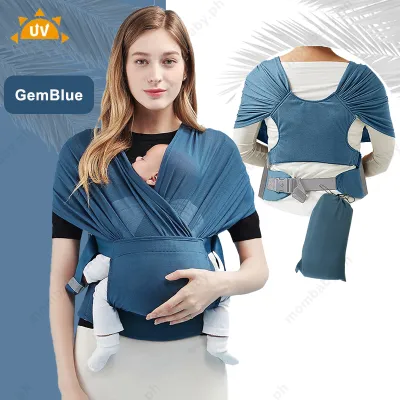
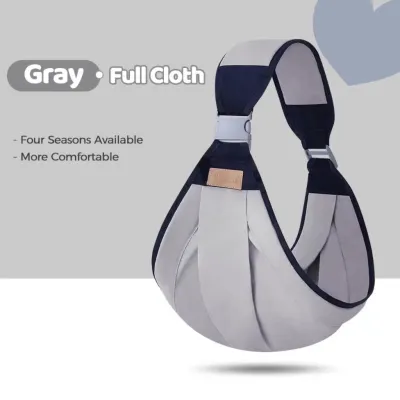



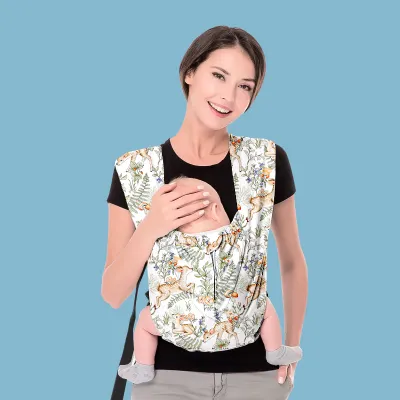
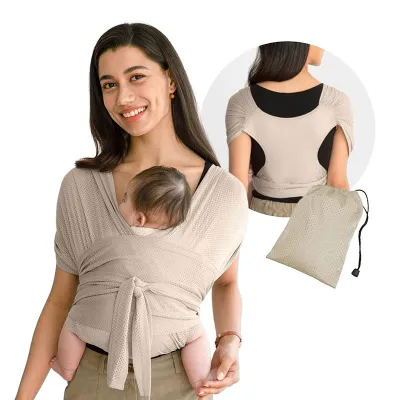
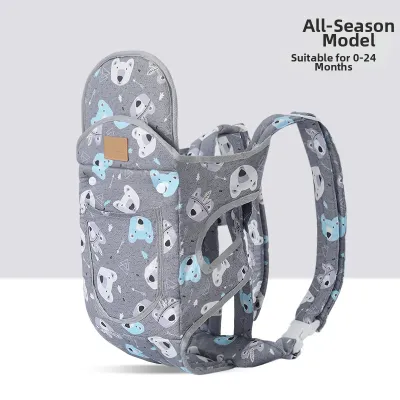
Prices are valid at publication and may change. Please refer to the product page for the latest price.
Unstructured wraps that lack tension or oversized, adult-sized carriers pose severe hazards for small infants. Without a snug, tailored fit, a tiny baby can easily slide down into the body of the carrier. This slumping not only compromises their airway but also increases the risk of the baby slipping through the leg openings. Understanding these physiological vulnerabilities highlights why standard, unmodified carriers are unsuitable for the earliest stages of life.
Essential Safety Features for Babies Under 3 Months
When evaluating a newborn carrier, the first feature to inspect is the head and neck support. Look for a carrier with an adjustable, padded collar or a built-in neck roll that can be tightened or folded to cradle the base of the baby’s skull. This support must be firm enough to prevent the head from tilting backward or sideways, yet positioned so that it does not push the baby’s head forward or cover their face.

Airway visibility is another critical safety feature that requires constant vigilance. The carrier’s design must allow you to see your baby’s face clearly at all times without having to move any fabric. A safe carrier keeps the baby positioned high on your chest, close enough that you can easily kiss the top of their head simply by tipping your chin down. The fabric should never bunch up around their nose or mouth, and there should always be a visible gap between their chin and chest.
Proper hip and spine positioning must be built into the carrier’s seat design. A safe newborn carrier supports the “M” position, also known as the froggy position, where the baby’s knees are bent and positioned higher than their hips. The seat fabric must be wide enough to support the baby’s thighs from knee crease to knee crease, preventing the legs from dangling. Simultaneously, the back panel must be flexible enough to accommodate the natural “C” curve of the spine without forcing it straight.
Finally, secure fastenings are essential to prevent accidental falls. Inspect the buckles, snaps, and straps to ensure they are made of durable, high-quality materials. Look for dual-locking buckles that require a two-step release mechanism, which prevents them from accidentally popping open if bumped. If you choose a wrap or sling, the fabric must have sufficient grip to maintain its tension and hold the baby securely without slipping or loosening over time.
Design and Material Requirements to Verify
Before purchasing any carrier, you must verify the manufacturer’s specified minimum weight limits. Do not rely solely on age guidelines like “newborn to toddler,” as babies grow at highly variable rates. Check the product packaging or the official instruction manual to ensure your baby’s current weight falls within the approved range. Some carriers require a minimum weight of 3.2 kilograms and may require a separate infant insert to safely accommodate smaller babies.
In the tropical climate of the Philippines, high temperatures and humidity make fabric choice a primary safety consideration. Newborns cannot regulate their body temperature as efficiently as adults, making them highly susceptible to overheating. Look for carriers constructed from breathable materials such as 3D mesh, lightweight linen, or organic cotton. These fabrics allow air to circulate freely, helping to keep both you and your baby cool and reducing the risk of heat rash or heat exhaustion.
Adjustability is crucial for achieving a safe, customized fit. The carrier must feature multiple adjustment points, such as slide adjusters or pull straps, that allow you to tighten the fabric snugly around the baby’s torso. This snugness ensures the baby’s back is fully supported and prevents them from slumping, while still allowing their chest to expand naturally with each breath. The adjustments should be easy to reach and operate while you are wearing the carrier.
The carrier must also fit the caregiver properly to ensure overall safety. It should distribute the baby’s weight evenly across your shoulders, upper back, and hips to prevent strain. A poorly fitting carrier can cause you to lean forward or arch your back to compensate, which compromises your balance and increases the risk of tripping or falling while carrying your baby. Adjustable shoulder straps and a wide, supportive waistband help maintain a safe, upright posture.
Red Flags and Conditions for Stopping Use
Caregivers must remain vigilant and recognize the observable signs of a poor or unsafe fit. If you notice your baby’s chin resting on their chest, fabric covering their nose or mouth, or their body slumping down so that their face is pressed hard against your chest, you must remove them from the carrier immediately. Another clear red flag is if the baby’s legs are hanging straight down rather than being supported in the “M” position, which indicates the seat is too narrow or poorly adjusted.
If your carrier utilizes a separate newborn insert, it is vital to follow the manufacturer’s instructions regarding when to transition away from it. Do not remove the insert prematurely based on age alone; instead, wait until your baby meets the specific weight and developmental milestones outlined in the manual, such as demonstrating consistent head and neck control. Never attempt to use makeshift padding, such as rolled towels or blankets, as a substitute for a manufacturer-approved insert.
There are several conditions that require you to stop using the carrier immediately. If your baby shows signs of overheating—such as flushed cheeks, damp hair, rapid breathing, or a hot chest—remove them from the carrier to cool down. You must also stop use if you experience any difficulty maintaining a secure grip on the carrier, if any buckle or strap appears damaged, or if you feel your balance is compromised.
Lastly, always consult a qualified pediatrician before using any baby carrier if your infant was born prematurely, had a low birth weight, or has an underlying medical condition, particularly respiratory or musculoskeletal issues. These babies may require specialized positioning or alternative carrying methods to ensure their airways remain completely unobstructed and their developing bodies are fully supported.
Frequently Asked Questions (FAQ)
Can I use a regular baby carrier for a newborn without an insert?
Most standard, full-sized baby carriers are designed for older infants who have already developed head control and have longer limbs. Using these carriers for a newborn under three months without a manufacturer-approved infant insert is highly unsafe. Without the insert, a small baby can easily slump down inside the large cabin, which can block their airway, or they may slip through the wide leg openings. Always verify the specific product’s manual, minimum weight limits, and required accessories before use.
How tight should a newborn carrier be?
A newborn carrier should be snug enough to hold your baby firmly against your body, preventing them from slumping or sliding down, which can compromise their airway. To check the tightness, gently press your hand against your baby’s back; they should not pull away from your chest or slump forward when you release your hand. The fabric must be taut and supportive, yet loose enough to allow you to slide two fingers easily between the carrier and your baby’s chest to ensure they can breathe comfortably.

Community discussion
Share your experience or ask a question. Comments are reviewed before publication.