
When planning an outing with an infant, preparing formula on the go requires precision, speed, and strict hygiene. A reliable powder milk dispenser is an indispensable tool for parents, allowing them to pre-measure formula portions and avoid carrying bulky, heavy tins. However, not all dispensers are designed the same, and choosing an unsuitable model can lead to spilled powder, ruined diaper bags, or compromised nutrition. The features that matter most for travel include robust seal quality to withstand humidity, a compartment structure tailored to your baby’s feeding schedule, and an ergonomic shape that fits seamlessly into your travel gear.
In tropical environments where humidity levels are consistently high, keeping infant formula dry is a constant challenge. Moisture can cause powder to clump, making it difficult to pour and potentially altering the concentration of the prepared bottle. By focusing on key design elements like airtight gaskets, secure locking mechanisms, and food-safe materials, caregivers can help ensure that every feed remains fresh and safe, whether they are running quick errands or embarking on a long family trip.
Why Seal Quality and Leak Prevention Matter Most on the Go
The primary defense against spoiled formula and messy diaper bags is the dispenser’s sealing mechanism. High-quality dispensers utilize food-grade silicone rings or deep, threaded locking lids to create a reliable airtight barrier. This seal is crucial for preventing external moisture from entering the compartments, which is especially important during outdoor activities in warm, humid climates. When moisture penetrates the container, it can cause the powder to clump and spoil, rendering the formula unsafe for consumption.
Products mentioned in this guide
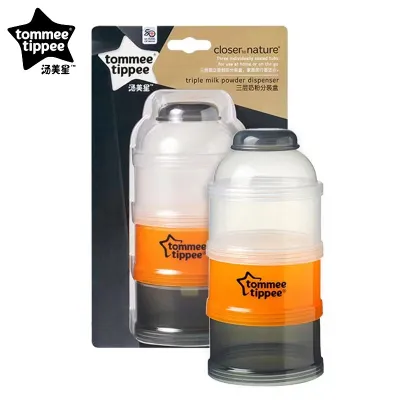
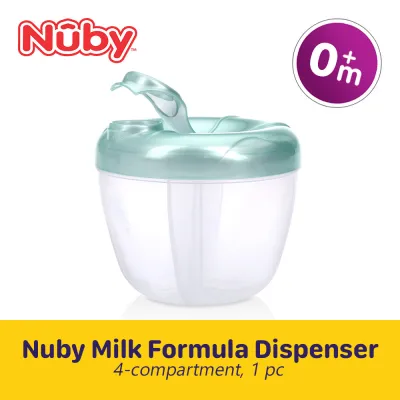
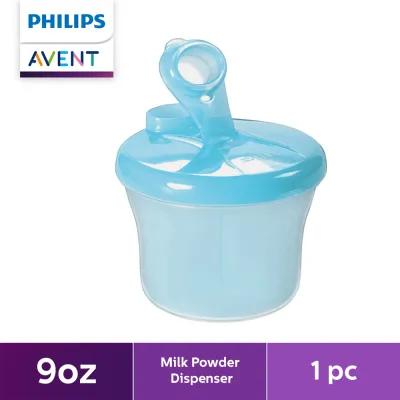
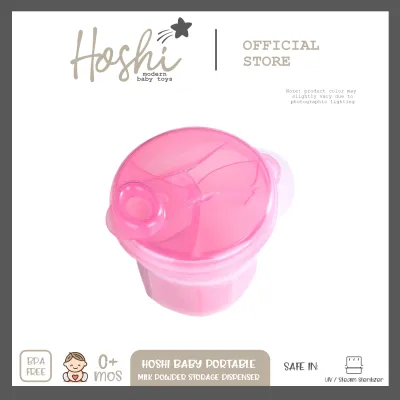
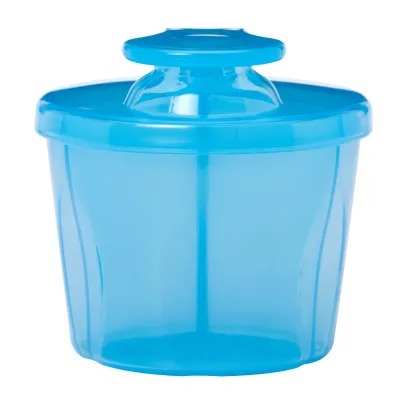
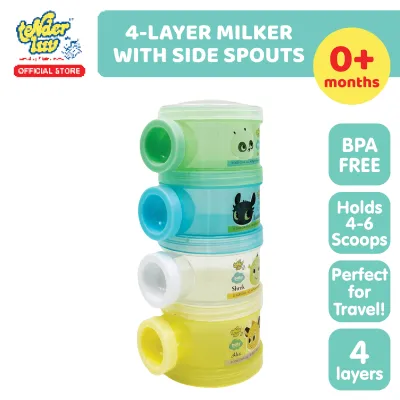
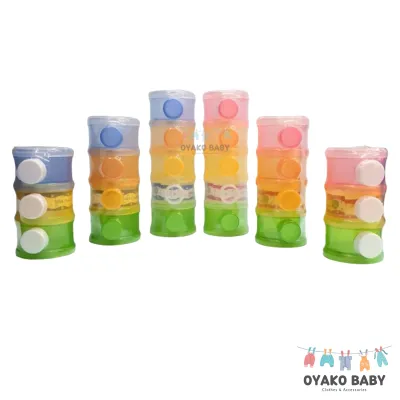
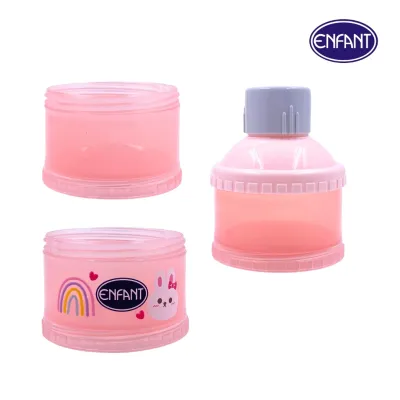
Prices are valid at publication and may change. Please refer to the product page for the latest price.
Before packing for any trip, parents should perform a quick inspection of the dispenser’s seals. Over time, silicone gaskets can stretch, warp, or accumulate fine powder residue that prevents a tight closure. Checking that the threads align correctly and that the lids screw on smoothly without cross-threading helps the container withstand the physical jostling, pressure changes, and accidental drops that occur during transit. A simple test of turning the empty, assembled dispenser upside down and shaking it can reveal any loose fits before you fill it with formula.
It is generally best to avoid models that rely solely on loose-fitting friction caps or single-layer snap lids. While these designs might seem convenient for quick opening, they are highly susceptible to popping open under pressure inside a tightly packed diaper bag. If another item presses against a snap lid, the compartment can easily open, scattering powder across your belongings. Investing in a dispenser with independent, secure locking lids for each compartment provides added security and prevents a single failure from ruining your entire supply.
Choosing the Right Compartment Count for Your Feeding Schedule
Matching the dispenser’s compartment count to your baby’s feeding frequency is essential for efficient travel planning. Parents must choose between single-compartment containers, which are ideal for short trips, and multi-tier stackable designs that accommodate multiple feedings. For a brief outing of two to three hours, a compact, single-dose dispenser may be all that is needed to keep your diaper bag light. However, for full-day excursions or long road trips, a multi-compartment system becomes necessary to keep several pre-measured portions organized and hygienic.

Multi-tier stackable towers offer excellent flexibility because they allow you to bring only the number of compartments required for the day. If you plan to be away for six hours and your baby feeds every three hours, stacking two or three compartments together keeps your load compact while helping to ensure you have an extra portion in case of delays. This modular approach eliminates the need to carry a whole tin of formula, which takes up valuable space and exposes the bulk supply to environmental contaminants every time you open it.
When selecting a dispenser, always verify that each individual compartment can hold the specific volume of powder required for your baby’s current serving size. As infants grow, their feeding volumes increase, requiring more scoops of powder per bottle. Check the manufacturer’s capacity markings on the product packaging or label, which are often listed in grams or maximum scoop capacity. Ensure there is sufficient clearance at the top of the compartment so the lid can close securely without compressing the powder, which can make pouring difficult.
Portability and Design: Fitting the Dispenser into Your Diaper Bag
The physical shape and design of a powder milk dispenser dictate how easily it integrates into your daily travel routine. Cylindrical stackable towers are highly popular because their vertical design utilizes the depth of diaper bags efficiently, fitting neatly into side pockets or bottle holders. On the other hand, flat, multi-compartment designs lay flat against the interior walls of a bag, making them excellent for slim backpacks or tote bags. Evaluating your bag’s layout helps you choose a form factor that maximizes space.
Ergonomics play a vital role when you are preparing a bottle in less-than-ideal conditions, such as in a moving vehicle, a crowded shopping mall, or a public park. Look for dispensers that feature a wide mouth for easy filling at home, paired with a narrow, funnel-shaped spout for pouring. A well-designed spout directs the powder cleanly into the narrow neck of a baby bottle without spilling. This minimizes waste and helps ensure that the pre-measured amount of formula actually makes it into the water, maintaining the correct nutritional balance.
Weight and bulk are additional factors that accumulate quickly when traveling with an infant. A fully loaded dispenser should feel lightweight and balanced. Heavy glass or thick, rigid acrylic containers can add unnecessary strain to your shoulders when carried in a diaper bag for several hours. Lightweight, high-density polypropylene options offer an excellent balance of durability and portability. Choosing a streamlined design without excessive decorative elements or protruding parts prevents the dispenser from snagging on other items in your bag.
Material Safety and Cleaning Requirements for Travel Use
Safety must always be the top priority when selecting any product that comes into contact with infant nutrition. Parents should carefully inspect product labels to ensure the dispenser is made from food-grade, BPA-free materials. BPA is a chemical often found in older plastics that can leach into food and pose health risks to developing infants. Checking for certifications or clear manufacturer declarations of food safety on the packaging is a critical step before first use.
Maintaining hygiene while away from home requires a dispenser that is easy to clean and dry. Look for models that can be fully disassembled, allowing you to remove silicone rings, spouts, and individual lids. If a dispenser has deep crevices or non-removable parts, formula powder can become trapped, creating a breeding ground for bacteria. Verify whether the product is dishwasher safe if you prefer machine washing, or ensure that all surfaces can be easily reached with a standard bottle brush during hand washing.
Over time, plastic containers can show signs of wear and tear from regular use and sterilization. Caregivers should routinely inspect the dispenser for deep scratches, cloudiness, or lingering odors that do not disappear after a thorough wash. Scratches in plastic can harbor microscopic bacteria that are difficult to eliminate word-of-mouth through standard cleaning. If you observe these signs of degradation, or if the plastic becomes brittle, it is time to stop using the dispenser and consult the manufacturer or replace the unit to ensure your baby’s health is protected.
How to Build Your On-the-Go Feeding Kit
A powder milk dispenser is most effective when integrated into a well-organized, complete travel feeding kit. To build an efficient system, pair your dispenser with clean, dry baby bottles pre-filled with the correct amount of sterilized water, or carry a reliable, vacuum-insulated thermos to keep warm water at the ready. Including a clean, dedicated drying cloth or a small silicone mat allows you to set up a sanitary preparation area on public tables or benches, keeping your feeding gear off unsanitary surfaces.
For quick access during transit, store your feeding kit in an easily accessible outer pocket or a dedicated compartment of your diaper bag. When your baby becomes hungry, having all feeding components grouped together prevents you from having to rummage through a cluttered bag, reducing stress and maintaining hygiene. Keep the dispenser positioned upright to minimize the chance of powder shifting or settling against the lid seals, which can sometimes cause minor leaks when opened.
Finally, always adjust the components of your feeding kit based on the specific duration and environment of your outing. If you are traveling to an area with limited access to clean water, carrying extra pre-filled water bottles is essential. Ensure that all parts of the dispenser and bottles are completely dry before assembly, as even a single drop of moisture inside a powder compartment can cause the formula to clump and spoil before you have a chance to use it.
Frequently Asked Questions (FAQ)
Can I use a powder milk dispenser for baby snacks or purees?
Always check the manufacturer’s guidelines to confirm if your specific dispenser is rated for solid foods, wet purees, or strictly dry powder. While many multi-tier dispensers work well for dry, solid snacks like puffs, biscuits, or small fruit pieces once your baby transitions to solids, they are rarely suitable for wet or oily purees. Wet foods can easily bypass standard powder seals, leading to leaks that ruin your diaper bag, and the narrow spouts or deep corners of formula dispensers can be extremely difficult to clean properly without specialized tools while traveling.
How do I sterilize a milk dispenser while traveling?
Before attempting to sterilize your dispenser, review the product manual to verify its temperature limits, as some plastics can warp or melt when exposed to extreme heat. If the manufacturer supports heat sterilization, you can use boiling water or portable steam sterilizer bags designed for microwave use in hotels. If heat sterilization is not recommended or if you lack access to clean heating appliances, wash the disassembled parts thoroughly with safe drinking water and baby-safe dishwashing liquid, then allow them to air-dry completely on a clean surface before reassembling.

Community discussion
Share your experience or ask a question. Comments are reviewed before publication.