
Starting your baby on solid foods is an exciting milestone, but walking down the baby care aisle can quickly feel overwhelming. With dozens of colorful bowls, spoons, and cups lining the shelves, identifying the absolute essentials is key to a smooth transition. For many parents in the Philippines, Munchkin is a go-to brand due to its wide availability and functional designs. To build a practical, clutter-free weaning toolkit, your first purchases should focus on three core areas: reliable suction tableware to manage the inevitable mess, gentle spoons designed for sensitive gums, and a developmental training cup. By prioritizing these functional basics over complex gadgets, you can keep your kitchen organized, save money, and focus on helping your baby explore new textures and flavors safely.
Understanding Your Baby's Early Weaning Needs
Before purchasing any feeding gear, it is essential to assess whether your baby is developmentally ready to begin the transition to solid foods. Pediatric guidelines generally suggest starting solids around six months of age, but every child develops at their own pace. Caregivers should look for clear, observable signs of readiness rather than relying solely on age. These signs include the baby’s ability to sit upright with minimal support, maintaining good head and neck control, and showing active interest in what family members are eating during mealtimes. Another key indicator is the disappearance of the tongue-thrust reflex, which naturally pushes foreign objects out of the mouth.
The feeding approach you choose—whether traditional purees, baby-led weaning, or a combination of both—will directly influence the type of tableware you need to buy first. If you plan to start with smooth purees where you spoon-feed your baby, long-handled spoons and simple, deep bowls are highly practical. Conversely, if you opt for baby-led weaning, where your child feeds themselves soft finger foods from the very beginning, wide divided plates with strong suction bases become much more critical. Regardless of the method, safety remains the top priority. Always ensure your baby is seated securely in an upright position in a stable highchair, and maintain constant, active caregiver supervision throughout every meal to prevent choking hazards.
Products mentioned in this guide
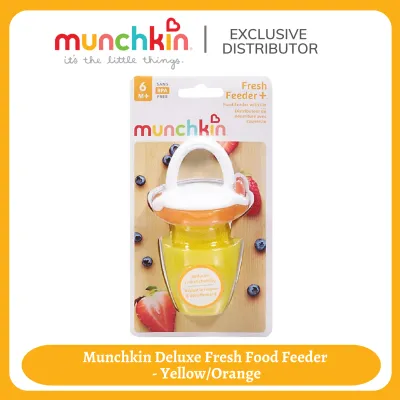
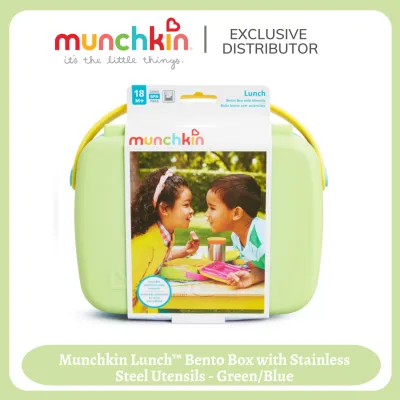
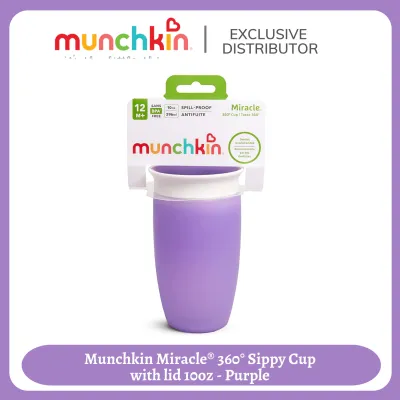
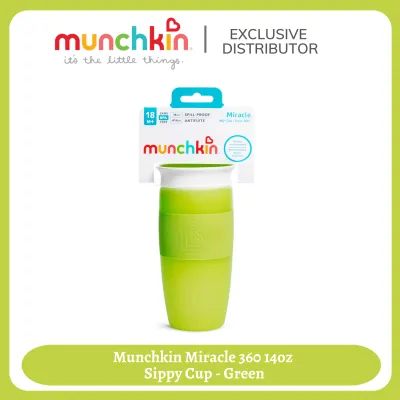
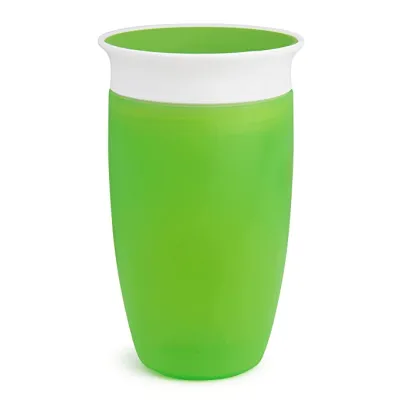
Prices are valid at publication and may change. Please refer to the product page for the latest price.
Essential Munchkin Product Categories for Early Solids
When navigating the extensive lineup of Munchkin feeding accessories, organizing your shopping list by function is far more practical than purchasing random items. A successful weaning setup relies on three primary functional categories: containment (bowls and plates), delivery (spoons and utensils), and drinking (transition cups). Grouping your purchases this way ensures you do not end up with multiple items that serve the same purpose while missing a crucial tool for another stage of the meal.

Before adding any item to your cart, always check the manufacturer’s packaging for specific age and developmental stage recommendations. These guidelines are carefully calibrated to match a baby’s physical capabilities and safety requirements. For instance, a cup designed for a twelve-month-old may have a flow rate or weight that is frustrating or unsafe for a six-month-old who is just learning to swallow water. Verifying these details on the box helps you select products that support, rather than hinder, your baby’s current motor skills.
Suction Bowls and Plates for Mess Reduction
One of the greatest challenges of early weaning is keeping the food on the highchair tray rather than on your kitchen floor. Babies naturally love to grab, lift, and throw objects as they explore gravity and spatial awareness. This is where suction bowls and plates become indispensable. However, not all suction bases perform equally on every surface. When choosing tableware, evaluate the suction strength relative to your specific highchair tray material. Smooth, non-porous surfaces like polished plastic or glass provide the best seal, whereas textured plastic, wood grain, or matte finishes can allow air to seep under the suction cup, causing it to release easily.
Beyond suction capability, pay close attention to the physical design of the bowls and plates. For early purees and mashed foods, deep bowls with steep, curved inner walls are ideal because they help caregivers—and eventually babies—scoop up food against the side of the container. For older babies transitioning to finger foods, divided plates with raised rims are excellent. The high rims keep different food groups separated, which can make meals more visually appealing to infants, while also providing a solid edge for tiny fingers to press food against when trying to pick it up.
Finally, practical daily maintenance is a major factor in how much you will enjoy using these products. In a busy household, you want tableware that is easy to clean and sanitize. Always verify the microwave and dishwasher safety labels printed on the packaging or the bottom of the product. Some suction bases are permanently attached and may degrade if exposed to high dishwasher heat, while others can be disassembled or are fully top-rack dishwasher safe. Ensuring your chosen items can withstand quick sanitizing saves valuable time and effort.
Soft-Tip Spoons and Early Utensils
A baby’s mouth is incredibly sensitive, especially during the early months of weaning when teething is often in full swing. Standard metal spoons or hard plastic utensils can easily bruise tender gums or cause discomfort, leading to food refusal. When selecting early utensils, look for soft-tip spoons designed specifically for infants. These spoons typically feature flexible silicone or soft elastomer tips that bend gently against the gums, making the transition from a soft bottle nipple or breast to a solid utensil much more comfortable.
The length and shape of the spoon handle also play a critical role in how meals are conducted. Long, slender handles are designed primarily for caregivers. They allow you to scoop food from the bottom of deep puree jars easily and maintain a comfortable grip while feeding your baby from a slight distance. On the other hand, if you want to encourage self-feeding, look for short, ergonomic, and textured handles. These are much easier for a baby’s palmar grasp to hold and navigate toward their mouth without twisting or spilling the contents prematurely.
Safety features on utensil labels are another excellent tool for peace of mind. Some infant spoons feature heat-sensitive, color-changing tips that turn a bright color if the food is too hot for the baby’s mouth. While you should always manually test the temperature of the food on your inner wrist before feeding, these visual indicators serve as a helpful secondary check. Additionally, ensure that any utensil you purchase is explicitly labeled as BPA-free and made from non-toxic, food-grade materials that can withstand frequent washing without leaching chemicals.
Transition and Training Cups
Introducing water alongside solid foods is an important step in the weaning process, helping to keep your baby hydrated and aiding digestion as they adjust to a more complex diet. However, drinking from an open cup requires a high level of oral motor coordination that young babies have not yet developed. Transition and training cups bridge this gap. The three main styles available are spout cups, straw cups, and 360-degree rim cups, each supporting different stages of oral development.
Spout cups are often the first step because the familiar shape requires a sucking motion similar to a bottle. However, pediatric dentists often recommend introducing straw cups or 360-degree rim cups early on, as they encourage more mature swallowing patterns and support healthy jaw and tongue development. Straw cups teach babies to use their lip muscles to draw liquid up, while 360-degree cups allow them to drink from any side of the rim without spilling, mimicking an open cup while keeping the liquid contained.
When evaluating these cups, pay close attention to the valve mechanisms. A highly effective leak-resistant valve is wonderful for preventing spills in your diaper bag, but it can sometimes make it difficult for a young baby to draw liquid out. Furthermore, complex valves with multiple small parts can be incredibly difficult to clean thoroughly, especially in warm, humid tropical climates where mold can quickly develop in hidden crevices. Look for cups that offer a balance of spill protection and simple disassembly for easy washing. Lastly, consider the weight of the cup and whether it features dual handles, which allow small hands to lift and tilt the cup independently.
Safety and Material Checks Before Buying Munchkin Gear
Before finalizing your purchase of any baby feeding gear, conducting a thorough safety and material check is essential. Do not rely solely on the visual appeal of the product or its color. Start by locating the manufacturer’s official age grading, weight limits, and developmental milestones printed on the packaging. These indicators are not mere suggestions; they are based on safety standards designed to prevent choking, physical strain, or developmental setbacks. Buying an item too early can lead to frustration for both you and your baby.
Material safety is paramount when dealing with items that come into direct contact with your baby’s food and mouth. Look for clear, certified declarations on the packaging, such as “BPA-free,” “phthalate-free,” and compliance with international food safety standards. High-quality food-grade silicone and polypropylene (PP) plastic are standard materials for durable, safe infant tableware. Avoid products that do not clearly state their material composition or lack safety certifications, as they may contain harmful additives that can degrade over time.
Proper care and sterilization are also critical to maintaining the integrity of your weaning gear. In tropical environments like the Philippines, high humidity can encourage bacterial growth, making thorough cleaning vital. However, not all materials react well to extreme heat. Always read the care instructions carefully; some silicone and plastic items can melt, warp, or release microplastics if subjected to steam sterilizers or boiling water for prolonged periods. If the manufacturer advises against high-heat sterilization, stick to warm, soapy water and thorough air-drying in a clean, well-ventilated space.
Finally, establish a routine for inspecting your baby’s feeding gear. Over time, constant washing, biting, and dropping will cause wear and tear. Inspect items regularly for visual signs of degradation, such as deep scratches where bacteria can hide, cracks in plastic rims, peeling coatings, or worn-out suction bases that no longer stick. If you notice any structural damage, discard the item immediately and replace it to ensure your baby’s safety during mealtimes.
Building a Practical Munchkin Weaning Starter Kit
It is easy to get carried away when preparing for your baby’s first solid meals, but you do not need a kitchen cabinet overflowing with specialized gadgets. In fact, starting with a minimal viable kit is highly recommended. For the first month of solids, a practical starter kit consists of just a few key items: two reliable suction bowls, a pack of three to four soft-tip spoons, and one transition cup. This lean setup allows you to observe your baby’s feeding preferences and physical abilities before investing in more specialized plates or advanced cups.
When shopping, you will often find bundled gift sets that combine bowls, spoons, and cups into a single package. While these sets can offer good value, compare their contents against your actual household needs and storage space. If a bundle includes items designed for older toddlers that you will not use for another six months, it may be more practical and cost-effective to purchase individual items as needed. This approach also prevents your kitchen from becoming cluttered with unused plastic gear.
To ensure you are getting genuine products that perform well in real-world conditions, take time to read verified user reviews on online marketplaces and ecommerce platforms. Pay close attention to feedback from other parents regarding how well the suction bases stick to specific highchair brands, how easy the cups are to clean, and how durable the materials remain after multiple rounds of washing. Checking stock availability and buying from official brand stores or authorized distributors on these platforms guarantees you receive authentic, safe products for your little one.
Frequently Asked Questions (FAQ)
How do I clean Munchkin suction bowls to maintain their stickiness?
To keep your suction bowls sticking effectively, rinse them immediately after meals to prevent food oils and residues from drying inside the suction ring’s grooves. Wash them with mild dish soap and a soft sponge, avoiding abrasive scrubbers that can scratch the silicone. If using a dishwasher, check the manufacturer’s label to ensure the bowl is top-rack safe, as high heat on the bottom rack can warp the suction base. Always allow the suction cup to air-dry completely in a clean, dry area before storing or using it again, as any trapped moisture can compromise the vacuum seal on the highchair tray.
When should I transition my baby from a Munchkin spout cup to a straw or 360 cup?
You can begin transitioning your baby to a straw or 360-degree cup once they can sit independently and demonstrate smooth hand-to-mouth coordination, typically around six to nine months of age. Many pediatric dentists recommend introducing these advanced cup styles early to support healthy oral motor development and prevent prolonged reliance on the sucking motion associated with spout cups. Always check the specific age and developmental stage recommendations printed on the Munchkin cup packaging to ensure the flow rate and design match your baby’s current physical capabilities.
Are all Munchkin feeding products safe for microwave heating?
No, not all Munchkin feeding products are safe for the microwave. You must always check the bottom of the specific bowl, plate, or cup for an official microwave-safe symbol before heating food in it. Avoid microwaving items that contain metallic paints, built-in temperature sensors, insulated double walls, or complex valve components, as the heat can damage these materials. Even when using a certified microwave-safe container, always stir the heated food thoroughly to eliminate hot spots and test the temperature on your inner wrist before serving it to your baby.

Community discussion
Share your experience or ask a question. Comments are reviewed before publication.