
Quick Answer: Essential Components of a Starter Feeding Set
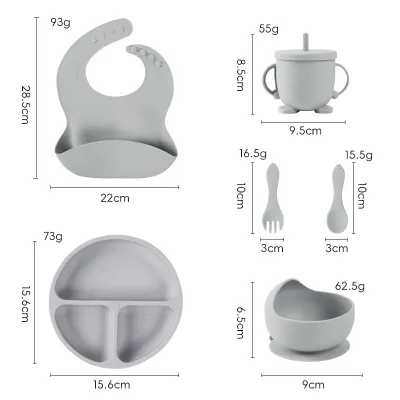
Around six months of age, babies typically begin their exciting transition to solid foods. For first-time parents, navigating this milestone requires a few basic, high-quality tools to make the process safe and manageable. A complete starter feeding set for baby should include a reliable suction bowl or divided plate, soft silicone spoons, a waterproof bib with a deep food-catching pocket, and a small training cup designed for tiny hands. Parents can choose to purchase pre-packaged feeding bundles for convenience or build a customized collection piece-by-piece to match their specific daily mealtime routines. Whichever path you choose, focusing on materials that are easy to clean, gentle on developing gums, and designed to minimize spills will help establish a positive, stress-free feeding environment from the very first spoonful.
Core Essentials: Building a Feeding Set for Baby
Starting solids is a major developmental milestone, but a six-month-old baby is still developing basic motor skills, hand-eye coordination, and swallowing reflexes. At this early stage, feeding is as much about sensory exploration as it is about nutrition. Using standard adult tableware is impractical and can pose safety risks, such as chipping, tipping, or causing discomfort to sensitive oral tissues. Specially designed infant feeding gear is engineered to support this transition by accommodating a baby’s physical limitations. The right tools help minimize the inevitable mess, reduce choking hazards by delivering appropriate portion sizes, and encourage positive associations with eating. By investing in the correct core pieces, you create a supportive learning environment that allows your baby to focus on tasting and swallowing rather than struggling with awkward utensils.

Suction Bowls and Divided Plates
One of the most common challenges during early mealtimes is the natural urge for babies to grab, lift, and throw their dishes. A suction bowl or plate is the primary line of defense against flying purees. These vessels feature a silicone or rubber suction ring at the base that adheres firmly to flat surfaces, anchoring the dish in place. This stability allows your baby to practice scooping food against the side of the bowl without the dish sliding away, fostering early independence and reducing parental cleanup stress.
Products mentioned in this guide
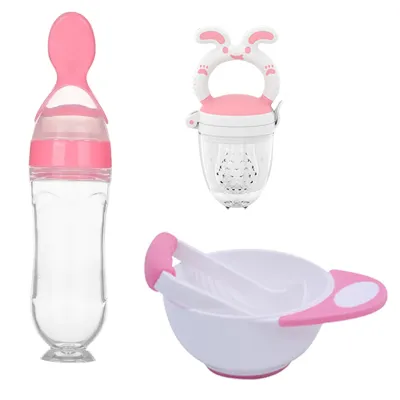
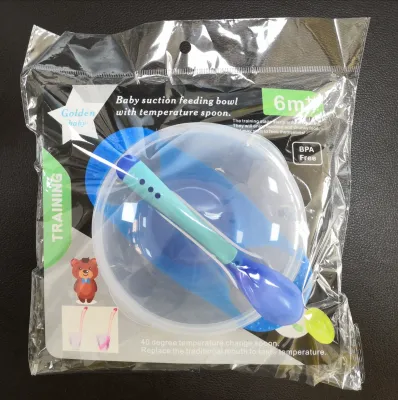
Prices are valid at publication and may change. Please refer to the product page for the latest price.
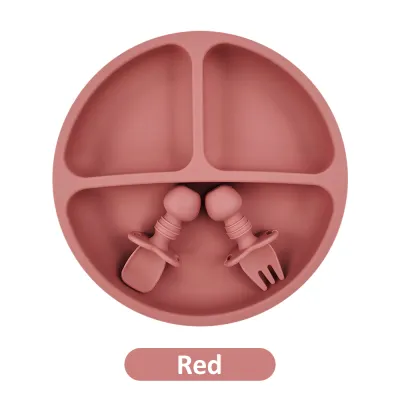
When selecting your primary dishes, consider the structural differences between deep bowls and divided plates. Deep, rounded suction bowls are ideal for the very beginning of the solid-food journey, when meals consist mostly of smooth purees, mashed fruits, and infant cereals. As your baby progresses to finger foods and self-feeding, a divided plate becomes highly beneficial. These plates feature separate compartments that allow you to introduce different food textures and keep flavors distinct, which can prevent selective eaters from becoming overwhelmed by mixed ingredients.
Before purchasing, understand that suction performance depends heavily on the surface material of your highchair or dining table. Suction bases work best on completely smooth, non-porous surfaces like polished wood, glass, metal, or smooth plastic. If your highchair tray has a textured, matte, or grainy finish, the suction seal may fail easily, allowing your little one to lift the dish. To avoid frustration, test suction items on your specific highchair tray or table surface before committing to a large set, and look for wider, flexible suction bases that offer a more robust seal.
Soft Spoons and Beginner Utensils
A baby’s mouth is incredibly sensitive, with delicate gums and emerging primary teeth that require gentle contact. Standard metal teaspoons are too hard, can easily bruise tender tissues, and conduct heat too quickly, making them unsuitable for early feeding. Instead, look for spoons crafted from soft, food-grade silicone or rubber-coated materials that bend slightly under pressure, providing a soothing texture for teething infants while protecting their mouths.
As you browse starter utensils, you will notice distinct designs tailored to different feeding styles. Long-handled spoons are designed primarily for parent-led feeding, allowing you to scrape the bottom of deep jars and feed your baby comfortably from a distance without blocking their view. Conversely, short, chunky-handled spoons are designed for early self-feeding attempts. These shorter handles are easier for a baby’s palmar grasp to hold, reducing the distance between the hand and the mouth and helping them develop the coordination needed to feed themselves.
Some modern starter sets include heat-sensitive spoons that change color if the food temperature is too high. While this feature serves as a helpful visual cue, it should never replace manual safety checks. Always test the temperature of any puree or warm mash on the inside of your wrist before offering it to your child. Additionally, regularly inspect the tips of all silicone spoons for signs of wear or small tears, especially if your baby has started teething, to ensure no small pieces can break off during use.
Waterproof Bibs with Deep Catchers
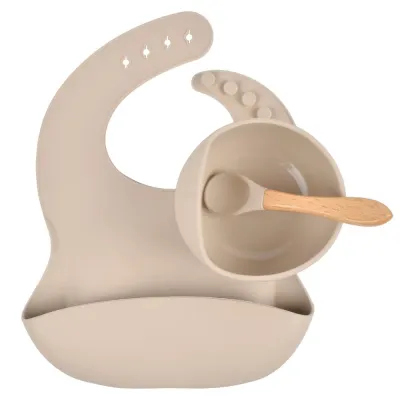
Introducing solids is a notoriously messy process, as babies learn to coordinate their tongue movements and often spit out unfamiliar textures. Traditional cloth or absorbent cotton bibs are excellent for catching drool, but they quickly become saturated with wet purees, leading to stained clothing and a mountain of daily laundry. For solid feeding, a waterproof silicone bib equipped with a deep, open bottom pocket is a far more practical and efficient solution.
The primary advantage of a silicone bib is its structural design, which keeps the bottom pocket popped open to catch falling food, liquids, and stray spoonfuls before they land on your baby’s lap or the floor. Instead of washing multiple fabric bibs after every meal, you can simply wipe a silicone bib clean with a damp cloth, rinse it under the kitchen tap, or wash it alongside your dishes with mild soap. This rapid cleanup cycle means you often only need one or two high-quality silicone bibs to get through the entire weaning phase.
When choosing a silicone bib, pay close attention to the neck closure and the flexibility of the material. The neck strap should feature adjustable, soft fasteners that can grow with your baby without pinching or chafing their delicate skin. Furthermore, the silicone itself should be soft and pliable; stiff, heavy silicone bibs can press uncomfortably against a baby’s chest or restrict their arm movements, causing them to resist wearing the bib altogether. A high-quality bib should drape comfortably and move naturally with your baby’s body.
Training Cups for Early Hydration
Introducing solid foods around six months of age is also the ideal time to begin offering small amounts of water to support hydration and help your baby adapt to new dietary textures. Moving away from the sucking motion used with bottles or breastfeeding toward sipping is an important step in oral motor development. Introducing a specialized training cup helps build the lip, tongue, and jaw strength required for mature swallowing patterns and future speech development.
There are two primary styles of training cups recommended for beginners: small, open silicone cups and straw cups. A tiny, open cup allows you to guide the cup to your baby’s lips, helping them learn how to tilt the vessel and control the flow of liquid. Because these cups are made of soft silicone, they will not hurt your baby’s front teeth or gums if they bump against them. Alternatively, straw cups with weighted straws are excellent for independent drinking, as they allow your baby to sip from any angle without needing to tilt their head back.
While straw cups are highly convenient and reduce spills, they require diligent maintenance. Many spill-proof straw cups feature complex internal valves that can easily trap moisture, milk, or puree residue, creating an ideal breeding ground for mold, particularly in warm, humid climates like the Philippines. When selecting a training cup, ensure that all components—especially the straw, lid, and valve—can be completely disassembled. Look for sets that include a dedicated, ultra-thin cleaning brush designed to reach inside the straw to ensure thorough hygiene.
Mealtime Upgrades: Helpful Additions for Food Prep and Cleanup
While a basic feeding set covers the immediate table needs, expanding your toolkit with a few targeted mealtime upgrades can significantly streamline food preparation and post-meal cleanup. For parents who prefer to prepare fresh, homemade baby food, investing in a compact baby food maker or a dedicated small blender can save substantial time. These devices are designed to steam and puree small batches of fresh vegetables, fruits, and meats into perfectly smooth consistencies. However, if you already own a high-powered household blender or food processor, you can easily use it to prepare larger batches of purees, eliminating the need for a single-use appliance.
To safely store the healthy meals you prepare, silicone freezer trays with tight-fitting, snap-on lids are highly recommended. These trays allow you to portion out purees into convenient, individual servings and freeze them. Once frozen, you can pop the food cubes out and store them in labeled freezer bags, allowing you to thaw only what your baby needs for a single meal. This batch-cooking method minimizes food waste, saves daily preparation time, and ensures you always have a variety of nutritious meals ready to serve.
The physical environment where your baby eats also plays a major role in how smoothly mealtimes go. A sturdy, reliable highchair is an indispensable asset for safe feeding. When selecting a highchair, prioritize models that feature a removable, dishwasher-safe tray and a secure safety harness to keep your baby upright and stable. Before placing your child in a highchair, always verify the manufacturer’s specified weight, age, and developmental limits to ensure the chair is safe for their current stage. Ensure your baby can sit upright with minimal support before using a standard highchair.
To protect your home’s flooring from the inevitable drop zone beneath the highchair, consider placing a waterproof splash mat or splat mat on the floor. These large, wipeable mats catch dropped purees, stray grains of rice, and spilled water, preventing stubborn stains on carpets or wooden floors. After the meal, you can simply shake the mat outside or wipe it down with a damp cloth, significantly reducing the time spent sweeping and mopping after every culinary adventure.
Material Guide: Choosing Safe and Durable Feeding Gear
When shopping for a feeding set for baby, the variety of materials available can be overwhelming. Understanding the safety, durability, and maintenance requirements of each material is essential for making an informed choice that fits your lifestyle and budget.
- Food-Grade Silicone: This is widely considered the gold standard for modern baby feeding gear. Silicone is highly flexible, virtually unbreakable, and naturally resistant to bacteria and odors. It can withstand extreme temperature ranges, making it safe for the freezer, microwave, and dishwasher. Because it is soft and pliable, it is exceptionally gentle on a baby's gums.
- Stainless Steel: Renowned for its extreme durability and hygienic properties, stainless steel is an excellent long-term investment. It is non-porous, scratch-resistant, and does not retain food odors or stains. However, stainless steel dishes do not offer suction capabilities unless fitted with a removable silicone base. They can also be noisy when dropped and feel cold to the touch, which some infants may find unappealing initially.
- Bamboo and Natural Wood: These materials are highly popular for their aesthetic appeal and eco-friendly nature. While beautiful, bamboo and wood require high maintenance. They are not dishwasher-safe or microwave-safe. In the tropical, highly humid climate of the Philippines, wooden items must be hand-washed immediately and dried thoroughly in a well-ventilated area to prevent mold growth, warping, and cracking.
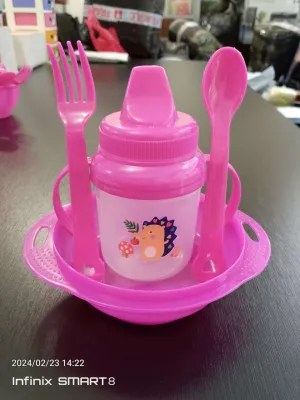
- Plastics: Plastic feeding gear is lightweight, affordable, and widely available. However, parents must exercise caution when selecting plastic items. It is essential to physically verify that any plastic feeding product is explicitly labeled as BPA-free, BPS-free, and phthalate-free. Plastic can scratch easily over time; these tiny crevices can harbor bacteria and make thorough cleaning difficult, meaning plastic items generally have a shorter lifespan than silicone or stainless steel.
Regardless of the material you prefer, never rely solely on online product titles, marketing slogans, or social media recommendations. Always check the physical product packaging, labels, and manufacturer guidelines for official safety certifications, material compositions, and age-suitability ratings. This ensures that the items you introduce to your baby’s mouth meet rigorous safety standards.
Hygiene and Care: Cleaning and Maintaining Your Feeding Set
Maintaining strict hygiene standards is vital when preparing and serving food to an infant, as their immune systems are still developing. Establishing a consistent daily cleaning routine for your baby’s feeding set will protect their health and significantly extend the lifespan of your gear.
For daily cleaning, always refer to the manufacturer’s care instructions to determine which items are dishwasher-safe and which require hand-washing. Generally, high-quality silicone and stainless steel items can be placed on the top rack of a dishwasher. However, for hand-washing, use warm, soapy water and a clean, dedicated sponge or brush that is used exclusively for your baby’s utensils to avoid cross-contamination from family dishes. Pay close attention to hard-to-reach areas, such as the crevices of suction bases, the undersides of rimmed plates, and the internal pathways of straw valves, using small detail brushes to scrub away trapped food particles.
Bamboo and wooden items require specialized care to maintain their structural integrity. Never submerge wooden dishes in water for extended periods, and never place them in a dishwasher. Wash them quickly with mild soap, rinse thoroughly, and wipe them down with a dry towel. Allow them to air-dry completely in a well-ventilated rack before storing them in closed cabinets, as trapped moisture in humid environments will inevitably lead to mold.
Regularly inspect all components of your feeding set for physical signs of wear and tear. Over time, silicone can develop a soapy residue or white film from dishwashing detergents, and plastic can develop deep scratches. Inspect spoon tips, straw valves, and cup spouts for any cracks, tears, or peeling. If you detect any structural damage, degradation, or persistent odors that do not wash away, discard and replace the item immediately to prevent choking hazards or bacterial buildup. Finally, consult the manufacturer’s guidelines before exposing items to boiling water, steam sterilizers, or UV sanitizers, as excessive heat or radiation can warp or degrade certain materials prematurely.
Frequently Asked Questions (FAQ)
Can I put silicone feeding sets in the microwave?
While high-quality, 100% food-grade silicone is generally highly heat-resistant and safe for microwave use, you must always verify the manufacturer’s specific product label first. Some silicone bowls or plates feature integrated plastic bases, suction rings of different materials, or metal reinforcement rings that are absolutely not microwave-safe. To ensure even heating and prevent dangerous hot spots that could burn your baby’s mouth, it is highly recommended to heat food in a separate glass or ceramic container, stir it thoroughly, and then transfer the warm food into your baby’s silicone dish.
How many bowls and spoons do I really need to start?
First-time parents often overbuy feeding gear, but you do not need a massive collection to begin. A highly functional starter setup consists of just two suction bowls, three soft silicone spoons, and two waterproof silicone bibs. This minimal set is more than enough to manage daily meals while keeping up with washing and drying cycles. Starting small allows you to observe your baby’s unique physical preferences and see how your daily routine flows before investing in larger, more expensive multi-piece bundles.
When should I transition to self-feeding utensils?
Babies typically begin showing a strong interest in grabbing the spoon and attempting to feed themselves between 8 and 10 months of age, as their fine motor skills and hand-eye coordination improve. At this stage, you can introduce specialized beginner utensils featuring short, chunky, easy-grip handles and protective shields that prevent the spoon from being pushed too far into the mouth. Continue to assist your baby with longer-handled spoons to ensure they receive adequate nutrition while allowing them to practice their self-feeding skills alongside you.

Community discussion
Share your experience or ask a question. Comments are reviewed before publication.