
Selecting the right nursing bag is one of the most practical decisions you will make as a parent. A well-designed bag does more than simply hold diapers; it serves as a mobile care station that supports your daily rhythm, protects essential feeding supplies, and keeps you organized during unexpected moments. Whether you are navigating a quick trip to the local grocery store or managing a full day out in humid tropical weather, the features you prioritize should directly match your lifestyle, physical comfort, and baby’s developmental stage.
To find a bag that truly works for you, it is essential to look past aesthetic trends and focus on functional design. The ideal nursing bag balances storage capacity with ergonomic support, utilizing durable materials that can withstand frequent spills and environmental moisture. By evaluating your daily routine, understanding key organizational features, and knowing how to inspect material quality, you can select a reliable companion that simplifies outings with your baby.
Assess Your Daily Routine and Carrying Needs
Your daily routine is the most accurate blueprint for your nursing bag requirements. Parents who primarily take short, local trips of one to two hours have vastly different storage needs compared to those who commute long distances or travel for full-day outings. For brief errands, a compact bag that holds a couple of diapers, a travel pack of wipes, and a single bottle is often sufficient. Conversely, full-day excursions require a high-capacity bag capable of holding multiple changes of clothes, extensive feeding supplies, toys, and personal items, preventing the need to rush home prematurely.
Products mentioned in this guide
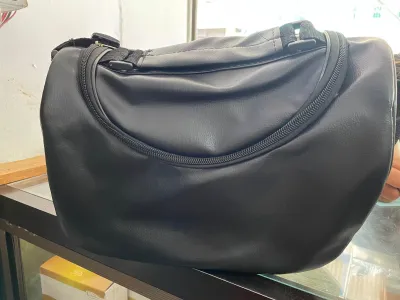
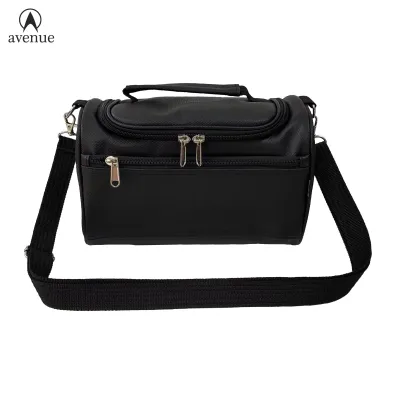
Prices are valid at publication and may change. Please refer to the product page for the latest price.
The number of children in your care and their specific developmental stages also dictate your storage volume. Newborns require a high volume of frequent changes, meaning you must pack numerous diapers, burp cloths, and multiple changes of clothes to handle spit-ups. If you are formula feeding, you will need dedicated space for sterilized bottles, a thermos of warm water, and pre-measured formula dispensers. For breastfed babies, you might need space for a manual breast pump or milk storage bags. Always verify the age and development stage recommendations on any specialized feeding accessories you plan to carry.
As your child grows into a toddler, the inventory shifts toward snacks, water cups, and small toys, requiring different compartment configurations. If you are managing multiple young children simultaneously, a multi-compartment bag with distinct sections for each child’s gear becomes a necessity to avoid chaotic searching. It is helpful to map out what a typical day looks like before choosing a bag size, ensuring you do not carry unnecessary bulk or run out of space during critical moments.
Your preferred carrying style is another critical factor that influences daily comfort and mobility. Backpack-style nursing bags are highly favored for active mobility because they distribute weight evenly across both shoulders and keep your hands completely free. This is particularly advantageous if you frequently use a baby carrier or need to chase an active toddler. Tote bags offer a classic, wide-access design that allows you to reach in quickly while the bag is resting on a flat surface, making them excellent for car travel or structured outings. Messenger or crossbody bags provide a middle ground, allowing you to swing the bag forward for quick access without taking it off, though they can cause shoulder strain if overloaded.
Core Storage and Organization Features to Look For
Efficient organization is what separates a dedicated nursing bag from a standard fashion backpack. When evaluating potential options, look closely at the internal layout and the specific utility of each compartment. Dedicated, insulated bottle pockets are highly valuable for maintaining the temperature of breast milk, warm water, or prepared formula. When reviewing these pockets, verify the manufacturer’s specifications regarding bottle capacity and thermal retention limits. Some pockets are designed only for standard slim bottles, while others can accommodate wide-neck varieties.

Keep in mind that insulation performance is temporary and varies based on external temperatures. For feeding safety, always follow established medical guidelines for milk storage and consult a qualified healthcare professional if you have questions about safe feeding temperatures on the go. Stop using any insulated pocket if the lining becomes torn or difficult to clean, as trapped moisture can encourage bacterial growth.
Easy-access exterior pockets are essential for managing high-frequency items without opening the main compartment. Look for bags that feature dedicated exterior slots for baby wipes, allowing you to pull a wipe directly from the side of the bag during a sudden mess. Secure exterior pockets are also ideal for storing your personal essentials, such as your phone, keys, wallet, and hand sanitizer, keeping them separate from baby items for better hygiene. Having these items within arm’s reach prevents the frustration of digging through layers of diapers and clothing in an emergency.
The opening style of the main compartment significantly impacts how easily you can retrieve items under pressure. A wide clamshell opening, often reinforced with a structured metal frame, stays open on its own and provides a clear, top-down view of the entire interior. This design prevents the “black hole” effect where small items settle at the bottom and become impossible to find. In contrast, drawstring or deep zippered openings with narrow tops can restrict visibility and force you to unpack half the bag to reach a clean onesie at the bottom.
Additionally, verify whether the bag includes a changing pad or a dedicated padded sleeve. A portable, wipeable changing pad allows you to handle diaper changes hygienically on public changing tables or in the back of a vehicle. If the bag does not include one, ensure there is a dedicated, easily accessible sleeve where you can store an aftermarket pad. This sleeve can also serve as a protective compartment for a tablet or personal documents, adding to the bag’s long-term versatility as your child grows out of the diaper phase.
Material, Durability, and Easy Cleaning
A nursing bag must endure demanding conditions, including spilled milk, crushed snacks, diaper leaks, and unpredictable weather. Therefore, the choice of material is paramount to the bag’s longevity and hygiene. Prioritize bags with water-resistant or wipeable interior and exterior linings. Materials such as high-density polyester, nylon, or specialized TPU coatings are excellent for resisting moisture and allowing you to wipe away spills with a damp cloth. In humid tropical climates, moisture resistance is especially critical to prevent the growth of mold, mildew, and unpleasant odors within the fabric fibers.
Hardware quality is a direct indicator of how long a bag will remain functional. Examine the zippers, stitching, and clasps carefully before making a purchase. Look for heavy-duty, smooth-gliding zippers that do not easily catch on fabric, as a broken zipper can render an otherwise perfect bag unusable. Reinforced stitching at high-stress points, such as where the shoulder straps and carrying handles attach to the main body, is vital for supporting the weight of a fully loaded bag. Robust metal or high-grade plastic clasps and buckles are also necessary to ensure the straps remain secure under tension.
Before finalizing your choice, review the manufacturer’s specific care instructions. Some bags are fully machine washable, which offers maximum convenience for busy parents, while others require strict spot cleaning or hand washing to preserve water-resistant coatings or structural elements. Avoid assuming a bag’s durability or material performance based solely on its brand name or price point. Always verify the specific fabric treatments, weight limits, and structural warranties provided by the manufacturer to ensure the bag can handle the physical demands of daily use.
Comfort and Carrying Options for Parents
Carrying baby gear can quickly become physically taxing, making ergonomic design a crucial consideration for your long-term comfort. The shoulder straps of a nursing bag should be wide, contoured, and generously padded to distribute weight evenly across your shoulders and upper back. Narrow, unpadded straps can dig into your skin, restrict circulation, and lead to muscle strain, especially when the bag is packed to capacity. Adjustable straps are also essential to accommodate different body types, heights, and varying thicknesses of clothing, ensuring a snug and supportive fit for any caregiver who uses the bag.
Stroller attachment features are another highly practical addition that can relieve physical strain. Many modern nursing bags come equipped with dedicated stroller straps, integrated clips, or universal hooks that allow you to hang the bag directly from your stroller’s handlebar. When utilizing these features, it is critical to verify compatibility with your specific stroller model’s handlebar dimensions and weight limits. Hanging a heavy bag on a lightweight stroller can cause it to tip backward, posing a safety hazard to your child. Always consult your stroller’s user manual for weight limits and ensure your child is securely strapped in under direct caregiver supervision at all times.
The empty weight of the nursing bag itself is an often-overlooked factor that contributes to overall carrying comfort. Bags constructed with thick, heavy canvas, extensive faux leather detailing, or heavy metal hardware may look stylish, but they start with a significant weight disadvantage. Once you add water bottles, diapers, wipes, and spare clothing, the total weight can quickly become overwhelming. Opting for lightweight yet durable synthetic materials ensures that the bulk of the carrying weight comes from your essential supplies rather than the bag itself.
Building Your Nursing Bag Shortlist
With numerous options available on online marketplaces and in local baby boutiques, building a structured shortlist will help you make a practical, budget-aligned decision. Begin by creating a strict checklist of your non-negotiable features. For instance, if you primarily formula feed, insulated bottle pockets and a wide-mouth opening might be absolute necessities, while stroller straps might be a secondary preference. Separating your must-have features from nice-to-have aesthetic details prevents you from overspending on a bag that does not meet your core functional needs.
Next, compare your shortlisted options against your target budget in ₱. When calculating the total cost, remember to factor in any additional expenses for separate accessories. If a budget-friendly bag does not include a changing pad, a wet bag for soiled clothes, or insulated pouches, you will need to purchase these items separately, which may bring the total cost closer to that of a premium, all-inclusive model. Comparing the complete package price ensures you get the best value for your money.
Finally, review the retailer’s return policy and warranty terms before completing your purchase. It is highly beneficial to test the bag at home before removing any tags. Pack it with your actual daily gear—including your specific bottles, wipes container, and diapers—to verify that the compartments fit your items comfortably and that the bag remains balanced when carried. If the physical layout does not align with your real-world routine, a flexible return policy allows you to exchange it for a model that better suits your needs. Additionally, take this opportunity to verify any safety standards or product recalls associated with the bag model through official consumer protection channels.
Frequently Asked Questions (FAQ)
Can I use a regular backpack instead of a dedicated nursing bag?
Yes, you can certainly use a standard backpack, though you may miss some of the specialized conveniences of a dedicated nursing bag. Standard backpacks typically lack built-in insulated pockets to keep bottles at temperature, wipeable interior linings to handle leaks, and integrated stroller straps. If you choose to use a regular backpack, you can easily adapt it by using modular packing cubes to organize baby clothes, separate insulated bottle pouches to maintain temperatures, and a standalone portable changing pad. This modular approach allows you to transition any bag into a functional baby care station.
How do I clean a nursing bag after a major spill?
To clean your nursing bag safely after a major spill, always start by checking the manufacturer’s care label for specific washing instructions. If the bag is not machine washable, empty all compartments and shake out any loose debris. Mix a few drops of mild, baby-safe soap with warm water, and use a soft, damp cloth to gently spot-clean the affected areas. Avoid using harsh chemical solvents, bleach, or abrasive brushes, as these can strip away water-resistant coatings and damage the fabric. Once clean, open all zippers and compartments fully, and hang the bag to air dry completely in a well-ventilated area away from direct sunlight to prevent the development of mold or mildew.
What is the ideal weight for a fully packed nursing bag?
There is no single ideal weight for a packed nursing bag, as it depends entirely on your physical comfort, baseline strength, and any personal medical guidelines for lifting. However, carrying an excessively heavy bag for extended periods can lead to back, neck, and shoulder strain. To keep the weight manageable, perform a weekly audit of your bag’s contents. Remove any outgrown diaper sizes, accumulated trash, empty packaging, and duplicate items that you rarely use. Keeping your pack streamlined ensures you only carry what is truly necessary for your baby’s current developmental stage.

Community discussion
Share your experience or ask a question. Comments are reviewed before publication.