
Traveling with an infant or toddler turns every transit hub, airplane cabin, and roadside stop into a test of preparation. A standard diaper bag that works for a quick trip to a local mall might fall short during a long-haul flight or an extended family road trip. The ideal travel diaper bag serves as a mobile changing station, a mini-refrigerator, and a secure personal organizer all at once. To find the right one, you must prioritize transit compatibility, specialized storage layouts, durable materials that resist tropical humidity, and ergonomic designs that protect your shoulders during long walks through airport terminals.
Choosing the right gear requires looking beyond aesthetics to evaluate how a bag performs under the physical demands of travel. From fitting into tight airplane cabins to keeping milk cool in warm climates, every feature should serve a practical purpose. By focusing on key design elements, you can select a bag that keeps you organized, comfortable, and ready for any unexpected diaper blowout or feeding delay.
Checking Airline and Transit Compatibility
Before purchasing any travel diaper bag, you must verify how its physical dimensions align with airline carry-on and personal item restrictions. Most airlines enforce strict size limits for items placed in overhead bins or under the seat in front of you. A bag that is too bulky may need to be checked at the gate, separating you from essential baby supplies during a flight. Check the specific dimension and weight limits of your chosen airline prior to departure, keeping in mind that budget carriers often have smaller allowances.
Products mentioned in this guide
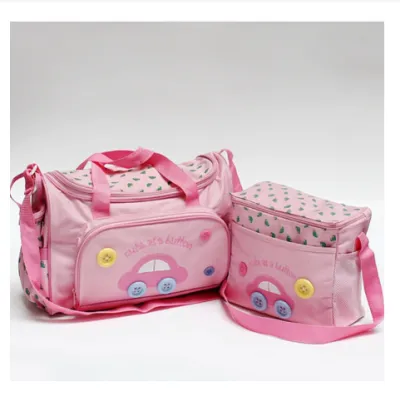
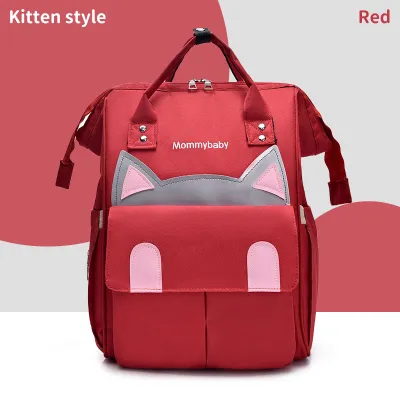
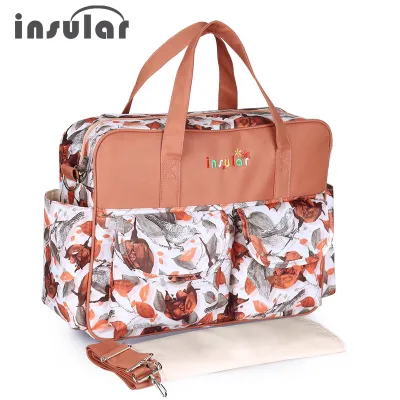
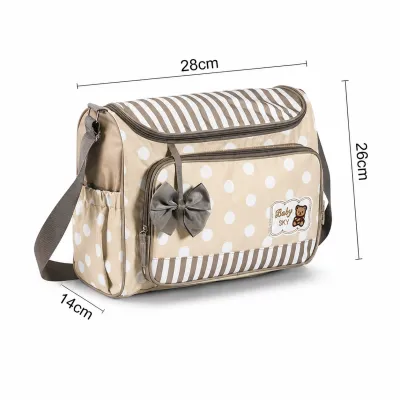
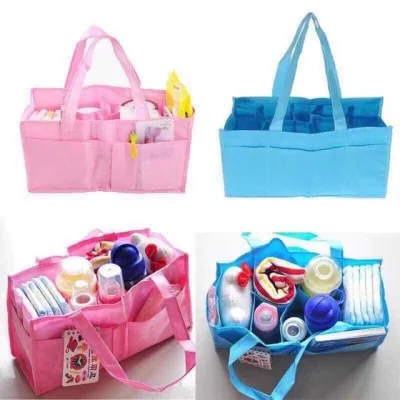
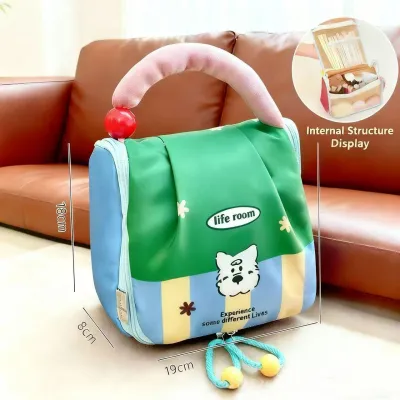
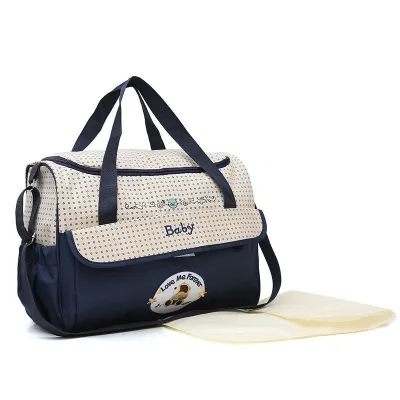
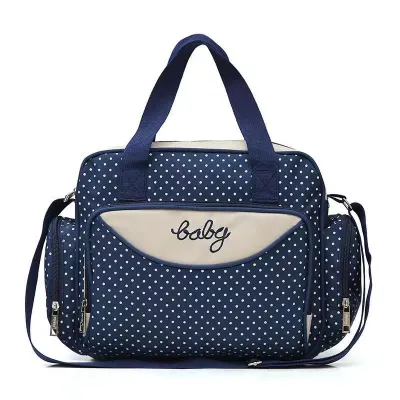
Prices are valid at publication and may change. Please refer to the product page for the latest price.
Evaluating the structural rigidity of the bag is equally important for transit. Soft-sided diaper bags offer more flexibility, allowing you to compress the bag slightly to squeeze it into tight under-seat spaces. Hard-structured bags protect fragile items better but cannot be easily stuffed into crowded overhead compartments. Having your diaper bag under the seat ensures that wipes, toys, and pacifiers remain within arm’s reach during takeoff, landing, and times of turbulence when the seatbelt sign is illuminated.
For parents navigating busy airport terminals, a luggage sleeve—also known as a trolley sleeve—is an invaluable feature. This fabric band on the back of the diaper bag allows you to slide it securely over the telescoping handle of your rolling suitcase. Utilizing a luggage sleeve prevents the bag from slipping off while you rush to a boarding gate, keeping your hands free to push a stroller or hold your child. It also relieves your shoulders of heavy lifting during long layovers.
Evaluating Storage and Organization for Travel
An organized diaper bag prevents the stress of rummaging through a deep, dark compartment while a baby is crying. When traveling, you need a bag with a highly intentional layout that separates feeding supplies, hygiene essentials, and personal items. Look for a model that offers dedicated compartments rather than one large, open cavity.

Insulated pockets are critical for maintaining safe bottle temperatures during long journeys. In tropical climates where ambient temperatures can accelerate spoilage, high-quality thermal lining helps keep breast milk, formula, or baby food cool for several hours. Verify the size of these insulated pockets to ensure they can accommodate your specific bottle brands, as wider silicone bottles or tall glass bottles require more spacious slots.
Quick-access compartments for wipes and diapers can save valuable seconds during an emergency change. Many travel diaper bags feature a dedicated exterior side pocket with a magnetic flap or a zippered slit designed to dispense baby wipes directly without opening the main compartment. Ensure this pocket is large enough to hold standard travel-sized wipe packs and that the opening seals tightly to prevent the wipes from drying out in warm weather.
Internal organization should also include clear divisions between clean and soiled items. Look for zippered plastic-lined compartments or dedicated mesh pockets to isolate damp clothes, drool bibs, or wet swimsuits. Keeping your caregiver essentials—such as passports, boarding passes, keys, and wallets—in a separate, secure compartment prevents them from getting mixed up with baby gear or accidentally soiled by a leaking bottle.
Assessing Material Durability and Maintenance
Travel exposes gear to rough handling, dirty floors, and unpredictable weather. To ensure your diaper bag survives the journey, examine the manufacturer’s specifications for material durability. Water-resistant or wipeable exterior fabrics, such as high-density nylon, polyester, or coated canvas, are ideal because they resist stains and protect internal contents from sudden tropical downpours.
Inspect the bag’s hardware and construction quality before making a decision. Heavy-duty metal zippers, reinforced double-stitching at the strap joints, and metal feet on the bottom of the bag are indicators of a durable build. A reinforced base prevents the bottom of the bag from sagging under heavy loads and keeps the fabric from directly touching dirty airport or public restroom floors. If you plan to invest ₱3,000 to ₱5,000 or more in a premium travel bag, these structural details are essential for ensuring longevity.
Maintenance on the road should be as simple as possible. Read the care instructions carefully to determine if the bag requires specialized cleaning. While machine-washable bags are convenient when you return home, a bag with a smooth, wipeable interior lining is much easier to maintain during transit. Being able to quickly sanitize a spill with a disinfectant wipe prevents mold growth and unpleasant odors from developing during your trip.
Prioritizing Caregiver Comfort and Ergonomics
Carrying baby gear alongside your own luggage can quickly lead to physical fatigue. The carrying style of your diaper bag directly impacts your comfort during long walks through transit hubs. Backpack-style diaper bags are generally the most ergonomic option for travel, as they distribute weight evenly across both shoulders and keep your hands completely free.
If you prefer a crossbody bag or a tote, look for models that offer convertible strap configurations. This allows you to switch to a backpack mode when walking long distances and revert to a shoulder strap when boarding a vehicle. Ensure that any shoulder straps are wide, contoured, and heavily padded with breathable mesh fabric to minimize chafing and reduce sweat buildup in warm, humid conditions.
Adjustable straps and chest clips help stabilize the bag against your body, preventing it from shifting as you bend over to pick up your child or lift luggage. Additionally, pay close attention to the bag’s empty weight. A diaper bag that weighs more than 1.2 kilograms when empty will limit how much gear you can pack before reaching airline carry-on weight limits or causing personal discomfort.
Quick-Access and Hygiene Features
Public changing facilities in airports, gas stations, or trains can vary widely in cleanliness. A travel diaper bag should function as a self-contained hygiene station. Look for bags that include a padded, detachable changing pad that can be easily cleaned. Verify the dimensions of the pad to ensure it is long enough to protect your baby’s entire body from shared public surfaces.
Exterior pockets that allow you to grab high-frequency items without unzipping the main compartment are essential for smooth travel. A small zippered pocket on the top or front of the bag is perfect for storing pacifiers, hand sanitizer, and small toys. Some bags also feature hidden anti-theft pockets on the back panel, which rest directly against your back to keep passports and cash secure from pickpockets in crowded tourist areas.
Finally, check if the bag includes or has space for separate wet and dry storage bags. Having a dedicated, roll-top wet bag allows you to seal away heavily soiled clothing or cloth diapers, trapping odors and moisture until you reach a laundry facility. This simple addition prevents cross-contamination and keeps the rest of your travel gear fresh and sanitary.
Frequently Asked Questions (FAQ)
Can I use a regular backpack instead of a designated diaper bag for travel?
Yes, you can use a regular backpack, but you will miss out on specialized features designed specifically for baby care. Standard backpacks generally lack insulated bottle pockets, built-in changing pads, and water-resistant wet compartments to isolate soiled clothes. While a regular backpack may suffice for short, simple trips, a dedicated travel diaper bag provides the organization and hygiene controls necessary to manage feeding and diapering emergencies smoothly during long-haul travel.
Do airlines count a diaper bag as a separate carry-on item?
Airline policies regarding infant baggage allowances vary significantly. Many full-service airlines allow parents traveling with an infant to bring one diaper bag free of charge in addition to their standard carry-on allowance. However, many budget carriers require the diaper bag to count as your personal item or standard carry-on. Always verify the specific baggage guidelines on your airline’s official website before arriving at the airport to avoid unexpected gate fees.

Community discussion
Share your experience or ask a question. Comments are reviewed before publication.