
Transitioning your toddler from bottle-feeding or breastfeeding to a cup is a major milestone in their weaning journey. Choosing a toddler straw tumbler with the right features—such as a soft silicone straw, a spill-proof valve, and an ergonomic design—makes this transition smoother for both you and your child. A straw tumbler is often recommended over traditional sippy cups because it supports healthy oral development and prepares your toddler for open-cup drinking.
In tropical climates like the Philippines, keeping your toddler hydrated is a daily priority. High humidity and warm temperatures mean your child needs consistent access to water, making a reliable, portable, and easy-to-clean tumbler an essential part of your daily outing bag. By focusing on material safety, ease of cleaning, and developmental suitability, you can select a cup that supports your toddler’s growing independence.
Why the Right Straw Tumbler Matters for Weaning
Weaning is not just about changing what your baby consumes; it is also about developing new motor skills. When babies drink from a bottle or breast, they use an immature sucking pattern where the tongue moves forward and backward. Drinking from a straw, however, encourages a mature swallowing pattern. It requires the tongue to retract and the lips to seal around the straw, which helps strengthen the muscles in the mouth, cheeks, and jaw. These strengthened muscles play a vital role in speech development and proper chewing habits later on.
Products mentioned in this guide
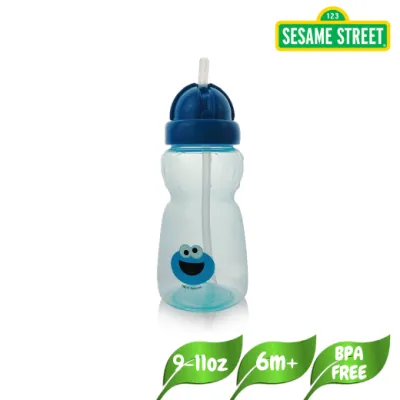
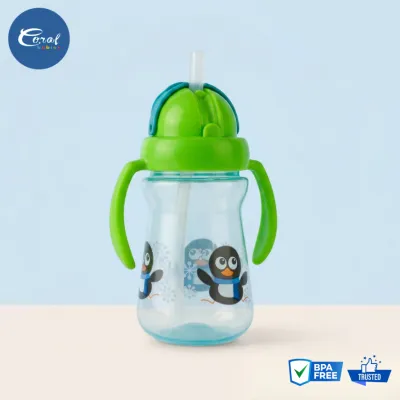
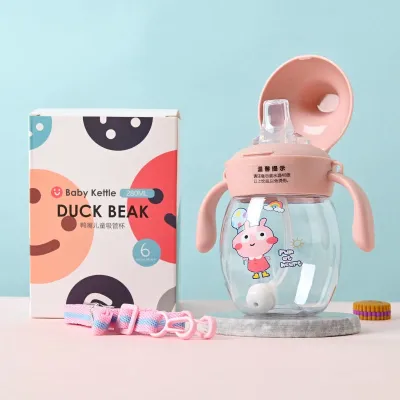
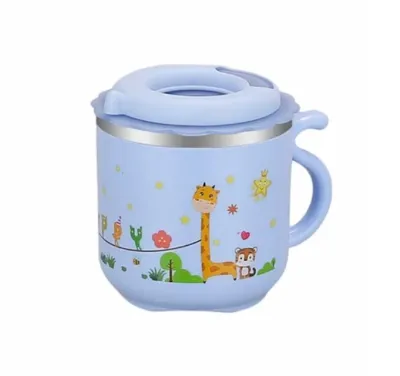
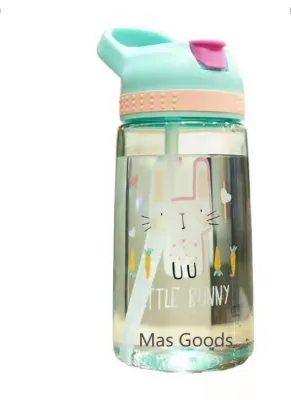
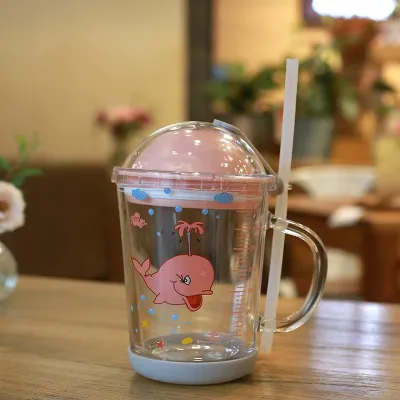
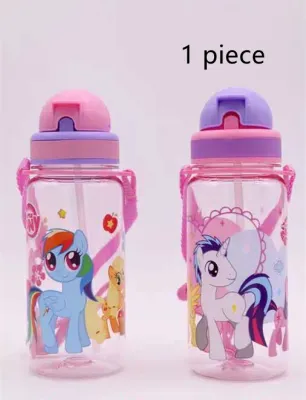
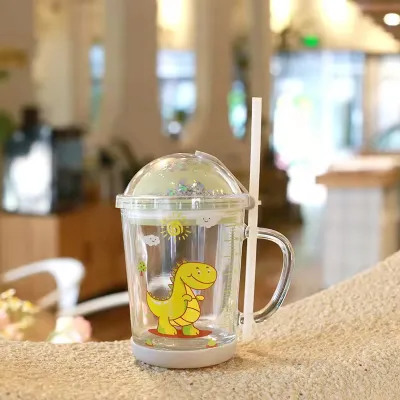
Prices are valid at publication and may change. Please refer to the product page for the latest price.
While sippy cups were once the standard transition tool, pediatric dentists and speech therapists often advise skipping them in favor of straw tumblers or open cups. Traditional hard-spout sippy cups can keep the tongue in an immature forward position, potentially affecting dental alignment if used long-term. Open cups are excellent for teaching control, but they are highly prone to spills, making them less practical for active toddlers on the move. A straw tumbler offers the perfect middle ground: it promotes healthy oral motor habits while keeping spills to a minimum during busy days.
Choosing the Right Straw Type and Flow Rate
When evaluating straws, the material and design of the straw itself are critical. Toddlers who are teething often bite down on everything, including their cup straws. For this reason, look for bite-resistant silicone straws. These are soft enough to protect your toddler’s sensitive gums and developing teeth, yet durable enough to withstand chewing without tearing or shedding small pieces that could become choking hazards. Standard thin silicone straws may wear out quickly under the pressure of sharp toddler teeth, so checking the manufacturer’s product description for “bite-resistant” or “reinforced” silicone is a wise step.

The flow rate of the tumbler is another key factor in a successful transition. If the liquid flows too quickly, your toddler may choke, cough, or refuse the cup altogether. Conversely, if the flow is too slow, they may become frustrated and lose interest. Many toddler tumblers feature a built-in valve within the straw that regulates the flow. These valves often require the child to bite down slightly while sucking to release the liquid. This “bite-and-sip” mechanism prevents free-flowing leaks but might require some practice for younger toddlers. When shopping, look for adjustable flow options or cups specifically labeled for your toddler’s current developmental stage to ensure the sucking effort matches their strength.
Balancing Spill-Proof Designs with Easy Cleaning
A spill-proof tumbler is a lifesaver when your toddler decides to drop their cup from a high chair or toss it across the living room. However, the very features that make a cup leak-proof—such as complex valves, gaskets, and multi-part lids—can also make it a breeding ground for mold and bacteria. In warm, humid environments, moisture trapped in tiny crevices can lead to mold growth in as little as 24 hours. Therefore, you must balance a secure seal with a design that is straightforward to disassemble and clean.
Compare the lid styles carefully. Flip-top lids use a hinged cover to fold the straw down, sealing the liquid inside and keeping the straw clean when not in use. Sliding covers perform a similar function but have fewer moving parts that can snap off. Whichever style you choose, ensure that every component can be easily separated. Avoid tumblers with permanently sealed chambers or complex internal straw mechanisms that cannot be reached with a standard straw brush. Look for dishwasher-safe ratings if you use a dishwasher, but always plan to perform manual checks with a dedicated, thin straw brush to keep the airway completely clear of residue.
Verifying Material Safety and Drop Resistance
Safety is paramount when choosing any product that comes into contact with your child’s food or drink. Always verify that the tumbler is explicitly labeled as free from harmful chemicals, including bisphenol A (BPA), polyvinyl chloride (PVC), and phthalates. These chemical compounds can leach into liquids, especially when exposed to heat or acidic juices. Look for clear manufacturer certifications or third-party testing labels on the packaging to confirm these safety claims.
Beyond chemical safety, you need to consider how well the material handles physical abuse. Toddlers are prone to dropping, throwing, and knocking over their cups.
- Stainless Steel: This material is highly durable, rust-resistant, and excellent for temperature retention. In hot tropical weather, an insulated stainless steel tumbler can keep water cool and refreshing for hours. However, these cups are heavier and can be noisy when dropped on tile floors.
- Tritan Plastic: Tritan is a high-quality, BPA-free plastic that offers the clarity of glass without the fragility. It is lightweight, highly impact-resistant, and does not retain odors or stains. It is an excellent choice for active toddlers who need a lightweight cup for outdoor play.
- Silicone: Full-silicone tumblers are soft, flexible, and virtually indestructible. They are easy for small hands to grip and completely silent when dropped. However, they lack temperature insulation and can sometimes attract lint or dust.
Selecting the Ideal Size, Weight, and Ergonomics
A tumbler that is too heavy or bulky will frustrate a toddler who is trying to assert their independence. For toddlers in the early stages of weaning (around 12 to 18 months), a capacity of 150 ml to 250 ml (approximately 5 to 8 ounces) is usually ideal. This size holds enough liquid to keep them hydrated during a meal or short outing without becoming too heavy when full. Larger tumblers, such as those designed for older children (300 ml and above), can weigh down a toddler’s hands and make tipping the cup difficult.
Ergonomics play a major role in how easily your toddler adopts the new cup. Look for tumblers that feature removable handles. Dual handles allow younger toddlers to use both hands to stabilize the cup as they guide the straw to their mouth. As their grip strength and coordination improve, you can remove the handles to transition them to a traditional cup grip. For older toddlers, a contoured bottle shape or a textured silicone sleeve can provide the necessary friction to prevent the cup from slipping out of sweaty or wet hands during active play.
Red Flags to Avoid When Shopping
When browsing online marketplaces or physical baby boutiques, it is easy to be swayed by cute designs and bright colors. However, several design flaws should prompt you to remove a tumbler from your shortlist immediately. First, avoid hard plastic straws. If a toddler falls while running with a hard straw in their mouth, it can cause severe oral injuries. Always opt for soft, flexible silicone straws that bend easily upon impact.
Second, steer clear of tumblers with overly complex, non-removable lid assemblies. If you cannot see or reach every part of the lid where liquid flows, do not buy it. Mold can hide in hidden gaskets, leading to chronic exposure that can cause health issues for your child. If a manufacturer does not provide clear instructions on how to disassemble the lid for cleaning, treat it as a major red flag.
Finally, be wary of unverified material claims. If a product is exceptionally cheap and lacks clear branding, manufacturer contact information, or age-grade labels, it may not comply with international safety standards. Always check that the packaging specifies the recommended age range (such as “12m+” or “18m+”) to ensure the cup’s flow rate and structural integrity are safe for your child’s developmental stage.
How to Build and Evaluate Your Product Shortlist
To make an informed decision, create a simple comparison matrix of the tumblers you are considering. List the key features along one axis: material type, straw flexibility, ease of cleaning, and capacity. On the other axis, list the specific models available in your local stores or trusted online marketplaces. This structured approach helps you look past aesthetic designs and focus on the functional features that matter most for your daily routine.
Budget is another practical consideration. In the Philippines, toddler straw tumblers can range from budget-friendly options around ₱200 to premium insulated stainless steel models costing ₱1,500 or more. While it may be tempting to buy the cheapest option, consider the long-term value. A slightly more expensive, durable tumbler that survives multiple drops and is easy to clean will often outlast several cheap plastic cups that crack or develop mold quickly. Allocate your budget to prioritize safety and hygiene over novelty features.
Before finalizing your purchase, always verify the manufacturer’s age recommendations and weight limits printed on the product label. Some cups are designed for older toddlers and have faster flow rates that can cause a younger child to gag. Checking these details ensures that the product matches your child’s current physical capabilities, providing a safe and encouraging learning experience.
Transitioning Your Toddler to a Straw Tumbler
Introducing a straw tumbler requires patience, as the sucking mechanism is quite different from bottle-feeding. Start by modeling the action yourself. Toddlers love to imitate their parents, so let them watch you drink from a straw cup. You can also use a clean, open straw to demonstrate how liquid rises: dip the straw into a cup of water, place your finger over the top to trap a small amount of liquid, and let your toddler sip it from the bottom of the straw. This helps them understand that liquid comes out of the tube.
Fill the new tumbler with familiar liquids, such as breast milk, formula, or water, depending on their age and weaning stage. If they associate the cup with a taste they already love, they will be more motivated to figure out how to use it. During the initial learning phase, expect spills and messy attempts. Your toddler might bite the straw, blow bubbles into the cup, or drop it repeatedly. Keep the environment low-stress by practicing during meal times in a high chair or outdoors where clean-up is easy.
If your toddler shows strong resistance, cries, or throws the cup in frustration, do not force the issue. Forcing a child to use a cup can create a negative association that delays the weaning process. Instead, pause the transition, put the tumbler away for a week or two, and continue with their usual feeding routine. Try again when they are in a relaxed, curious mood. Every child develops at their own pace, and a short break is often all it takes for them to be ready to try again.
Frequently Asked Questions (FAQ)
At what age should a toddler start using a straw tumbler?
Most toddlers are developmentally ready to start practicing with a straw tumbler around 6 to 9 months of age, alongside the introduction of solid foods. By 12 months, many children can transition fully away from bottles to a combination of straw cups and open cups. Look for motor skill indicators such as the ability to sit upright independently and hold objects with both hands. Always consult your pediatrician or a pediatric dentist for personalized guidance on your child’s developmental readiness.
How often should I replace the straw or the entire tumbler?
You should perform regular visual checks on all parts of the tumbler. Silicone straws and valves are prone to wear and tear from teething and should be replaced every 2 to 3 months, or immediately if you notice bite marks, tears, discoloration, or persistent mold that cannot be cleaned. The hard outer shell of a stainless steel or Tritan tumbler can last for years, provided there are no deep scratches, cracks, or loose parts that could compromise its structural integrity or safety.
Can I put hot liquids in a toddler straw tumbler?
It is generally not recommended to put hot liquids in a toddler straw tumbler. High temperatures can cause pressure to build up inside the sealed cup, forcing hot liquid to spray out of the straw when opened, which can cause severe burns. Additionally, insulated stainless steel tumblers are highly efficient at retaining heat; a drink that feels warm on the outside of the cup can still be scalding hot inside, posing a safety risk to your child. Always check the manufacturer’s temperature limits and stick to cool or room-temperature beverages.

Community discussion
Share your experience or ask a question. Comments are reviewed before publication.