
Choosing a diaper bag for a newborn requires prioritizing quick accessibility, smart organization, and durable, easy-to-clean materials that can withstand tropical humidity and sudden downpours. Unlike standard bags, a dedicated newborn bag must accommodate frequent feeding schedules, unpredictable diaper changes, and a high volume of small essentials like pacifiers, swaddles, and extra clothes. The ideal bag balances generous storage capacity with ergonomic carrying comfort, allowing you to remain hands-free while keeping your baby secure. By focusing on specialized compartments, water-resistant fabrics, and a carrying style that fits your daily mobility needs, you can find a reliable companion for those first hectic months of parenthood.
Evaluate Your Daily Routine and Capacity Needs
Before comparing designs, assess your typical daily movement and how long you expect to be away from home. A quick trip to the local neighborhood store or a brief visit to the pediatrician requires a vastly different setup than a full-day outing at an air-conditioned mall or a family gathering. For short errands, a compact bag that holds just two diapers, a travel pack of wipes, and a single bottle is often sufficient. However, longer trips demand a larger internal volume to accommodate multiple changes of clothes, extra receiving blankets, feeding supplies, and personal items like your wallet and phone.
You must also consider your family dynamics. If you are managing a newborn alongside a toddler, your storage needs will double, requiring a bag with distinct sections to keep infant and toddler gear separate. However, avoid the temptation to buy the largest bag available simply for peace of mind. Overpacking leads to unnecessary physical strain, especially when navigating crowded streets or boarding public transport in warm weather. A heavy bag can quickly become a burden, so aim for a balanced capacity that fits your actual daily routine without encouraging you to carry excess weight.
Products mentioned in this guide
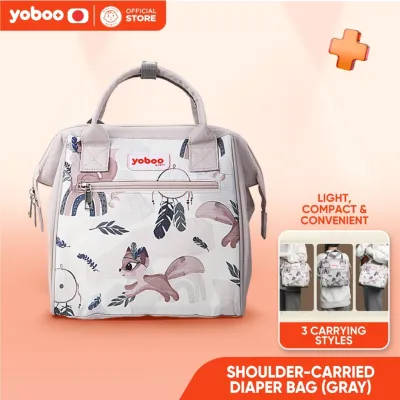
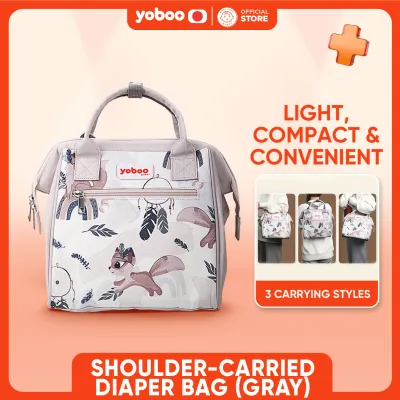
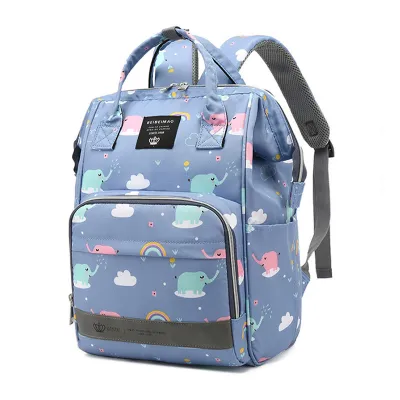
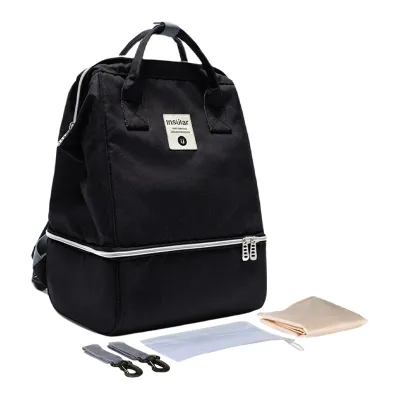
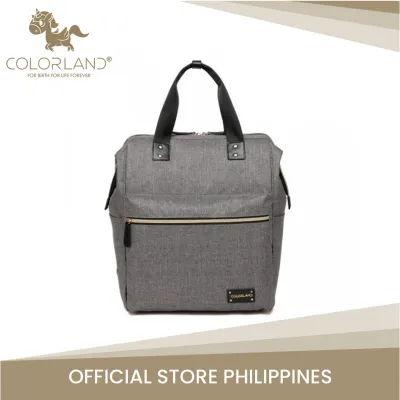
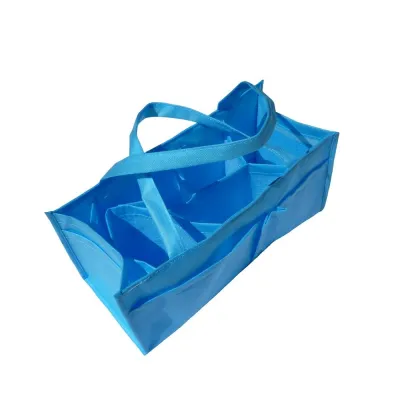
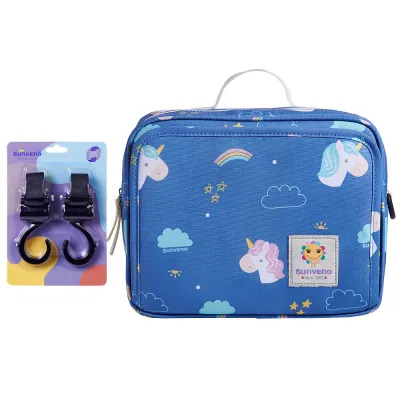
Prices are valid at publication and may change. Please refer to the product page for the latest price.
Essential Storage and Organization Features for Newborns
Newborn care is defined by frequency and unpredictability, making internal organization a critical factor. Look for a bag equipped with insulated bottle pockets. These specialized compartments help maintain the temperature of breast milk or warm water for formula during your outings, which is particularly helpful when feeding schedules are still irregular. Ensure these pockets are lined with high-quality thermal material that is easy to wipe dry in case of condensation or minor leaks.

Hygiene management is another major consideration. A diaper bag should feature dedicated waterproof or wipe-clean zones, often referred to as wet-dry compartments. These sections are essential for isolating soiled onesies, wet bibs, and used cloth diapers from clean clothes and feeding equipment, preventing cross-contamination and unpleasant odors. Additionally, prioritize easy-access exterior pockets. When your baby is crying, you do not want to dig through the main compartment to find high-frequency items like pacifiers, soothing wipes, or diaper rash cream; these should always be within arm’s reach in dedicated outer slots.
Finally, verify the changing mat setup. Many diaper bags come with a matching, fold-out changing pad, or at least a designated, easy-to-reach sleeve where you can store one. A portable changing mat is indispensable for clean diaper changes on public changing tables, in the back of a car, or on a bench. Check that this mat is sufficiently padded, completely waterproof, and large enough to accommodate your growing baby over the first few months.
Choose the Right Carrying Style and Accessibility
The way you carry your diaper bag directly impacts your comfort and mobility. Backpack diaper bags are highly popular because they distribute weight evenly across both shoulders, reducing back strain during long walks. They also keep both of your hands completely free to hold your baby, push a stroller, or carry groceries. Tote bags offer a classic look and quick access, but they can slip off your shoulder when you bend down. Crossbody bags provide excellent accessibility and can be swung to the front easily, though they may cause uneven shoulder strain if packed heavily.
Regardless of the style you prefer, pay close attention to the straps. Look for wide, heavily padded, and adjustable shoulder straps made from breathable mesh fabric, which helps minimize sweat buildup in hot, humid weather. Additionally, check for integrated stroller straps or sturdy built-in clips. These allow you to hang the bag securely from the handlebar of your pram or stroller, taking the weight off your shoulders entirely while keeping all your essentials at waist height.
Accessibility to the main compartment is just as important as the carrying style. A bag that opens wide—often supported by a structured metal frame or a doctor-bag style opening—allows you to view the entire contents at a glance. Avoid deep, narrow bags with small openings, as they force you to rummage blindly through layers of baby gear, which can be incredibly frustrating during an urgent diaper change or feeding crisis.
Check Materials for Durability and Easy Cleaning
A newborn diaper bag will face spills, spit-up, rain, and dirt, making material selection a key factor in its longevity. Prioritize water-resistant or wipeable interior and exterior linings. Fabrics like high-density nylon, polyester with a water-repellent coating, or premium vegan leather can be cleaned quickly with a damp cloth or baby wipe, preventing stains and mold growth in humid climates. Avoid delicate fabrics or heavy canvas that absorbs liquids and requires frequent, time-consuming machine washing.
Examine the construction details closely before making a choice. Inspect the zippers, seams, and hardware to ensure they can withstand daily wear and tear. Zippers should glide smoothly without catching on the fabric, and double zippers on the main compartment are highly recommended for easy one-handed opening. Look for reinforced stitching at high-stress points, such as where the straps attach to the bag, to prevent tearing when the bag is fully loaded.
Lastly, consider the empty weight of the diaper bag. Some structured bags made of heavy materials or adorned with excessive metal hardware can weigh over a kilogram before you even put a single diaper inside. To protect your back and shoulders, look for lightweight materials that offer structural integrity without adding unnecessary bulk.
Build Your Final Diaper Bag Shortlist
To make a confident purchase, start by creating a checklist of your non-negotiable features based on your daily routine, climate, and storage needs. For instance, if you rely heavily on stroller walks, stroller clips and insulated pockets might be your top priorities. If you commute frequently, a lightweight backpack with breathable shoulder straps should head your list.
Next, set a realistic budget range in ₱. Diaper bags are available at various price points on reputable online marketplaces and baby specialty stores, so establishing a budget helps narrow down your options. When browsing online, read user reviews carefully, focusing on real-world feedback regarding zipper durability, strap comfort, and how well the water-resistant lining holds up after several months of use. Finally, verify the seller’s return policies and warranty terms. This ensures you can inspect the bag in person, test its capacity with your actual baby gear, and return or exchange it if it does not meet your practical expectations.
Frequently Asked Questions (FAQ)
Do I need a special diaper bag or can I use a regular backpack?
While you can technically use a regular backpack, a dedicated diaper bag offers specialized features that make newborn care significantly easier. Standard backpacks usually lack insulated bottle pockets to keep milk warm, waterproof compartments to isolate soiled clothes, and integrated stroller straps for hands-free convenience. Furthermore, regular backpacks are often made of absorbent fabrics that stain easily, whereas diaper bags are specifically designed with wipe-clean, water-resistant materials to handle frequent spills and messes.
How many bottles should a newborn diaper bag hold?
A newborn diaper bag should ideally hold two to three bottles, depending on your feeding method and the length of your outings. If you are exclusively bottle-feeding, you will need enough insulated pockets to cover the feeding intervals during your time away from home. Ensure you check the physical dimensions of the insulated pockets before buying, as some are designed for narrow bottles and may not easily accommodate wider, breast-mimicking bottle shapes.

Community discussion
Share your experience or ask a question. Comments are reviewed before publication.