
Quick Answer: Must-Have Features for On-the-Go Feeding
Feeding your baby while away from home presents unique challenges, especially when managing unpredictable schedules, limited clean surfaces, and the risk of messy spills. When preparing formula outdoors, a reliable milk powder container becomes an indispensable tool to keep your baby’s nutrition safe, dry, and ready to mix.
To ensure hassle-free outings, your container must feature a highly secure, airtight seal to lock out moisture and prevent accidental leaks inside your diaper bag. It should also offer distinct portion compartments that match your travel duration, compact dimensions that fit easily into tight spaces, and a mess-free dispensing design to prevent powder waste.
Evaluating these features carefully allows you to maintain clean, efficient feeding routines whether you are running quick errands at a local mall or embarking on a long family road trip. The following sections break down how to assess these critical features based on your specific travel needs and environmental conditions.
Products mentioned in this guide
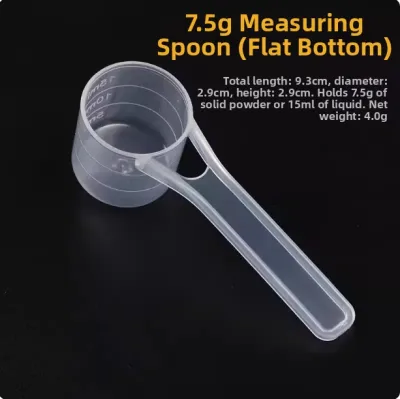
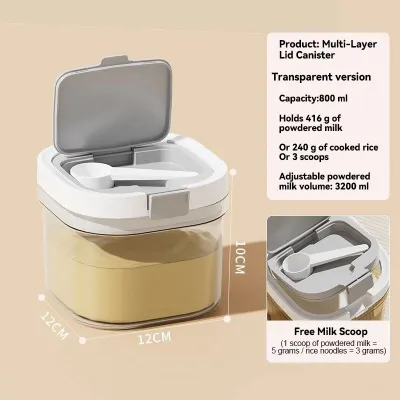
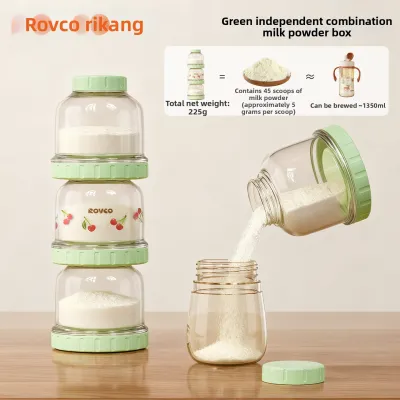
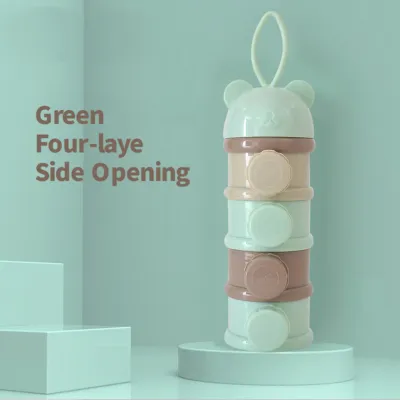
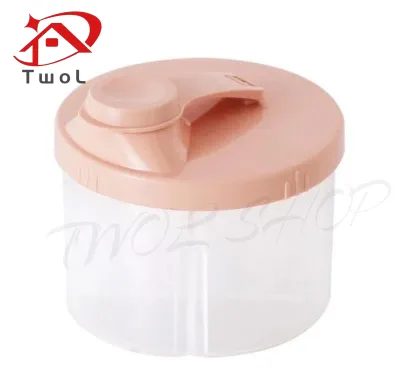
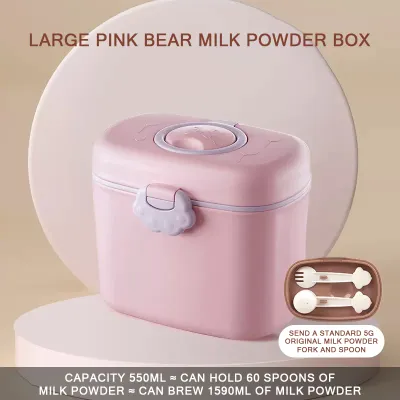
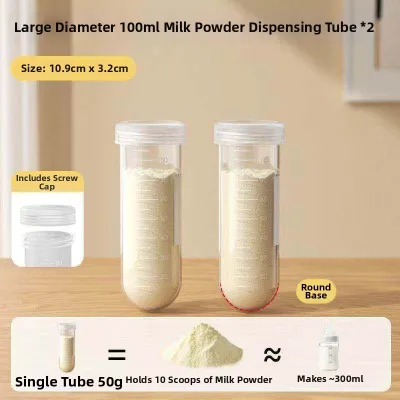
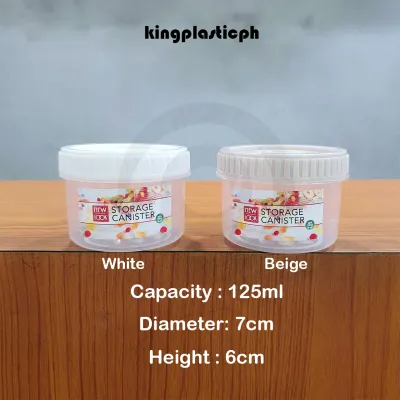
Prices are valid at publication and may change. Please refer to the product page for the latest price.
Airtight Seals and Moisture Protection for Humid Climates
In tropical environments like the Philippines, high humidity levels pose a constant threat to dry powdered formula. When milk powder is exposed to moist air, it rapidly absorbs water vapor, leading to clumping, localized spoilage, and difficulty in measuring accurate portions.

A compromised seal not only ruins expensive formula but also creates a breeding ground for bacteria if the powder remains damp for extended periods. Therefore, prioritizing a container with a robust, airtight sealing mechanism is the single most important step in protecting your baby’s food.
When evaluating containers, look closely at the lid construction and avoid simple friction-fit lids that can easily pop off when jostled. Instead, opt for designs featuring integrated silicone sealing rings, heavy-duty snap-lock clips on multiple sides, or deep, threaded screw-tops that create a physical barrier against external air.
Before purchasing, perform a quick tactile check: press down on the lid to feel if there is any play or gap, and inspect the silicone gasket to ensure it is thick, pliable, and seated deeply within its groove. A high-quality seal should require a deliberate, firm action to open, ensuring it will not accidentally release inside a crowded bag.
Before filling your container, always verify that every compartment and seal is completely dry. Even a single drop of trapped water from a previous wash can ruin an entire batch of powder, so allow all components to air-dry thoroughly in a well-ventilated space before assembly.
Finally, remember that a secure seal serves a double purpose by containing fine powder particles. Without a reliable barrier, the constant movement of travel can cause fine milk dust to escape, coating your diaper bag’s interior and creating an inconvenient cleanup task.
Portion Compartments: Matching Capacity to Your Outing
Selecting the right compartment configuration depends heavily on your daily routine, your baby’s age, and the typical duration of your trips. Different designs cater to different travel styles, ranging from quick afternoon strolls to multi-day family visits.
Single-compartment stackable containers are highly versatile and work exceptionally well for short outings or single-feed trips. These models allow you to pack only what you need, reducing excess bulk in your bag when you are only heading out for a couple of hours.
For full-day excursions or overnight travel, multi-tier stackable dispensers or divided multi-grid containers are far more practical. Multi-tier models allow you to screw individual pods together, while multi-grid designs feature a single container divided internally into three or four fixed sections.
When choosing a container, always cross-reference the volume capacity of each compartment with your baby’s current feeding requirements. Ensure that a single compartment can comfortably hold the exact number of scoops needed for one full bottle without overfilling, as packing the powder too tightly can interfere with the lid’s seal.
It is vital to choose a design that utilizes independent seals for each individual compartment or tier. If a container relies on a single shared lid that exposes all sections at once, opening it to prepare one bottle will repeatedly expose the remaining portions to ambient humidity and airborne contaminants.
Additionally, consider your baby’s growth and changing appetite; a container that holds only small portions may become obsolete as your baby transitions to larger feeds. Choosing a model with slightly larger individual capacities ensures long-term utility throughout your formula-feeding journey.
Portability and Diaper Bag-Friendly Dimensions
The physical dimensions and shape of your milk powder container directly influence how easily you can pack, organize, and access your baby gear. Because diaper bags quickly fill up with diapers, wipes, change mats, and spare clothes, space efficiency is a primary concern.
Cylindrical, vertical stackable designs are highly popular because they mimic the shape of standard baby bottles. This streamlined profile allows them to slide effortlessly into insulated bottle pockets, side mesh sleeves, or standard cup holders, keeping them upright and easily accessible.
In contrast, flat, rectangular, or square multi-grid containers stack neatly at the bottom or along the flat sides of a diaper bag. While they may not fit into specialized bottle pockets, they are highly stable and less likely to tip over when placed on flat surfaces during a feed.
When deciding between these shapes, consider the layout of your primary diaper bag and how you prefer to organize your items. If your bag features numerous narrow, vertical pockets, a slim cylindrical stacker is often the most space-efficient choice.
Weight is another critical factor to keep in mind, especially if you plan to carry your diaper bag for hours while walking through shopping centers or parks. Opt for lightweight designs that do not add unnecessary bulk, allowing you to prioritize carrying essential water and formula without straining your shoulders.
Be mindful of the trade-off between carrying capacity and overall size; while it may be tempting to buy the largest container available, a massive dispenser can quickly become a cumbersome burden if you rarely take trips longer than a few hours.
Mess-Free Dispensing for Outdoor Use
Preparing a bottle in a public space, a breezy park, or a moving vehicle requires a container that facilitates precise, controlled pouring. Spilling formula powder not only wastes money but also alters the water-to-powder ratio if you lose a portion of a pre-measured scoop.
Standard wide-mouth containers can make pouring difficult, as the powder tends to rush out quickly and spill over the narrow rim of a baby bottle. To prevent this, look for containers equipped with built-in funnel-shaped pouring spouts or tapered lids that direct the powder in a clean, narrow stream.
Some advanced models feature rotating lids with a single dispensing opening that aligns over one compartment at a time, allowing you to pour out one portion while keeping the other sections securely covered. This design minimizes the risk of accidental double-pouring or cross-compartment spills.
Consider how easy the container is to operate when your hands are full or when you are holding a restless baby. Mechanisms that require complex, two-handed twisting or stiff, stubborn latches can be incredibly frustrating to manage in high-pressure situations.
Instead, look for secure yet user-friendly designs, such as flip-top caps that snap open with a simple thumb press or smooth-threading lids that unscrew without requiring excessive force. Testing the opening mechanism beforehand ensures you can prepare a bottle quickly and calmly when your baby is hungry.
Additionally, check the interior finish of the container; a smooth, anti-static inner surface prevents fine powder from sticking to the walls, ensuring that the entire pre-measured portion actually transfers into the bottle rather than leaving a thick residue behind.
Material Safety, Durability, and Cleaning on the Go
The safety and durability of the materials used in your milk powder container are paramount, as these surfaces come into direct contact with your baby’s food. Since travel gear is prone to drops, bumps, and frequent sterilization, the material must be resilient.
Lightweight, shatterproof, food-grade plastics like Polypropylene (PP) or Tritan are highly recommended for travel containers. While glass and ceramic are excellent options for home storage, they are heavy, fragile, and pose a severe safety hazard if they break inside your diaper bag or on a hard outdoor floor.
Before making a purchase, always verify that the product is explicitly labeled as BPA-free, phthalate-free, and non-toxic. Check the manufacturer’s packaging or official product documentation to confirm these details, as safety standards and material compositions can vary widely between brands.
Pay close attention to the manufacturer’s specified temperature tolerance limits for washing and sterilization. Some plastics can warp, degrade, or release microplastics if exposed to extreme heat, so it is crucial to understand what cleaning methods are officially supported by the brand.
When cleaning your container while traveling, ensure that all components are fully detachable, including any removable silicone gaskets or internal dividers. Containers with fixed parts or deep, unreachable crevices can trap old powder and moisture, leading to mold growth and bacterial contamination over time.
If you need to sterilize the container while away from home, strictly follow the manufacturer’s guidelines. If the material is certified as heat-safe, you can submerge the disassembled parts in freshly boiled water in a clean basin, or use portable, travel-friendly steam sterilizers, ensuring all parts are completely cool and dry before your next use.
Frequently Asked Questions (FAQ)
Can I use a regular food storage container for milk powder on the go?
While generic kitchen storage containers can hold milk powder, they are generally not designed for the specific challenges of on-the-go infant feeding. These standard household containers typically lack specialized features like funnel-shaped pouring spouts, which are essential for directing powder cleanly into narrow baby bottles without spilling.
Furthermore, generic containers do not offer pre-divided portion compartments, forcing you to carry a separate scoop and measure out the powder while outdoors, which is highly impractical and unhygienic. Investing in a dedicated milk powder dispenser ensures a faster, cleaner, and more accurate feeding process during travel.
How do I sterilize a plastic milk powder dispenser while traveling?
To sterilize your dispenser safely while away from home, always start by consulting the manufacturer’s care instructions to verify the plastic’s maximum heat tolerance. If the container is certified as heat-resistant, you can disassemble all parts and pour freshly boiled water over them in a clean, dedicated bowl, letting them sit for the manufacturer-recommended duration.
If the manufacturer advises against heat sterilization, or if you lack access to boiling water, you can wash the disassembled parts thoroughly with warm, soapy water using a clean bottle brush. Alternatively, use baby-safe sterilizing tablets dissolved in cold water, or food-grade sanitizing wipes designed specifically for baby accessories, ensuring everything air-dries completely before refilling.

Community discussion
Share your experience or ask a question. Comments are reviewed before publication.