
When weaning your baby, transitioning to formula or stored milk requires careful preparation, especially when managing milk powder. The ideal milk powder storage container must prioritize certified food-grade material safety, a highly reliable airtight seal to combat tropical humidity, and practical portion-control features that simplify feeding routines. In a warm, humid climate like the Philippines, milk powder is highly susceptible to moisture absorption, which leads to clumping, nutrient degradation, and bacterial growth. Selecting the right container is not just about convenience; it is a crucial step in safeguarding your baby’s developing digestive system during this transitional milestone.
As you navigate this transition, you will find a wide array of storage options on online marketplaces and in local baby boutiques. Understanding which features are essential and which are merely decorative will help you make an informed decision. By focusing on verifiable material standards, robust sealing mechanisms, and ergonomic dispensing designs, you can ensure that every bottle you prepare is safe, dry, and accurately measured.
Material Safety and Hygiene Standards
The safety of any infant feeding accessory begins with its material composition. Because milk powder contains fats and proteins that can interact with low-quality plastics, you must verify that any container you choose is explicitly labeled as BPA-free and BPS-free. Bisphenol A (BPA) and Bisphenol S (BPS) are chemical compounds used in some plastics that can mimic hormones and pose health risks to developing infants. When browsing products, look for certified food-grade designations, such as PP (polypropylene), PPSU (polyphenylsulfone), or Tritan, which are widely recognized for their durability and chemical stability under normal use conditions.
Products mentioned in this guide
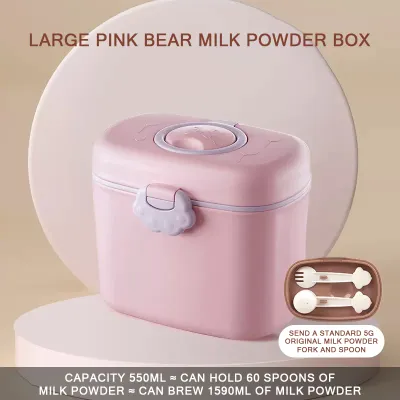
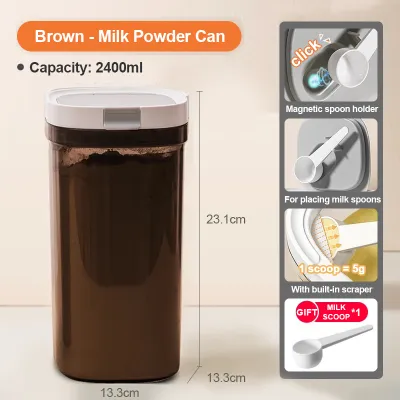
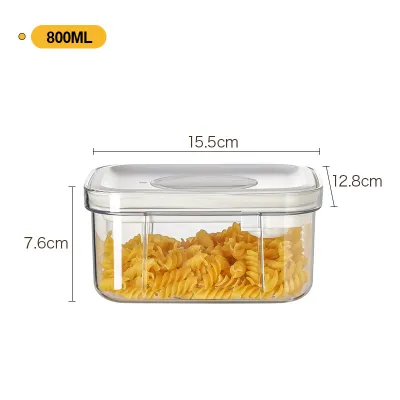
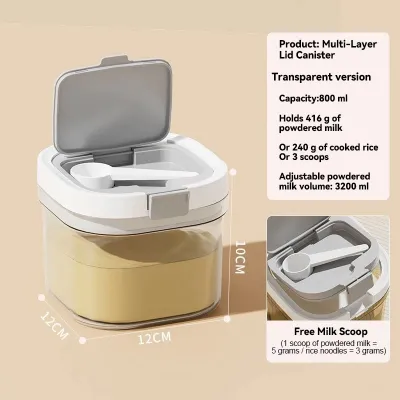
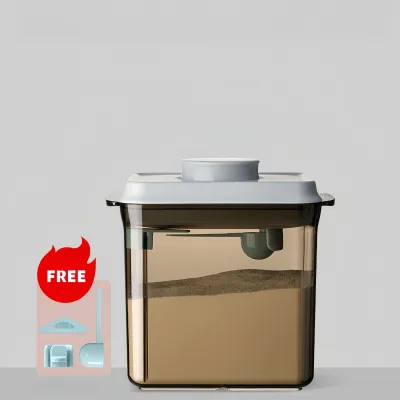
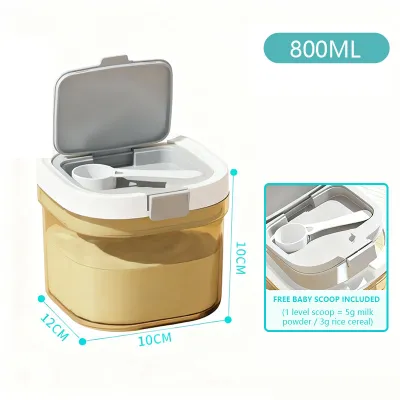
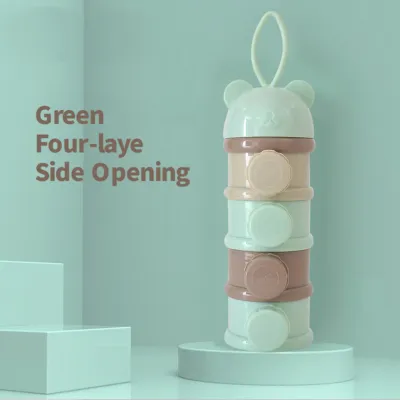
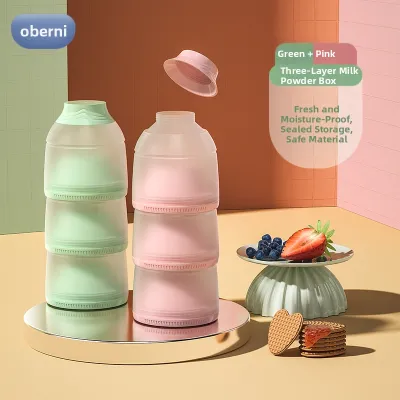
Prices are valid at publication and may change. Please refer to the product page for the latest price.
Each material option presents distinct practical trade-offs for daily caregiving. Food-grade plastics like PP are lightweight, highly impact-resistant, and generally affordable, making them excellent for travel and quick handling. However, they can scratch over time if cleaned with abrasive tools. Glass containers offer a completely non-porous, scratch-resistant surface that does not retain odors or stains, but they are heavy and prone to breaking if dropped on hard kitchen tiles. Stainless steel is incredibly durable, lightproof, and shatterproof, but it lacks transparency, meaning you cannot easily check the remaining powder level without opening the lid and exposing the contents to ambient air.
Before purchasing, always verify the manufacturer’s specified temperature limits on the product packaging or official user manual. This step is vital because sterilization methods—such as boiling water, steam sterilizers, or ultraviolet (UV) cabinets—subject materials to intense heat or radiation. Some high-quality plastics like PPSU can withstand temperatures up to 180°C, making them highly compatible with steam and boiling. In contrast, standard PP or certain silicone components may deform or degrade if exposed to temperatures beyond 100°C. Always match your home sterilization equipment with the container’s certified thermal limits to prevent chemical leaching or physical warping.
Airtight Seals and Moisture Protection
In tropical environments, humidity is the primary enemy of stored milk powder. Powdered formula is highly hygroscopic, meaning it readily absorbs moisture from the surrounding air. When moisture enters the container, it causes the powder to clump, making accurate scoop measurements nearly impossible and creating a breeding ground for harmful bacteria. A truly airtight seal is non-negotiable to preserve the nutritional integrity of the formula and prevent premature spoilage.

To evaluate a container’s sealing capability, inspect the physical design of the lid and its sealing ring. High-quality containers utilize a thick, food-grade silicone ring that fits snugly within a dedicated groove in the lid. This ring must compress evenly against the container’s rim when closed. Look for secure closure mechanisms such as multi-sided snap-locks, screw-top lids with deep threads, or one-touch button mechanisms that mechanically expand the silicone ring inside the container walls. Avoid simple slip-on lids that rely solely on friction, as these can easily loosen inside a diaper bag or lose their grip after repeated washings.
You can perform simple, risk-free tests at home to verify a container’s airtight and leak-proof performance before filling it with expensive milk powder. First, fill the empty container with water, secure the lid tightly, and turn it upside down over a sink for several minutes. If any water droplets escape past the silicone ring, the seal is insufficient for moisture protection. Alternatively, perform an air compression check: press down firmly on the closed lid of an empty container; if you hear air hissing out or if the lid yields easily without resistance, ambient humidity will likely penetrate the container over time.
Portion Control and Dispensing Features
Your choice of container size and dispensing design should directly align with your daily weaning routine and lifestyle. If you travel frequently, run errands, or send your baby to a daycare center, a multi-compartment dispenser is highly practical. These compact, portable containers typically feature three to four pre-measured sections with a rotating, narrow-spout lid, allowing you to pour pre-portioned powder directly into a baby bottle without spills. For primary home use, a large, single-canister container with a capacity of 500 grams to 1 kilogram is more efficient, reducing the frequency of refills and keeping your main formula supply organized.
Accurate measurement is critical during weaning to ensure your baby receives the correct concentration of nutrients. Look for containers that incorporate built-in leveling edges or scraper bars. These integrated plastic tabs allow you to level off each scoop of powder with one hand, eliminating the need to use a separate knife or spatula, which introduces contamination risks. Additionally, containers with dedicated scoop hangers or magnetic lid mounts keep the measuring scoop suspended above the powder. This prevents your fingers from contacting the formula directly, maintaining strict hygiene during preparation. Clear, molded volume markings on the container wall are also beneficial, allowing you to monitor your remaining supply at a glance.
Finally, consider the physical dimensions of the container in relation to your daily gear and storage spaces. A portable dispenser must fit comfortably into the insulated side pockets of your standard diaper bag without forcing the zipper. For home canisters, measure your kitchen cabinet heights or countertop shelves to ensure the container can be stored upright and within easy reach of your bottle preparation station. Ergonomic shapes, such as contoured grips or textured surfaces, are highly recommended to prevent accidental slips when your hands are wet during busy feeding times.
How to Build Your Shortlist: A Feature Checklist
When shopping on online marketplaces or visiting local baby boutiques, it is easy to be overwhelmed by aesthetic designs and marketing claims. To make a rational decision, you should establish a clear distinction between non-negotiable baseline requirements and optional convenience features. Baseline requirements focus entirely on safety, hygiene, and seal integrity, while convenience features address ease of use and aesthetic preferences.
To help you evaluate potential purchases systematically, use the following structured checklist to cross-reference product claims with verifiable specifications:
| Feature Category | Non-Negotiable Baseline Requirements | Optional Convenience Features |
|---|---|---|
| Material Safety | BPA-free, BPS-free, food-grade certified (PP, PPSU, Tritan, or glass) | Tinted or UV-blocking walls to protect nutrients from light |
| Sealing Mechanism | Thick silicone gasket with mechanical lock (snap, screw, or button) | One-handed push-button opening mechanism |
| Hygiene Design | Fully detachable parts for thorough washing; high heat tolerance | Integrated scoop hanger or magnetic lid mount |
| Dispensing Aid | Built-in leveling edge or scraper bar | Modular stacking design for space-saving storage |
When reviewing product listings, be vigilant for red flags that indicate substandard quality. Vague descriptions such as “eco-friendly plastic” or “premium material” without specifying the exact plastic grade (like PP or Tritan) are major warning signs. Reliable manufacturers will clearly state the material composition and provide specific temperature limits for washing and sterilization. Furthermore, be cautious of products that claim to be “100% airtight” but feature simple slip-on lids without a silicone gasket or locking mechanism. If a seller cannot provide clear instructions or safety certifications upon request, it is best to remove that product from your shortlist and choose a transparent, well-documented alternative.
Cleaning, Maintenance, and When to Replace
Proper maintenance of your milk powder storage container is essential to prevent bacterial contamination and extend the product’s lifespan. When washing plastic containers, always use a soft silicone brush or a non-abrasive sponge paired with mild, baby-safe dishwashing liquid. Avoid using steel wool, stiff-bristled brushes, or abrasive scouring pads. These harsh tools create microscopic scratches on the inner walls of plastic containers. Over time, these tiny crevices harbor milk residue and moisture, creating an ideal environment for bacteria to multiply, which cannot be easily cleaned or sterilized.
After washing, thorough drying is critical before refilling the container with new powder. Even a single drop of residual water can cause the milk powder to clump, spoil, and mold rapidly. Place all disassembled parts—including the lid, silicone ring, and scraper bar—upside down on a clean, dry bottle rack in a well-ventilated area away from direct sunlight. Avoid using kitchen towels to dry the interior, as towels can transfer lint, dust, or bacteria back onto the sanitized surfaces. Allow the components to air-dry completely before reassembling.
Regularly inspect your storage containers for signs of wear and tear. Over months of repeated use and washing, plastic containers may become cloudy, discolored, or develop persistent odors that do not disappear after thorough cleaning. Silicone gaskets can stretch, crack, or become sticky, compromising the airtight seal. If you observe any of these visual or tactile changes, or if you feel the lid no longer locks securely, it is time to replace the container. For plastic items, a general guideline is to replace them every six to twelve months, or immediately if you notice deep scratches or structural damage.
Frequently Asked Questions (FAQ)
Can I use regular food storage containers for milk powder?
While regular kitchen containers may look similar, they are often not designed to meet the strict moisture-barrier and material safety standards required for infant nutrition. General-use containers may contain trace amounts of BPA or other chemical additives that are unsafe for babies. Furthermore, using a container that previously held adult food introduces a high risk of cross-contamination and odor transfer. Even after thorough washing, strong food odors or microscopic oil residues can cling to plastic, which can alter the taste of the milk powder and cause your weaning baby to reject the bottle.
How often should I sterilize the milk powder container?
For a weaning baby, who is typically six months or older, routine washing with warm, soapy water and thorough air-drying is generally sufficient for daily maintenance, provided the container is kept clean and dry. However, you should perform a full sterilization before using a brand-new container for the first time. If your baby has a compromised immune system or if you are storing milk powder in highly humid conditions, weekly sterilization is a safe practice. Always verify the manufacturer’s heat tolerance guidelines first, as some lids with mechanical spring buttons or delicate silicone parts should never be boiled or placed in high-heat steam sterilizers.
Is glass or plastic better for storing formula?
The choice between glass and plastic depends on your lifestyle priorities and how you plan to use the container. Glass is completely non-porous, highly scratch-resistant, and chemically inert, meaning it will never leach chemicals, stain, or absorb odors over time. This makes it an excellent, long-lasting choice for home storage. However, glass is heavy and fragile, posing a safety risk if dropped. Plastic, specifically high-grade options like PPSU or Tritan, is lightweight, shatterproof, and highly convenient for travel or quick one-handed use. If you choose plastic, you must be diligent in verifying that it is certified BPA-free and wash it gently to prevent scratches.

Community discussion
Share your experience or ask a question. Comments are reviewed before publication.