
Weaning is a major milestone that shifts how you feed your baby, bringing a transition from exclusive bottle-feeding to a diverse world of solid foods and cup drinking. As your baby begins to explore purees, cereals, and finger foods, their formula intake naturally changes in both frequency and volume. This developmental shift directly impacts how you manage, measure, and transport milk powder. Instead of preparing multiple large bottles for a day out, you suddenly find yourself needing to store smaller, precise formula portions alongside dry snacks, cereals, and finger foods.
Finding the right milk powder storage container during this transitional phase requires looking beyond basic storage. The ideal container must adapt to your changing daily routine, protect the powder from environmental elements, and offer the versatility to hold solid snacks as your child grows. By focusing on specific design features, material safety, and ease of maintenance, you can select a container that simplifies meal preparation and supports your baby’s weaning journey.
How Weaning Changes Your Formula Storage Needs
During the initial months of infancy, formula storage is relatively straightforward, often revolving around large countertop tins and standard multi-dose dispensers. However, as weaning begins—typically around six months of age—your baby’s feeding patterns become more varied. Formula is no longer the sole source of nutrition; it gradually becomes a supplement to solid meals. This means you will often prepare smaller top-up feeds throughout the day rather than large, full-sized bottles, requiring a storage system that accommodates smaller, pre-measured portions.
Products mentioned in this guide
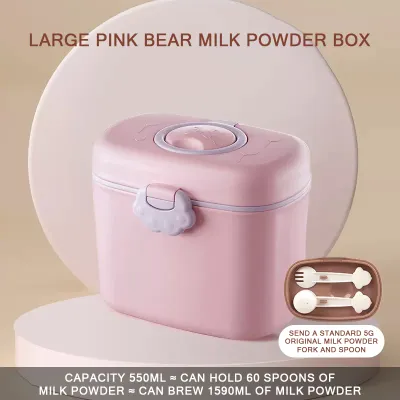
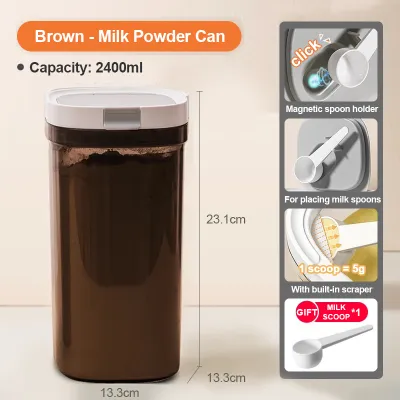
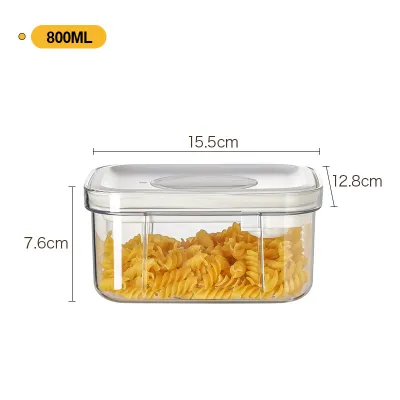
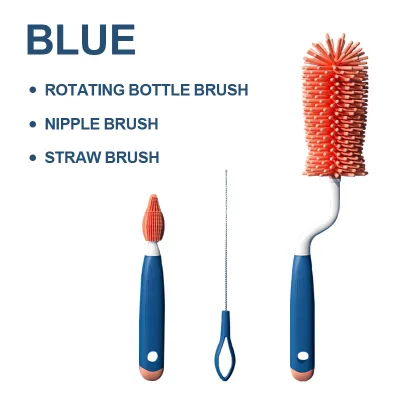
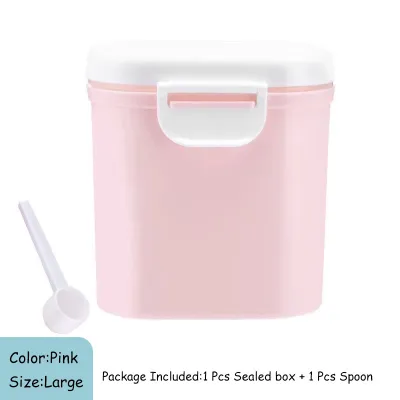
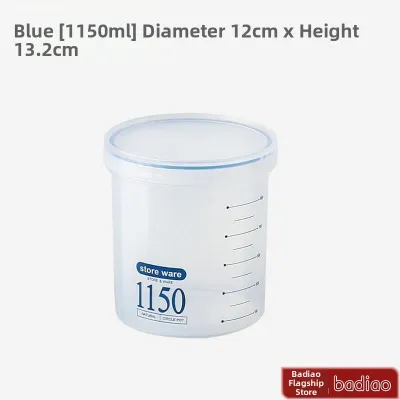
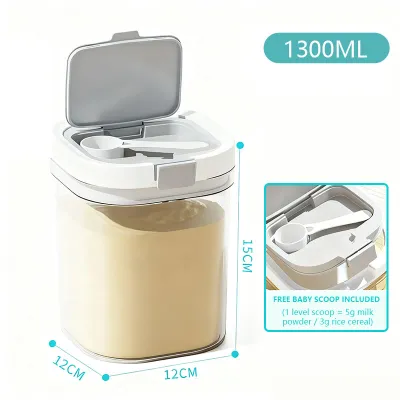
Prices are valid at publication and may change. Please refer to the product page for the latest price.
This transitional phase also introduces the need for dual-purpose storage. On a typical afternoon outing, you might need to pack one portion of milk powder for a midday feed, a small serving of baby rice cereal, and a handful of puff snacks. Carrying separate, bulky containers for each item quickly clutter your diaper bag. A versatile storage container allows you to keep these dry ingredients organized and separated in a single, compact unit, streamlining your travel gear.
Furthermore, as babies enter the weaning stage, they become significantly more active, curious, and mobile. Whether they are crawling, pulling themselves up, or sitting in a high chair, they are constantly moving, and so are you. This increased mobility means your diaper bag is subjected to more movement, bumps, and accidental drops. Standard containers with loose lids are no longer sufficient; you need robust, spill-resistant storage that can withstand being tossed into a bag or dropped on the floor without spilling precious formula or scattering snacks.
Must-Have Features for Weaning-Stage Containers
When evaluating containers for this active developmental phase, several critical features dictate how well the product will perform in your daily routine. Prioritizing these elements ensures your milk powder remains safe, dry, and easy to dispense.

Airtight Seals
In tropical climates where humidity levels are consistently high, protecting dry milk powder from moisture is a constant challenge. Milk powder is highly hygroscopic, meaning it readily absorbs moisture from the surrounding air. When exposed to humid air, the powder quickly clumps, loses its free-flowing consistency, and becomes difficult to measure accurately. More importantly, moisture ingress creates an environment where bacteria and mold can thrive.
To combat this, look for containers equipped with high-quality silicone gaskets and secure locking mechanisms. A true airtight seal prevents humid air from entering the container, keeping the powder dry and fresh for longer periods. Some advanced designs feature vacuum-seal buttons that actively expel excess air, providing an extra layer of protection against tropical humidity and keeping pests like ants away from the sweet powder.
Portion Dividers and Stackability
As your baby’s formula intake decreases and solid food intake increases, your portioning needs will fluctuate. A modular, stackable container system offers the flexibility required for this shifting schedule. These systems typically consist of individual compartments that screw into one another, allowing you to customize the size of the container based on your daily plans.
For a short trip to the grocery store, you might only need to stack a single compartment containing a small formula portion. For a full day at daycare or a family gathering, you can stack three or four compartments to hold formula, dry cereal, and teething biscuits. This modularity prevents you from carrying unnecessary bulk while ensuring each portion remains completely isolated and sanitary.
Material Safety
Safety is paramount when choosing any product that comes into contact with your baby’s food. During the weaning stage, containers are often subjected to frequent washing, sterilization, and sometimes even mild heating. Therefore, verifying the safety of the materials used is a critical step before purchase.
Ensure the container is made from high-quality, food-grade plastics that are explicitly labeled as free from Bisphenol A (BPA), Bisphenol S (BPS), and phthalates. If you plan to transition the container to storing warm purees or heating snacks later on, look for materials like high-grade silicone or durable borosilicate glass, which offer excellent thermal resistance and do not leach chemicals when exposed to heat.
Ease of Cleaning
Milk powder contains fats and proteins that can easily stick to corners, crevices, and seals. If these residues are not thoroughly cleaned, they can quickly spoil, emit unpleasant odors, and harbor harmful bacteria. In warm, humid environments, this bacterial growth can happen rapidly.
To make daily maintenance manageable, choose containers with wide openings that allow your hand or a bottle brush to reach every internal surface easily. Avoid designs with sharp internal corners where powder can accumulate and resist rinsing. Additionally, ensure that all silicone seals and gaskets are fully removable, as moisture and milk residue frequently trap themselves underneath these rings, leading to hidden mold growth.
Matching Container Types to Your Weaning Routine
Different families follow different weaning paths, and the right container style depends heavily on your lifestyle, travel habits, and how you choose to introduce solids.
Stackable Portion Dispensers
Stackable portion dispensers are highly favored by parents who are frequently on the move or rely on external caregivers. These containers feature individual compartments that stack vertically, usually with a single dispensing funnel lid that fits onto whichever compartment is currently at the top. This design allows you to pour the pre-measured powder directly into a baby bottle or cup without spilling.
These dispensers are ideal for precise, single-serve formula portions or pre-measured dry baby cereals. Because each compartment is sealed from the next, there is zero risk of cross-contamination between different feeds. They fit neatly into the bottle pockets of most diaper bags, making them a highly space-efficient option for travel.
Multi-Compartment Snack Cups
As your baby transitions further into weaning and begins eating finger foods, multi-compartment snack cups become incredibly useful. These containers often feature a single tub divided into three or four fixed internal sections, covered by a rotating lid with a single opening. By rotating the lid, you can access one compartment at a time.
While these are excellent for older babies who enjoy a variety of dry snacks like puffs, raisins, and small crackers alongside a small formula top-up, they require careful handling. Because the internal dividers do not always form a perfect airtight seal against each other, fine powders like milk formula can sometimes migrate between compartments if the container is shaken vigorously. They are best suited for short outings where snacks and powder will be consumed quickly.
Large Airtight Canisters
For home use, relying on the original metal formula tin can sometimes expose the powder to humidity every time you open the lid. A large, dedicated airtight canister kept on your kitchen counter provides a more secure solution for bulk storage. These canisters often feature a one-touch button lid that creates an instant airtight seal, protecting the main supply of formula from kitchen moisture and pests.
Many of these home canisters are designed with built-in scoop hangers on the underside of the lid and integrated leveler bars. The scoop hanger keeps the scoop handle out of the powder, maintaining hygiene, while the leveler bar ensures you get an accurate, flat scoop every time you prepare a bottle. This setup is perfect for transferring a week’s worth of formula from a large bulk bag into a highly functional, easy-to-use home station.
Pre-Purchase Checklist and Safety Verification
Before purchasing a milk powder storage container, take the time to verify its specifications and design details to ensure it aligns with your existing baby gear and cleaning routine.
- Verify Material Certifications: Look closely at the packaging or manufacturer website to confirm the product is certified food-safe and free from BPA, BPS, and phthalates. Do not rely solely on generic product descriptions; look for official testing standards or certifications.
- Check Sterilization Limits: Review the product manual to understand how the container can be sanitized. Some plastics can withstand UV sterilizers but will warp in boiling water or steam sterilizers. Ensure the container's heat resistance matches your preferred sterilization method.
- Measure the Opening: Compare the width of the container's opening with the scoop that comes with your baby's formula brand. If the container opening is too narrow, scooping powder in or pouring it out will result in frequent spills and inaccurate measurements.
- Inspect the Seal and Latches: If buying in a physical store, test the latching mechanism. It should feel secure and require a deliberate action to open, ensuring it won't accidentally pop open inside a crowded diaper bag. If buying online, read user reviews specifically focusing on seal durability over time.
- Assess Replacement Parts: Check if the manufacturer sells replacement silicone gaskets. Over time, silicone can stretch, degrade, or become lost during washing. Being able to buy replacement seals can significantly extend the lifespan of an otherwise perfect container.
Frequently Asked Questions (FAQ)
Can I use the same container for formula and solid snacks?
Yes, you can use the same container for both formula and solid snacks, provided it is thoroughly washed and dried between uses. However, you must exercise caution regarding cross-contamination and moisture. If a compartment previously held oily or moist snacks, any remaining residue can cause milk powder to clump or spoil rapidly.
Always wash the container with warm, soapy water, rinse it completely, and allow it to air dry fully before refilling it with milk powder. Additionally, be aware that some plastics can absorb strong odors from certain foods, which might alter the taste of the milk powder and cause your baby to reject the feed. Sticking to dry, low-odor snacks like puffs or plain crackers in shared containers is generally recommended.
How often should I replace plastic milk powder containers?
Plastic milk powder containers should be inspected regularly and replaced at the first sign of wear and tear. Generally, if you notice micro-scratches on the inner surfaces, a cloudy appearance that does not wash away, or a lingering sour milk odor, it is time to replace the container.
Micro-scratches are particularly problematic because they create microscopic crevices where bacteria and milk proteins can hide, resisting standard washing and sterilization. Furthermore, if the silicone gaskets become loose, brittle, or discolored, they will no longer provide an airtight seal, compromising the safety of the stored powder. For daily-use plastic containers, a general guideline is to replace them every six to twelve months, or immediately if any structural damage is observed.
Community discussion
Share your experience or ask a question. Comments are reviewed before publication.