
Welcoming a newborn into your home brings a wave of excitement, along with the practical challenge of preparing a safe, comfortable, and functional nursery. In the Philippines, where tropical humidity and warm temperatures are constant factors, choosing the right nursery furniture requires careful planning. Essential pieces like a duyan (cradle), a dedicated changing table, and a supportive baby chair do more than just fill a room; they establish a structured environment that supports your baby’s early development while easing the physical demands of daily caregiving.
By focusing on versatile, high-quality furniture, you can create a nursery that adapts as your child grows. The key is to prioritize items that offer ergonomic support for parents, reliable safety features for the infant, and materials that withstand local climate conditions. Balancing traditional soothing methods with modern nursery furniture ensures your baby remains comfortable, cool, and secure during those crucial first months.
Assessing Your Nursery Space and Core Needs
Before purchasing any furniture, a thorough assessment of your nursery’s physical layout and environmental conditions is essential. Tropical climates demand excellent ventilation to prevent heat rash and ensure a comfortable sleeping environment for your newborn. When planning the room layout, identify the positions of windows, air conditioning units, and fans to ensure that air circulates freely without blowing directly onto the baby’s sleeping area.
Products mentioned in this guide
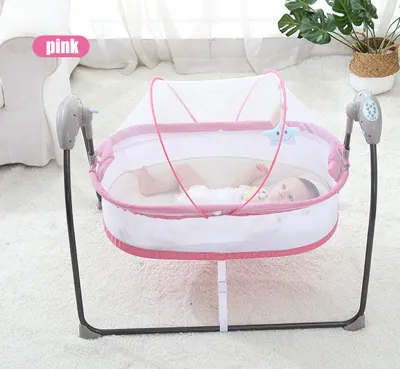
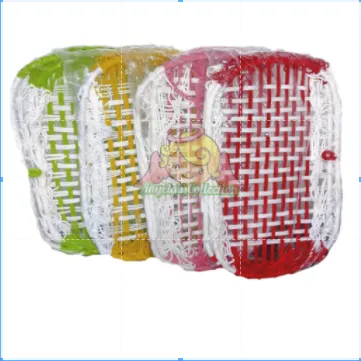

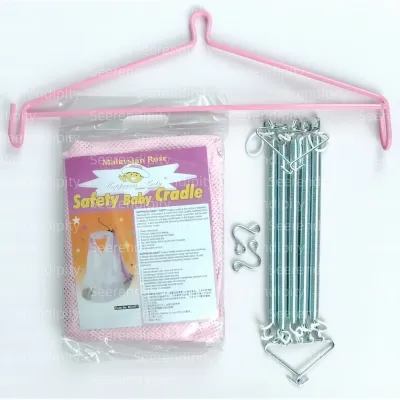
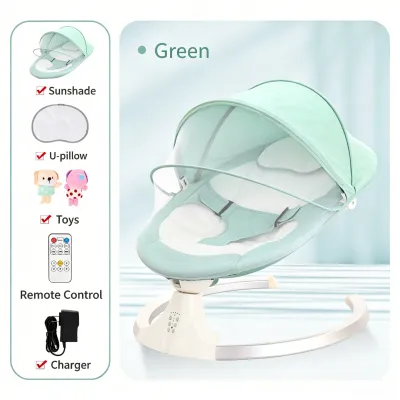
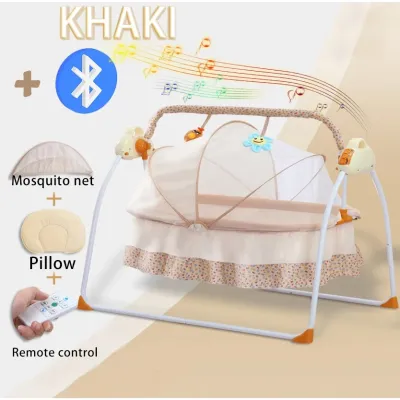
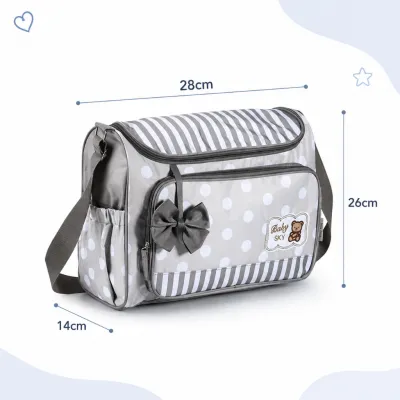
Prices are valid at publication and may change. Please refer to the product page for the latest price.
Moisture control is another critical factor in local homes, as high humidity can encourage the growth of mold and mildew on wooden or fabric surfaces. Positioning furniture slightly away from external walls allows for better airflow and simplifies regular cleaning and inspection. Additionally, mapping out the floor plan with precise measurements ensures you maintain clear pathways, which are vital for navigating the room safely during late-night feedings or diaper changes.
When integrating a traditional or modern duyan into the space, consider its footprint and motion range. A hanging cradle or a freestanding swing requires a dedicated clearance zone to prevent it from bumping into walls, shelves, or other furniture pieces. By designating specific zones for sleeping, changing, and feeding, you create an organized workflow that reduces clutter and minimizes the risk of accidental trips or falls in the dark.
Evaluating Changing Tables for Safety and Ergonomics
A dedicated changing table is often considered an optional luxury, but it quickly proves to be an essential ergonomic asset for parents. During the first few months, a newborn requires frequent diaper changes, which can translate to hours of bending over a bed or floor. This repetitive motion puts significant strain on a caregiver’s lower back and shoulders, making a waist-height changing station a highly practical investment.

When evaluating changing tables, safety must be your primary concern. Look for models featuring sturdy guardrails on all four sides, ideally measuring at least two inches high, to prevent the baby from rolling off the surface. A secure safety strap with a reliable buckle is another crucial feature, though it should never serve as a substitute for active parental supervision. Always keep one hand on your baby during changes, regardless of the safety features in place.
Material stability is equally important, especially in humid environments where wood can warp or joints can loosen over time. Inspect the table’s frame to ensure it does not wobble when gentle pressure is applied, and verify that all hardware is tightly secured. Opting for water-resistant, non-toxic finishes makes cleaning up inevitable spills and messes straightforward, preventing moisture from seeping into the wood and compromising its structural integrity.
Storage capacity is another feature that elevates a changing table’s utility. Models equipped with open shelves, drawers, or integrated cubbies allow you to keep diapers, wipes, clothing, and skin care products within arm’s reach. This design ensures you never have to step away from the table or turn your back on your baby to retrieve supplies, significantly reducing the risk of falls.
Selecting Baby Chairs and Rockers for Soothing and Feeding
Soothing a fussy newborn is one of the most frequent tasks parents face, and having the right baby chair or rocker can make a substantial difference. Traditional duyan cradles and modern infant swings or bouncers utilize rhythmic motion to mimic the gentle swaying your baby experienced in the womb. This motion helps calm the infant’s nervous system, making it easier for them to transition into a relaxed state.
When selecting a baby chair, bouncer, or rocker, prioritize models that offer proper ergonomic support for a newborn’s developing spine and neck. Infants do not have the muscle control to support their heads, so a chair with a supportive, reclined seat and a secure three- or five-point harness is essential. Ensure the fabric is breathable and machine-washable, allowing you to maintain a hygienic environment despite the tropical heat and frequent spit-ups.
It is vital to understand the safety boundaries associated with these soothing devices. While a rocker or swing is excellent for supervised awake time or calming a restless baby, it is not designed for unsupervised sleep. The American Academy of Pediatrics emphasizes that babies should always sleep on a firm, flat surface to reduce the risk of sudden infant death syndrome (SIDS). If your baby falls asleep in a rocker or duyan, gently transfer them to their crib or bassinet as soon as possible.
Caregiver comfort should also guide your selection of seating in the nursery. A comfortable rocking chair or glider for parents is invaluable during long feeding sessions, whether breastfeeding or bottle-feeding. Look for a chair with supportive armrests to reduce strain on your shoulders, and ensure the seat height allows you to stand up easily while holding your sleeping newborn.
Weighing Nursery Furniture Sets Against Individual Pieces
Deciding between purchasing a complete nursery furniture set or selecting individual pieces depends on your budget, space constraints, and long-term plans. Furniture sets typically include a crib, a changing table, and a dresser, offering a cohesive aesthetic that instantly makes the nursery feel organized and styled. Buying a set can also simplify the shopping process, saving you the time and effort required to match wood finishes and designs from different manufacturers.
However, individual pieces offer greater flexibility, which is particularly beneficial if you are working with a smaller room or an unconventional layout. Purchasing items separately allows you to prioritize your budget toward the most critical pieces, such as a high-quality crib or an ergonomic changing table, while opting for simpler, more affordable storage solutions. This approach also makes it easier to adapt the room as your child grows, replacing infant-specific items with toddler-friendly furniture without disrupting a matching set.
When weighing these options, consider the longevity of the furniture. Some nursery sets feature convertible cribs that transition into toddler beds or full-sized daybeds, providing excellent long-term value. If you choose to mix and match individual pieces, focus on neutral colors and classic designs that can easily blend with future decor changes as your child transitions from infancy to early childhood.
Navigating Newborn Furniture Sales and Promotions
Finding high-quality nursery furniture within a reasonable budget is a priority for many growing families. Searching for a duyan baby new born sale on online marketplaces can yield practical options, but it requires a cautious and systematic approach to ensure you do not compromise on safety or quality. Promotional events and seasonal clearance sales are ideal times to purchase larger items, provided you verify the credentials of the sellers and the specifications of the products.
When shopping during online sales, always read customer reviews carefully, paying close attention to feedback regarding assembly difficulty, material durability, and shipping damage. Verify that the seller is an authorized distributor of the brand to ensure you receive genuine products and are covered by the manufacturer’s warranty. Be skeptical of deals that seem unusually cheap, as substandard materials or poor construction can pose serious safety hazards to your newborn.
Before finalizing any purchase during a sale, double-check the dimensions of the furniture against your measured nursery space. Return shipping for bulky furniture items can be expensive and logistically challenging, so ensuring a proper fit beforehand is crucial. Additionally, look for promotions that offer bundled shipping or professional assembly services, which can save you significant time and physical effort during the busy weeks leading up to your baby’s arrival.
Frequently Asked Questions (FAQ)
How do I clean and maintain wooden nursery furniture?
Maintaining wooden nursery furniture in a tropical climate requires regular care to prevent dust accumulation and mold growth. Wipe down all wooden surfaces weekly using a soft, slightly damp microfiber cloth to remove dust and sweat residues. Avoid using harsh chemical cleaners, aerosol polishes, or abrasive scrubs, as these can damage the protective finish and leave behind chemical residues that are unsafe for your baby.
To combat high humidity, ensure the nursery is well-ventilated and use a dehumidifier if necessary to keep moisture levels in check. If you notice any spills or spit-up on the furniture, clean them immediately to prevent the liquid from penetrating the wood grain. Periodically inspect all joints, screws, and bolts to ensure they remain tight and secure, as natural wood can expand and contract slightly with temperature fluctuations.
When should I transition my baby out of a newborn-specific chair?
Transitioning your baby out of a newborn-specific chair, rocker, or traditional duyan depends on their physical development and the manufacturer’s guidelines. Most infant soothing chairs are designed for babies up to a certain weight limit, which typically ranges from 15 to 25 pounds, though you must verify the exact specifications for your specific model.
Developmental milestones are often more critical than weight limits when determining when to stop using a newborn chair. Once your baby begins to roll over, push up on their hands and knees, or sit up unassisted, they must be transitioned out of these inclined seats. Continuing to use a newborn chair past these milestones increases the risk of the chair tipping over or the baby climbing out, posing a significant fall hazard.

Community discussion
Share your experience or ask a question. Comments are reviewed before publication.