
Preparing a bottle for your baby while away from home can quickly turn into a stressful ordeal, especially when you are navigating crowded public spaces, transit hubs, or outdoor spots. In the tropical climate of the Philippines, high humidity and sudden temperature shifts add extra challenges to keeping infant formula fresh, dry, and safe. A dedicated baby milk powder container is an essential tool that solves these travel pain points by keeping pre-measured portions secure, dry, and ready for immediate use.
Choosing the right container requires looking closely at material safety, sealing technology, and physical design. The ideal travel container must do more than simply hold powder; it must shield the formula from moisture, prevent accidental spills in a packed diaper bag, and allow you to dispense the powder quickly and accurately with one hand. By understanding which features matter most, you can ensure your baby’s milk remains uncontaminated and easy to prepare wherever your journey takes you.
Why Standard Storage Fails for On-the-Go Feeding
Many parents attempt to travel with the original metal formula tin or rely on generic plastic sandwich bags. While these methods seem convenient at home, they present significant risks during travel. Original formula tins are bulky, heavy, and prone to rusting along the seams when exposed to humid air. Opening a large tin repeatedly in public spaces also exposes the entire supply of powder to airborne contaminants, dust, and moisture, which can compromise the safety of the remaining formula.
Products mentioned in this guide
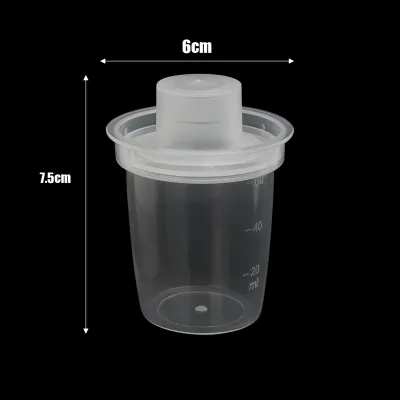
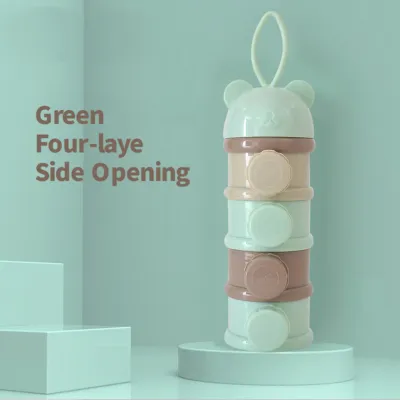
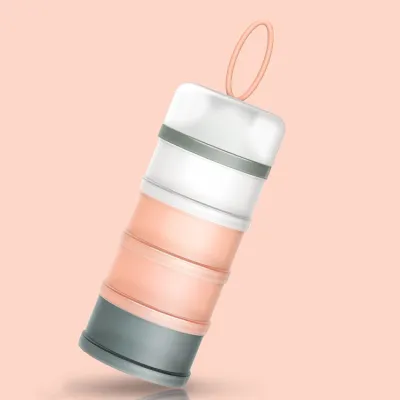
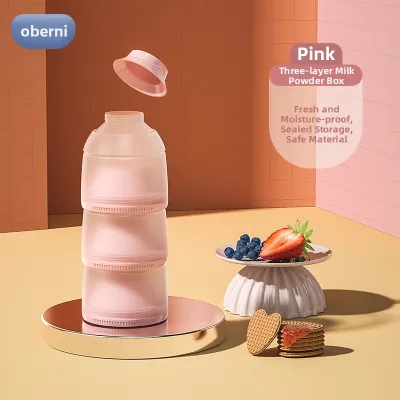
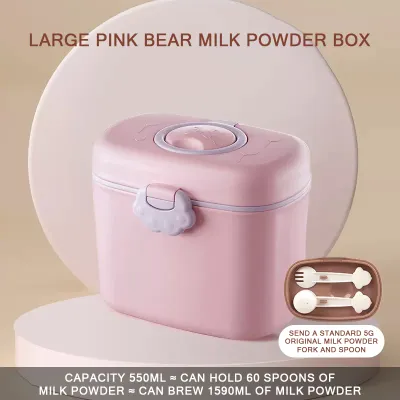
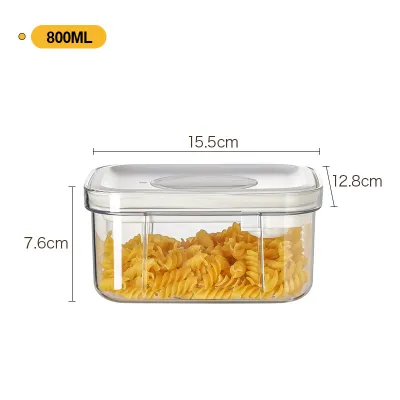
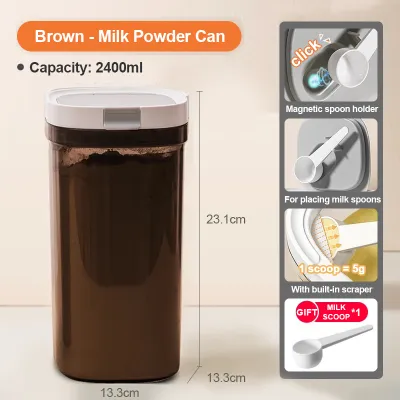
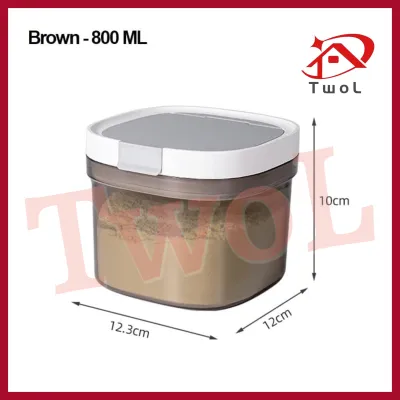
Prices are valid at publication and may change. Please refer to the product page for the latest price.
Generic plastic bags are even more problematic for travel. They tear easily under the pressure of shifting items inside a diaper bag, leading to messy spills that ruin your gear. Additionally, static electricity inside thin plastic bags causes formula powder to cling to the sides, making it nearly impossible to retrieve the full amount. This cling leads to inaccurate portioning, which can affect your baby’s nutrition and digestion.
In the Philippines, the ambient humidity often exceeds 80 percent, creating a harsh environment for dry milk powder. When humid air enters a poorly sealed container, the powder quickly absorbs moisture, leading to hard clumps. This clumping not only makes accurate scooping impossible but also creates localized damp spots where harmful bacteria can rapidly multiply.
When a baby is hungry and crying in a busy shopping mall, airport, or roadside stop, parents need a solution that allows for rapid, mess-free preparation. Fumbling with scoops, trying to level powder on an uneven surface, and struggling to pour from a wide-mouthed bag into a narrow bottle neck can lead to significant waste. Dedicated travel containers are engineered specifically to eliminate these steps, allowing you to feed your baby safely and calmly.
Essential Features for Safe and Dry Formula Storage
To protect the nutritional quality and safety of your infant formula, the container you choose must feature robust physical barriers against the elements. The following structural elements are critical for keeping formula dry and safe inside your diaper bag.

Airtight Sealing and Moisture Protection
The primary defense against tropical humidity is a high-quality airtight seal. Look for containers equipped with thick, food-grade silicone sealing rings embedded in the lid. These gaskets create a physical barrier that blocks humid air and moisture from entering the storage compartments. Additionally, look for secure, multi-point snap-lock lids or heavy-duty latches that apply consistent pressure across the entire seal, ensuring that the container remains completely airtight even when subjected to atmospheric pressure changes during flights or mountain drives.
Food-Grade and Durable Materials
Because the container directly holds your baby’s food, material safety is paramount. Ensure the product is explicitly labeled as BPA-free, BPS-free, and phthalate-free. High-quality travel containers are typically made from durable, food-grade polypropylene (PP) or premium materials like Tritan plastic. These materials can withstand the high temperatures required for sterilization without warping, cracking, or leaching chemicals. Always verify the manufacturer’s documentation to confirm the temperature limits and sterilization compatibility of the specific plastic used.
Leak-Proof and Spill-Resistant Mechanisms
A crowded diaper bag is a chaotic environment where items constantly shift, press against each other, and turn upside down. To prevent accidental openings, choose containers that feature mechanical locking tabs or deep, threaded screw-tops. Threaded lids are exceptionally secure because they cannot be popped open by external pressure. If you prefer snap-on lids, ensure the locking clips require deliberate force to open, reducing the risk of a “powder explosion” inside your bag.
Opaque or UV-Protective Designs
Direct sunlight and heat can accelerate the degradation of certain vitamins and nutrients in infant formula. If you plan to spend significant time outdoors, consider containers made from opaque, tinted, or UV-blocking materials. While clear containers make it easy to see how much powder is left, a tinted or solid-colored wall provides superior protection against light exposure during daytime outings, beach trips, or long walks.
Design Features for Mess-Free Portioning and Dispensing
Once you have secured a dry, safe storage environment, the next priority is how easily the container dispenses the powder into your baby’s bottle. On-the-go dispensing should require minimal steps and leave no room for spills.
Built-in Funnels and Wide Mouths
One of the most common travel mishaps is spilling formula powder down the side of the baby bottle during transfer. To prevent this, look for containers that feature integrated funnel lids or narrow, tapered pouring spouts. A built-in funnel guides the powder directly into the narrow neck of the bottle, eliminating the need for a separate funnel tool. The opening of the spout should be wide enough to allow the powder to flow freely without bridging or clogging, yet narrow enough to fit comfortably inside standard and wide-neck baby bottles.
Accurate Leveling Edges
If you prefer to carry bulk powder and scoop it as needed while traveling, a container with an integrated leveling bar or scraper edge is incredibly useful. This built-in plastic edge allows you to sweep a full scoop of powder flat, ensuring an accurate, level measurement every time. Accurate measuring is critical; consistently over-concentrating or under-concentrating formula can cause digestive issues, dehydration, or nutritional imbalances. Always consult your pediatrician if you have questions about your baby’s feeding requirements or digestion.
Easy-Open Lids for One-Handed Use
When feeding on the go, you will often find yourself holding a fussy baby in one arm while trying to prepare a bottle with your free hand. A travel container should support this reality. Look for lids that feature a reliable, single-button flip mechanism or a smooth slide-to-open tab that can be operated easily with a thumb. Avoid designs that require you to hold the container body with one hand and twist off a tight, stubborn cap with the other, as this increases the likelihood of drops and spills.
Smooth Interior Corners
When examining a container’s design, look closely at the interior walls of the compartments. Containers with sharp, 90-degree corners or deep crevices tend to trap formula powder, making it difficult to empty the entire pre-measured portion into the bottle. Opt for models with rounded, seamless interior corners. This smooth design ensures that every grain of powder slides out easily, maintaining portion accuracy and making the container much easier to clean and sanitize later.
Choosing the Right Container Style for Your Trip
Different outings demand different storage capacities and physical footprints. Matching the container style to the specific nature of your trip will help you save valuable space in your diaper bag.
Quick Day Trips and Errands
For brief outings, such as a quick trip to the grocery store or a doctor’s appointment, you do not need to carry a full day’s supply of formula. A compact, single-serve dispenser or a slim, dual-compartment tube is ideal for these scenarios. These minimalist designs fit easily into small purse pockets, stroller cup holders, or compact diaper clutches. They hold exactly one or two pre-measured feeds, keeping your load light and highly portable.
Long Drives and Overnight Stays
If you are planning a long road trip, a flight, or an overnight stay, you will need a larger capacity system. Stackable, multi-layer containers are excellent for extended travel. These systems consist of individual, threaded compartments that screw into one another, forming a vertical tower. You can stack as many layers as you need—typically three to five compartments—allowing you to carry a full day’s supply of formula (4 to 6 feeds) in a single, organized column that fits neatly into the corner of a backpack.
Cross-Scenario Compatibility
Some container systems are designed to transition smoothly from travel use to home storage. These versatile systems often feature interchangeable lids, allowing you to use them as individual snack cups for older babies once they transition to solid foods. Investing in a modular system reduces the need to buy multiple specialized products, offering better long-term value as your baby grows.
Weight and Bulk Considerations
Before purchasing, consider the empty weight and physical dimensions of the container. While glass or heavy-duty silicone containers offer excellent durability, they can add significant weight to a bag you must carry for hours. Lightweight, high-strength polypropylene containers offer the best balance of durability, structural integrity, and low weight, helping you keep your diaper bag manageable during long walks or flights.
To help you compare the general options available in the market, consider the typical price bands and suitability of different container styles:
| Container Style | Typical Price Range (PHP) | Best Suited For | Key Advantage |
|---|---|---|---|
| Single-Serve / Dual-Compartment | ₱100 – ₱250 | Quick errands, doctor visits, brief walks | Extremely compact, lightweight |
| Stackable Multi-Layer Tower | ₱300 – ₱600 | Long road trips, flights, full-day outings | Highly customizable capacity, vertical space saver |
| Multi-Grid Box (Internal Dividers) | ₱250 – ₱500 | Day trips, nursery drop-offs, daily travel | Single lid access, easy one-handed dispensing |
Cleaning and Maintenance Tips for Travel Use
Maintaining strict hygiene standards is vital when preparing infant formula, especially when you are away from your home kitchen. Follow these practical, low-risk steps to keep your container clean, dry, and safe.
Pre-Trip Preparation
Before filling your container, wash all components thoroughly using warm, soapy water and a dedicated baby bottle brush. Sterilize the parts according to the manufacturer’s specific instructions, whether using a steam sterilizer, boiling water, or a chemical sterilizing solution.
After sterilization, allow every component—especially the silicone sealing rings, threaded grooves, and funnel lids—to air-dry completely. Even a single microscopic droplet of water trapped inside a sealed compartment will cause the formula powder to clump, ruin its texture, and potentially encourage bacterial growth before you even leave the house.
Safe Filling Environment
Always fill your travel container in a clean, dry, and low-humidity environment at home, such as an air-conditioned room. Avoid filling the container near a steaming sink, running dishwasher, or open window, as the airborne moisture will immediately cling to the powder. Use clean, dry hands or a sanitized scoop to transfer the powder, and seal the container immediately after filling to lock out ambient humidity.
On-the-Go Maintenance
While traveling, keep the exterior of the container clean by wiping it down with a fresh, damp cloth if it comes into contact with dirt or sticky surfaces. Once a compartment is emptied, seal it back up immediately to prevent dirt, dust, or insects from entering. Store empty containers in a separate, dry pouch within your diaper bag, keeping them away from wet wipes, damp clothes, or used baby bottles to avoid cross-contamination.
When to Replace
Inspect your travel container regularly for signs of wear and tear. Over time, plastic can degrade due to repeated washing, sterilization, and exposure to sunlight. Look closely for deep scratches on the interior walls, as these micro-crevices can harbor bacteria even after washing.
If you notice persistent cloudiness, warping along the sealing edges, cracks in the locking tabs, or lingering odors that do not wash away, the structural integrity of the container has been compromised. In these cases, replace the container immediately to ensure your baby’s formula remains completely safe and dry.
Frequently Asked Questions (FAQ)
Can I store prepared liquid formula in a powder dispenser?
No, baby milk powder containers are designed strictly for dry powder storage. Storing prepared liquid formula in these containers poses severe bacterial growth risks. Travel powder dispensers are not designed to be hermetically sealed against liquids, nor are they insulated to maintain the cold temperatures required to keep prepared formula safe. Liquid formula spoils rapidly at room temperature. Always carry dry powder and fresh, clean water in separate containers, mixing them only immediately before feeding your baby.
How do I prevent formula from clumping inside the container during humid weather?
To prevent clumping in humid environments, ensure that every part of the container is bone-dry before you add the powder. Even a tiny trace of moisture from washing can ruin the entire batch. Additionally, fill the container at home in a dry, air-conditioned room rather than outdoors. Avoid opening the container unnecessarily in high-humidity outdoor environments, and never store the container in the refrigerator. Taking a sealed container in and out of a cold refrigerator causes rapid condensation to form on the inside walls, which will instantly clump your powder.

Community discussion
Share your experience or ask a question. Comments are reviewed before publication.