
Selecting a baby gates safety door requires a careful evaluation of physical locking mechanisms, structural dimensions, material certifications, and installation methods to ensure your child remains protected from household hazards. In a tropical home environment, where open-plan layouts, tiled floors, and wooden staircases are common, choosing the right barrier is essential for daily peace of mind. A reliable gate does not just block access; it must withstand the daily wear of a humid climate and the persistent curiosity of a growing toddler. By verifying specific safety features before making a purchase, you can prevent common accidents and ensure the barrier performs reliably throughout its lifespan.
Mechanical and Structural Safety Checks
Evaluating the physical structure and mechanical integrity of a gate is the first step in preventing accidental openings or entrapment. Toddlers are remarkably observant and will quickly learn how simple latches operate, making robust mechanical design your primary line of defense.
Auto-Close and Self-Latching Mechanisms
An auto-close feature ensures that the gate swings shut and locks automatically after someone passes through. This mechanism is particularly valuable in busy households where caregivers frequently carry laundry, groceries, or infants through high-traffic doorways. When evaluating a gate, check if the self-latching system operates smoothly from various opening angles. Some gates require a wide swing to latch, while others secure themselves even when only partially opened. In humid tropical climates, hinges can experience increased friction over time, so verifying a positive, audible click upon closure is essential to confirm the lock has engaged.
Products mentioned in this guide
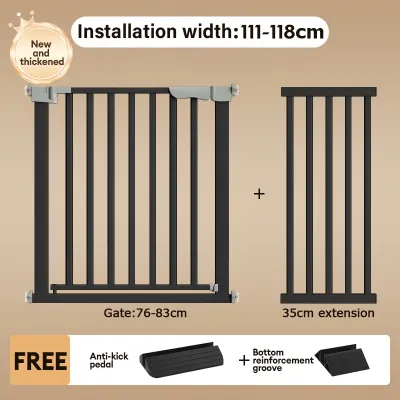
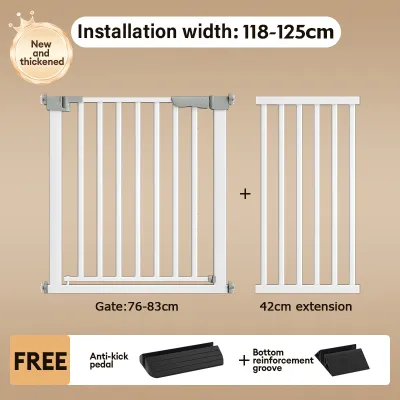
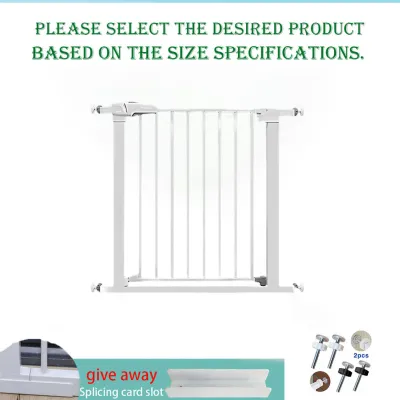
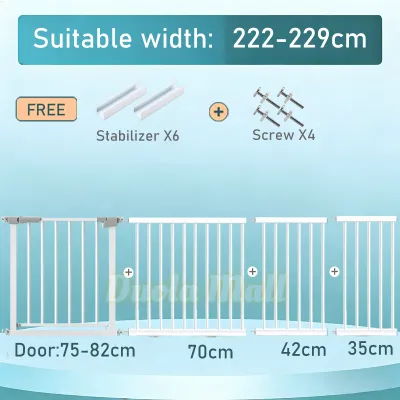
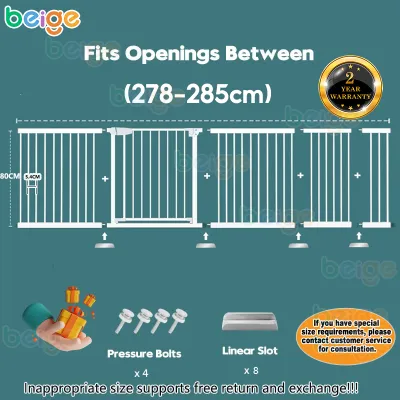
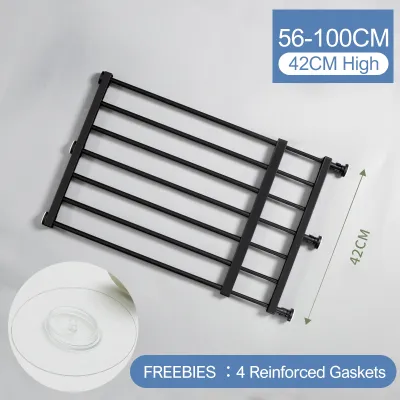
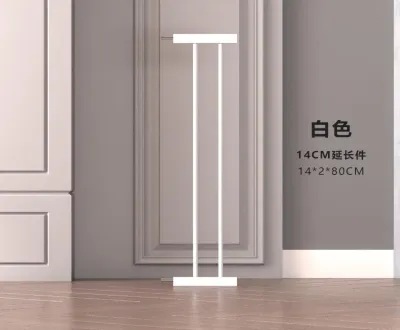
Prices are valid at publication and may change. Please refer to the product page for the latest price.
Lock Type and Child Resistance
A secure baby gates safety door must feature a child-resistant locking mechanism that requires dual-action movement or adult-level strength to open. Common designs include a slide-and-lift or a squeeze-and-lift system, both of which prevent a toddler from opening the gate through simple pushing or pulling. While the lock must baffle a child, it should remain easy enough for an adult to operate quickly with one hand during an emergency. Avoid gates with simple single-motion latches, as children can easily mimic these movements after watching an adult operate them a few times.
Gap Size and Entrapment Risks
The spacing between the vertical slats of a gate must be narrow enough to prevent a child’s head, neck, or limbs from becoming trapped. When reviewing product specifications, verify that the gap size between slats is less than 6 centimeters (approximately 2.3 inches). The clearance space at the bottom of the gate, between the frame and the floor, must also be small enough to prevent a crawling infant from sliding underneath. Rather than relying on visual estimates from product photos, always check the manufacturer’s official measurements on the packaging or product manual.
Hinge and Frame Stability
A gate must possess a rigid frame and heavy-duty hinges to withstand the constant force of a child leaning, shaking, or pushing against it. Inspect the hinge design to ensure there are no small gaps where tiny fingers could be pinched when the gate swings open or shut. The frame should not flex or warp when moderate pressure is applied. If you are installing a gate in an area with high humidity, ensure the hinges are treated to resist rust, as corrosion can compromise the structural stability and smooth operation of the entire unit.
Material Safety and Certification Verification
The materials used in a baby gate must be durable enough to withstand physical impact and safe enough for a child to interact with directly. Because infants often explore their environment with their mouths, verifying the chemical safety of all components is just as important as checking structural strength.

Non-Toxic Materials and Finishes
Teething infants frequently chew on the top rails of baby gates, making non-toxic materials a critical safety requirement. Ensure that all paints, varnishes, plastics, and metal coatings are certified lead-free and free from harmful chemicals like phthalates and BPA. If you prefer wooden gates, verify that the wood is sealed with a non-toxic, water-based finish that will not chip or peel under humid conditions. For metal gates, look for powder-coated finishes that resist chipping and prevent rust without releasing harmful chemical fumes.
Safety Standard Labels
Rather than relying on vague marketing claims of safety, look for recognized safety standard certifications on the product packaging or user manual. Standards such as ASTM F1004 in the United States or EN 1930 in Europe indicate that the gate has undergone rigorous testing for strength, latch integrity, slat spacing, and toxic materials. When browsing online marketplaces or physical stores, look for these specific certification codes in the product description or on the physical label to ensure the gate meets international safety benchmarks.
Weight and Height Limits
Every baby gate is designed with specific developmental limits in mind, typically intended for children between 6 and 24 months of age. Check the manufacturer’s specifications for the maximum height and weight limits before purchasing. Once a child’s height reaches the level of the gate’s top rail, or if they weigh more than the structural limit of the gate, the risk of climbing over or tipping the gate increases significantly. Keep these limits in mind to plan for the eventual transition to a gate-free home environment.
Installation Types and Location Suitability
Choosing the right installation method is critical because a gate that is safe in a doorway can be highly dangerous when installed at the top of a staircase. The physical layout of your home and the specific location of the gate dictate which mounting style you must use.
Hardware-Mounted vs. Pressure-Mounted
Hardware-mounted gates are screwed directly into the wall studs or door frames, providing the most secure attachment possible. This permanent mounting style is mandatory for the top of stairs, as it can withstand the full force of a falling child without slipping. Pressure-mounted gates, on the other hand, rely on tension against opposite walls to stay in place. While convenient because they do not require drilling, pressure-mounted gates can slip if pushed hard enough, making them suitable only for doorways, hallways, and the bottom of stairs.
Wall and Banister Compatibility
Before purchasing, evaluate the structural integrity of the surfaces where you plan to install the gate. In many homes in the Philippines, walls are constructed of concrete or hollow blocks, which require appropriate masonry wall plugs and screws for a secure hardware mount. If you are mounting a gate to a wooden or metal stair banister, you may need specialized banister adapters or Y-spindles to secure the gate without drilling directly into the decorative woodwork. Always measure the width of the opening at the top, middle, and bottom, as walls are rarely perfectly plumb.
Trip Hazards and Threshold Bars
Pressure-mounted gates typically feature a solid metal bar that runs along the floor at the bottom of the frame. This threshold bar remains in place even when the gate door is swung open, presenting a significant tripping hazard in high-traffic hallways or at the top of stairs. For high-traffic areas, hardware-mounted gates are often preferred because they swing completely clear of the opening, leaving the floor entirely unobstructed. Consider the daily foot traffic and lighting conditions of the installation area to minimize the risk of trips and falls, especially during nighttime.
Creating Your Pre-Purchase Safety Checklist
To ensure you select a gate that fits your home and protects your child, it is helpful to follow a structured verification process whether you are shopping in a physical store or browsing online.
In-Store Physical Checks
If you are examining display models in a physical retail store, take the opportunity to test the gate’s mechanical features firsthand. Shake the frame to assess its rigidity and check for any noticeable wobble in the hinges. Test the locking mechanism several times using only one hand to ensure it is smooth for adults but resistant to simple pushing. Inspect the edges of the gate for any sharp corners, rough wooden splinters, or exposed metal joints that could scratch a child’s sensitive skin.
Online Shopping Verification
When shopping on an ecommerce platform, you must rely on product specification sheets, downloadable user manuals, and verified buyer feedback to evaluate safety. Look for detailed photos of the locking mechanism and verify that the product description explicitly lists safety certifications like ASTM or EN standards. Compare the dimensions of your home’s openings with the gate’s adjustable width range, keeping in mind that you may need to purchase compatible extension kits to achieve a secure fit. Ensure the gate fits within your allocated ₱ budget without compromising on essential safety features like dual-action locks.
When to Stop and Consult Professionals
There are situations where DIY installation may not be safe, and you should halt the process to consult the manufacturer or a qualified professional. If your walls are made of crumbling plaster, have uneven decorative molding, or if your staircase has a complex architectural design, standard mounting hardware may not hold securely. A professional carpenter can install custom wooden mounting blocks to create a flat, secure surface for the gate. If the manufacturer’s instructions are unclear or if the included hardware does not match your wall type, contact their customer support before attempting to mount the gate.
Frequently Asked Questions (FAQ)
At what age or height should I stop using a baby gate?
Most manufacturers recommend discontinuing the use of a baby gate when a child reaches 24 months of age, or when their height reaches approximately 85 centimeters. At this developmental stage, children often develop the climbing skills and physical strength necessary to scale or tip the gate, which can lead to serious fall injuries. If your child shows an early ability to climb over barriers, you should stop using the gate immediately and transition to other child-proofing methods under close caregiver supervision.
Can I use a pressure-mounted gate at the top of the stairs?
No, you must never use a pressure-mounted gate at the top of stairs. Pressure-mounted gates rely solely on tension to stay in place, meaning a child leaning or pushing heavily against the gate can cause it to slip out of position, resulting in a dangerous fall down the stairs. Additionally, pressure-mounted gates have a bottom threshold bar that remains on the floor when the gate is open, creating a severe tripping hazard at the edge of the staircase. Only hardware-mounted gates, which are screwed securely into the wall or banister studs, are safe for top-of-stairs installation.
How often should I inspect the gate after installation?
You should inspect your baby gate at least once a month to ensure all components remain secure and functional. Check that the wall mounts or tension pads have not slipped, and tighten any screws or bolts that may have loosened from daily use. Test the locking mechanism and auto-close feature to confirm they still engage smoothly without sticking. If you notice any cracked plastic, warped wood, rusted metal, or loose hinges, stop using the gate immediately and contact the manufacturer for replacement parts or replace the entire unit to maintain a safe environment.

Community discussion
Share your experience or ask a question. Comments are reviewed before publication.