
The best value among EQ (Equator), Pampers, and Huggies XL diaper pants depends on whether you prioritize budget-friendly bulk pricing, premium absorbency for heavy wetters, or specific fit features for active toddlers. Because performance and pricing fluctuate, determining the most cost-effective box requires comparing absorbency, comfort, and the exact price per piece. This guide outlines how to evaluate these three brands to find the right bulk packaging for your baby’s needs.
To make a truly smart purchase, parents must look beyond the upfront cost of a box. A cheaper box that requires frequent changes due to leaks can quickly become more expensive than a premium box that keeps your baby dry for hours. By analyzing the design features, sizing accuracy, and cost-efficiency of EQ, Pampers, and Huggies, you can choose a diaper pant that keeps your toddler comfortable while maximizing your household budget.
Understanding the Contenders: Equator, Pampers, and Huggies XL Pants
When navigating the diaper aisle or browsing online marketplaces, parents frequently encounter EQ (Equator), Pampers, and Huggies as the primary options for bulk diaper pants. Each brand has established a distinct reputation, catering to different parenting priorities and household budgets. EQ is widely recognized for offering highly accessible, budget-friendly options that focus on practical, everyday utility. Pampers often positions itself as a premium choice, emphasizing advanced dryness technologies and lightweight materials. Huggies typically focuses on robust construction, secure fits, and targeted protection for highly active toddlers.
Products mentioned in this guide
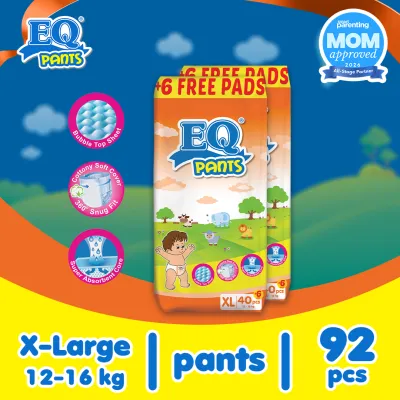
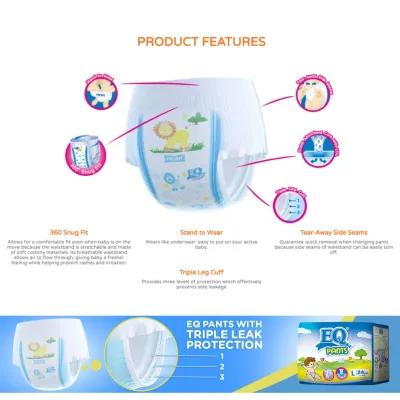
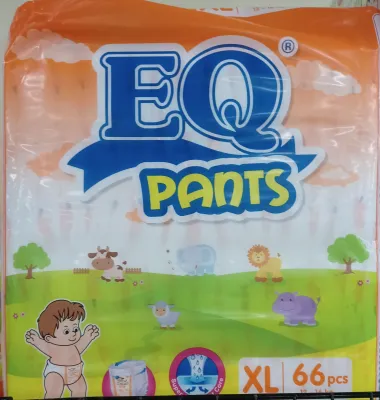
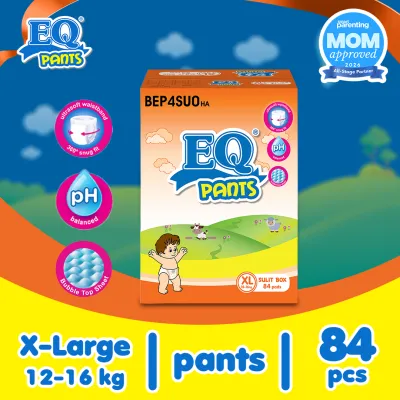
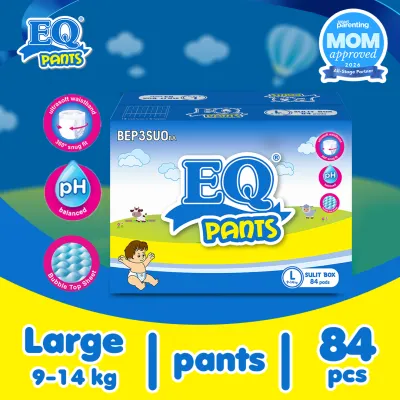
Prices are valid at publication and may change. Please refer to the product page for the latest price.
Choosing the extra-large (XL) size is a significant milestone, usually corresponding to toddlers who are walking, running, and exploring. While XL diaper pants are generally designed for children within a specific weight range, these ranges can vary slightly between brands. Parents must always verify the exact weight recommendations printed on the specific packaging before purchasing a bulk box. A toddler who falls on the lower end of the weight spectrum might experience gaps and leaks in one brand, while a child on the higher end might find another brand too restrictive.
Buying in bulk boxes is one of the most effective ways to lower your overall diapering expenses. Standard box packaging formats for XL diaper pants vary, with some brands offering mega boxes containing over a hundred pieces, while others package their bulk options in smaller, multi-pack configurations. Understanding the exact piece count inside each box is crucial, as packaging sizes are not standardized across EQ, Pampers, and Huggies. Comparing these formats allows you to determine which brand offers the most convenient storage size and the best volume discount for your home.
Comparing Absorbency and Leak Protection
Absorbency is the core function of any diaper pant, especially for older toddlers who consume more liquids. When evaluating EQ, Pampers, and Huggies, parents should inspect the packaging for specific absorbent core technologies, such as super absorbent polymers (SAP) or specialized channel designs that distribute liquid evenly. These channels prevent the diaper from sagging or clumping in one spot, which can restrict your baby’s movement and lead to premature leaks.

Wetness indicators are another valuable feature to look for on the packaging. These color-changing strips run along the outside of the diaper, shifting from yellow to blue when moisture is present. If you prefer a diaper that clearly signals when it is time for a change, verify whether the specific product line within the box includes this feature, as some budget-friendly options may omit it.
Leak prevention relies heavily on the design of the leg cuffs and barrier heights. Active toddlers put pressure on diaper seams when crawling, climbing, or sitting. High, double-layered leg elastics help contain liquid and solid waste during sudden movements. When testing a new brand, observe how the leg cuffs sit against your baby’s thighs; they should fit snugly in the groin crease without leaving deep red marks.
Monitoring observable signs of absorbency during daily use is the best way to judge real-world performance. After a few hours of wear, check if the outer cover feels damp or if the inner lining remains dry to the touch. If you notice frequent clumping, heavy sagging, or leaks during naptime, it may indicate that the absorbent core is not meeting your child’s current needs, regardless of the brand’s marketing claims.
Evaluating Comfort, Fit, and Skin Health
As babies transition into active toddlers, the comfort and flexibility of their diaper pants become just as important as absorbency. The waistband is a critical area of evaluation, as it must stretch sufficiently to accommodate a toddler’s round belly. Look for diaper pants with highly elastic, bubble-style waistbands or wide, stretchable side panels that distribute pressure evenly around the torso, allowing your child to move comfortably without restriction.
In tropical climates characterized by high heat and humidity, the breathability of a diaper pant is vital for maintaining skin health. Parents should assess the materials used in both the outer cover and the inner lining. Breathable outer covers feature microscopic pores that allow hot air and moisture vapor to escape while keeping liquid contained. A soft, cloth-like inner lining minimizes friction against the skin, reducing the risk of mechanical irritation.
Skin irritation, such as red marks, chafing, or heat rash (commonly known as bungang-araw), is a clear signal that a diaper pant may not be suitable for your baby. Red marks around the waist or thighs suggest that the elastic is too tight or that the sizing is too small. Chafing along the leg openings often points to stiff materials or a poor fit that rubs against the skin during movement. If your baby develops persistent redness or irritation after switching to a new brand, stop use and consult a pediatrician.
Calculating the True Value per Box and Price per Piece
Determining which diaper box offers the best value requires a simple mathematical calculation rather than relying on promotional labels. To find the exact price per piece, divide the total cost of the box by the number of diaper pants inside. Performing this calculation allows you to compare EQ, Pampers, and Huggies on an equal footing, regardless of how many diapers are packed into their respective boxes.
Price per Piece (₱) = Total Box Price (₱) / Number of Diaper Pants in Box
However, the cheapest price per piece does not always translate to the best overall value. Parents must factor in absorbency efficiency when calculating their monthly diaper budget. If a budget-friendly diaper pant has a lower price per piece but requires more frequent changes due to lower absorbency, your daily cost increases. Conversely, if a premium diaper pant has a higher price per piece but keeps your baby dry and comfortable with fewer changes throughout the day, your daily cost may actually be lower. In this scenario, the premium option provides better long-term value.
To find the most accurate pricing and avoid counterfeit products, always verify current box prices and piece counts through official brand stores or authorized online retailers. Prices can fluctuate significantly due to seasonal promotions, bulk discounts, or shipping fees. When shopping on online marketplaces, look for official mall tags or seller verification badges to ensure you are purchasing genuine products. Comparing prices across multiple authorized platforms before checking out ensures you get the best possible deal on your chosen bulk box.
Decision Framework: Which XL Diaper Pant Box Should You Choose?
Choosing the right XL diaper pant box requires matching your family’s specific daily routine, budget, and baby’s physical characteristics to the strengths of each brand. No single diaper brand is the perfect choice for every household, as individual needs vary widely. By establishing a clear set of priorities, you can confidently select the bulk box that offers the highest utility and cost-effectiveness for your situation.
Consider choosing EQ (Equator) diaper pants if your primary goal is to minimize your upfront diapering expenses and you practice frequent daytime changes. EQ is highly suitable for families who prefer to change diapers at regular, short intervals, making ultra-high overnight absorbency less of a priority. This brand offers a practical, budget-friendly solution for daytime wear, especially when your toddler is at home and easily accessible for quick changes.
Opt for Pampers diaper pants if you prioritize advanced dryness technology, lightweight materials, and specific premium features like wetness indicators. Pampers is an excellent choice for parents who want to ensure their baby’s skin remains dry during long outings or extended periods of sleep. The lightweight design is particularly beneficial in warm, humid environments where heavy, bulky diapers can cause discomfort and trap heat.
Select Huggies diaper pants if your toddler is exceptionally active and requires a highly secure, flexible fit with targeted leak protection. Huggies is well-suited for babies who need robust waistband elasticity and sturdy leg guards to contain messes during vigorous physical play. The structured design helps the diaper stay in place, reducing the likelihood of sagging or shifting when your child is running, climbing, or bending.
Before finalizing your purchase of any bulk box, always verify if your baby has sensitive skin by testing a smaller pack first. Additionally, double-check that your baby’s current weight falls comfortably within the XL weight range printed on the box. If your child is near the upper limit of the weight range, it may be wiser to transition to the next size up to prevent leaks and ensure a comfortable fit.
Frequently Asked Questions (FAQ)
How do I know if my baby is ready for XL diaper pants?
Your baby is typically ready for XL diaper pants when their weight falls within the manufacturer’s recommended range, which is usually printed clearly on the side of the packaging. Beyond weight, look for physical signs such as red elastic marks around your baby’s waist or thighs, which indicate the current size is too tight. Frequent leaks, blowouts, or the diaper sagging excessively even when empty are also strong indicators that your toddler has outgrown their current size and needs the increased capacity of an XL diaper pant.
Is it safe to buy diaper pants in bulk boxes online?
Yes, buying diaper pants in bulk boxes online is safe, provided you purchase exclusively from official brand stores or authorized online retailers on reputable ecommerce platforms. When your order arrives, inspect the box to ensure the factory seal is intact and check for any printed manufacturing or expiration dates. To maintain the quality and absorbency of the diaper pants, store the bulk boxes in a cool, dry place away from direct sunlight, high humidity, and strong odors, which can compromise the materials over time.

Community discussion
Share your experience or ask a question. Comments are reviewed before publication.