
Deciding on the right diaper for a newborn involves balancing a tight household budget with the delicate physical needs of a new baby. The eq dry newborn 44pcs pack is a highly visible option for parents in the Philippines looking to manage their weekly expenses. While it frequently presents a lower upfront price point compared to similar offerings from Pampers and Huggies, determining whether it is truly more cost-effective requires looking beyond the shelf price. True value is a calculation of unit cost, diaper performance under tropical conditions, and how well the design fits your baby’s unique shape without causing irritation.
To maximize your budget, you must calculate the cost-per-piece, evaluate physical design features, and monitor how your baby’s skin reacts to different materials. By taking a systematic approach to diaper selection, you can ensure your baby stays dry and comfortable while keeping your household expenses under control.
Understanding the Baseline: Equator Dry Newborn 44pcs Specifications
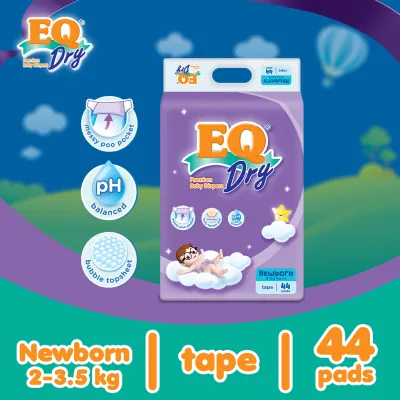
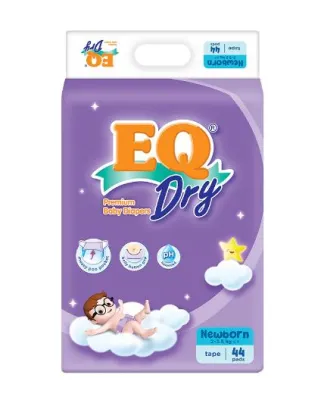
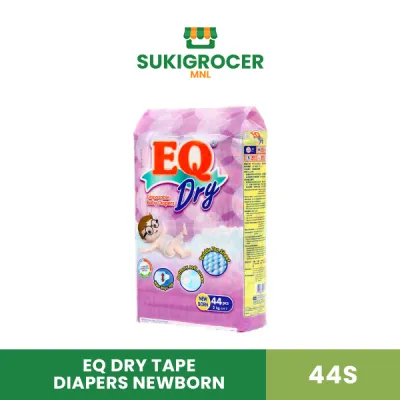
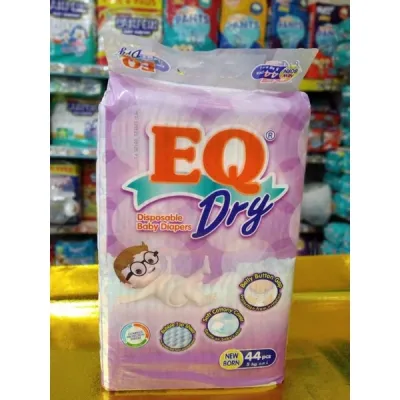
To make an accurate comparison, you must first understand what the eq dry newborn 44pcs pack offers. This specific pack contains 44 tape-style diapers designed specifically for the earliest weeks of an infant’s life. According to the manufacturer’s packaging, these diapers are tailored for newborns, typically accommodating babies within a specific weight range, often up to 5 kilograms. It is essential to verify this weight limit on the physical packaging before purchasing, as babies grow at highly individual rates and may outgrow this size faster than expected.
Products mentioned in this guide
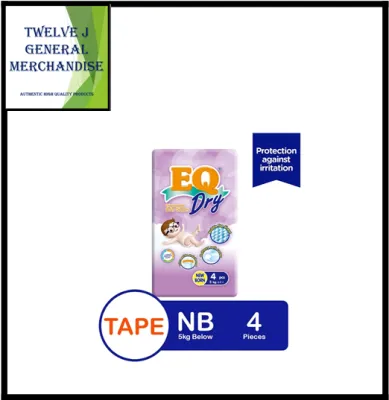
Prices are valid at publication and may change. Please refer to the product page for the latest price.
The design features of this pack focus on basic newborn comfort. Key elements to inspect on the packaging include the presence of a breathable outer cover, which is vital for air circulation, and a soft top sheet designed to keep wetness away from delicate skin. Some versions may feature a wetness indicator that changes color when the diaper is full, helping caregivers avoid unnecessary changes. The fastening system relies on adjustable tapes that secure the diaper around the waist. Keeping the exact count of 44 pieces in mind is crucial; this medium-sized pack is large enough to last several days but small enough to prevent waste if your baby experiences a sudden growth spurt.
Calculating the True Cost-Per-Piece Across Brands
Evaluating cost-effectiveness begins with a simple mathematical calculation: dividing the total checkout price by the number of diapers in the pack. For the eq dry newborn 44pcs pack, you take the final price paid at the register or online checkout and divide it by 44. To compare this fairly with Pampers or Huggies, you must perform the exact same calculation for their equivalent newborn packs, which may come in counts of 40, 48, or other quantities. Comparing the total pack price directly is a common mistake that can lead to inaccurate budget assumptions.

When calculating this unit cost, you must factor in the actual price you pay, not just the suggested retail price. In the Philippines, online marketplaces and local supermarkets frequently offer vouchers, cashback, and seasonal promotions that significantly alter the final cost. Shipping fees for online purchases must also be distributed across the total number of pieces in your order. For example, if you buy multiple packs to save on shipping, the unit cost decreases. Always ensure you are comparing equivalent product tiers; do not compare a basic, budget-friendly diaper line from one brand with a premium, organic cotton line from another, as their price points and intended features are fundamentally different.
Comparing Core Performance and Quality Indicators
A low unit cost loses its value if the diaper fails to perform its primary function. For newborns, absorbency and leak prevention are paramount. When evaluating the eq dry newborn 44pcs pack against Pampers and Huggies, look closely at the structural design of the leak guards. High-quality diapers feature standing leg cuffs that form a secure barrier around the baby’s thighs, preventing liquid messes from escaping. You should observe how well the absorbent core distributes moisture; a diaper that pools liquid in one spot can cause discomfort and leaks, whereas a well-designed core channels wetness evenly throughout the pad.
Material softness and breathability are critical factors, especially in the warm, humid climate of the Philippines. Newborn skin is exceptionally thin and prone to diaper rash. When handling the diapers, check the texture of the inner lining and the outer cover. A stiff or plastic-like feel can trap heat and moisture, increasing the risk of skin irritation. Breathable materials allow humid air to escape while keeping wetness locked inside. Additionally, examine the flexibility of the fastening tapes and the waistband. The diaper should stretch comfortably with the baby’s movements and secure firmly without leaving red friction marks or digging into the baby’s abdomen.
Identifying Hidden Costs and Usage Variables
The true cost of a diaper is often hidden in how it performs in daily life. If a diaper has lower absorbency, you may find yourself changing your baby more frequently to keep their skin dry. A pack of 44 diapers that requires changing every two hours will deplete much faster than a pack of a different brand that keeps the baby dry for four hours. If you end up using twice as many diapers per day, a lower cost-per-piece actually becomes more expensive over time. Caregivers must monitor the daily consumption rate to determine the actual long-term impact on the household budget.
Another hidden cost is skin sensitivity. If a specific diaper brand causes redness, irritation, or diaper rash, you will need to invest in specialized diaper rash creams, gentle skin cleansers, or even consult a pediatrician. These additional medical and skincare expenses can quickly overshadow any initial savings on the diaper pack itself. Furthermore, consider the return and exchange policies of your chosen retail channel. If you purchase a bulk supply of diapers and your baby develops an allergy or outgrows the size, a retailer with a flexible exchange policy can save you from wasting unused packs.
Building Your Budget-Friendly Diaper Strategy
To optimize your newborn diaper budget without compromising your baby’s comfort, start by purchasing smaller trial packs. The eq dry newborn 44pcs pack is an excellent size for testing because it provides enough diapers to evaluate performance over several days without committing to a massive bulk box. This trial period allows you to observe how your baby’s skin reacts to the materials and whether the fit matches their physical build. If the diaper fits well and causes no irritation, you can confidently purchase larger quantities during major sales events.
A highly effective way to stretch your budget is to implement a hybrid diapering strategy. You can use a highly cost-effective option like EQ Dry during the daytime when you are already changing the baby frequently after feedings. For overnight use, when longer periods of uninterrupted sleep are desirable for both baby and parents, you might switch to a high-absorbency diaper from Pampers or Huggies. This approach leverages the strengths of both brands, keeping daytime costs low while ensuring maximum dryness and comfort during the night. Before finalizing any purchase, use a pre-checkout checklist to verify that all shipping fees, taxes, and discounts are applied, ensuring the final transaction aligns with your financial goals.
Frequently Asked Questions (FAQ)
How many newborn diapers should I stock up on before the baby arrives?
It is highly recommended to avoid stockpiling large quantities of newborn-sized diapers before your baby is born. Newborns grow at an incredibly rapid pace, and many babies outgrow the newborn size within the first few weeks of life, while some larger infants may skip the newborn size entirely. A practical approach is to start with one or two medium-sized packs, such as the eq dry newborn 44pcs pack, to cover the initial days at home. Once you observe your baby’s actual birth weight and growth rate, you can purchase more as needed or transition directly to small-sized diapers to prevent financial waste from unused stock.
Is it safe to mix different diaper brands for my newborn?
Yes, it is generally safe to alternate between different diaper brands, provided your baby does not show any signs of skin sensitivity or allergic reactions to the materials. Many parents successfully mix brands to balance their budgets, using different options for daytime and nighttime. However, when switching between brands, you should carefully monitor the fit and sizing, as a newborn size in one brand may fit slightly differently than a newborn size in another. Watch for any signs of redness, chafing, or leaks during the transition, and adjust the fastening tapes to ensure a secure, comfortable fit.

Community discussion
Share your experience or ask a question. Comments are reviewed before publication.