
There is no single diaper brand that works perfectly for every newborn in the Philippines. The ideal choice depends on your baby’s unique skin sensitivity, physical body shape, and your family’s budget. EQ, Pampers, and Huggies each offer distinct advantages tailored to different parenting priorities. While one brand might focus on budget-friendly bulk options, another might emphasize premium softness or specialized leak-guard designs.
Because newborn skin is exceptionally delicate and prone to irritation in our hot, humid tropical climate, finding the right match requires observing how your baby reacts to each diaper. Frequent changes remain the most critical factor in keeping your newborn comfortable, regardless of the brand you select.
Core Criteria for Evaluating Newborn Diapers
To make an informed decision, parents must understand the key features that define a high-quality newborn diaper. When examining diaper packaging, look for specific claims regarding the absorbent core’s technology. Many brands highlight features like super absorbent polymers or quick-dry layers designed to pull moisture away from the skin. A highly useful feature for new parents is the wetness indicator, which is a color-changing strip on the outside of the diaper that signals when it is time for a change. Additionally, inspect the diaper for double leak guards or raised barriers around the legs to help contain liquid newborn stools.
Products mentioned in this guide
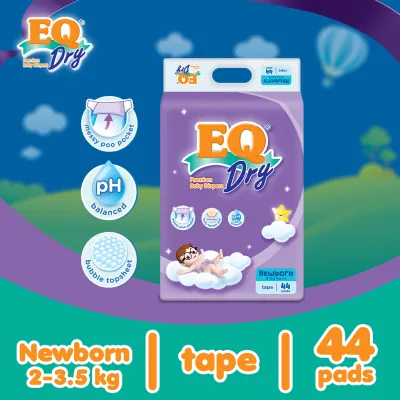
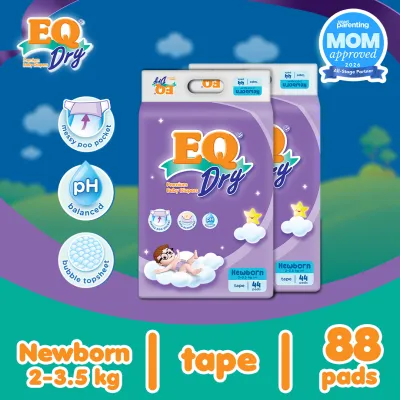
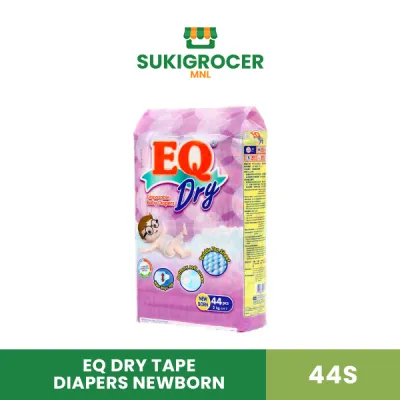
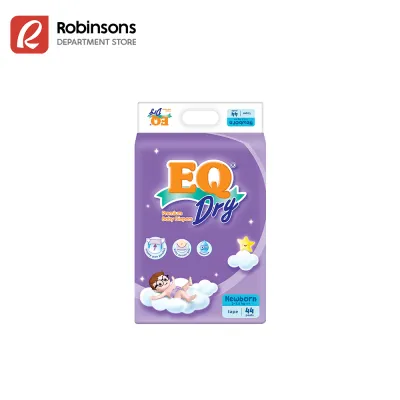
Prices are valid at publication and may change. Please refer to the product page for the latest price.
A newborn’s anatomy requires a specialized diaper shape. Look for diapers with highly elastic waistbands that stretch comfortably without leaving red marks on your baby’s skin. The leg cuffs should be soft yet snug enough to prevent gaps when your baby moves. For babies whose umbilical cord stumps have not yet fallen off, check if the diaper features a specialized umbilical cord cutout or a low-rise front design. This prevents friction and keeps the sensitive area dry and exposed to air, reducing the risk of irritation.
Newborn skin is incredibly thin and highly susceptible to diaper rash, especially in the humid Philippine climate. Carefully read the ingredient labels on the packaging. Look for terms like hypoallergenic, fragrance-free, or dermatologically tested, keeping in mind that these are manufacturer claims you should verify through observation. Avoid diapers with heavy artificial scents, as fragrances can trigger allergic reactions on sensitive skin. Monitor your baby’s skin during every diaper change; early signs of diaper rash include mild redness, warmth, or small bumps in the diaper area.
EQ vs Pampers vs Huggies: Comparing the Newborn Lines
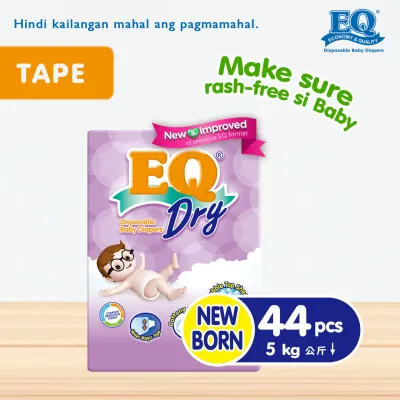
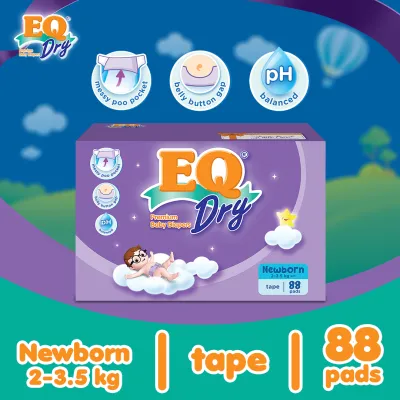
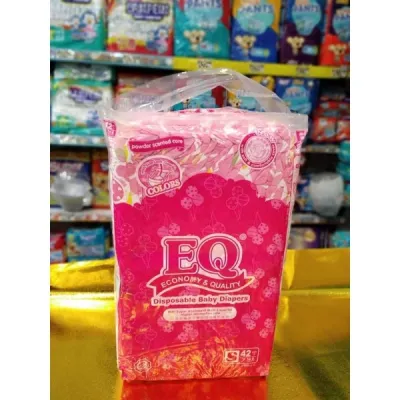
When shopping in local supermarkets or browsing online marketplaces, you will encounter specific product lines from each of these three major brands. If you are searching for an eq diaper newborn baby option, you will typically find choices like EQ Dry or EQ Plus in the newborn size. When evaluating EQ, check the packaging for claims regarding their bubble top sheet or breathable cover, which are designed to allow air circulation in warm weather. EQ is widely recognized in the local market for its accessibility and practical design. Parents should verify the specific weight range listed on the pack—usually starting at up to 5 kilograms—to ensure a proper fit for their newborn.

Pampers offers premium lines such as Pampers Baby Dry or Pampers Premium Care. When inspecting these packages, look for features like their magic gel channels or wetness indicators. Pampers often emphasizes a cottony-soft feel and a lightweight design, which can be highly beneficial in tropical humidity. Verify whether the specific pack you are holding includes the wetness indicator, as this feature is sometimes reserved for their premium tiers rather than their standard economy packs.
Huggies provides options like Huggies Dry or Huggies Nature Care. When examining Huggies newborn diapers, pay close attention to their waistband design, which often features a pocketed elastic waistband at the back to help trap runny messes. Look for their claims regarding rapid-dry technology and check if the diaper has a specialized cut to accommodate the umbilical cord stump. Huggies diapers are often noted for their structured, snug fit around the legs. Always remember to check the exact product name, tier, and size on the package before purchasing, as features vary significantly between a brand’s budget-friendly line and its premium offering.
Assessing Price and Value for Newborn Diapers
Evaluating diaper costs goes beyond looking at the price tag on a single pack. To find the true value, parents should calculate the cost per diaper. You can do this by taking the total price of the pack in Philippine Pesos (₱) and dividing it by the exact number of diaper pieces inside. This simple calculation allows you to make direct, objective comparisons across different brands and pack sizes.
Your purchasing strategy should also account for your baby’s rapid growth phase. While buying in bulk on e-commerce platforms often yields a lower cost per piece, stocking up on too many newborn-size diapers can backfire. Newborns grow incredibly fast, and your baby may outgrow the weight limit of newborn diapers within just a few weeks. It is often wiser to buy smaller packs initially to test the fit and skin compatibility before committing to larger quantities.
Furthermore, the cheapest diaper per piece is not always the most economical choice. If a lower-priced diaper lacks sufficient absorbency or has a poor fit, it may lead to frequent leaks, blowouts, and diaper rash. This can result in you changing the diaper much more frequently, washing soiled clothes and bedding constantly, or purchasing expensive rash creams. A slightly more expensive diaper that keeps your baby dry for longer periods can sometimes offer better overall value and peace of mind.
Decision Framework: Matching the Diaper to Your Baby
To finalize your purchase, use this practical decision framework to match the diaper brand to your baby’s physical needs, your lifestyle, and your household budget.
Choose EQ if:
- You are looking for a highly accessible, budget-friendly option widely stocked in local supermarkets and neighborhood stores.
- Your baby has a standard body shape and does not experience frequent leaks with standard leg cuffs.
- You prefer a straightforward, practical diaper that delivers reliable everyday performance without a premium price tag.
Choose Pampers if:
- Your baby has highly sensitive skin that benefits from lightweight, breathable materials designed to minimize moisture buildup in hot weather.
- You highly value a clear, reliable wetness indicator to take the guesswork out of diaper changes.
- You are willing to invest a bit more per piece for premium softness and advanced absorbent channel technology.
Choose Huggies if:
- Your baby is highly active or has a body shape that requires a very secure, snug fit around the thighs and waist to prevent blowouts.
- You want a diaper with a pocketed waistband designed specifically to contain runny newborn stools.
- You prefer a structured diaper with a dedicated design or cutout to protect the healing umbilical cord stump.
Stop and consult a pediatrician if: Regardless of the brand you choose, monitor your baby’s skin closely. If you notice persistent, bright red rashes, skin peeling, pus-filled bumps, or if your baby shows signs of extreme discomfort and crying during diaper changes, stop using the diaper immediately. These symptoms may indicate a severe allergic reaction, a yeast infection, or a deep skin irritation that requires professional medical treatment rather than a simple brand switch.
Frequently Asked Questions (FAQ)
How many newborn diapers should I stock up on before birth?
It is best to avoid buying massive quantities of newborn-size diapers before your baby is born. Newborns grow at an exceptionally rapid rate, often gaining weight quickly in their first month. A safe starting point is to stock up on about one to two weeks’ worth of diapers, which equates to roughly 80 to 120 pieces, assuming an average of 8 to 10 changes per day. Once your baby arrives, you can observe their actual birth weight and growth rate. Transition to Size 1 or Small diapers as soon as you notice the newborn size becoming tight around the thighs, leaving red marks, or failing to cover the waist properly.
Can I mix different diaper brands for my newborn?
Yes, mixing different diaper brands is a highly practical strategy used by many parents. For instance, you might choose to use a premium, highly absorbent brand for nighttime use to help your baby sleep longer without interruption, while opting for a more budget-friendly brand during the day when you are changing the diaper more frequently anyway. When introducing a new brand into your routine, always monitor your baby’s skin for 24 to 48 hours. If you notice any redness or irritation, it is best to revert to the previous brand that you know works well for their skin.
What should I do if the newborn diaper leaks every time?
If your newborn’s diaper leaks consistently, the issue is often related to fit rather than the diaper’s absorbency. First, verify that you are using the correct size based on your baby’s current weight, keeping in mind that weight ranges on packaging are general guidelines. Next, check the leg cuffs after putting the diaper on; make sure the inner ruffles are pulled outward and wrapped snugly around the thighs. Ensure the waistband is fastened symmetrically and that the front of the diaper is not folded inward, which can create gaps around the umbilical cord stump. If leaks persist despite proper application, it may be time to size up or try a different brand with a cut that better matches your baby’s unique body shape.

Community discussion
Share your experience or ask a question. Comments are reviewed before publication.