
Choosing between EQ Dry, Pampers, and Huggies in Large size for your toddler depends on balancing absorbency, fit, and breathability under local tropical conditions. There is no single universal winner; instead, the ideal choice is highly conditional. It depends on whether your toddler needs a high-capacity core for long overnight stretches or a highly flexible, thin design for active, humid daytime play. In the Philippines, where high heat and humidity are constant factors, choosing the right diaper involves more than just looking at the price tag. Caregivers must look closely at how each brand’s Large size diaper is constructed, how it handles moisture, and how it accommodates a toddler’s constant movement. By evaluating physical indicators, checking packaging specifications, and monitoring your child’s skin, you can make an informed decision that keeps your child dry, comfortable, and rash-free.
Understanding the Core Differences in Large Diaper Design
To make an objective comparison, caregivers should look past marketing slogans and focus on the physical construction of each diaper brand. Large size diapers, which are generally designed for toddlers in the weight range of 9 to 14 kilograms, vary significantly in their structural design. When evaluating EQ Dry, Pampers, and Huggies, the first point of comparison should be the waistband elasticity and the fastening tab design. A highly elastic waistband is essential for active toddlers, as it stretches and contracts with their movements. Tape-style diapers require sturdy, rounded fastening tabs that can be adjusted multiple times without losing their grip, while pants-style diapers rely on a fully elasticized, 360-degree waistband that must be soft enough to prevent skin irritation.
Another critical design element is the core thickness and the distribution of the absorbent material. Some brands utilize a highly compressed core featuring superabsorbent polymer (SAP) channels. This design is intended to distribute liquid evenly across the diaper, preventing the wetness from pooling in one spot and creating a heavy, sagging bulge between the toddler’s legs. Other brands may feature a slightly thicker, traditional pulp-and-gel core. While a thicker core can feel more substantial, it may become bulky and stiff once wet, potentially restricting a toddler’s natural stride during play. Caregivers should inspect the diaper packaging for terms like “absorbent channels” or “thin core technology” to understand how the brand manages liquid distribution.
Products mentioned in this guide
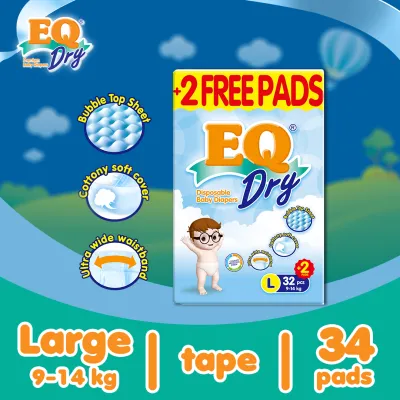
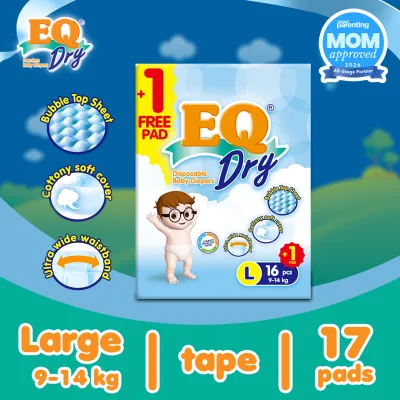
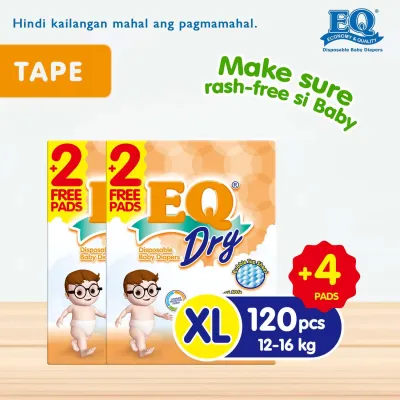
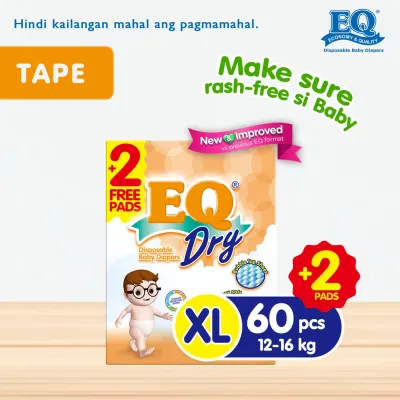
Prices are valid at publication and may change. Please refer to the product page for the latest price.
Finally, the height and structure of the leak-guard barriers around the legs are vital for preventing messy blowouts. In tropical climates, where loose stools can occur due to dietary changes or mild stomach bugs, these double-layered elastic barriers act as the final line of defense. When opening a fresh diaper, check that the inner leak guards stand upright and feel soft to the touch. The outer leg cuffs should wrap snugly around the thighs without being so tight that they restrict circulation. A well-designed leg cuff provides a secure seal while allowing the skin to breathe, reducing the risk of friction-induced chafing.
Evaluating Absorbency for Day and Night Use
Absorbency requirements shift dramatically between daytime play and nighttime sleep. During the day, toddlers drink liquids frequently and are constantly on the move, meaning diapers are changed more often. For daytime use, a diaper with moderate absorbency that prioritizes thinness and flexibility is often highly suitable. Caregivers should read the packaging claims regarding maximum wear time, which often boast up to 12 hours of dryness. It is important to remember that these claims are based on standardized laboratory tests using specific liquid volumes and do not represent real-world conditions. In daily practice, diapers should be checked regularly and changed every three to four hours during the day, regardless of the brand’s maximum absorbency claims.

As your toddler runs, jumps, and climbs, observe how the diaper core behaves after it has been soiled. Some diaper cores tend to clump or sag heavily, which can pull the waistband down and cause gaps to form around the legs. A high-quality core should maintain its structural integrity even when wet, keeping the moisture locked away from the toddler’s skin. If you notice that the diaper feels cold and damp on the outside, or if the toddler’s skin is wet to the touch during a change, the diaper’s absorption speed may not be keeping pace with your child’s urine flow.
Nighttime use presents a different challenge, requiring a diaper that can handle multiple heavy voids over an eight-to-twelve-hour period. Frequent overnight leaks around the waist or legs are a clear sign that the diaper’s absorption capacity has been exceeded or that the fit is incorrect. To prevent sleep disruptions, many parents look for diapers specifically labeled for overnight protection or those featuring a higher concentration of superabsorbent gel. Tracking the frequency of overnight leaks over a week can help you determine if your current brand’s Large size has the capacity to keep your toddler dry until morning, or if you need to adjust your diapering routine.
Assessing Comfort and Fit for Active Toddlers
A diaper can have excellent absorbency, but if it does not fit comfortably, it can cause distress and skin issues for an active toddler. Because toddlers are constantly moving, the friction between the diaper material and their sensitive skin can lead to redness and chafing. Caregivers should regularly monitor the skin around the toddler’s thighs and groin after periods of intense play. If you notice red friction marks or deep indentations left by the leg elastics, it indicates that the cuffs are too tight, the material is too stiff, or the diaper size is too small. The elastic should be gentle enough to allow you to easily slide your finger between the cuff and your toddler’s skin.
The fit of the waistband is equally important for comfort. A properly fitting Large diaper should sit comfortably near the toddler’s belly button, with the waistband wrapping snugly around the torso. If the waistband leaves deep red lines on the tummy or back, or if you notice sweat rashes developing under the elastic, the diaper may lack sufficient breathability or stretch. In the humid climate of the Philippines, trapped sweat can quickly lead to heat rashes, also known locally as bungang-araw. Choosing a diaper with a soft, breathable waistband that allows air to circulate is crucial for maintaining skin health.
To assess breathability, look for packaging claims mentioning “micro-pores” or “breathable outer covers.” A simple way to observe breathability in real-world use is to feel the outside of a moderately wet diaper. If the outer cover feels slightly warm or damp, it indicates that the diaper is successfully allowing moisture vapor to escape while keeping the liquid trapped inside. If the outer cover remains completely dry and stiff while the inside is soaking wet, the diaper may be trapping heat and humidity against your toddler’s skin, increasing the likelihood of diaper rash. If persistent redness or irritation occurs, caregivers should stop using the brand and consult a pediatrician.
Decision Framework: Choosing the Right Brand for Your Toddler
To help you navigate the choices between EQ Dry, Pampers, and Huggies in Large size, it is helpful to apply a conditional decision framework based on your specific parenting priorities and your toddler’s physical needs.
Consider EQ Dry Large if your primary goal is finding a reliable, budget-friendly diaper for frequent daytime changes. This brand is often favored by practical caregivers who prefer to change diapers often to maintain hygiene and want a sturdy, structured diaper that offers dependable everyday absorbency without a high cost-per-piece in ₱.
Consider Pampers Large if you prioritize a lightweight, ultra-thin, and highly flexible diaper for daytime wear. This is highly suitable for active toddlers who dislike the bulkiness of traditional diapers and for parents who want to minimize heat retention in warm, tropical weather.
Consider Huggies Large if your toddler has highly sensitive skin or if you frequently experience leaks during active play or sleep. This brand is often chosen for its robust leak guards, snug waistband fit, and soft materials that help protect against friction and moisture buildup.
Regardless of the brand you choose, caregivers must establish clear stop-conditions. If your toddler develops a persistent diaper rash, skin peeling, or severe chafing that does not improve with standard barrier creams and frequent changes, discontinue use of that specific brand immediately. Persistent leaks that occur despite correct fastening and proper sizing also serve as a stop-condition, indicating that the diaper’s shape or absorbency pattern is not compatible with your toddler’s anatomy.
Before purchasing large, economical box packs, implement a small-batch trial strategy. Purchase small travel packs of EQ Dry, Pampers, and Huggies in Large size. Test each brand for three consecutive days under your normal daily routine. Use them during the day first to monitor fit, flexibility, and ease of movement, and then test them overnight to evaluate their maximum absorbency limits. Keep a simple log of any leaks, skin redness, or sagging to identify which brand offers the best balance of comfort and performance for your toddler.
Frequently Asked Questions (FAQ)
How do I know if my toddler needs to move up from Large to Extra Large?
To determine if it is time to transition from a Large to an Extra Large diaper, start by checking the weight limits printed on your specific brand’s packaging, as these ranges vary slightly between manufacturers. Physical signs of a poor fit are often the most reliable indicators. Look for persistent red marks or deep indentations on your toddler’s thighs, hips, or waist after removing the diaper. If the waistband sits significantly below the belly button or constantly slides down during play, the diaper is too small. Additionally, if you experience frequent side or back leaks despite correct fastening and regular changes, it indicates that the diaper’s physical coverage and absorption capacity are no longer sufficient for your growing toddler.
Can I mix different diaper brands for day and night use?
Yes, mixing different diaper brands for day and night use is a highly practical and cost-effective strategy. Many caregivers use a lighter, highly flexible, and budget-friendly diaper like EQ Dry for daytime hours, when the toddler is active and diapers are changed frequently. They then switch to a high-capacity, premium diaper like Pampers or Huggies for overnight sleep to ensure maximum leak protection and uninterrupted rest. If you decide to mix brands, monitor your toddler’s skin closely for the first few days. Ensure that switching between different top-sheet materials, elastics, and adhesive tabs does not cause any skin sensitivity or localized allergic reactions.

Community discussion
Share your experience or ask a question. Comments are reviewed before publication.