
Welcoming a newborn into your home brings immense joy, along with a steep learning curve regarding daily essentials. Among the most frequent decisions you will make is choosing the right diaper. In the Philippines, where high humidity and warm temperatures are constant factors, finding a diaper that keeps your baby dry and comfortable is crucial. While EQ Dry, Pampers, and Huggies are the most visible brands on supermarket shelves, there is no single best diaper for every infant. The ideal choice depends entirely on your baby’s unique skin sensitivity, their physical body shape, and your household budget.
To make an informed decision, it is helpful to understand how these brands generally position themselves in the market. EQ Dry is widely recognized as a practical, budget-friendly option that focuses on reliable daily dryness. Pampers often emphasizes premium softness and skin protection, making it a popular choice for parents concerned about friction and irritation. Huggies is frequently sought after for its structural design, particularly its secure waistbands aimed at preventing messy blowouts. Because every baby’s skin and body shape differ, the most practical approach is to purchase small packs of each brand first. This allows you to observe how your newborn’s skin reacts and how well the diaper fits before committing to bulk purchases.
Core Features to Verify: Absorbency, Softness, and Fit
When evaluating diaper performance, parents should look past marketing claims and focus on observable physical characteristics. The first critical feature to verify is absorbency. In a tropical climate, trapped moisture can quickly lead to diaper rash. When examining a diaper, check the packaging to see if it includes a wetness indicator—a color-changing strip that signals when it is time for a change. Once the diaper is on your baby, monitor how quickly it absorbs liquid and whether the surface feels dry to the touch during changes. If you notice frequent leaks or if the baby’s skin feels damp when you remove the diaper, the core material may not be absorbing efficiently enough for your baby’s specific wetting patterns.
Products mentioned in this guide
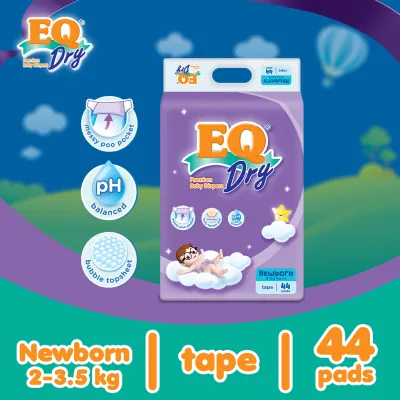
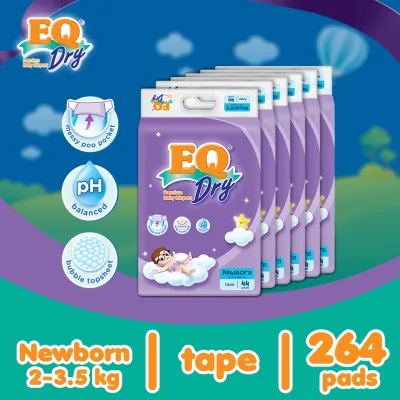
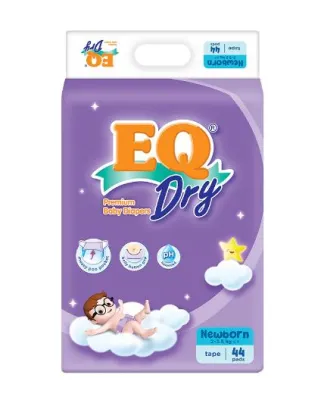
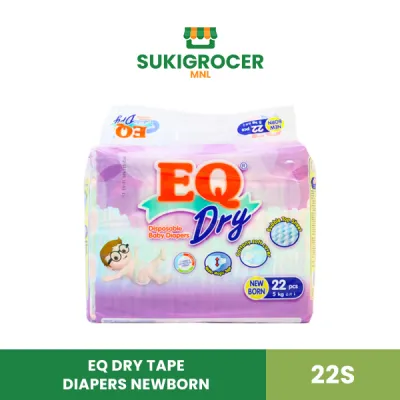
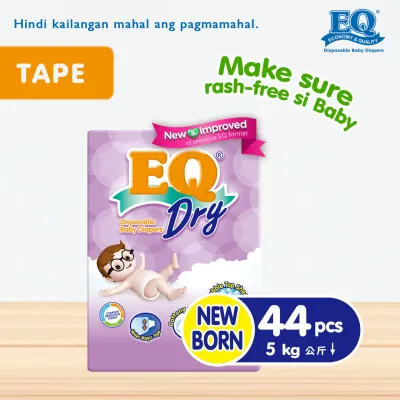
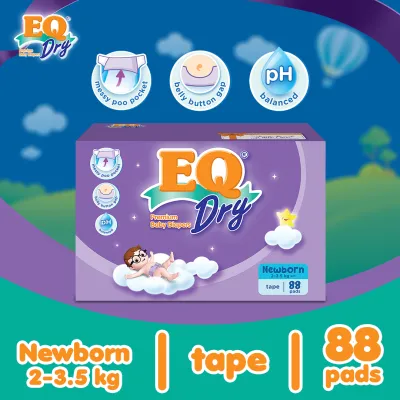
Prices are valid at publication and may change. Please refer to the product page for the latest price.
Softness is another vital factor, especially for a newborn’s delicate, paper-thin skin. Before putting a diaper on your baby, run your fingers along the inner lining that makes direct contact with their skin. It should feel smooth and fabric-like, rather than stiff or plasticky. Pay close attention to the areas around the thighs and waist. After your baby has worn the diaper for a few hours, check these areas for any signs of friction, such as red marks, chafing, or localized irritation. If you observe persistent redness, the material may be too abrasive, or the diaper may be rubbing against their skin as they move.
The physical fit of the diaper is the final line of defense against leaks and blowouts. A well-designed diaper must balance a secure seal with gentle comfort. Examine the elasticity of the waistband; it should stretch easily to accommodate your baby’s tummy as it expands after feeding, yet retract gently to prevent gaps at the back. Next, inspect the leg cuffs, which act as barriers against side leaks. These cuffs should have double-layered, flexible barriers that sit snugly in the groin creases without digging into the skin. If the cuffs are too loose, liquid will escape; if they are too tight, they will leave deep, red indentations. Observing how these structural elements interact with your baby’s movements will help you determine if a brand’s specific cut matches your baby’s build.
Brand-Specific Checks for EQ Dry, Pampers, and Huggies
To choose effectively between these three prominent brands, you must know what specific details to look for on their packaging and product designs. When inspecting EQ Dry newborn diapers, pay close attention to their stated dryness technology and material composition. Look for labels indicating a breathable outer cover, which is essential for allowing hot air to escape in humid conditions. Additionally, review the sizing chart on the back of the pack. EQ Dry sizing may distribute weight ranges differently than other brands, so verifying that your newborn falls comfortably within their recommended weight limit is key to preventing early leaks.

For Pampers, the primary task is to differentiate between their standard and premium newborn product lines. Premium lines often feature distinct materials designed for maximum breathability and softness, whereas standard lines focus on basic dryness at a lower price point. You should also carefully check the ingredient list printed on the packaging. Some Pampers variants include a touch of lotion or aloe additives on the top sheet to help protect the skin barrier. If your baby has extremely sensitive skin or known allergies, verifying these additives beforehand ensures you do not inadvertently introduce an irritant.
When examining Huggies newborn diapers, focus your attention on the waistband construction. Huggies is known for incorporating a pocketed back waistband, which is specifically designed to catch runny newborn stools and prevent them from traveling up the baby’s back. Inspect the physical diaper to see if this pocket is present in the newborn size you are purchasing. Additionally, check for specific newborn-focused variants that may feature a cutout at the front to accommodate the healing umbilical cord stump, preventing painful friction during the first couple of weeks.
Regardless of which brand you choose to test, always make it a habit to check the manufacturing date, expiration date, and safety certifications printed on the packaging. Diapers stored in humid warehouse conditions for too long can lose their adhesive strength or absorbency. Ensuring you are purchasing fresh, certified stock from reputable retailers protects your baby from degraded materials.
Evaluating Price and Value per Diaper
Managing a household budget with a newborn requires looking beyond the retail price of a diaper pack. To find the true cost, you must calculate the exact price per diaper. You can easily do this by taking the total price of the pack in ₱ and dividing it by the number of diapers inside. For example, a pack costing ₱350 containing 40 diapers results in a unit price of ₱8.75 per piece. Keeping a running log of these unit prices allows you to make objective comparisons across different brands and packaging sizes.
Several purchasing strategies can significantly lower your overall diaper expenses. Buying in bulk or purchasing larger box sizes generally offers a lower price per diaper than buying small travel packs. Many parents also find value in subscribing to regular deliveries through official brand stores on online marketplaces, which often provide subscription discounts. Additionally, watch for promotional vouchers, seasonal sales, and bundle deals on major ecommerce platforms.
However, the cheapest option per piece is not always the most cost-effective. If a lower-priced diaper has poor absorbency or a loose fit, it may lead to frequent leaks and messy blowouts. This means you will end up changing the diaper, washing soiled clothes, and cleaning bedding much more often. If you have to use two cheap diapers in the same timeframe that one slightly more expensive, high-quality diaper would have covered, the premium option actually saves you money and effort. Balance the unit price with real-world performance to determine the true value.
Final Decision Framework for Your Newborn
To finalize your choice, use a structured decision framework based on your baby’s immediate needs and your family’s daily routine. This conditional approach ensures you select a diaper that addresses your primary concerns rather than relying on generic recommendations.
- Choose EQ Dry if your primary goal is to find a highly budget-friendly diaper that offers reliable, straightforward dryness features. This brand is ideal for families who plan to change diapers frequently throughout the day and want to keep recurring costs low without sacrificing basic moisture protection.
- Choose Pampers if your newborn has highly sensitive skin that reacts quickly to friction, and you prefer widely available premium softness variants. This option is well-suited for parents who prioritize a velvety texture and are willing to pay a slightly higher price per piece for enhanced skin comfort.
- Choose Huggies if your baby has a body shape that is prone to back blowouts, and you require a secure, pocketed waistband fit to contain messy stools. This is a strong choice for active newborns or those who experience frequent liquid stools, as the physical barrier provides peace of mind.
Always remember that your baby’s skin is the ultimate judge. If you observe persistent diaper rash, redness, or allergic reactions despite frequent changes, stop using the current brand immediately. Switch to a diaper with different materials or ingredients, and consult a pediatrician to address any ongoing skin concerns.
Frequently Asked Questions (FAQ)
How many diapers does a newborn typically use per day?
Newborns typically require about 8 to 12 diaper changes per day. Because their bladders are very small and they feed frequently, they wet themselves often. It is important to track your baby’s actual wet and soiled diapers daily, as this not only helps you plan your purchases but also serves as a key indicator of whether they are receiving enough breastmilk or formula.
When should I transition my baby from newborn to size 1 diapers?
You should transition your baby to size 1 diapers when you observe physical signs of poor fit, even if they are still within the weight range printed on the newborn pack. Key signs include frequent leaks, red elastic marks on their thighs or waist, or the diaper failing to cover their backside completely. If the fastening tapes must be secured at the very outer edges of the waistband, it is time to move up a size.

Community discussion
Share your experience or ask a question. Comments are reviewed before publication.