
Choosing the right formula for your baby is one of the most significant decisions you will make during their first year of life. With several prominent brands on supermarket shelves in the Philippines, parents frequently find themselves comparing Enfamil, Nido, and NAN. However, a critical distinction must be made immediately: while Enfamil and NAN offer dedicated formulas designed for infants from birth to 12 months, Nido is formulated exclusively for toddlers aged one year and older. Feeding Nido to an infant under 12 months old can lead to severe nutritional imbalances and digestive strain because its protein and mineral concentrations are designed for older, more mature digestive systems. Therefore, for the 0 to 12 months stage, your comparison will focus on Enfamil and NAN.
There is no single “best” formula for every infant, as each baby’s digestive system, tolerance, and nutritional needs are unique. The ideal formula is the one your baby tolerates well, digests comfortably without excessive gas or distress, and supports steady, healthy weight gain as monitored by your pediatrician.
Choose Enfamil infant variants if:
Products mentioned in this guide
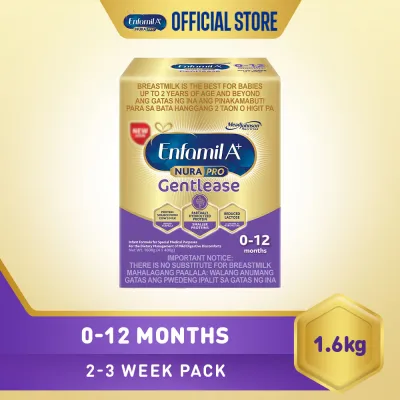
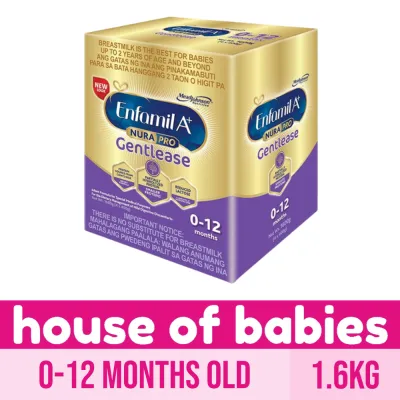
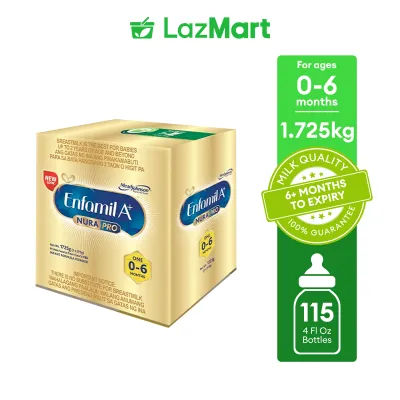
Prices are valid at publication and may change. Please refer to the product page for the latest price.
- Your primary focus is on maximizing levels of brain-supporting nutrients like DHA and ARA.
- Your baby benefits from specific prebiotic blends designed to support immune health throughout the digestive tract.
- Your pediatrician recommends their standard or specialized gentle lines to address mild feeding sensitivities.
Choose NAN infant variants if:
- Your baby has mild digestive sensitivities and would benefit from formulas containing active probiotics like Lactobacillus reuteri.
- You prefer a formula with optimized protein profiles (such as partially hydrolyzed whey proteins) designed to be gentle on an immature gut.
- You want a brand that offers a structured progression of starter and follow-on formulas tailored to specific developmental stages.
Mandatory Medical Disclaimer: Breast milk is the gold standard for infant nutrition, providing unmatched immunological and developmental benefits. Infant formula is intended to be used only when breastfeeding is not possible, insufficient, or chosen as an alternative. Because every baby’s health profile is different, you must consult your pediatrician before introducing formula, switching brands, or selecting a specialized formula for babies with underlying health conditions, allergies, or premature birth.
Comparing Core Nutrients in Enfamil 0 to 12 Months and NAN Infant Formulas
When evaluating options like enfamil 0 to 12 months products alongside NAN, understanding the nutritional label is key to making an informed choice. During the first year of life, a baby’s brain, eyes, and immune system undergo rapid development, requiring specific structural building blocks. Among the most critical of these are Docosahexaenoic Acid (DHA) and Arachidonic Acid (ARA), which are long-chain polyunsaturated fatty acids naturally present in breast milk. These fatty acids are essential for cognitive development and visual acuity, and both Enfamil and NAN incorporate them into their infant formulations, though their specific sources and concentrations may vary.
Another vital component to analyze on the label is the protein structure, specifically the ratio of whey to casein. Whey protein remains liquid in the stomach and is digested rapidly, whereas casein forms a firmer curd that takes longer to break down. Standard infant formulas designed for the first six months (Stage 1) typically feature a higher whey-to-casein ratio, often mimicking the 60:40 or 70:30 ratio found in early breast milk to ensure easy digestion. As babies transition to the 6 to 12-month stage (Stage 2), their digestive systems mature, and follow-on formulas may adjust this ratio to include more casein to provide sustained energy.
Iron is another non-negotiable nutrient in infant formula, particularly after the age of six months when an infant’s natural iron stores begin to deplete. Iron supports healthy red blood cell production and cognitive development, and both brands fortify their infant lines to meet strict national and international pediatric guidelines. However, parents should avoid comparing standard formulas directly with specialized medical formulas, such as those designed for premature infants or severe allergies, as these have highly modified nutrient profiles tailored to specific medical needs.
To verify the precise nutrient levels for the specific product you are considering, always check the nutritional information panel on the physical tin or the manufacturer’s official website. Formulations can change, and premium lines within the same brand family often feature different ingredient blends than standard lines. Ensure that the formula you select matches your baby’s exact developmental stage, as Stage 1 and Stage 2 formulas are calibrated differently to support the changing metabolic demands of growing infants.
Digestion and Tummy Comfort: Managing Gas and Fussiness
An infant’s digestive tract is highly immature at birth, making digestive discomfort, gas, and occasional mild constipation common concerns for parents. To support gut health, manufacturers increasingly focus on the gut microbiome—the community of beneficial bacteria living in the baby’s digestive system. Prebiotics, such as Galacto-oligosaccharides (GOS) and Fructo-oligosaccharides (FOS), are non-digestible fibers that serve as food for these beneficial bacteria. Probiotics, on the other hand, are live beneficial microorganisms added directly to the formula to help maintain a balanced gut environment.

Enfamil and NAN take distinct approaches to supporting tummy comfort through their ingredient profiles:
- Prebiotic and Probiotic Integration: Some premium variants of NAN feature active probiotic strains, such as Lactobacillus reuteri, which clinical studies suggest can help reduce crying times in colicky infants and promote softer stools. Enfamil often focuses on proprietary dual-prebiotic blends designed to work throughout the large intestine, supporting overall digestive health and immune function.
- Gentle and Sensitive Variants: For babies experiencing persistent gas, mild fussiness, or spit-up, both brands offer specialized comfort lines. Enfamil Gentlease utilizes partially hydrolyzed proteins—where the milk proteins are already broken down into smaller, easier-to-digest pieces—along with a reduced lactose content. Similarly, NAN offers sensitive or hypoallergenic (HA) variants that feature partially hydrolyzed whey proteins to minimize the digestive load and reduce the risk of developing allergies in at-risk infants.
When introducing a new formula or transitioning between brands, it is important to observe your baby’s stool patterns, frequency, and overall comfort levels. Minor adjustments in stool color (such as turning green due to iron fortification) or consistency are completely normal during the first few days of a new formula. However, these changes should stabilize within one to two weeks as the baby’s digestive system adapts to the new protein and carbohydrate sources.
Taste, Mixability, and Transitioning Safely
The physical characteristics of infant formula, including its taste profile and how easily the powder dissolves in water, can influence how well your baby accepts it. Taste profiles vary between brands due to differences in vegetable oil blends, protein sources, and iron levels. For instance, formulas containing partially hydrolyzed proteins (such as gentle or sensitive variants) can have a slightly bitter or metallic taste compared to standard formulas. This taste difference is normal, but it may require a gradual introduction if your baby is accustomed to a sweeter, standard formula or breast milk.
To ensure your baby accepts a new formula and to minimize the risk of digestive upset, always transition between brands gradually over several days. A step-by-step transition plan helps the baby’s palate and digestive enzymes adapt:
- Days 1 and 2: Offer a bottle containing 75% of the current formula and 25% of the new formula.
- Days 3 and 4: Offer a bottle containing 50% of the current formula and 50% of the new formula.
- Days 5 and 6: Offer a bottle containing 25% of the current formula and 75% of the new formula.
- Day 7 and onward: Transition fully to 100% of the new formula.
Note: Because different brands utilize different scoop sizes and water ratios, always prepare the two formulas in separate bottles according to their specific instructions before mixing the liquid together in the final feeding bottle. Never combine dry powders from different brands into a single measuring scoop.
Proper preparation is vital to your baby’s health. Always follow the exact scoop-to-water ratio printed on the tin. Using too much water dilutes essential nutrients and can lead to water intoxication or poor weight gain, while using too little water concentrates the formula, putting dangerous strain on your baby’s kidneys and causing dehydration.
In the tropical, high-humidity climate of the Philippines, powder mixability and storage require extra care. High humidity can cause formula powder to clump inside the tin if exposed to air. Always store the tin in a cool, dry pantry—never in the refrigerator, as the temperature change when opened creates condensation that spoils the powder. Ensure the plastic lid is sealed tightly immediately after use, and use the contents within three to four weeks of opening.
How to Calculate True Cost and Ensure Product Authenticity
When budgeting for infant formula in the Philippines, comparing the retail price of a tin is not always an accurate reflection of its long-term cost. Tin sizes, scoop volumes, and daily feeding recommendations vary significantly between Enfamil and NAN. To calculate the true cost of feeding your baby, you should determine the cost per serving or the cost per day.
To calculate the daily cost of a formula, follow these steps:
- Find the scoop weight: Look at the preparation instructions on the back of the tin to find the weight of a single scoop of powder in grams (usually between 4.3g and 9g).
- Calculate grams per bottle: Multiply the scoop weight by the number of scoops required for your baby's standard bottle size.
- Calculate daily consumption: Multiply the grams per bottle by the number of bottles your baby consumes in a 24-hour period.
- Determine tins per month: Divide the total weight of the tin (e.g., 800g or 900g) by your baby's daily consumption in grams to see how many days a single tin will last.
- Calculate daily cost: Divide the purchase price of the tin by the number of days it lasts.
This calculation often reveals that a slightly more expensive tin with a smaller scoop size can be more cost-effective over a month than a cheaper tin that requires larger or more frequent scoops.
To ensure your baby’s safety, purchase infant formula only from established local pharmacies, major supermarkets, or official online flagship stores of authorized retailers in the Philippines. Avoid purchasing formula from unauthorized third-party sellers on online marketplaces, as these products may be counterfeit, expired, or stored in high-temperature warehouses that degrade the nutrients and compromise safety. Upon purchase, always inspect the physical tin for any signs of tampering, such as punctured foil seals, rust, or deep dents. Verify that the expiration date is clearly printed and valid, and check the manufacturer’s batch code, which can often be verified directly through their customer care hotlines.
Red Flags: When to Stop and Consult a Pediatrician
While mild gas or a brief change in stool consistency can occur during a formula transition, certain physical symptoms indicate a more serious issue, such as formula intolerance or a cow’s milk protein allergy (CMPA). If your baby exhibits any of the following red flags, stop using the formula immediately and seek professional medical guidance:
- Severe skin reactions: The sudden appearance of hives, chronic eczema, or swelling around the face, lips, or eyes after feeding.
- Severe digestive distress: Persistent, forceful, or projectile vomiting; frequent watery diarrhea; or stools containing visible blood or mucus.
- Behavioral changes: Extreme, inconsolable crying (especially during or immediately after feeds), persistent irritability, or unusual lethargy.
- Growth concerns: Inadequate weight gain or weight loss over consecutive pediatric checkups.
Frequently switching between different formula brands without professional guidance can irritate your baby’s sensitive digestive tract and make it difficult to identify the root cause of their discomfort. If your pediatrician suspects a cow’s milk protein allergy or a severe digestive disorder, they will guide you toward specialized, extensively hydrolyzed or amino acid-based formulas. These medical formulas are specifically processed to prevent allergic reactions and must only be used under direct medical supervision.
Frequently Asked Questions (FAQ)
Can I mix Enfamil, Nido, and NAN in the same bottle?
No, you should never mix different formula brands or variants together in the same bottle unless specifically instructed to do so by your pediatrician. Each brand is formulated with a precise, unique balance of nutrients, osmolality, and a specific scoop-to-water ratio. Mixing them dry or combining them incorrectly can alter the concentration of nutrients and water, which can strain your baby’s kidneys, cause severe dehydration, or lead to nutritional deficiencies. If you are transitioning between brands, always prepare each formula in its own separate bottle according to the manufacturer’s instructions before combining the liquid portions.
How do I know if my baby needs a different formula brand?
Your baby may need a different formula brand if they exhibit persistent signs of discomfort that do not resolve after a one- to two-week transition period. These signs include hard, pellet-like stools indicating constipation, excessive vomiting or spitting up after every feed, constant crying from painful gas, or a refusal to feed. However, because these symptoms can also be linked to normal developmental phases or underlying medical conditions, you should always consult your pediatrician before deciding to switch brands. Your pediatrician can help differentiate between temporary infant colic and a true formula intolerance.

Community discussion
Share your experience or ask a question. Comments are reviewed before publication.